


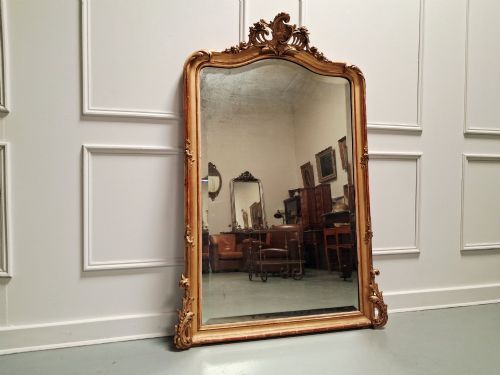
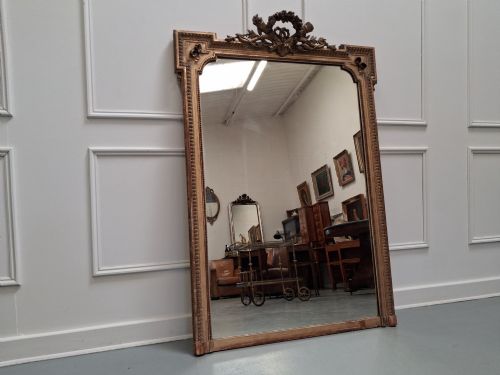
Vintage Gold Pier Mirror
A vintage gold pier mirror hangs between windows to lift the light in a room, drawing on centuries of French and English design.
Vintage Gold Pier Mirror
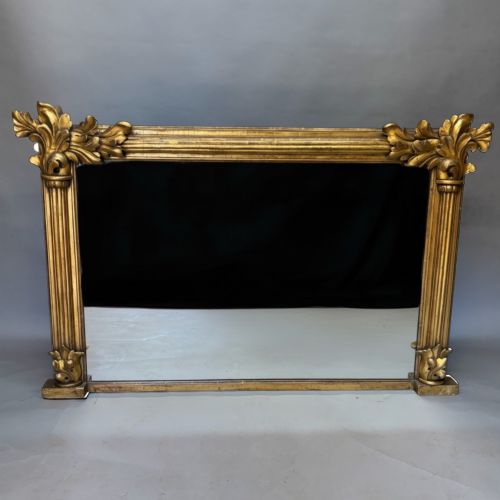
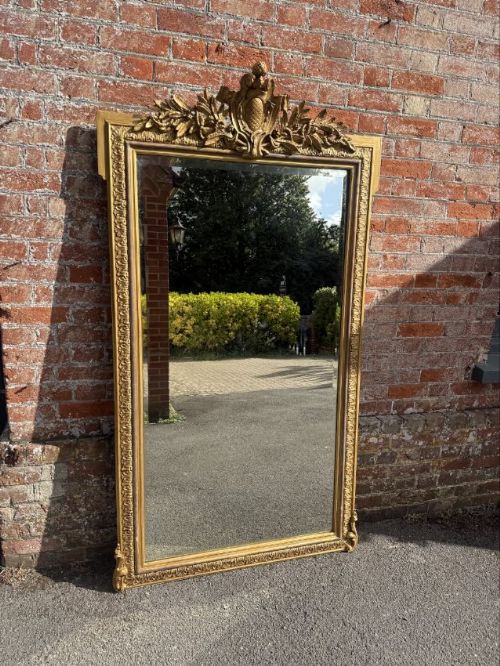
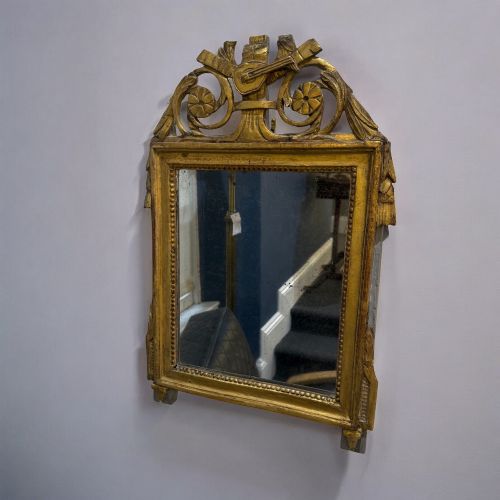
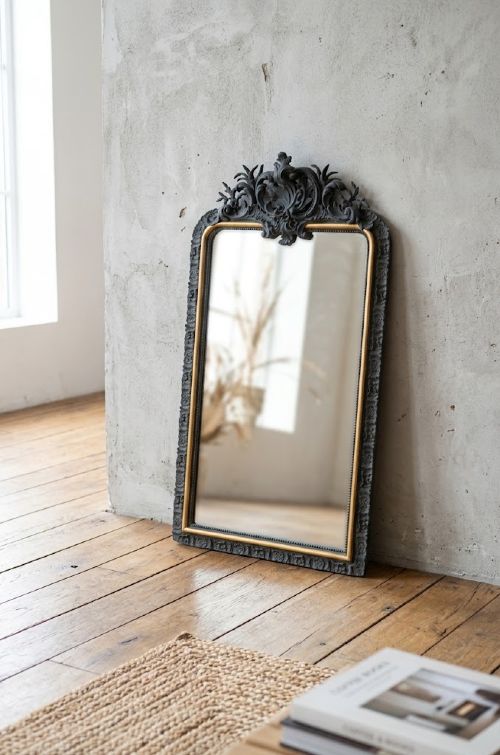
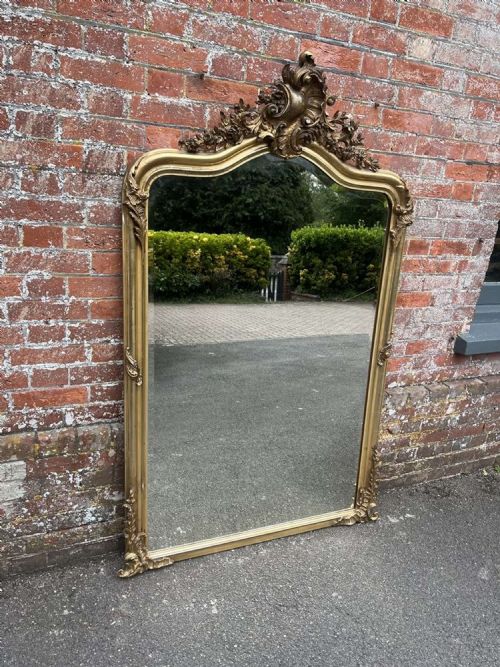
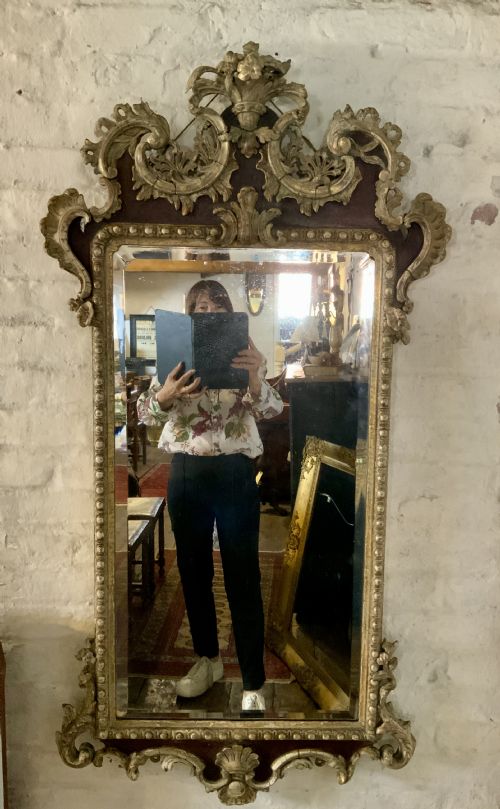
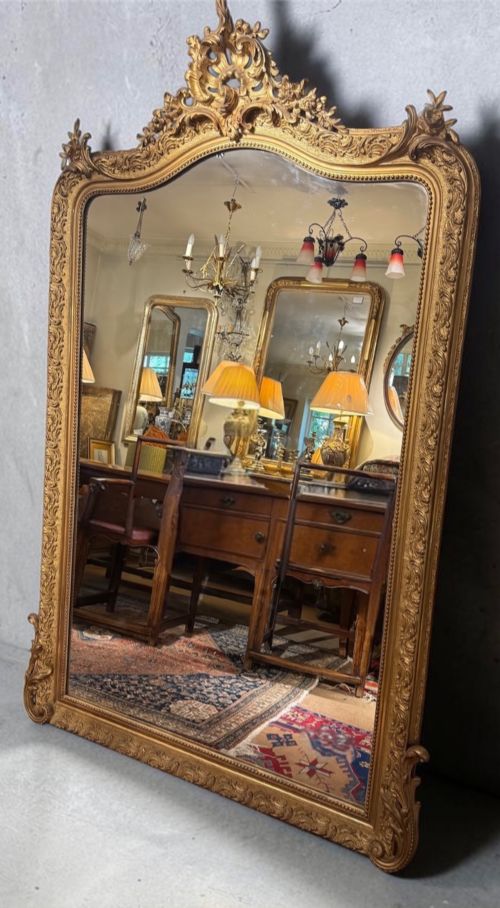
A vintage gold pier mirror is a tall vertical glass designed specifically for the narrow wall space between windows, often paired with matching console tables. Buyers searching for a vintage gold pier mirror encounter substantial nineteenth-century examples, particularly those shaped by French Rococo revival and Victorian tastes.
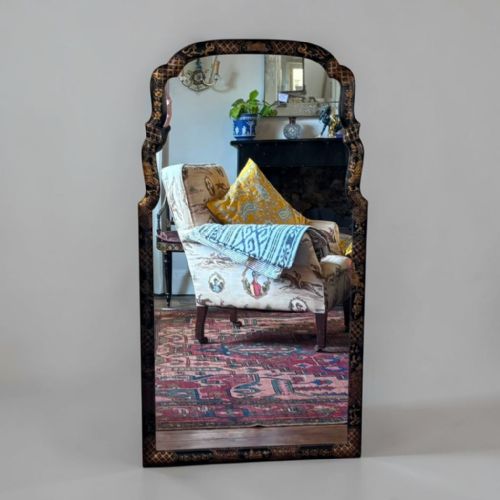
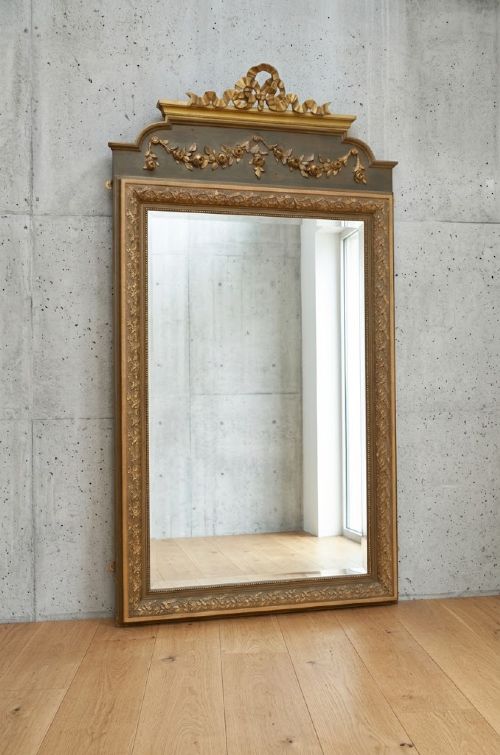
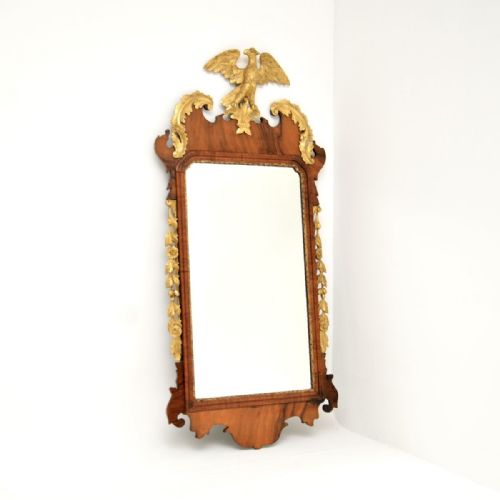
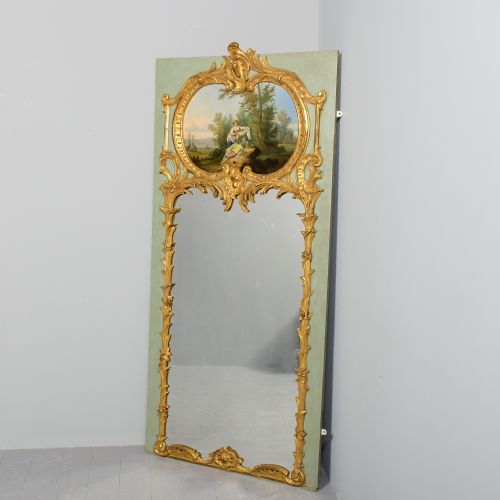
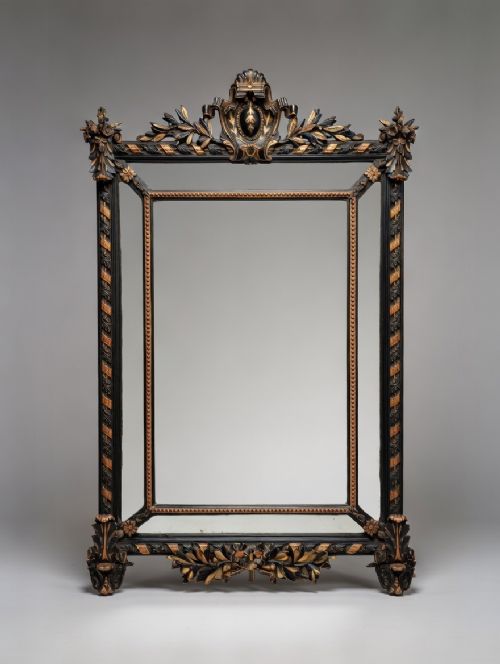
The selection spans from nineteenth-century giltwood creations to early twentieth-century interpretations, featuring arched tops, trumeau panels, and elaborate ribbon crests. Most pieces originate from French workshops or English makers, reflecting historical periods from the Georgian era through to the Edwardian years.
These items function simultaneously as practical reflective surfaces and architectural statements, sometimes incorporating painted wood or parcel gilt detailing alongside the primary mirror glass. The formats range from simple wall-hanging rectangular plates to monumental floor-standing console and mirror combinations.
How they were made
Carved wooden frames form the structural backbone of these pieces, utilising materials such as mahogany, walnut, and various painted woods beneath decorative layers. Artisans applied gesso to smooth the wooden surfaces before laying down gold leaf or silver gilding.
Giltwood technique involves adhering extremely thin sheets of gold leaf to the prepared gesso ground, burnishing the metal to achieve a luminous finish. Specialised carving defines the ornate crests, scrolling foliage, and structural framing seen across the French and English items.
Some nineteenth-century French mirrors retain subtle foxing in the glass, offering centuries of silent reflections.
What varies in quality
The depth and crispness of the hand-carved wood beneath the gilding dictate the refinement of the object, separating heavily moulded production from intricate artisan work. Superior pieces display sharp detailing in scrolls and floral motifs without the blurring caused by excessive gesso buildup.
The integrity of the original mercury or silvered mirror glass contributes significantly to the character of the piece, where authentic age shows through subtle foxing rather than modern replacement plates. Construction methods, from traditional joinery in the underlying timber frame to the application of the gold leaf, determine structural longevity.
The Vintage Gold Pier Mirror Glossary
- Pier glass
- A tall mirror designed to hang on the narrow wall space between two windows. It frequently reflects additional natural light into deep rooms.
- Giltwood
- Timber that has been decorated with gold leaf applied over a prepared chalk and glue ground. This finish provides the characteristic metallic brilliance on antique frames.
- Gesso
- A plaster mixture applied to wood surfaces to create a smooth base for gilding or painting. It allows craftsmen to carve fine decorative relief details.
- Trumeau
- A decorative wall panel containing a painted scene or oil painting paired with a mirror glass. This French architectural feature became popular in eighteenth and nineteenth-century interiors.
- Parcel gilt
- Woodwork that is partially gilded with gold leaf while other sections reveal the natural polished wood or paint beneath. Walnut and mahogany frames frequently employ this contrasting finish.
- Rococo revival
- A nineteenth-century design movement imitating the ornate, asymmetric scrolls and shell motifs of the French mid-eighteenth century. This style dominates many nineteenth-century gilt mirrors.
Vintage Gold Pier Mirror: Frequently Asked Questions
Where should I hang a pier mirror?
These mirrors suit narrow wall spaces between windows or above console tables where their vertical proportions balance the room.
Placing them opposite a window maximises the reflection of natural daylight into the interior.
How do I date an old gold mirror?
Dating relies on examining the construction of the wooden frame, the type of gesso preparation, and the characteristics of the mirror glass.
Stylistic cues such as Rococo revival scrolls or Georgian mahogany framing further point to specific nineteenth or eighteenth-century periods.
Are these mirrors heavy to mount?
The combination of dense timber frames, thick gesso, and large glass plates makes these pieces substantial in weight.
Secure wall fixings anchored directly into structural studs or masonry are essential for safe hanging.
What is the difference between a pier mirror and an overmantel mirror?
Pier mirrors are built with tall, narrow vertical proportions to fit between architectural openings like windows.
Overmantel mirrors are traditionally broader and designed to sit horizontally above a fireplace mantelpiece.