
Vintage Gold Diamond Necklace
When you search for a vintage gold diamond necklace, you find pieces that span delicate Edwardian drops to striking mid-century pearl strands.
Vintage Gold Diamond Necklace
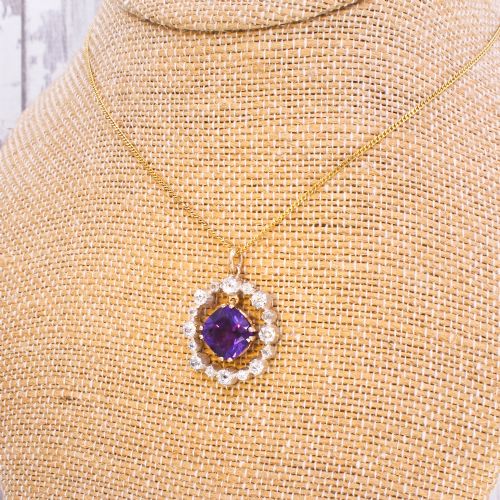
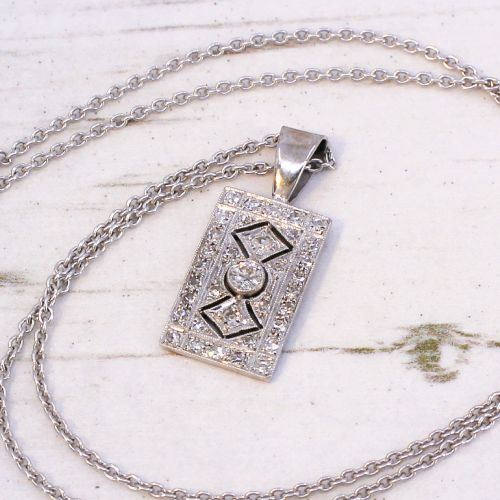
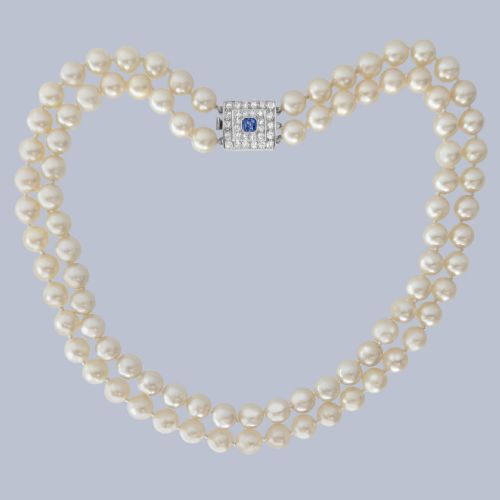
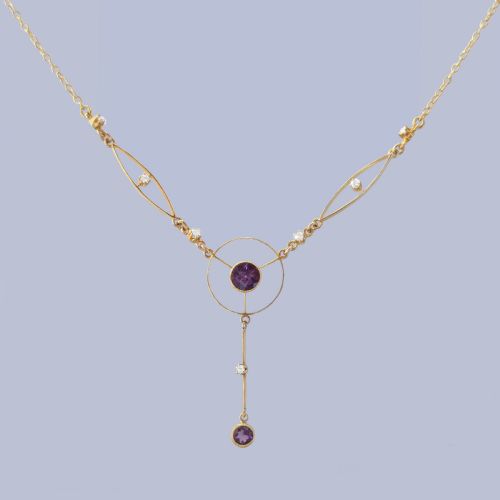
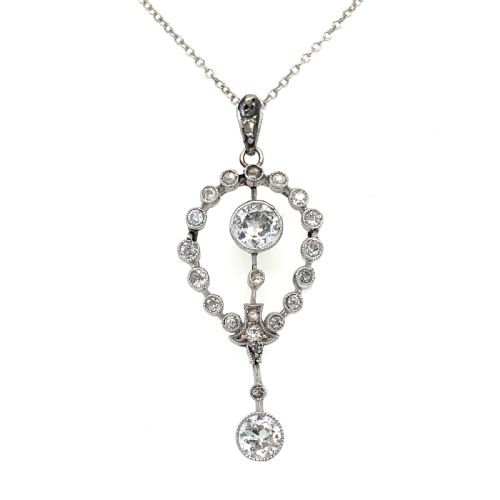
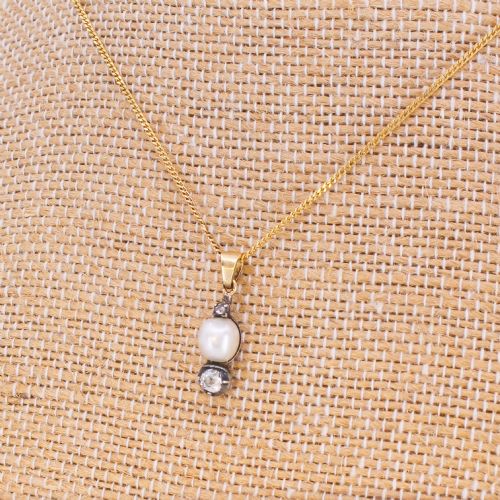
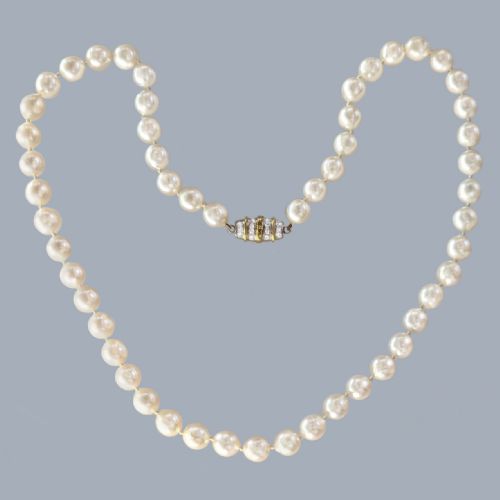
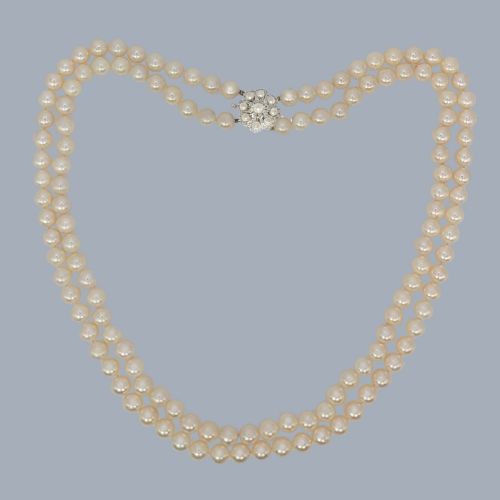
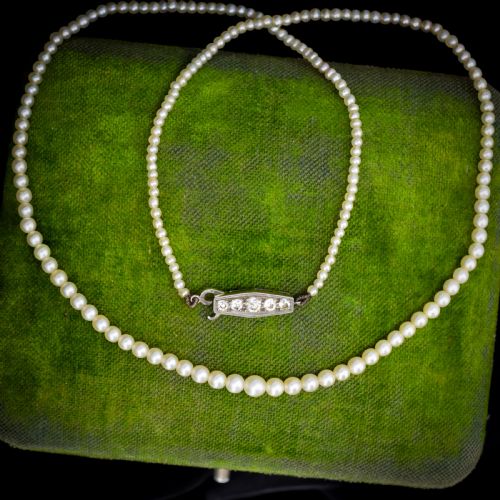
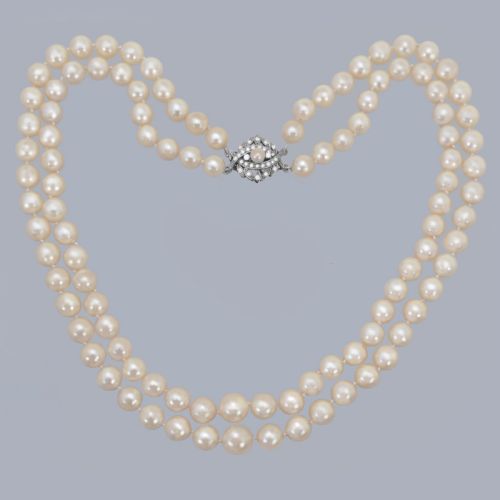
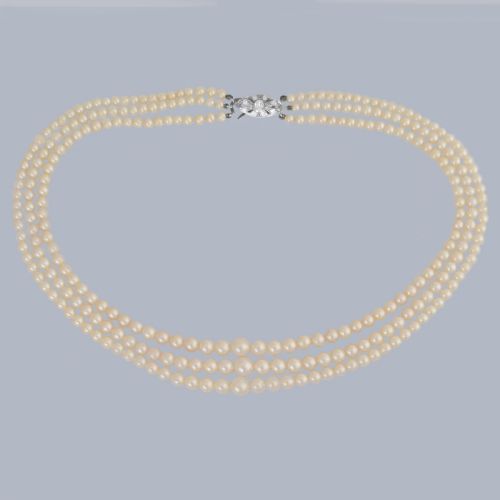
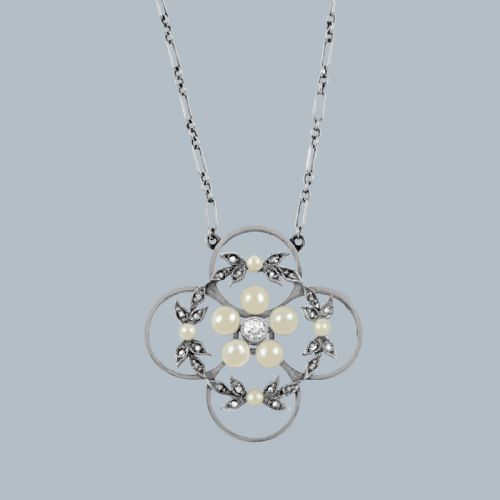
A vintage gold diamond necklace encompasses everything from single stone pendants to elaborate multi-strand pearl arrangements secured by gem-set clasps. When exploring this selection, buyers frequently encounter Edwardian lavaliers, Art Deco geometric drops, and mid-century cultured pearl strands paired with gold or platinum settings.
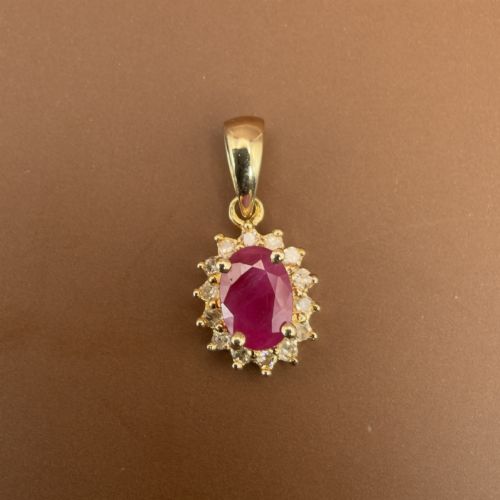
The objects combine precious metals with diamonds alongside gemstones such as emeralds, sapphires, rubies, opals, and aquamarines. These pieces reflect distinct historical design movements ranging from the late nineteenth century through to the late twentieth century, offering variety in both length and form.
How They Were Made
The construction of these pieces relies on traditional goldsmithing techniques utilising yellow gold, white gold, platinum, and silver-topped gold. Metals are worked into fine chains, hollow or solid pendants, and secure settings designed to hold old cut, rose cut, or modern brilliant cut diamonds.
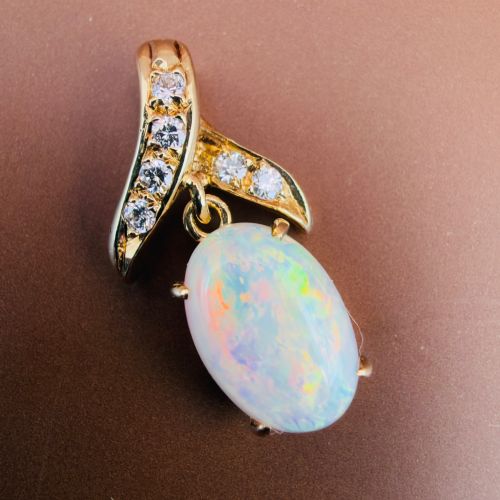
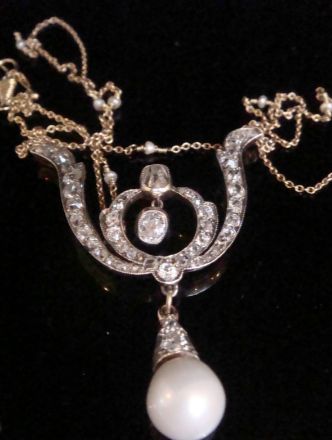
Pendant forms range from geometric Art Deco plaques and Edwardian bows to natural pearl clusters and heavy gold opals.
What Varies in Quality
Quality rests upon the proportion and matching of the gemstones, the weight and purity of the gold or platinum, and the finesse of the metalwork. Pieces featuring certified natural pearls or high-carat coloured stones alongside substantial old cut diamonds represent the upper echelon of the range.
The integrity of the construction, such as the security of the settings, the evenness of pearl stringing, and the crispness of handmade decorative details like millegrain and engraving, distinguishes finer examples from simpler production.
Unoaerre Italy·Roberto Coin
The Vintage Gold Diamond Necklace Glossary
- Old cut diamond
- A diamond cut by hand before the advent of modern machinery, typically featuring a small table, high crown, and large culet that produces a soft candlelight sparkle. These stones are characteristic of antique and early twentieth-century jewellery.
- Lavalier
- A necklace design featuring a pendant that drops below the main chain, popular during the Edwardian and Art Nouveau periods. They often incorporate swinging gemstone elements.
- Millegrain
- A decorative technique involving a row of tiny metal beads along the edges of a setting. This adds a refined texture frequently seen in Edwardian and Art Deco pieces.
- Cultured pearl
- An organic gem formed when an irritant is placed inside an oyster to stimulate pearl creation, widely utilised in mid-century multi-strand necklaces. They are graded by size, lustre, and uniformity.
Vintage Gold Diamond Necklace: Frequently Asked Questions
How do I care for a vintage pearl necklace?
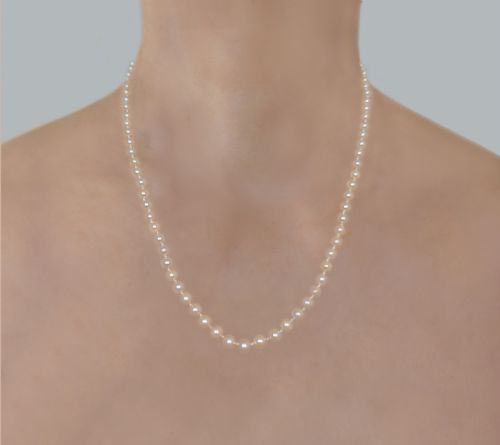
Pearl strands require gentle handling and should be stored flat to prevent stretching the silk thread. Avoid exposing them to perfumes, cosmetics, or ultrasonic cleaners.
Periodic restringing by a specialist ensures the silk remains strong and secure between each pearl, protecting the investment over decades of wear.
What is the difference between an Edwardian and Art Deco necklace?
Edwardian necklaces rely on platinum and yellow gold to create lace-like, floral, and garland motifs using softer gemstones and old cut diamonds. They emphasise delicate transparency and flowing lines.
Art Deco pieces shift toward geometric symmetry, bold colour contrasts with emeralds or sapphires, and streamlined white metal settings that reflect machine-age modernity.
Can these necklaces be worn every day?
Solid gold pendant necklaces handle daily wear well, provided the chain and settings are checked regularly by a jeweller. Platinum and gold withstand standard routines when treated with reasonable care.
Pearl strands and items with softer stones like opals need more mindful handling to protect the organic materials and delicate surfaces from knocks and chemicals.
How can I tell if the diamonds are antique?
Antique diamonds usually display old cut or rose cut facets shaped by hand rather than precise modern laser geometry. They often feature higher crowns, smaller tables, and distinctive open culets visible through a loupe.
These optical characteristics give the stones a deeper, warmer scintillation compared to brilliant cuts produced after the mid-twentieth century.