
Antique Gold Drop Pendant
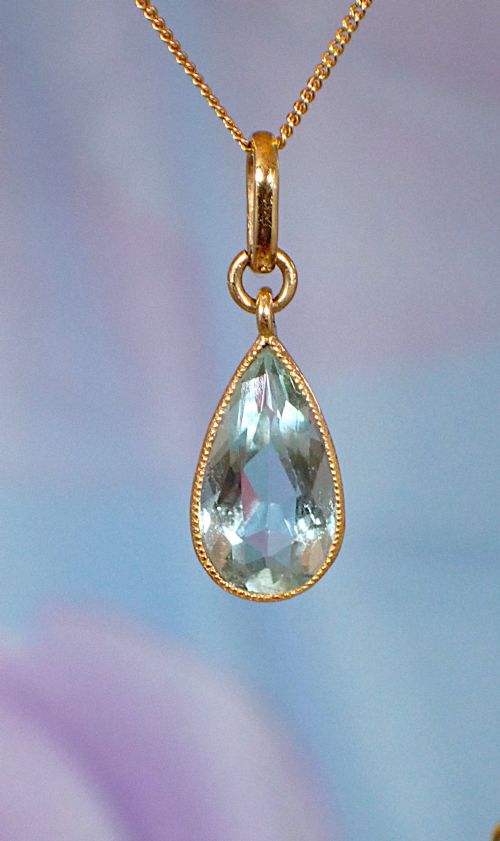
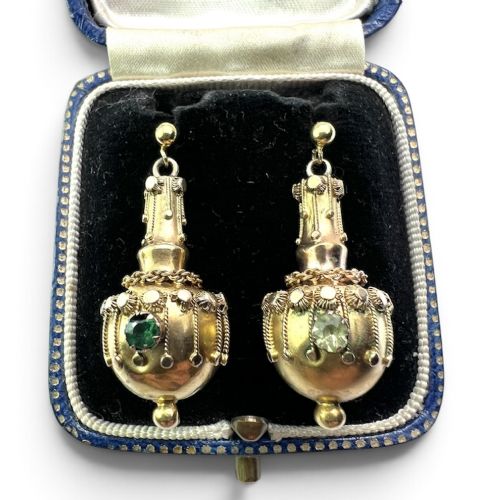
An antique gold drop pendant suspends delicate gemstones from a fine chain, offering timeless grace that draws the eye straight to the collarbone.
Defining the antique gold drop pendant
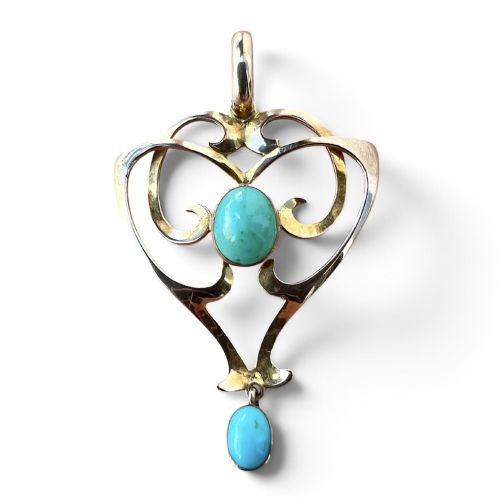
An antique gold drop pendant is a suspended piece of jewellery, featuring gemstones or precious metal work hanging below the main chain line. These pieces span Victorian and Edwardian eras, capturing the delicate craftsmanship of the late nineteenth and early twentieth centuries.
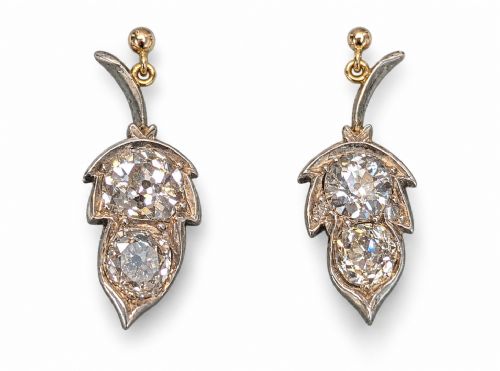
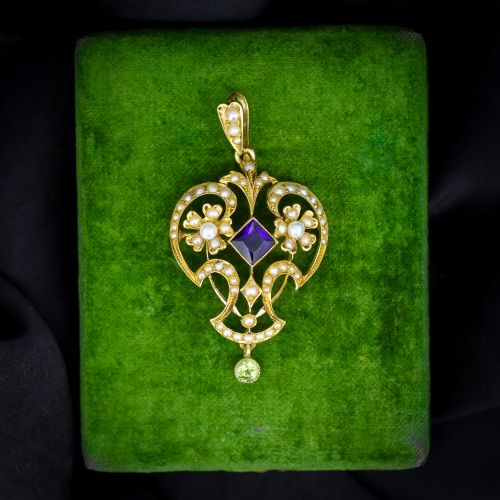
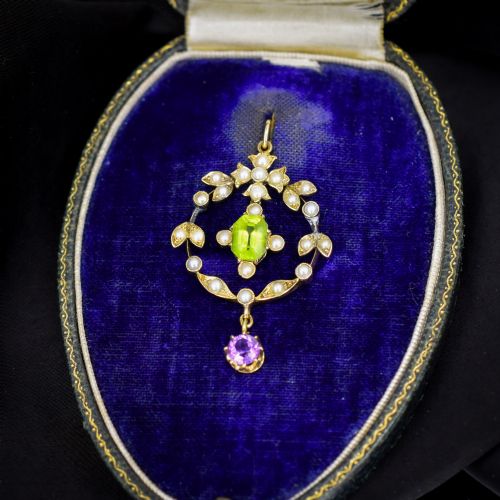
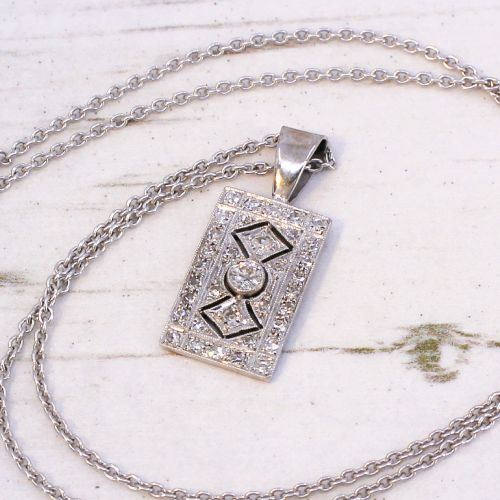
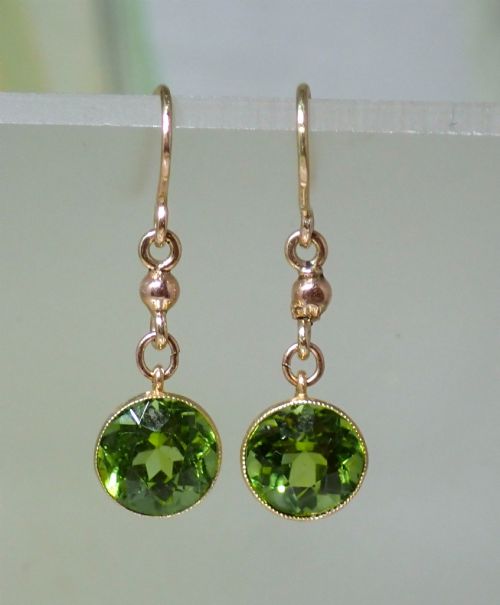
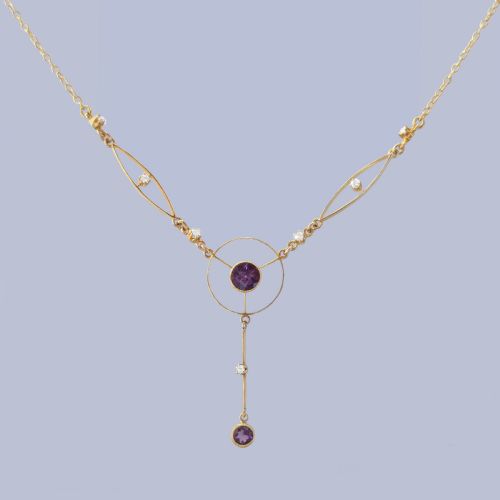
You will most frequently meet Edwardian examples on this page, often showcasing light-catching stones like aquamarine, sapphire, peridot, or pearl. The designs lean towards floral motifs, knife-edge bars, and vertical drops that elongate the neckline.
Materials and construction methods
Goldsmiths fashioned these drops using varying purities of yellow gold, notably nine carat, fifteen carat, and eighteen carat. Metalwork often combined gold with silver settings on the face to make diamonds and pearls pop against the dark of the workshop.
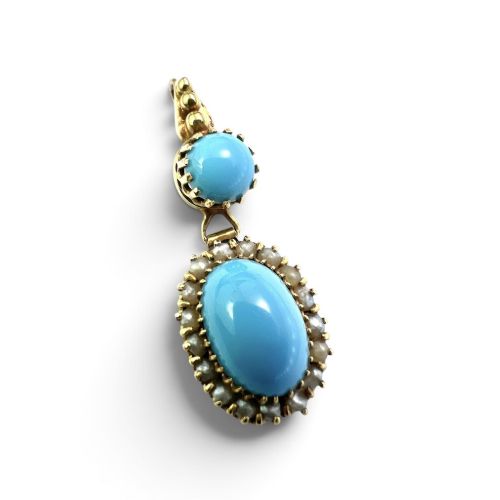
Craftsmen utilised techniques such as guilloche enamel, fine wirework, and bezel or grain settings for stones like moonstone, opal, and turquoise. Chains were constructed by hand or with early industrial machinery, producing slender links that complemented the dangling focal point.
Judging the range
The distinction between standard and superior pieces rests on the weight of the gold and the precision of the stone setting. Heavier fifteen or eighteen carat gold and well-matched, lively gemstones signal a piece made for a wealthier clientele.
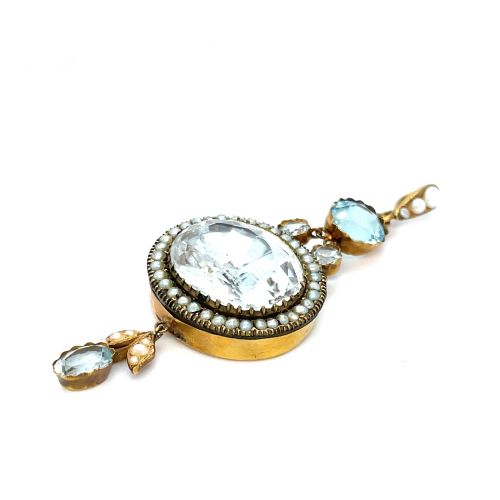
Design complexity also sets items apart, moving from simple single stone drops to elaborate articulated floral assemblies with multiple cultured pearls or faceted aquamarines. The crispness of engraving and the survival of the original chain influence the overall standing of the piece.
The Antique Gold Drop Pendant Glossary
- Guilloche
- An intricate mechanical engraving technique that etches precise geometric patterns into metal before translucent enamel is applied over the top. This layer allows the pattern underneath to catch the light from every angle.
- Knife-edge
- A slender bar of gold shaped like a knife blade, presenting a razor-thin profile from the front while retaining structural strength from the side. It was commonly used in Edwardian drops to make suspended stones appear weightless.
- Bezel setting
- A collar of precious metal that wraps around the outer edge of a gemstone to hold it securely in place. This method offers a smooth, clean outline compared to traditional claw prongs.
- Collet
- A small metal band or collar used to mount a gemstone before it is soldered onto the main body of the pendant. It provides a neat finished edge around the back or side of the stone.
Frequently Asked Questions
How do I care for my drop pendant?
Keep your gold pendant away from harsh household chemicals and ultrasonic cleaners, especially if it contains softer stones like opal or pearl. Store it flat in a lined box to prevent the fine chain from knotting and tangling.
Wipe the gold and gemstones gently with a soft, damp cloth after wearing to remove body oils and dust. Regular gentle cleaning preserves the lustre of both the metal and the delicate settings.
Can I wear these pendants every day?
While these pieces were built to last, their age means they require a gentler touch than modern jewellery. Solid gold holds up well, but delicate components like knife-edge bars or seed pearls need protection from heavy knocks.
Consider taking the pendant off before sleeping, swimming, or engaging in strenuous physical activity. Wearing them with care ensures these historical items survive for future generations to enjoy.
How do I tell Edwardian from Victorian pendants?
Victorian pieces often feature heavier gold work, darker enamel, and sentimental motifs like crosses or lockets. They tend to have a warmer, more robust presence with deeper yellow or rose gold tones.
Edwardian items embrace lighter aesthetics, featuring platinum or white gold accents, lacy openwork, and pastel gems like aquamarine and peridot. The focus shifted toward airiness and diamond-set garlands suspended on fine chains.
Are the chains original to the pendants?
Finding a pendant with its original matching chain is a delightful bonus, but many pieces survived the decades separated from their first mounts. Chains wear out faster than pendants because of constant friction at the clasp and neck.
When a period chain accompanies a pendant, it matches the gold carat and wear patterns of the drop. Replacements are often period-appropriate chains chosen to complement the weight and style of the main piece.