
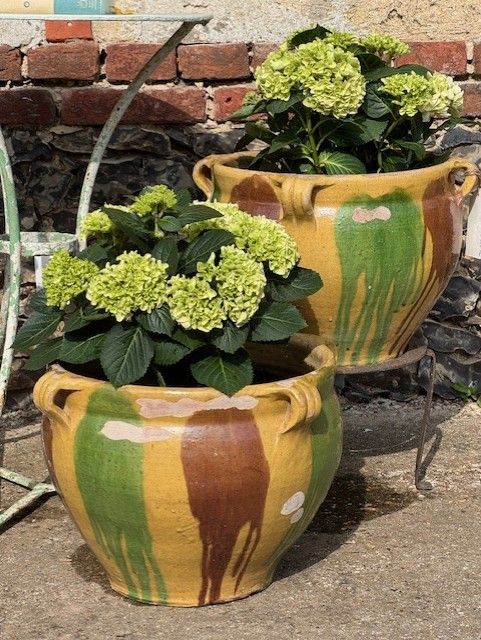


Vintage Glazed Earthenware Jars
These vintage glazed earthenware jars bring tactile warmth to interiors through diverse historical forms ranging from French confit pots to pharmacy drug jars.
Vintage Glazed Earthenware Jars
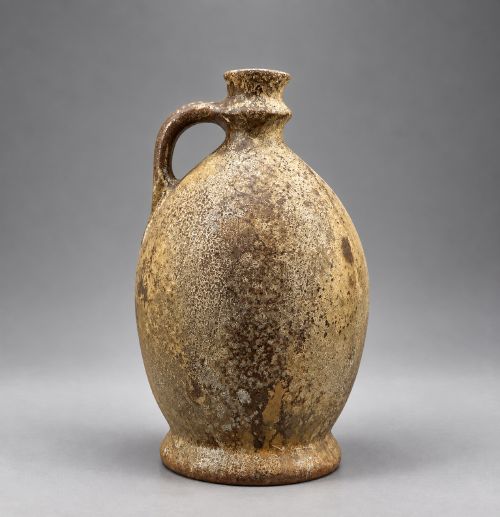
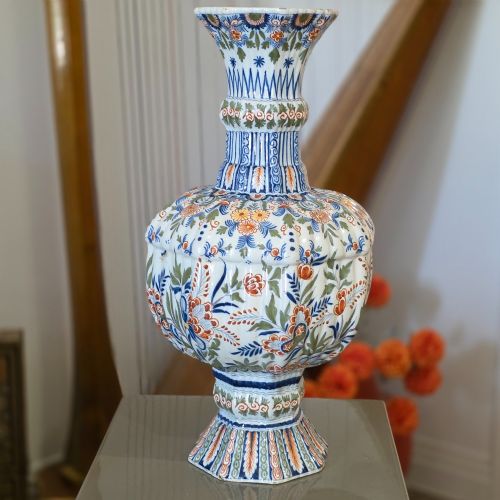
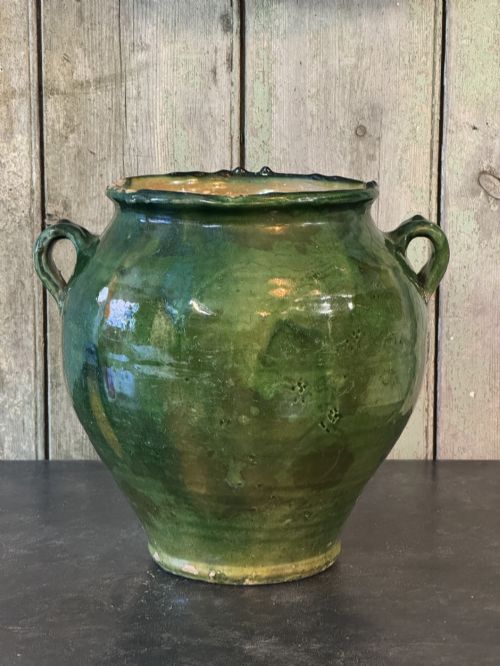
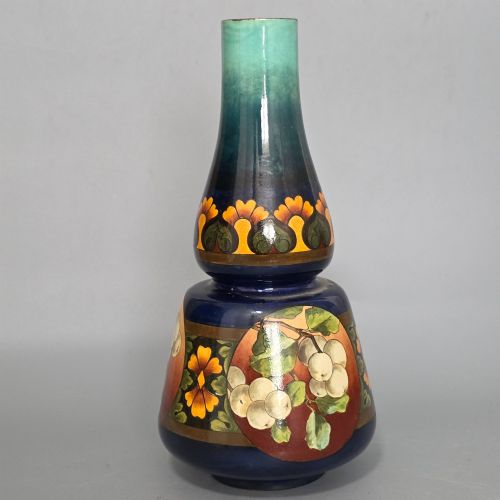
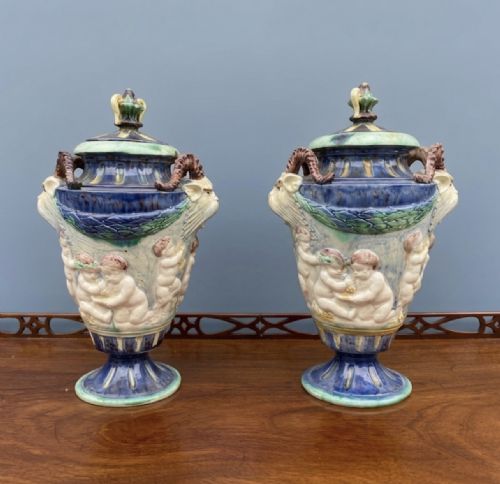
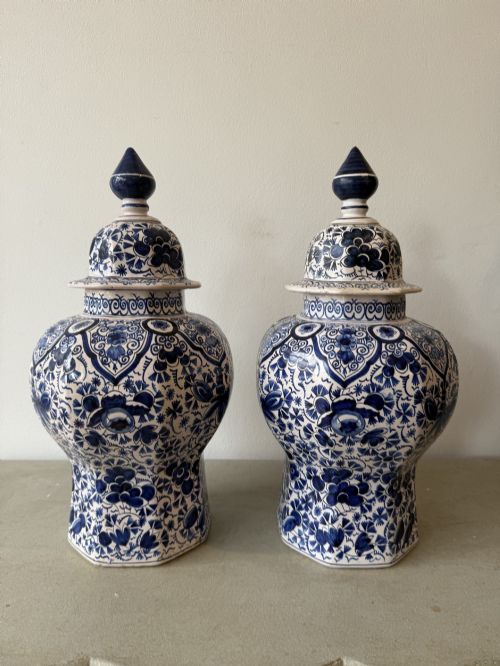
When you search for vintage glazed earthenware jars, you encounter a varied selection of utilitarian and decorative vessels spanning several centuries. The pieces on this page include French confit pots, Italian albarello pharmacy jars, and Dutch delftware vases that reflect domestic and apothecary traditions.
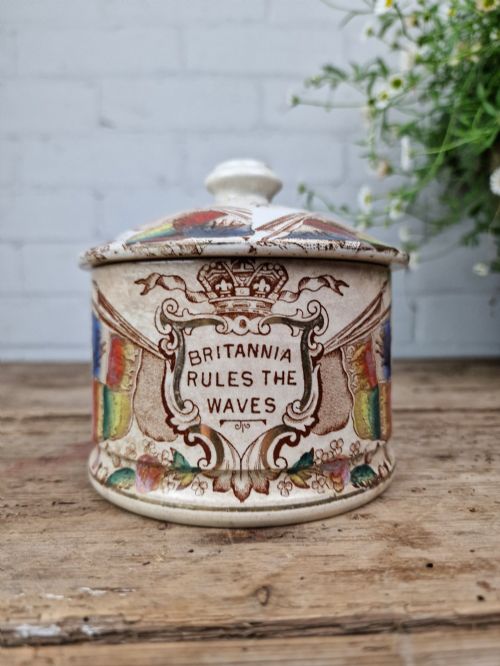
The assortment spans diverse forms such as lidded vases, olive jugs, walnut oil pots, and powder boxes. Nineteenth-century examples and eighteenth-century specimens dominate, alongside pieces from the Victorian era and the Art Deco period.
Origin points stretch across France, England, Italy, Japan, and the Netherlands. Buyers frequently find regional French earthenware alongside blue and white delftware and majolica urns.
How they were made
Potters shaped these vessels using earthenware and terracotta bodies, frequently applying tin glaze, lead glaze, or salt glaze to seal the porous clay. Surface decoration incorporates hand-painted pigments, polychrome designs, and drip glaze techniques applied before final firing.
Construction methods rely on traditional handmade techniques, resulting in varied wall thicknesses and distinct potting marks. Metal elements such as brass occasionally complement the ceramic bodies on lidded pieces and mounted vessels.
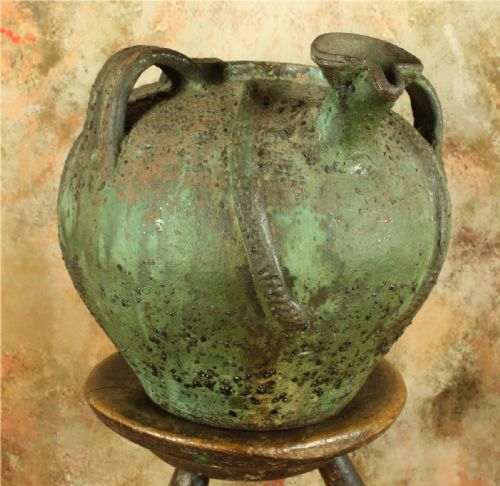
Several confit pots arrive with three handles because historical cooks needed extra grip when lifting heavy batches of preserved duck fat.
What varies in quality
Quality reveals itself in the control of the glaze and the precision of the hand-painted decoration. Controlled brushwork on delftware and majolica elevates an object above simpler utilitarian production wares.
The integrity of the earthenware body and the consistency of historical glazes dictate the overall standard of a piece. Finer examples retain their original lids and display harmonious proportions across large scales.
Alice Euphemia Thatcher·Gallilleo Chini for Mugello·Tokyo Taizan·Charlotte Rhead
The Vintage Glazed Earthenware Jars Glossary
- Albarello
- A cylindrical apothecary jar used for holding medicinal drugs and ointments. These drug jars originate primarily from Italian and European pharmacies.
- Confit pot
- A traditional French earthenware pot featuring handles and a glazed interior, originally designed for preserving and storing food. Olive oil and confit pots display regional variations in lead glazing.
- Delftware
- Tin-glazed earthenware produced in the Netherlands and England, typically decorated with blue and white designs. This ceramic tradition often mimics imported porcelain styles.
- Majolica
- Tin-glazed earthenware adorned with colourful metallic oxide glazes. Italian and European makers utilised this technique for decorative urns and apothecary vessels.
- Terracotta
- Unglazed or glazed fired clay possessing a brownish-red colour. Potters frequently utilised this material for confit jars and garden planters.
Vintage Glazed Earthenware Jars: Frequently Asked Questions
How were vintage glazed earthenware jars used?
These vessels served practical storage roles in domestic kitchens and apothecary shops. Confit pots held preserved meats and oils, while albarello jars stored dry drugs and medicinal mixtures.
Over time, many utilitarian containers transitioned into decorative interior objects. Today they function primarily as vases, planters, and focal display pieces.
How do I identify eighteenth-century pieces?
Eighteenth-century examples often display tin-glazed surfaces with hand-painted blue and white motifs characteristic of Dutch delftware and Italian majolica. Forms like the albarello and tobacco jar show specific historical potting traits.
Examining the base and interior glaze reveals period-specific manufacturing signatures. The weight and thickness of the earthenware body also guide proper dating.
How should I clean glazed earthenware?
Clean these antique vessels gently using a soft, dry cloth to remove surface dust. Avoid harsh chemical detergents that can damage historical glazes and exposed clay bodies.
If washing is necessary for interior maintenance, use lukewarm water and mild soap without soaking the piece. Ensure the ceramic dries completely before display.