


Rustic Terracotta Confit Pots
Rustic terracotta confit pots are heavy, earthenware vessels made in France for storage, and you buy them to bring earthy texture into a room.
Rustic Terracotta Confit Pots
Rustic terracotta confit pots are traditional French vessels designed primarily for preserving food and holding oils. When you search for rustic terracotta confit pots, you encounter forms ranging from storage jars and olive jugs to large glazed bowls and confit jars.
The pieces appearing on this page date from the eighteenth century through to the early twentieth century, spanning periods like eighteen ninety and nineteen hundred. Most examples originate from French provincial workshops, reflecting distinct regional utilitarian traditions.
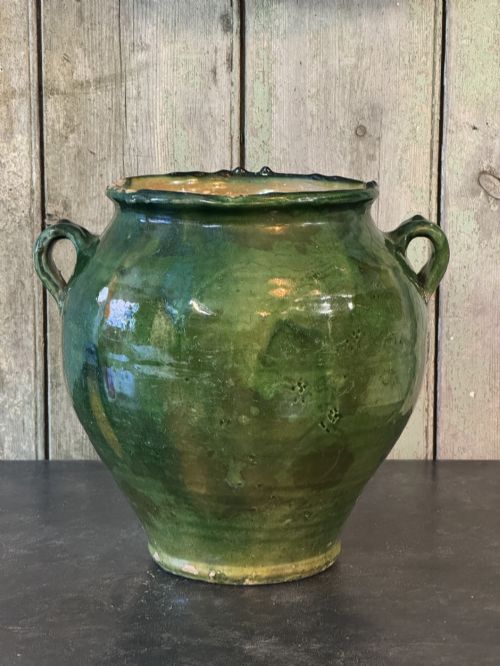
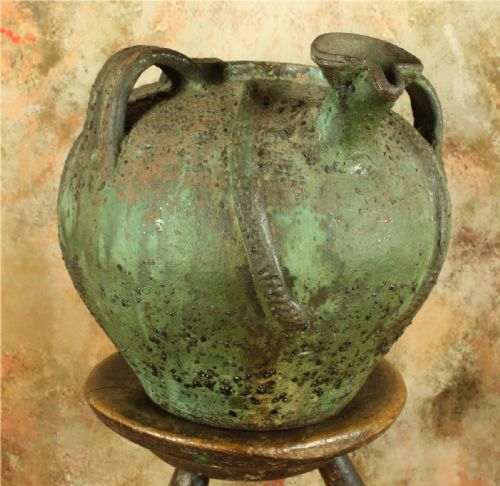
Common variations include pieces with single or multiple handles, green glaze, and aged patinas. These vessels function today as decorative objects and urns within interiors favouring a French country aesthetic.
How they were made
Makers shaped these vessels from clay and earthenware using traditional handmade techniques. The resulting bodies possess the weight and irregular surfaces characteristic of utilitarian pottery.
Many pots feature applied handles and partial or full glazes, particularly in green tones. These surface treatments served to seal the porous terracotta for practical domestic storage.
The listings here cover materials including terracotta, earthenware, and glazed ceramic across the eighteenth and nineteenth centuries.
What varies in quality
Quality in these pots rests upon the depth of the glaze, the integrity of the handles, and the character of the aged patina. Earlier eighteenth-century pieces often display distinct handling marks that separate them from later production.
The balance of the form and the survival of the original surface finish determine the visual strength of each vessel. Variations in the terracotta body show the individual hand of the maker rather than standardised factory output.
The Rustic Terracotta Confit Pots Glossary
- Confit pot
- A traditional French earthenware vessel used originally for storing preserved meats and other foods. These pots typically feature one or two handles and partial glazing.
- Terracotta
- A porous, fired clay body ranging in colour from red to brown. It forms the structural base for most provincial French storage vessels.
- Glaze
- A vitreous layer applied to pottery before firing to seal the porous clay body. Green glazes appear frequently on provincial French pieces.
- Patina
- The surface sheen and weathering developed on an object through age and use. An aged patina adds visual depth to antique terracotta.
- Biot jar
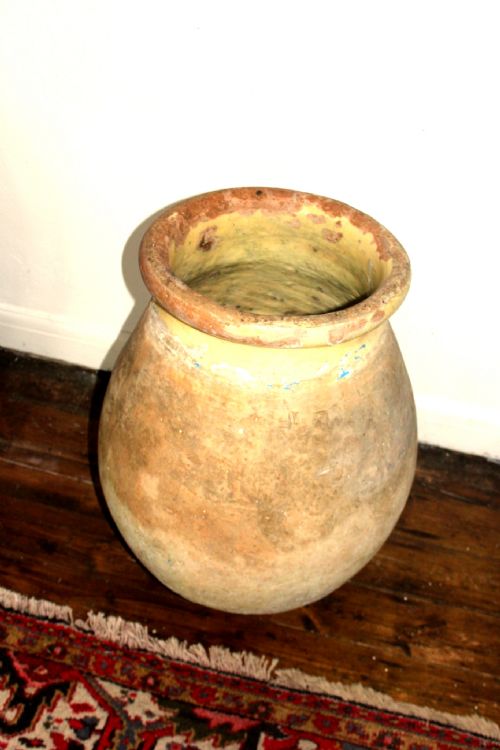
- A specific type of large terracotta storage vessel originating from the French town of Biot. These heavy jars were utilised for olive oil and grain.
Rustic Terracotta Confit Pots: Frequently Asked Questions
What were confit pots used for?
These pots were used in rural French kitchens to store and preserve meats, particularly duck or pork, sealed beneath a layer of fat. They also held household provisions such as olive oil and grain.
Their thick earthenware walls helped maintain a stable internal temperature for the food stored within.
How do I date an old confit pot?
Dating relies on examining the weight of the clay, the characteristics of the glaze, and the form of the handles. Eighteenth-century examples often show different potting marks compared to those made around nineteen hundred.
Evidence from styles such as French provincial and French country further helps place the vessel in its correct era.
Are these pots waterproof?
Fully glazed pots hold water well, but unglazed or partially glazed terracotta remains porous to some degree. You should use a liner if placing fresh flowers inside an antique pot.
Moisture can seep through unsealed clay over time and mark wooden surfaces.
How should I clean a terracotta pot?
Dust the surface gently with a dry or slightly damp cloth to preserve the aged patina. Avoid harsh detergents that can strip the historic glaze or dry out the clay.
Let the vessel dry thoroughly if it absorbs any moisture during cleaning.