

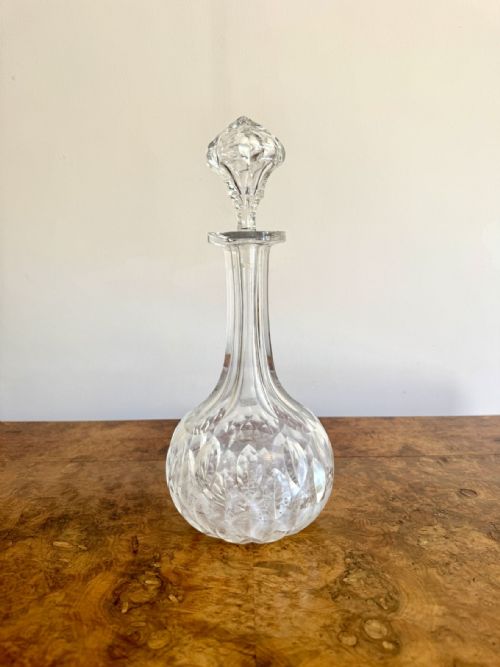
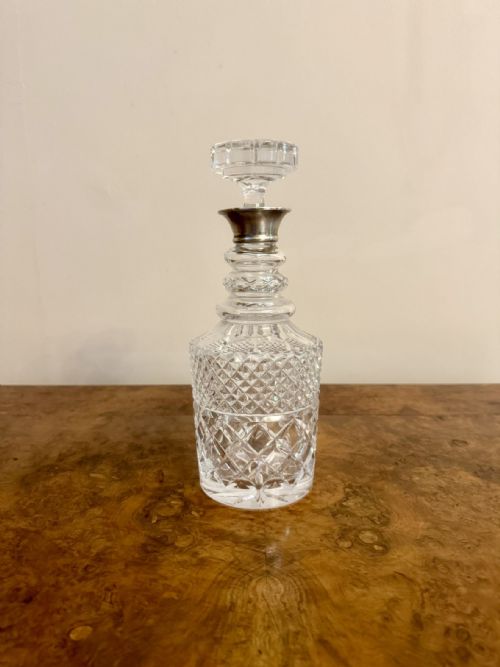
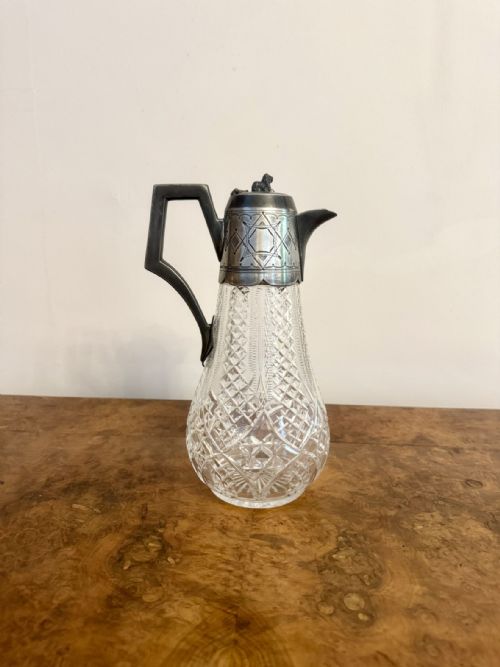
Vintage Glass Wine Decanter
A vintage glass wine decanter brings practical elegance to the table, combining period craftsmanship with functional serving for your preferred vintage.
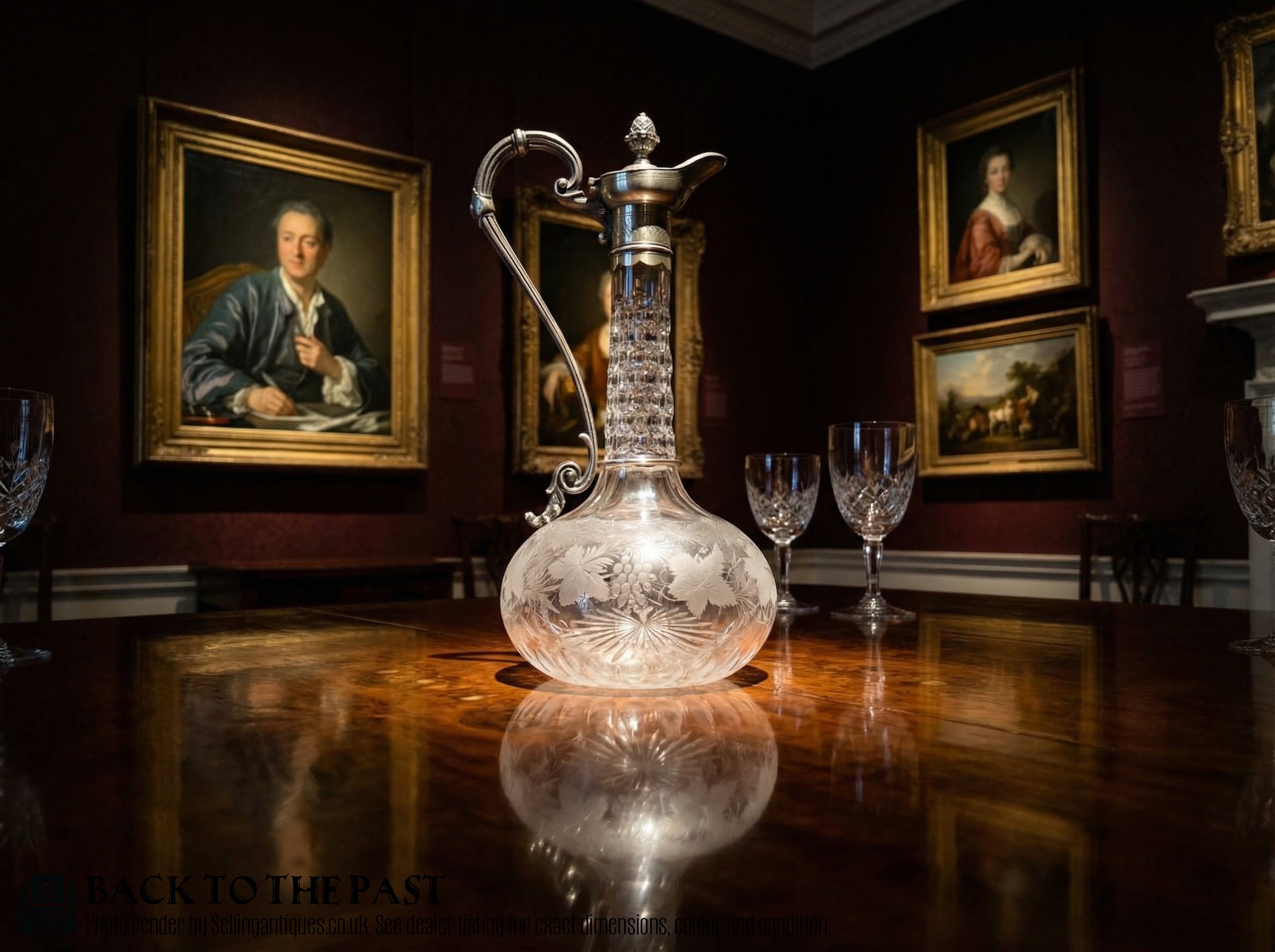
Vintage Glass Wine Decanter
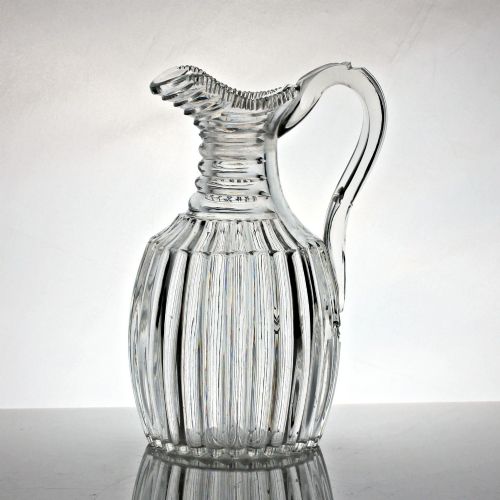
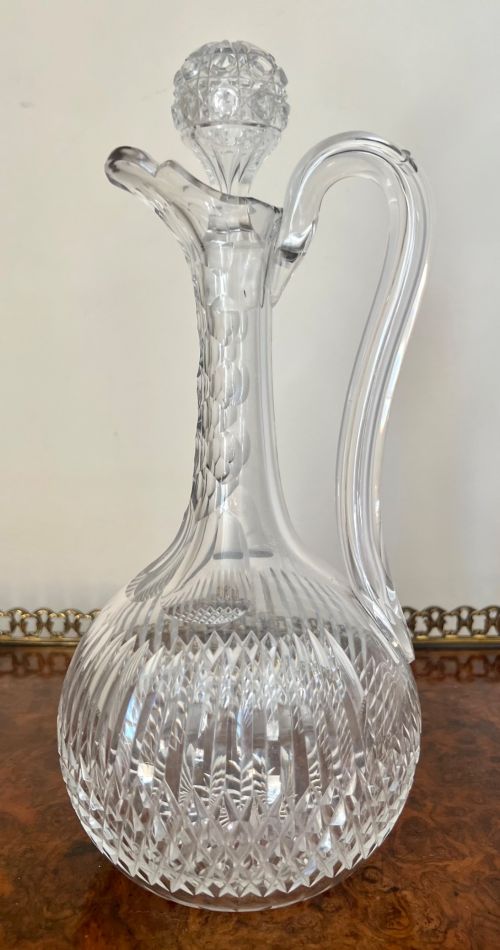
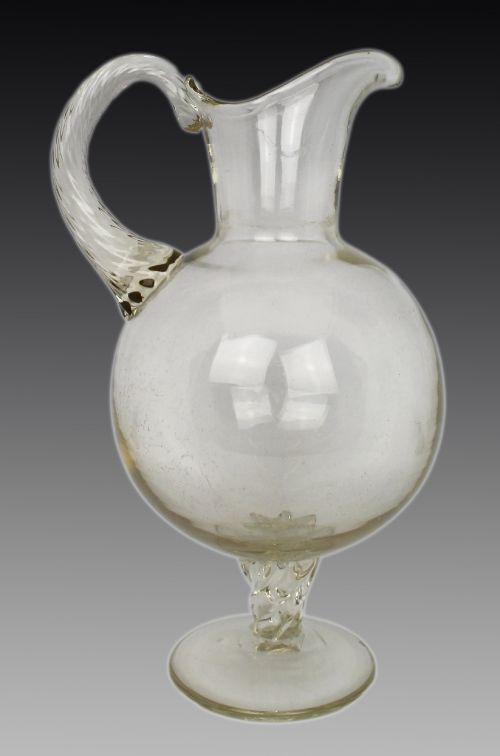
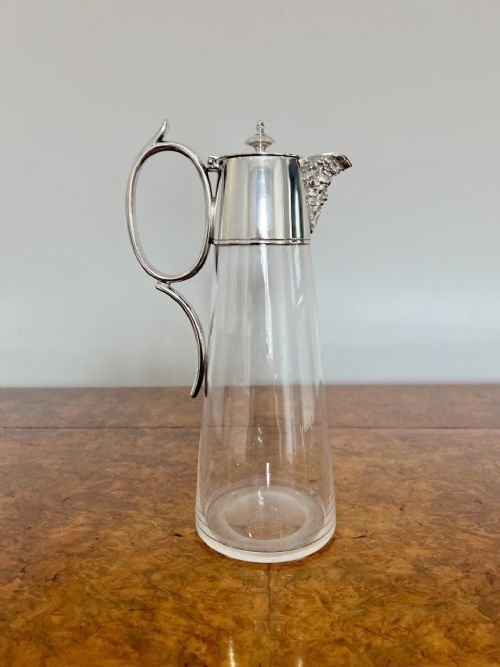
A vintage glass wine decanter serves as both a functional vessel and a decorative table piece, frequently originating from Victorian, Edwardian, and early twentieth-century periods. These items encompass various forms such as claret jugs, ewers, and carafes alongside traditional decanter shapes.
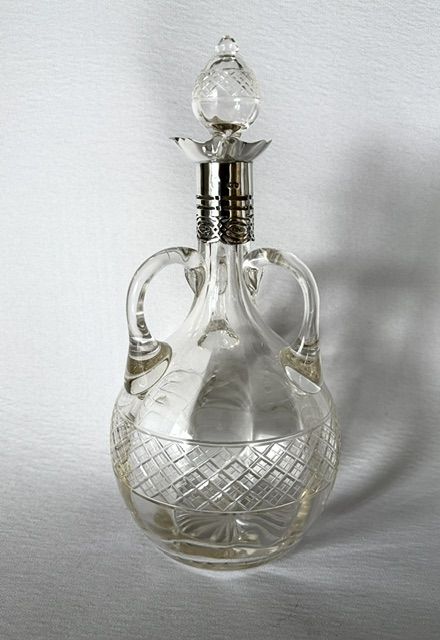
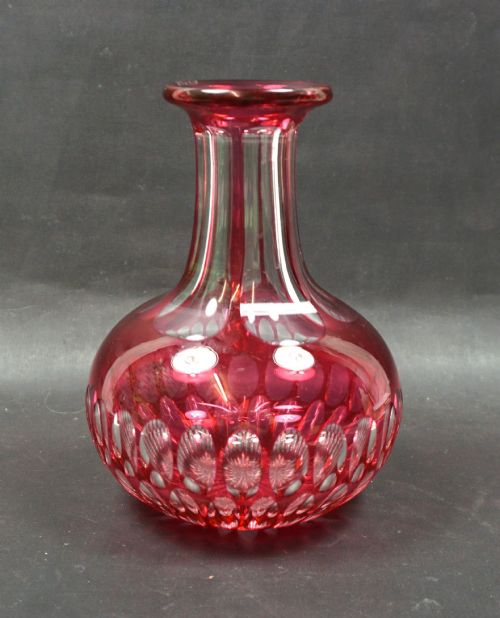
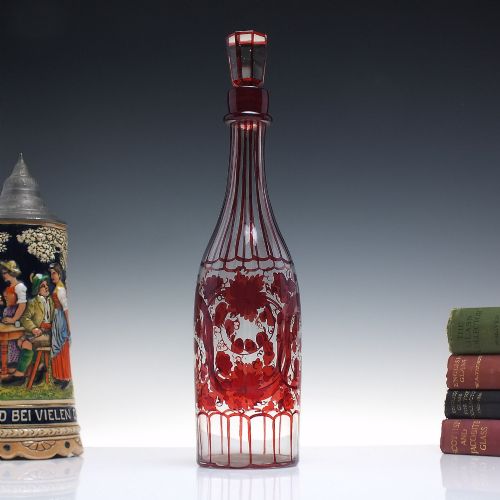
The selections on this page demonstrate origins spanning English, Irish, Bohemian, and continental workshops, with Edwardian and Victorian examples appearing most frequently. Buyers encounter vessels formed from clear glass, coloured crystal, and mounted with sterling silver or silver plate collars.
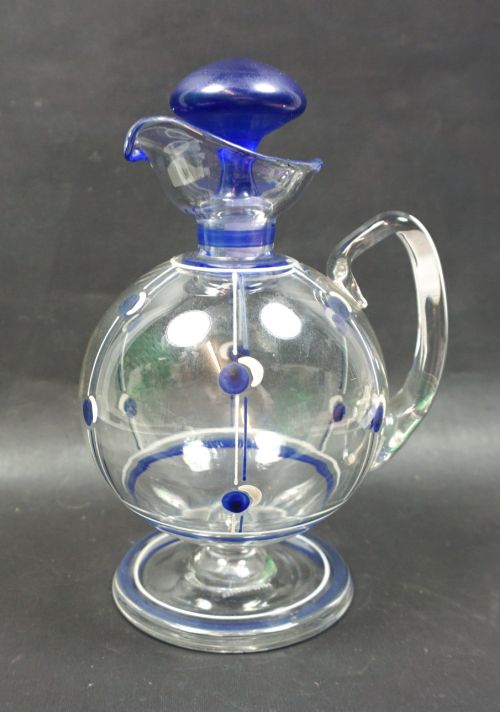
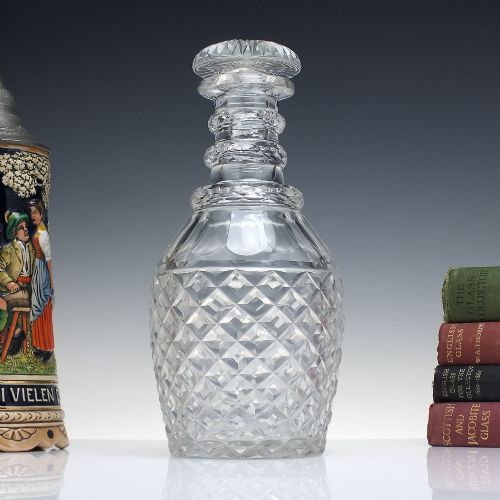
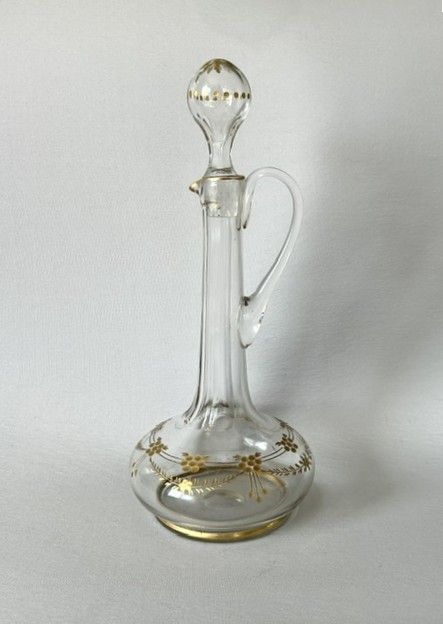
Many specimens incorporate decorative elements including hand-painting, enamel decoration, gilding, and intaglio engraving. Forms range from straightforward bell shapes to elaborate pillar and prism cut designs intended for formal dining.

Materials and production techniques
Makers utilised lead crystal and heavy clear glass blown into moulds or shaped by hand, then cooled and annealed before surface work. Hand-blown pieces often display subtle irregularities and pontil marks on their bases.
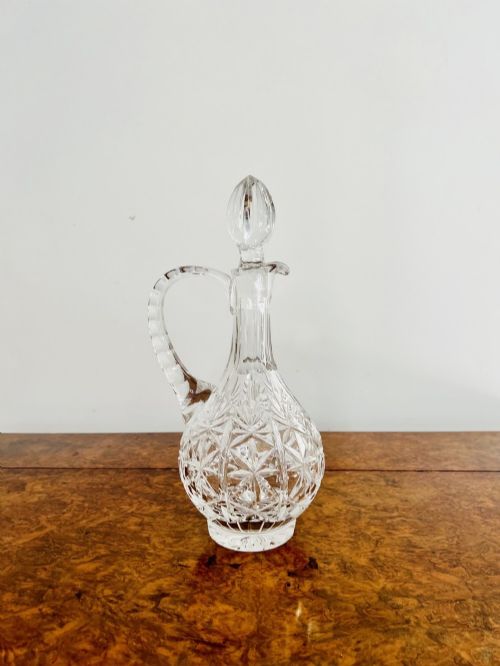
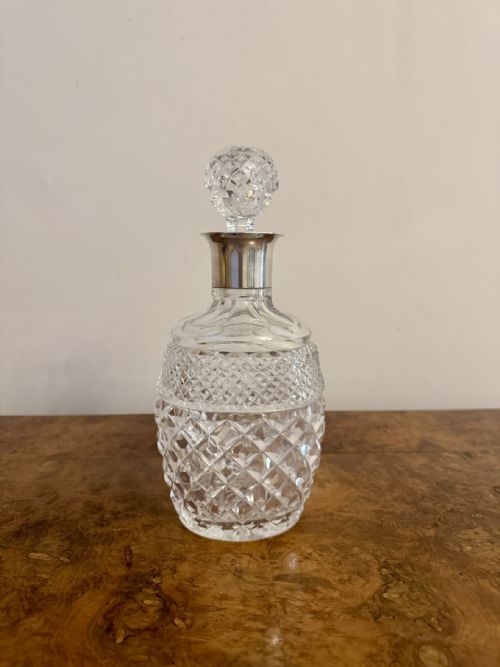
Cut glass and cut crystal vessels received their patterns through wheel-cutting, where artisans pressed the glass against rotating abrasive wheels to create facets, pillars, and prism effects that catch the light. Engraved and intaglio decoration required finer wheel points to carve delicate floral or geometric motifs directly into the surface.
Metal mounts, collars, and hinged handles in sterling silver or silver plate were secured to the glass necks, sometimes incorporating elaborate spouts and thumbpieces for pouring.
Listings feature periods spanning from the Victorian and Edwardian eras through to the 1930s Art Deco movement.
Distinctions in quality and execution
Clarity and weight set finer pieces apart, with high-lead crystal offering greater brilliance and resonance than standard soda-lime glass. The precision and depth of the wheel-cut facets reveal the skill of the cutter, where sharper edges and symmetrical patterns denote superior workmanship.
The integration between the glass body and metal mounts demonstrates overall quality, as securely fitted silver collars and well-balanced handles indicate careful manufacturing. Surface ornamentation such as enamel work, gilding, or hand-painting retains greater crispness on pieces produced by established glasshouses.
Rene Lalique·Stevens and Williams·Webb Corbett
The Vintage Glass Wine Decanter Glossary
- Claret jug
- A specialised serving vessel with a handle and pourer, specifically designed for serving red wine. These pieces frequently feature silver-plated or sterling silver mounts.
- Lead crystal
- Glass containing a high percentage of lead oxide, which increases weight, brilliance, and refractive index. This material allows for deeper and sharper cutting.
- Intaglio
- A technique where patterns are carved into the surface of the glass rather than raised in relief. The design appears sunken into the material.
- Pontil mark
- A rough scar left on the base of a hand-blown glass object where the pontil rod was attached during manufacture. Its presence indicates traditional hand-blown production.
- Prism cut
- A linear facet-cutting style that refracts light into spectral colours. It is frequently found on nineteenth-century decanter necks and bodies.
Vintage Glass Wine Decanter: Frequently Asked Questions
Are these decanters suitable for everyday use?
Most pieces function adequately for serving wine, provided the glass and internal condition remain sound. Hand washing is essential to preserve decorative gilding, enamel, and metal mounts.
Inspect the interior for any persistent residue or cloudiness before serving beverages. Silver-plated collars require occasional polishing with appropriate silver care products.
How can I date a glass decanter?
Examine the base for pontil marks, wear patterns, and manufacturing characteristics typical of specific decades. The style of the cutting, the shape of the neck, and the design of any silver mounts provide reliable chronological indicators.
Maker marks stamped onto silver collars offer precise manufacturing dates when traceable to hallmarking records. Victorian and Edwardian examples often display distinct stylistic motifs characteristic of their eras.
What is the difference between crystal and glass?
Crystal contains lead oxide, which makes the material heavier, softer, and more capable of refracting light than standard glass. This composition permits deeper and more intricate cutting without fracturing the material.
Plain glass lacks lead content, resulting in lighter weight and less optical dispersion. Antique crystal pieces typically produce a clear ringing sound when gently tapped.