

Vintage Glass Flutes
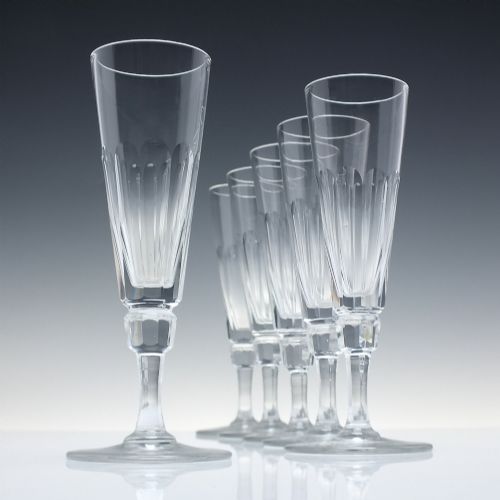
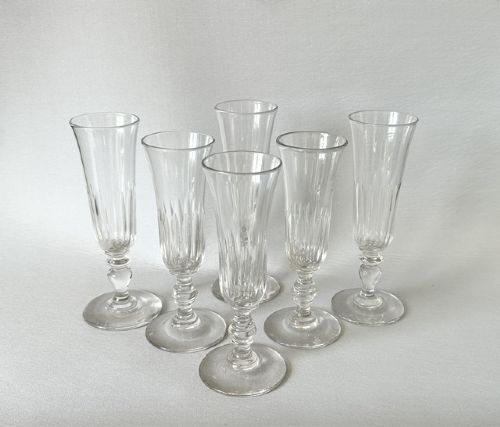
When you search for vintage glass flutes, you encounter tall, slender drinking vessels and kindred tableware crafted to hold champagne and ale.
Vintage Glass Flutes
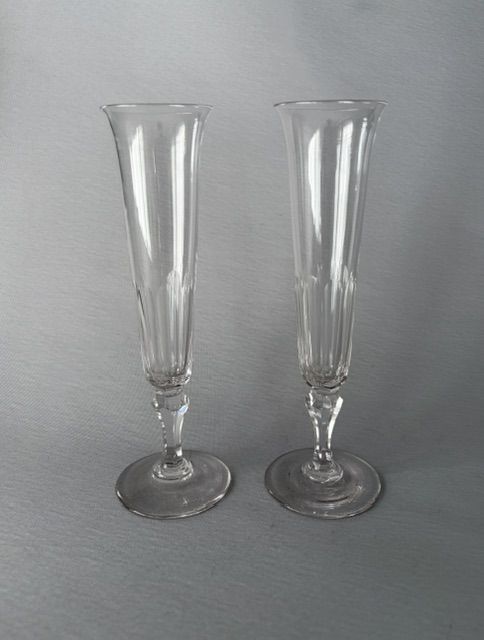
Vintage glass flutes represent tall, slender vessels designed primarily for champagne and ale, appearing across periods from the eighteenth century through to the Art Deco era.
The buyer most frequently meets Victorian and Georgian examples, alongside pieces from the Edwardian period and the early twentieth century.
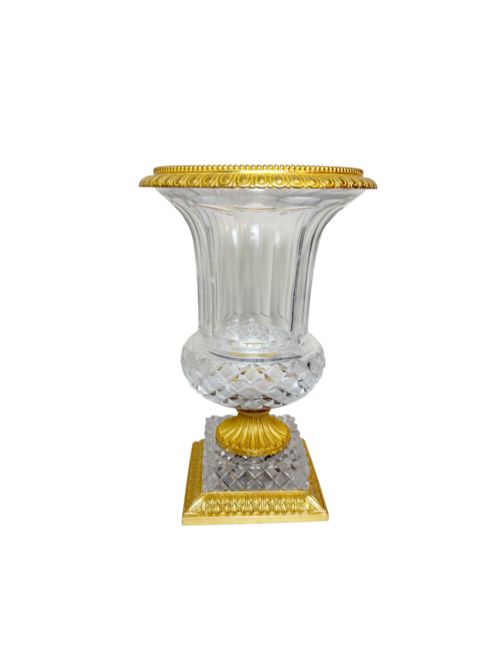
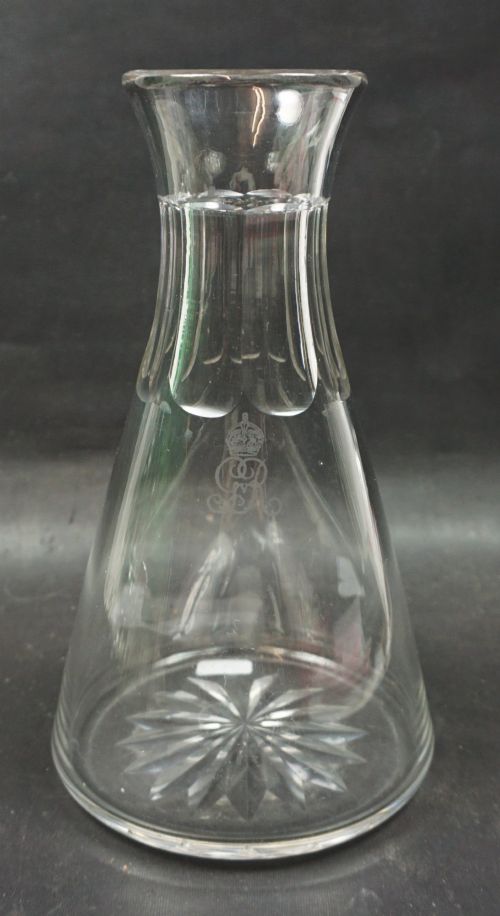
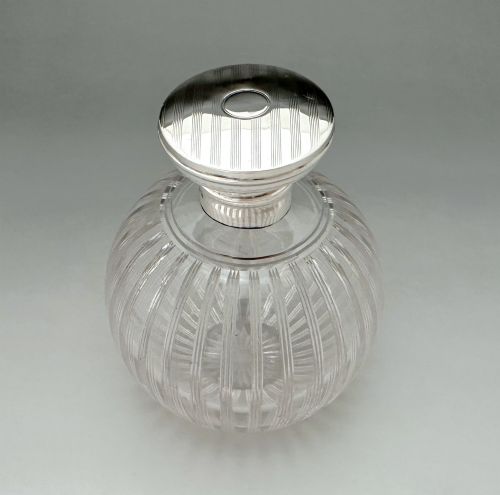
While the search targets flutes, the wider category encompasses related glassware such as ale glasses, decanters, carafes, rummers, and vases sharing similar materials.
Materials and methods
Makers utilised lead glass, lead crystal, and plain glass, shaping them through cutting, engraving, and moulding techniques.
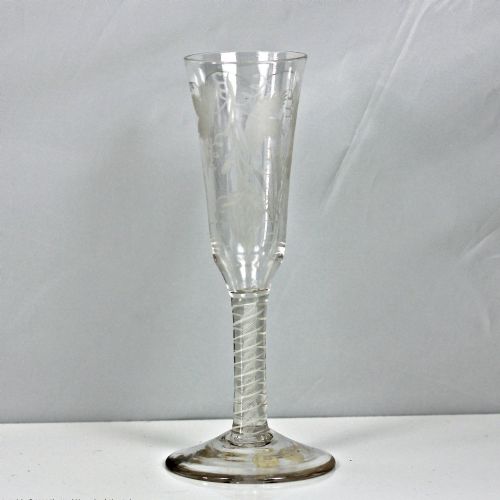
Earlier Georgian items frequently display intricate twists within the stem, whilst later Victorian and Edwardian examples lean towards cut glass patterns.
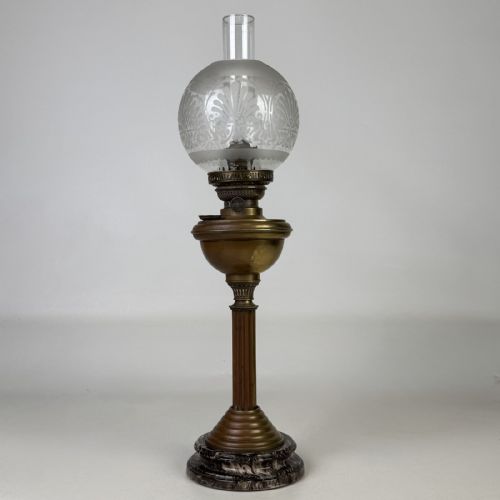
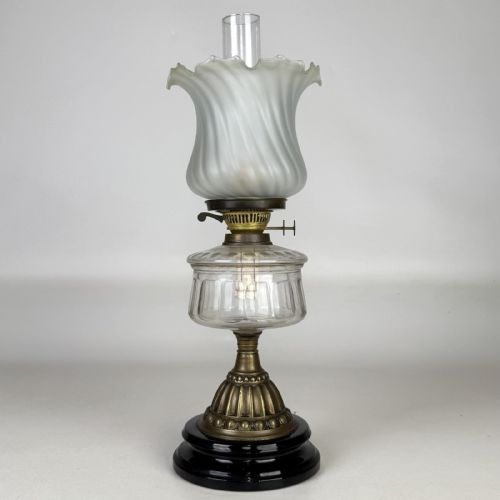
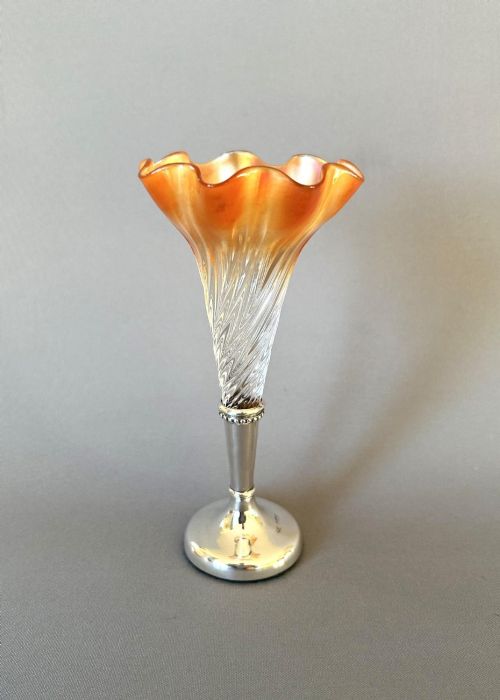
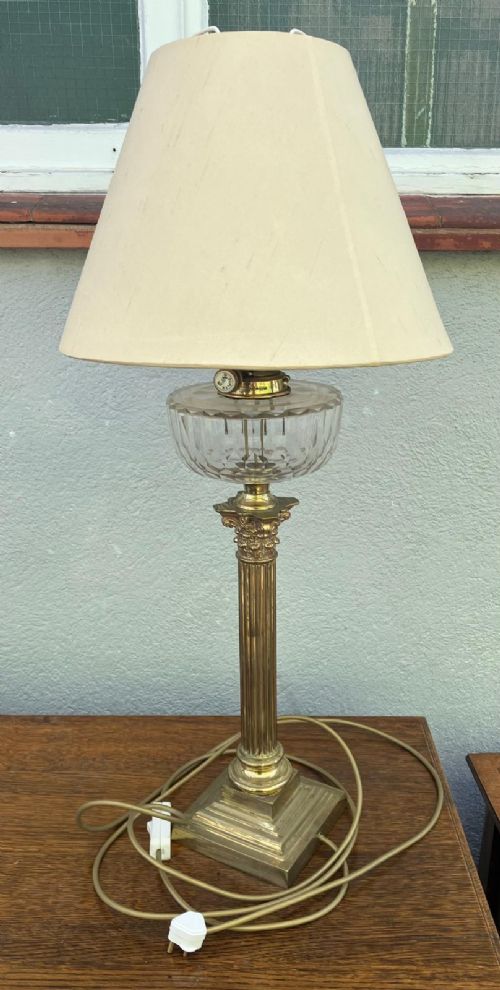
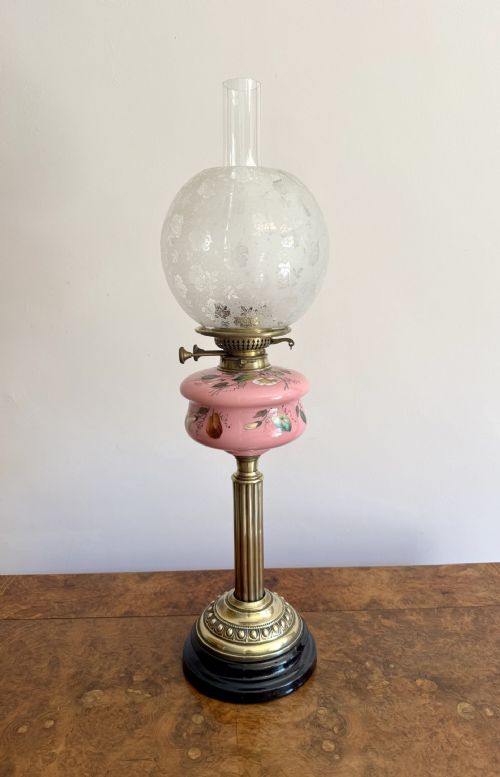
Secondary elements involve brass, silver, and ceramic mounts, particularly on mounted bottles or accompanying table lamps.
Vintage Glass Flutes Retail Price Guide 2026
Typical asking prices for vintage glass flutes among the pieces listed under this phrase on Sellingantiques today, from the lower quarter to the upper quarter. They describe what is for sale here now, not the wider market.
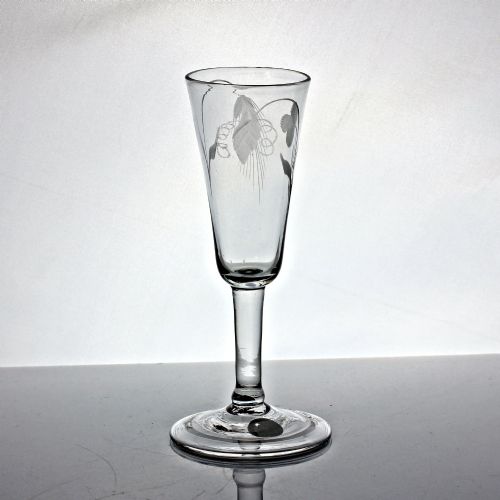
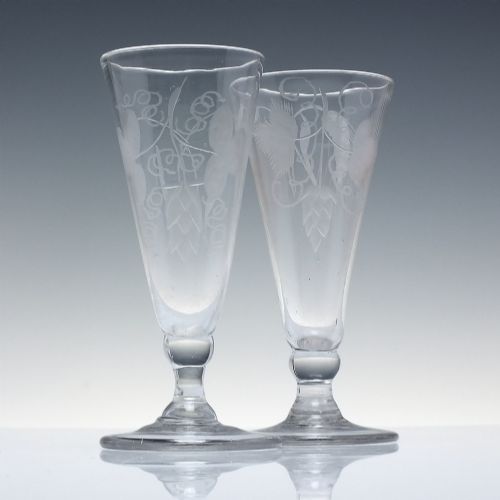
Some Georgian glasses were specifically engraved with hops and barley to encourage hearty tavern toasts.
Assessing quality and finish
Quality rests upon the clarity of the metal, the precision of wheel-cut facets, and the delicacy of engraved motifs such as hop and barley.
The weight of the material and the stability of the foot separate everyday utilitarian glassware from finer cabinet pieces.
Proportion and symmetry in the stem and bowl dictate the visual success of the vessel.
Rene Lalique
The Vintage Glass Flutes Glossary
- Lead glass
- Glass containing lead oxide to increase brilliance, weight, and resonance. This material permits deeper cutting and sharper facets.
- Air twist
- A decorative spiral of elongated air bubbles trapped inside the stem of a drinking glass. It results from drawing and twisting a heated glass rod.
- Opaque twist
- A white or coloured enamel glass rod enclosed within the stem of a glass. These twists are typical of mid-eighteenth-century English drinking vessels.
- Folded foot
- A rim turned under the base of a glass to provide extra stability and a smooth edge. This technique is common on Georgian ale glasses.
Vintage Glass Flutes: Frequently Asked Questions
What are vintage glass flutes used for?
These tall vessels serve champagne, sparkling wine, and historic ales. Their narrow shape preserves carbonation and concentrates aromas towards the rim.
Collectors often display them within cabinets or utilise them for formal dining on special occasions.
How do I tell Georgian flutes apart from Victorian ones?
Georgian examples frequently exhibit air or opaque twists in the stem, hand-engraved hop details, and folded feet. They feel lighter and display softer lead metal.
Victorian pieces lean towards deeper machine-cut facets, heavier proportions, and matched sets rather than individual commemorative items.
Are these glasses safe to use today?
Most vintage drinking vessels remain structurally sound for gentle use. Hand washing in warm water preserves the historic glass and prevents thermal shock.
Avoid dishwashers and harsh detergents to protect the surface polish and engraved details over time.
How should I clean delicate antique glass?
Wash pieces individually in lukewarm water using mild soap and a soft cloth. Submerging them carefully prevents accidental knocks against the sink basin.
Allow them to air dry upside down on a linen cloth to avoid water spots on the bowl.