



Vintage Glass Flower Vessel
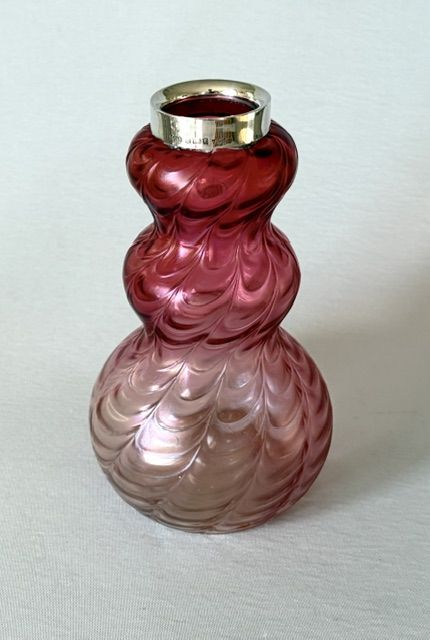
A vintage glass flower vessel brings expressive colour and form to a room, ranging from moulded Art Deco shapes to iridescent Art Nouveau curves.
Vintage Glass Flower Vessel
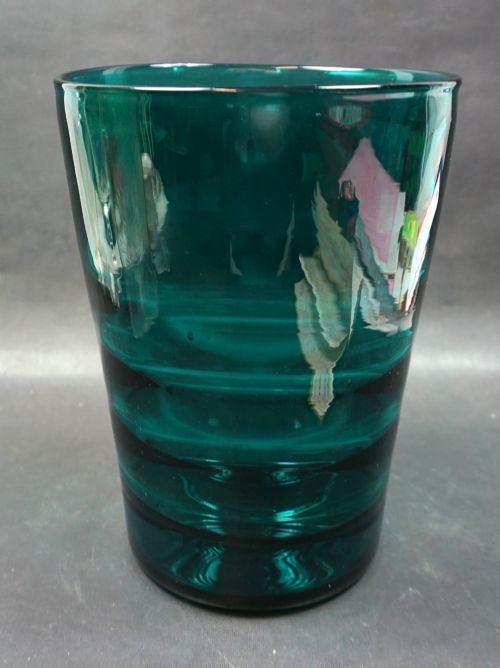
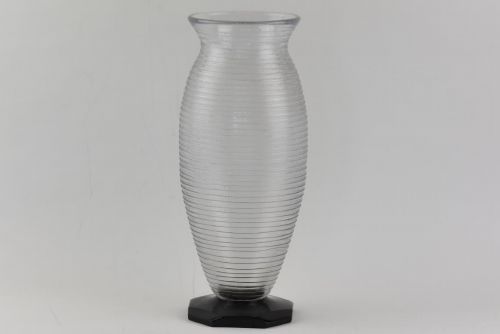
A vintage glass flower vessel covers a diverse range of decorative forms originating from the Victorian period through to the mid-twentieth century. Buyers searching this phrase will find a strong representation of 1930s Art Deco pieces alongside earlier Victorian, Edwardian, and Art Nouveau examples.
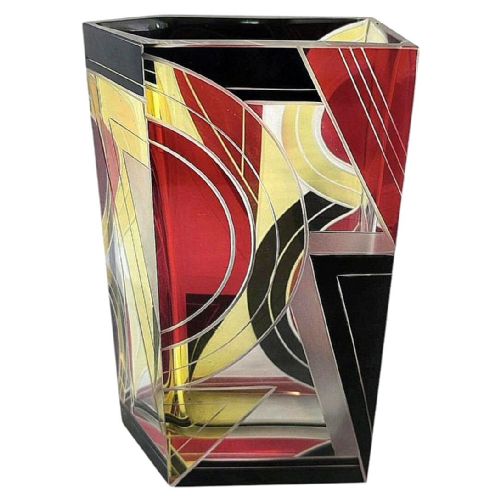
The primary forms on this page include tall geometric vases, posy vases, and centrepieces. Originating from workshops across Britain, France, Belgium, and Bohemia, these items reflect the shifting design priorities of European glassmakers over several decades.
Materials and methods
Makers utilised various glass types including clear crystal, frosted, opalescent, and overlaid glass, often combining mould-blowing with hand-finishing. Techniques such as acid-etching, cameo cutting, wheel engraving, and enamel decoration created complex surface patterns and textures.
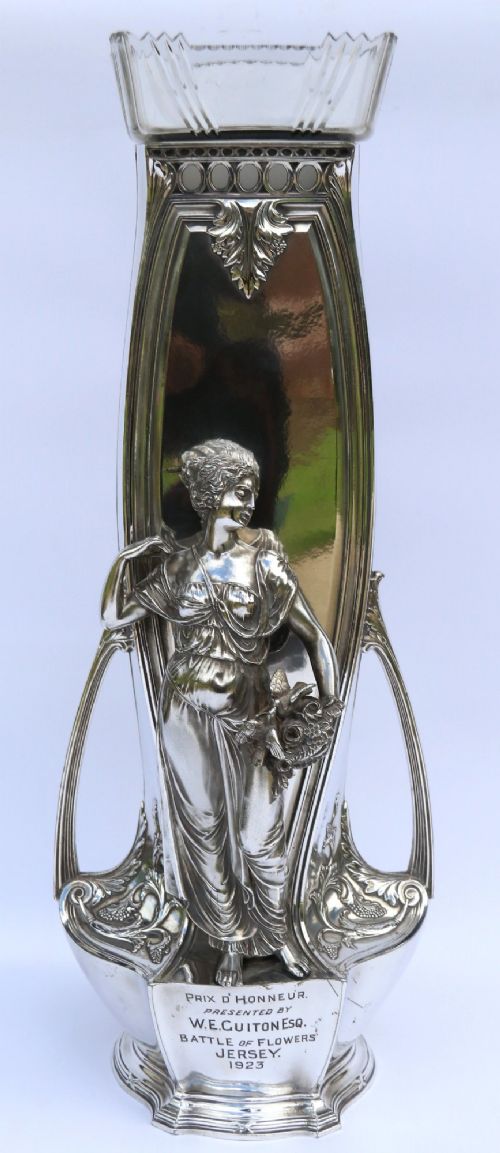
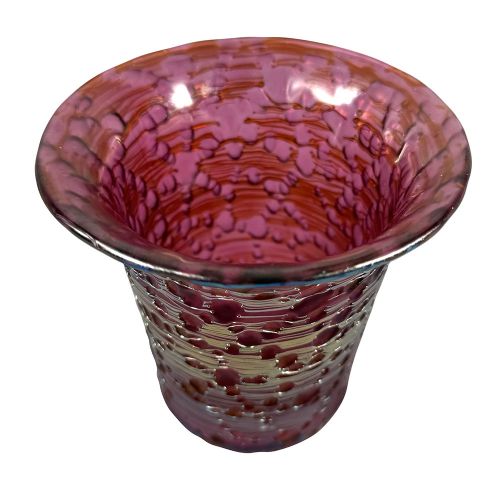
Mounts in sterling silver or silver plate appear on specific pieces, linking glass bodies to metalwork craftsmanship. The application of metallic oxides produced distinct iridescent finishes seen on pieces from the turn of the twentieth century.
Vintage Glass Flower Vessel Retail Price Guide 2026
Typical asking prices for vintage glass flower vessel among the pieces listed under this phrase on Sellingantiques today, from the lower quarter to the upper quarter. They describe what is for sale here now, not the wider market.
Philosopher Socrates makes an unexpected cameo appearance engraved on one English glass vase.
Assessing quality
Quality rests upon the precision of the glass cutting, the depth and clarity of moulded relief, and the control shown in enamel or etched decoration. Works from established glasshouses and named designers demonstrate superior handling of colour contrast and optical effects.
The integration of precious metal mounts or complex layered glass techniques distinguishes standard production items from more ambitious studio and factory outputs.
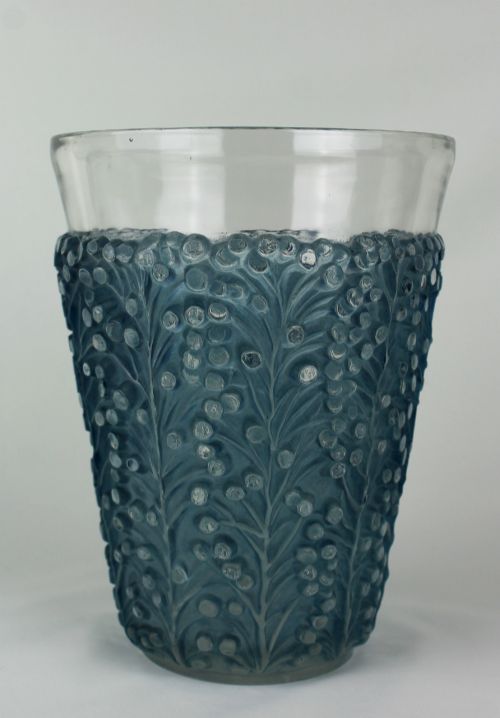
René Lalique·Karl Palda·Val St Lambert·Whitefriars Glass·Le Verre Francais
The Vintage Glass Flower Vessel Glossary
- Opalescent glass
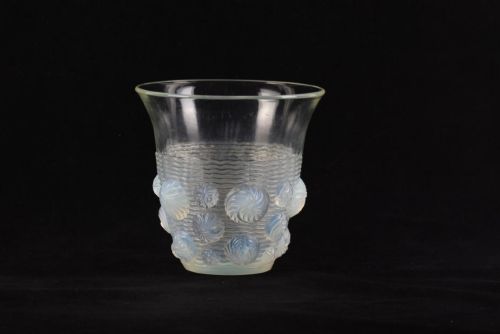
- Glass that diffuses light to display milky, semi-translucent highlights with shifting bluish or amber tones. This effect is frequently observed in moulded twentieth-century French production.
- Cameo glass
- Vessels created by layering contrasting colours of glass and carving away the surface layer to leave raised designs. This demanding technique requires immense precision from the glass artisan.
- Iridescent glass
- Glass treated with metallic vapours while hot to produce a shimmering, rainbow-like surface sheen. It is a defining characteristic of many Art Nouveau pieces.
- Enamel decoration
- The application of vitreso colours fused to the glass surface through firing. Geometric and floral motifs executed in enamel appear frequently on 1930s Czech wares.
- Uranium glass
- Glass containing uranium oxide that glows bright green under ultraviolet light. This material was widely used during the Art Deco period for decorative vessels.
Vintage Glass Flower Vessel: Frequently Asked Questions
How do I clean a vintage glass flower vessel safely?
Wash the glass gently in lukewarm water using mild detergent and a soft cloth. Avoid abrasive sponges or harsh chemicals that might damage delicate enamel or etched surfaces.
Allow the vessel to air dry on a soft towel rather than wiping vigorous pressure across thin rims or mounted metal collars.
Were these vessels designed strictly for floral display?
Many of these pieces served as functional flower holders, particularly posy vases and larger centrepieces meant for dining tables. Others functioned purely as decorative mantel or cabinet objects.
Their sculptural qualities mean they display successfully either empty or holding single stems.
How do I distinguish Art Nouveau from Art Deco styles?
Art Nouveau pieces, produced around 1900, favour flowing, organic lines inspired by nature, often with iridescent finishes. Art Deco items from the 1930s lean towards rigid geometry, symmetry, and stylised motifs.
Examining the silhouette and surface pattern usually clarifies the design movement.
What is overlaid glass?
Overlaid glass consists of a base layer of glass covered by one or more contrasting layers of coloured glass. Artisans cut through the outer layers to reveal the different colour beneath.
This technique creates strong visual depth and contrast across the vessel body.