





Art Deco Glassware Vessel
An art deco glassware vessel brings geometric precision and tactile relief into a room, combining the bold silhouettes of the interwar years with luminous colour.
Art Deco Glassware Vessel
When you search for an art deco glassware vessel, you enter a field defined by the robust styling of the 1920s and 1930s. The examples gathered here span vases, decorative bowls, and cigarette holders produced across England, France, Belgium, and the Czech Republic.
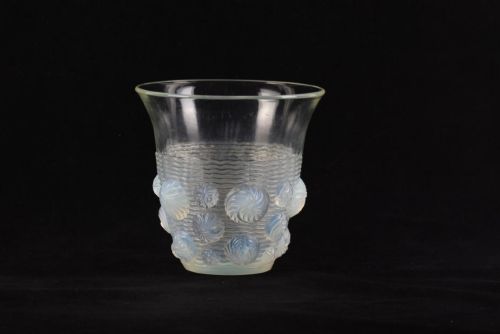
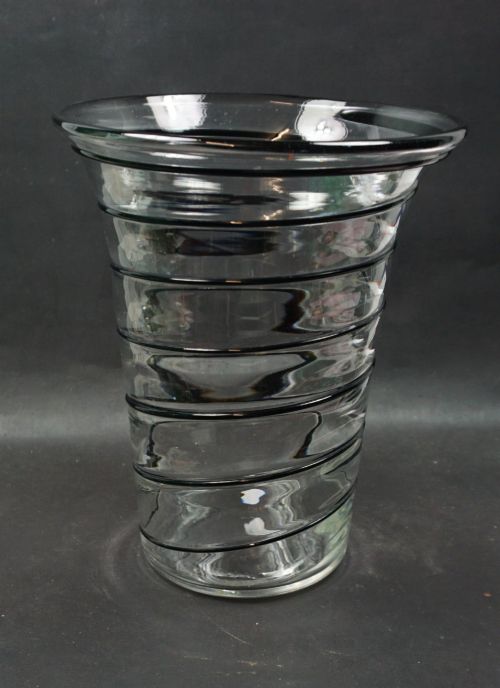
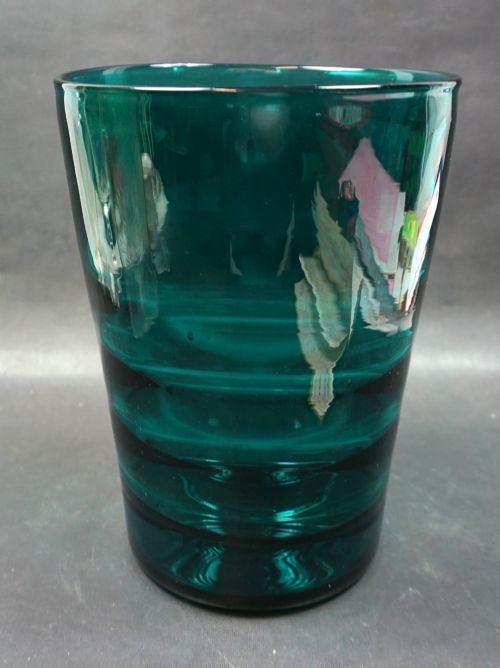
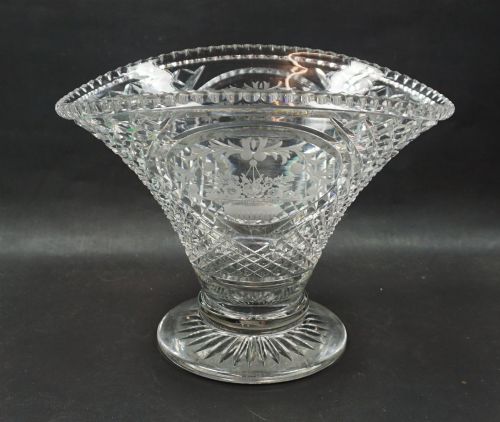
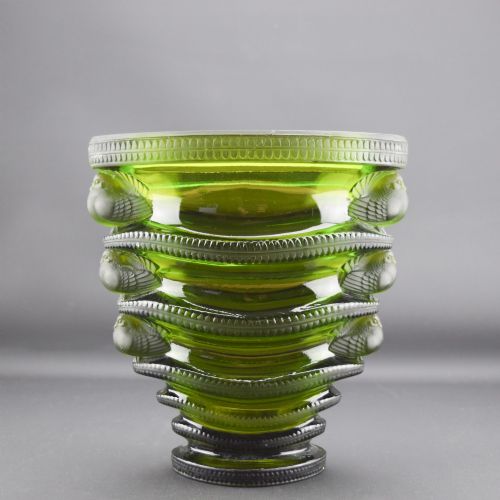
The most prevalent forms are tall geometric vases and opalescent decorative vessels. These objects reflect the international reach of modernist design, moving from heavy English crystal to French opalescent works and brightly enamelled Czech pieces.
Materials and production techniques
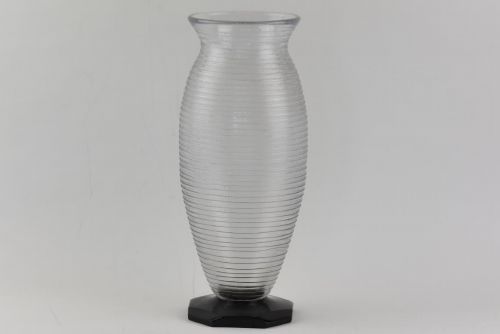
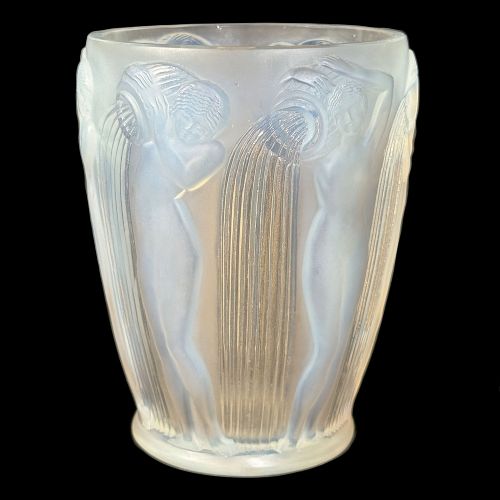
Makers utilised moulded glass, clear crystal, and frosted finishes to catch the light from different angles. Opalescent glass creates a milky, translucent quality that shifts between blue and amber tones depending on the illumination.
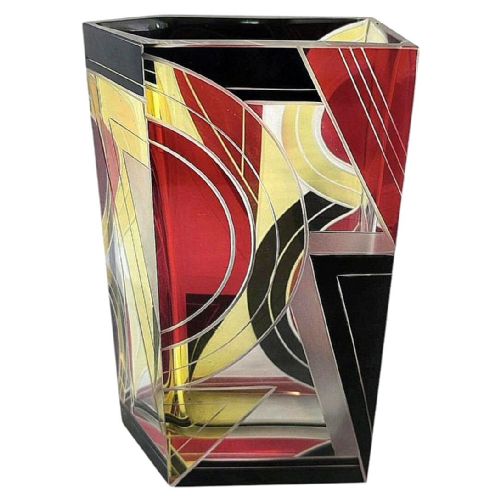
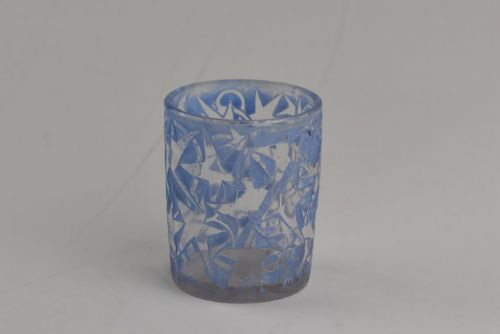
Surface decoration frequently involves acid etching, cameo carving, and hand-applied enamel in geometric or botanical patterns. Overlay techniques, such as green glass over crystal, add depth through contrasting layers of colour.
Art Deco Glassware Vessel Retail Price Guide 2026
Typical asking prices for art deco glassware vessel among the pieces listed under this phrase on Sellingantiques today, from the lower quarter to the upper quarter. They describe what is for sale here now, not the wider market.
The listings combine French opalescent glass, English crystal, and brightly enamelled Czech vessels from the 1920s and 1930s.
Distinctions in design and execution
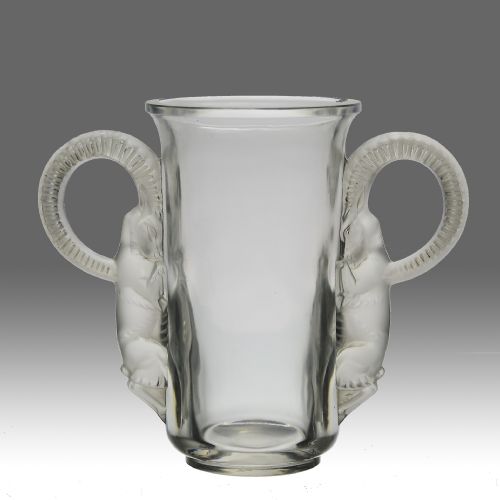
The degree of artistic ambition in the moulding and surface finish separates standard production items from masterworks. Sharpness in relief details, particularly on opalescent pieces with floral or avian motifs, indicates careful control during the pressing process.
The integration of colour staining and acid-etched geometric precision dictates the visual weight of the object. Pieces that balance the natural opacity of the material with crisp linear patterns hold the eye more effectively.
Rene Lalique·Whitefriars Glass·Charles Graffart for VSL·Karl Palda·Schneider·Paul Heller for Booms glass·Monart
The Art Deco Glassware Vessel Glossary
- Opalescent glass
- A type of glass that appears milky-white with bluish or amber highlights when lit from the front, turning fiery orange when lit from behind. It was a signature medium for French interwar designers.
- Cameo glass
- A vessel formed with multiple layers of different coloured glass fused together, where parts of the outer layer are carved away to create a raised design. This technique requires considerable skill to maintain even depth.
- Enamel decoration
- Coloured glass paste applied to the surface of a finished vessel and fired to fuse permanently. It allows for sharp geometric patterns in opaque colours.
- Moulded glass
- Molten glass pressed into a metal form to create three-dimensional reliefs and patterns. This method allowed manufacturers to produce consistent, detailed decorative vessels on a larger scale.
Art Deco Glassware Vessel: Frequently Asked Questions
How do I identify a French opalescent vessel?
French opalescent pieces, particularly those from the interwar period, display a characteristic milkiness that catches blue and amber highlights under direct light.
Examine the relief motifs for crispness and depth, as skilled workshops achieved high definition in floral and figural designs.
What defines Czech geometric glass?
Czech pieces from the 1930s often combine clear or opaque glass with bold enamel decoration and acid-etched linear patterns. They lean heavily into modernist architecture and cubist influences.
The surface work is usually sharp and high-contrast, designed to make a strong visual statement rather than mimic natural forms.
Where were Monart glass vessels made?
Monart vessels originate from Scotland, produced through techniques that create swirling clouds of internal colour and suspended bubbles within the glass body.
These pieces rely on rich coloration and tactile basket or bowl forms rather than surface etching or moulded relief.
How should I display a frosted glass vessel?
Position frosted or opalescent glass where light can pass through it from the side or behind to reveal its tonal shifts. Natural daylight near a window works well.
Keep them away from crowded arrangements so the geometric silhouettes and surface textures remain clearly visible.