



Vintage Glass Dome Clock
A vintage glass dome clock brings together delicate horology and protective clear blown glass, offering a clear view of intricate brass movements.
Vintage Glass Dome Clock
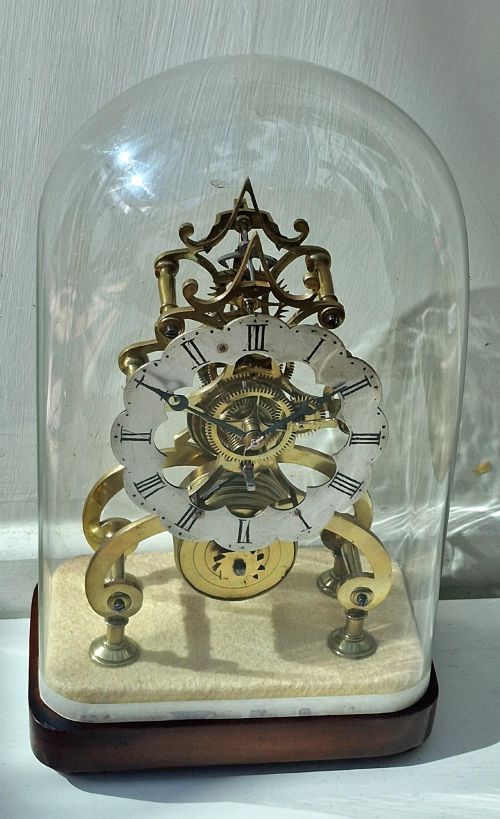
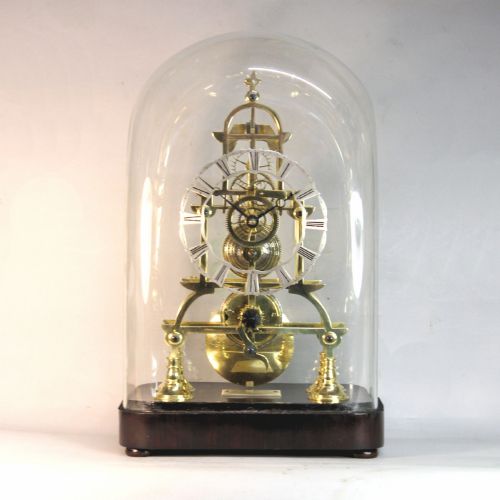
When you search for a vintage glass dome clock, you encounter a fascinating mix of Victorian skeleton clocks, torsion movements, and delicate electric timepieces housed beneath clear covers. These items combine mantel clocks and display domes into single decorative objects, protecting intricate brass gears from dust.
The pieces on this page span the Victorian era, the Edwardian period, and the nineteen-twenties, incorporating traditional horology alongside decorative taxidermy showcases and botanical displays. You are most likely to meet Victorian skeleton clocks and German torsion year clocks paired with their original blown glass covers.
Originating from English, French, and German workshops, these items reflect the tastes of the nineteenth and early twentieth centuries. Each example demonstrates how period timekeepers were designed to be viewed from every angle rather than hidden against a wall.
Materials and construction
Bases were fashioned from solid timber such as mahogany, rosewood, and pine, often featuring velvet or fabric inserts to cushion the heavy glass. The clock movements themselves rely on brass plates, steel wheels, and enamel dials, sometimes enhanced with ormolu mounts.
Vintage Glass Dome Clock Retail Price Guide 2026
Typical asking prices for vintage glass dome clock among the pieces listed under this phrase on Sellingantiques today, from the lower quarter to the upper quarter. They describe what is for sale here now, not the wider market.
Some Victorian glass domes served double duty, protecting stuffed exotic birds one decade and precision brass gears the next.
Assessing quality and finish
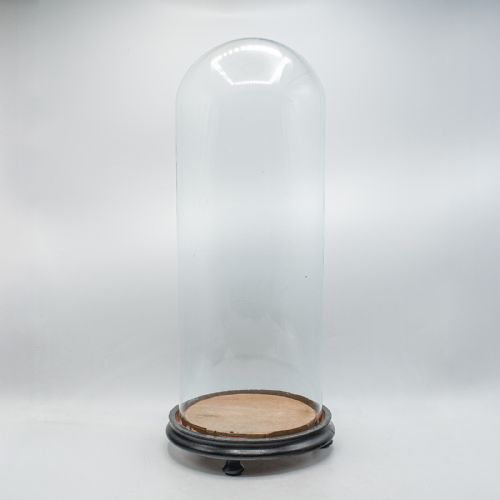
The distinction between standard examples and superior pieces rests upon the clarity and age of the glass cover. Hand-blown domes display subtle ripples and thickness variations that differentiate them from later machine-made glass.
Horological complexity and base construction further define the grade of a piece. Finer examples feature intricate skeleton movements with passing strikes or double fusee gear trains mounted securely onto substantial ebonised or mahogany bases.
Richard Winter of Chieveley·Maurice and Marcel Moulin Favre-Bulle·B H A
The Vintage Glass Dome Clock Glossary
- Skeleton clock
- A timepiece designed with an open brass frame so the gear train and escapement remain fully visible.
- Torsion clock
- A movement that uses a slow-rotating pendulum suspended by a thin metal ribbon, often known as an anniversary clock.
- Display dome
- A blown glass cover traditionally utilised for protecting delicate objects such as taxidermy, clocks, or botanical specimens.
- Double fusee
- A mechanical movement using conical pulleys and chains to equalise the force of the mainspring as it unwinds.
- Ormolu
- Gilded bronze ornamentation applied to clock cases and decorative bases during the nineteenth century.
Vintage Glass Dome Clock: Frequently Asked Questions
What is a torsion clock?
A torsion clock is a timepiece that runs for long periods, often a year, using a slow-moving rotational pendulum instead of a standard swinging one.
These movements are frequently housed beneath glass domes to protect the delicate suspension spring from air currents.
Are the glass domes original?
Many periods saw clocks sold with their bespoke blown glass covers, though replacements occur due to the fragile nature of old glass.
Examining the base fit and glass characteristics helps determine if the cover belongs to the movement.
How do electric movements work here?
Early electric movements from the nineteen-twenties, such as Bulle systems, utilise electromagnetic impulses to drive the pendulum.
These innovative mechanisms replaced traditional mainsprings while retaining the classic glass dome presentation.
Where should I place a glass dome clock?
These clocks require a stable, level surface away from direct sunlight and heavy vibrations to protect the sensitive escapement.
Placement on a sturdy mantel or dedicated display table allows clear viewing of the internal gears from all sides.