

Vintage Glass Desk Accessory
These vintage glass desk accessory pieces bring tactile weight and refined craftsmanship to the modern workspace through historic inkwells, lenses, and paperweights.
Vintage Glass Desk Accessory
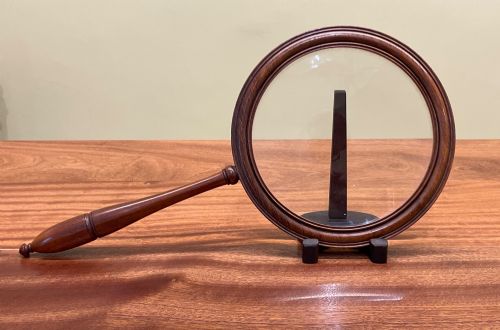
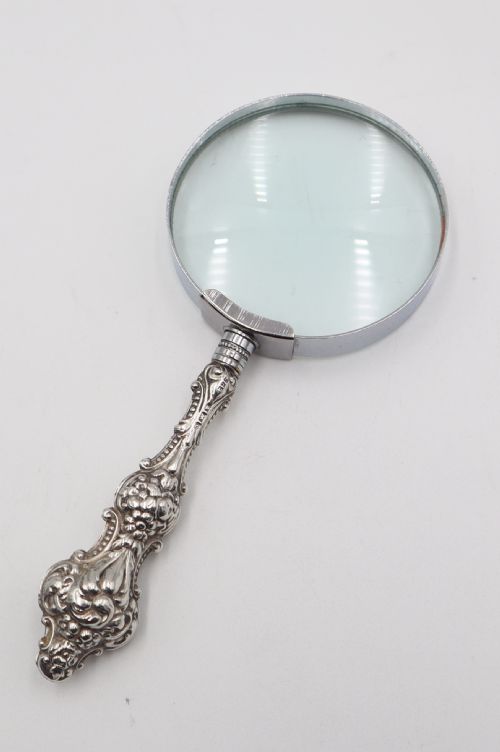
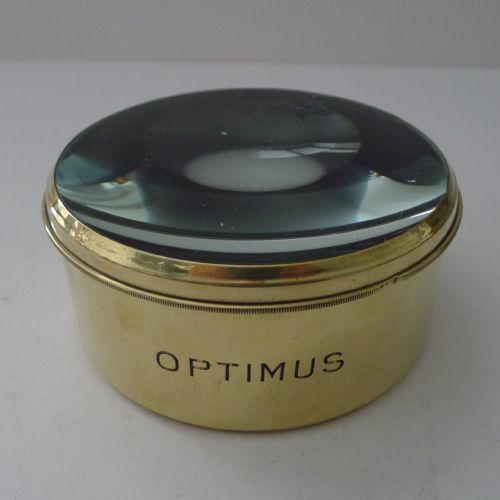
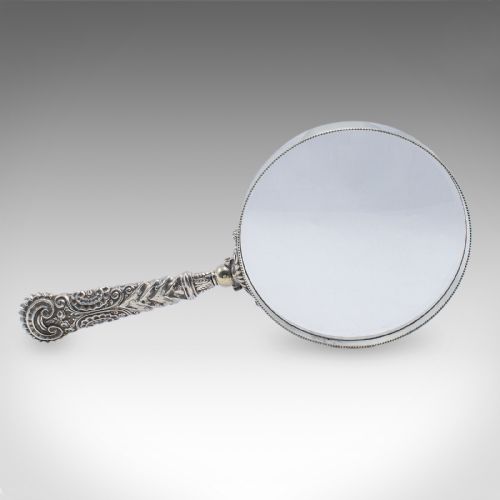
A vintage glass desk accessory spans practical library equipment and decorative desktop ornaments produced across the Victorian, Edwardian, and Art Deco periods. The selection focuses heavily on magnifying glasses, cut glass inkwells, and patterned paperweights.
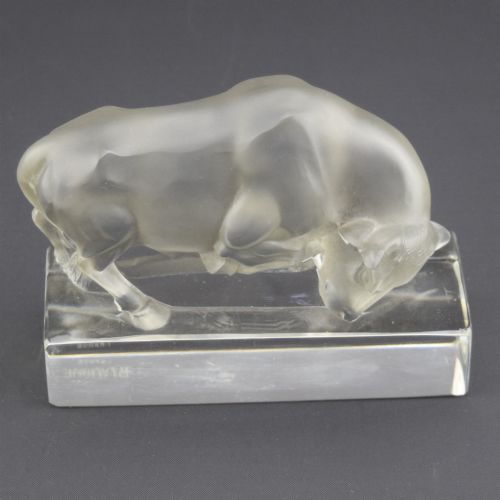
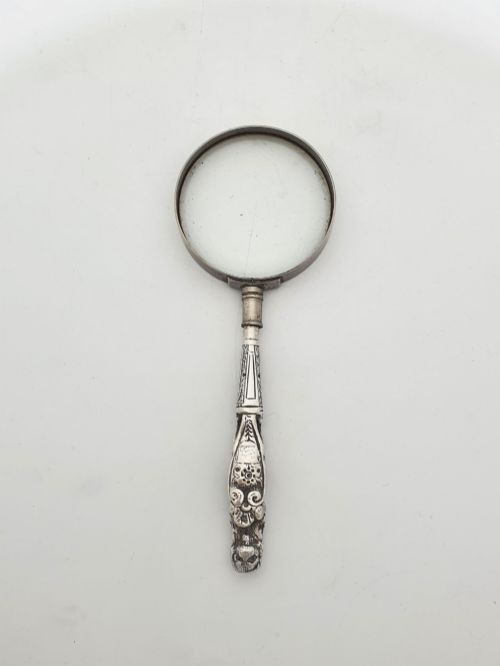
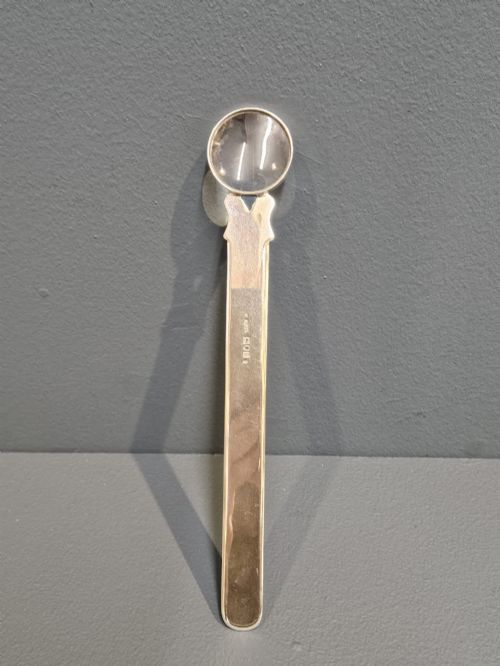
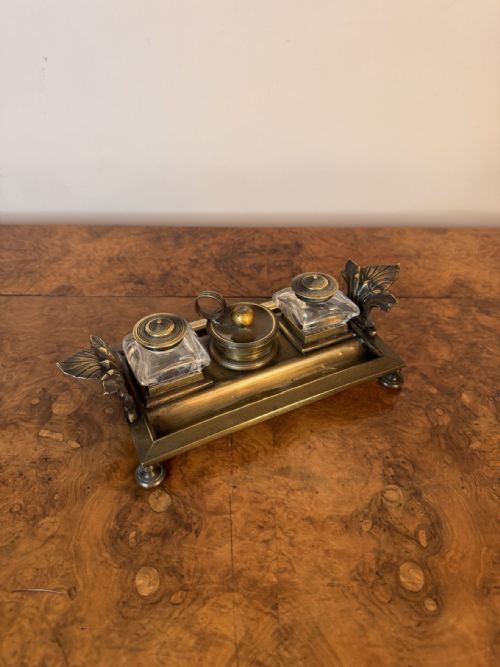
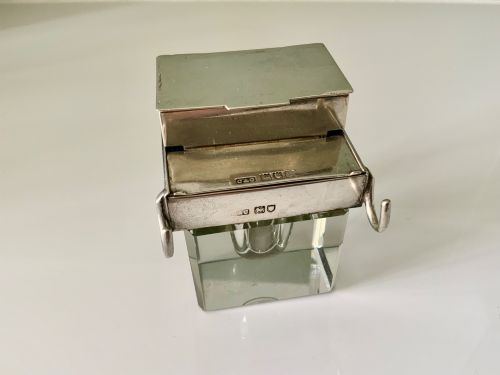
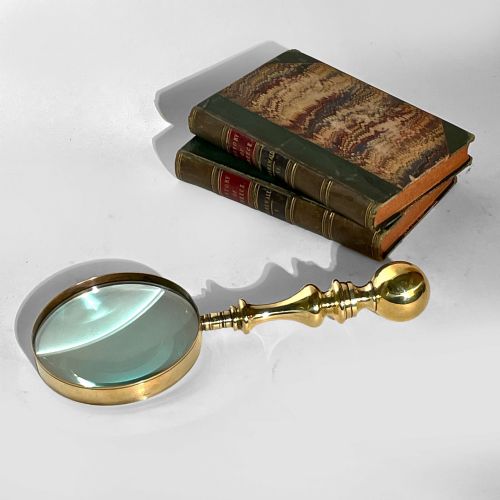
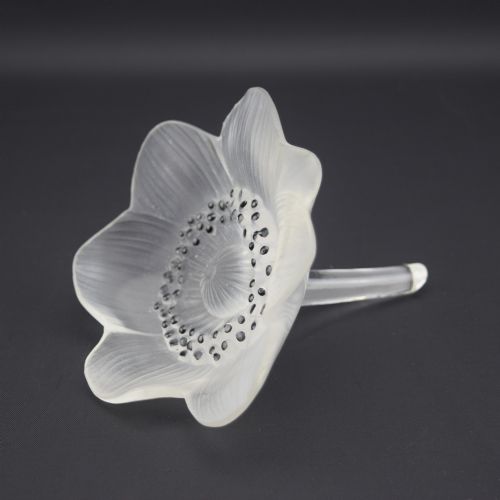
Forms range from simple glass lenses set in brass or silver to complex double inkstands fitted with hinged metal mounts and stamp moisteners. Murano glass paperweights and moulded pieces by makers such as Rene Lalique appear alongside functional reading aids.
Origins stretch from English workshops to French studios and Italian glasshouses, capturing the shift from nineteenth-century opulence to early twentieth-century modernist restraint on the writing table.
Materials and construction
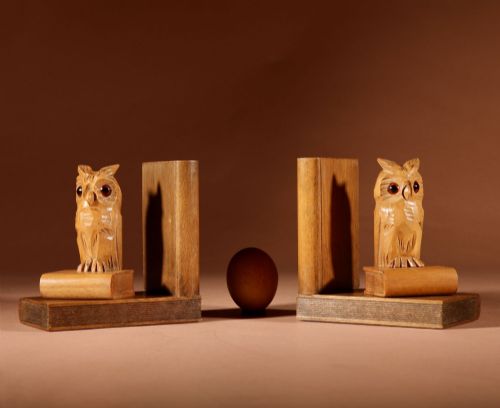
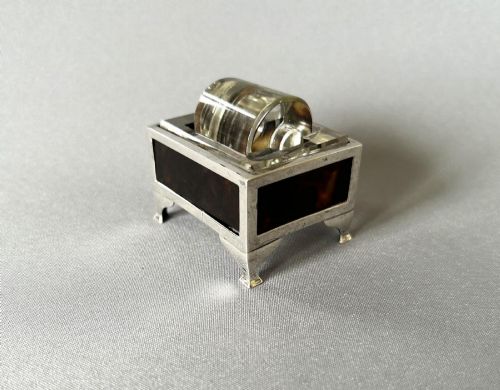
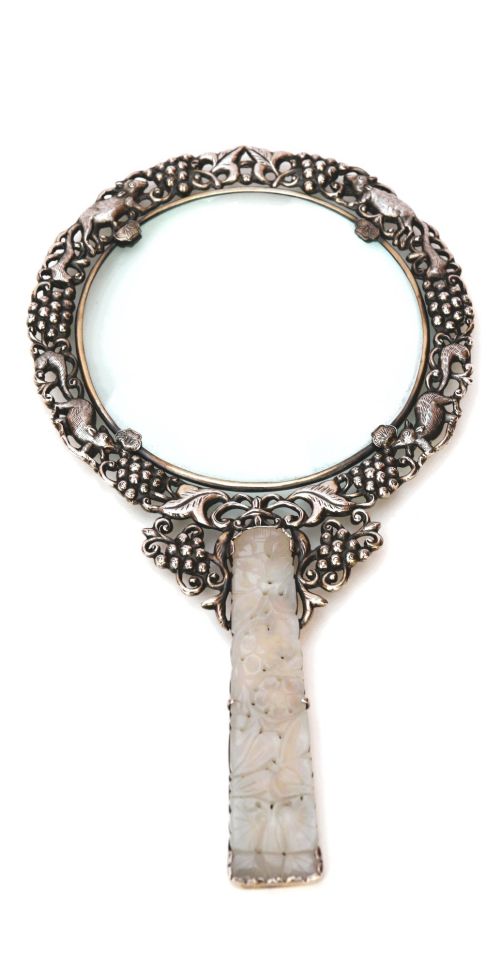
Production combines heavy glass elements with mounts of sterling silver, silver plate, brass, and occasionally carved wood or jade. Glass components are formed through moulding, cutting, or lampworking techniques to achieve optical clarity or decorative depth.
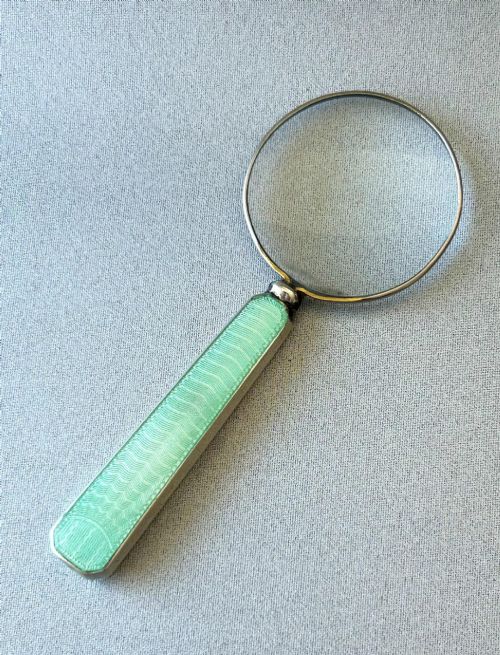
Metal mounts are cast, chased, or soldered to secure the glass bodies, integrating hinged lids on inkwells and sturdy bezels around magnifying lenses. Enamel work, particularly guilloche, often decorates the silver handles and frames of later pieces.
Vintage Glass Desk Accessory Retail Price Guide 2026
Typical asking prices for vintage glass desk accessory among the pieces listed under this phrase on Sellingantiques today, from the lower quarter to the upper quarter. They describe what is for sale here now, not the wider market.
The material palette extends from simple clear glass lenses to complex multi-piece desk sets with integrated stamp boxes.
Assessing the standard
Quality rests in the optical purity of the glass and the crispness of the cutting or moulding, where superior items display minimal distortion and sharp facets. The weight and gauge of the accompanying metal mounts, whether solid silver or heavy brass, dictate the overall structural integrity.
Artistic execution in decorative details, such as hand-applied millefiori cane work or precise guilloche enamel patterns, separates standard utility items from distinguished studio pieces.
Rene Lalique·Elkington·Walker And Hall·P H Vogel And Co
The Vintage Glass Desk Accessory Glossary
- Guilloche enamel
- A decorative technique involving precise engine-turned patterns beneath a translucent layer of coloured enamel. It frequently appears on Edwardian and Art Deco magnifying glass handles and inkwell lids.
- Millefiori
- A glasswork method producing distinct multicoloured mosaic patterns through the use of bundled glass canes. These intricate designs are characteristic of mid-period decorative paperweights.
- Inkstand
- A complete desk tray holding one or more inkwells alongside pen rests and sometimes stamp boxes. They are typically mounted in brass, silver plate, or hardwoods.
- Page turner
- A desk implement designed for separating uncut book pages, often paired with a magnifying glass. Handles are commonly fashioned from silver or bone.
Vintage Glass Desk Accessory: Frequently Asked Questions
How do I date an inkwell?
Dating relies on the style of the metal mounts, hallmarks on the silver, and the manufacturing technique of the glass body. Victorian examples often feature heavy brass or ornate sterling silver, whereas Art Deco pieces lean towards geometric lines and guilloche enamel.
Examining the base for wear or pontil marks helps distinguish nineteenth-century production from later twentieth-century iterations.
Are these desk accessories still usable?
Many items remain fully functional for daily use on a modern desk, particularly magnifying glasses and paperweights. Inkwells can also serve their original purpose provided the glass liners and hinged lids remain intact.
Care should be taken when filling vintage inkwells to check for hairline fractures in the glass that might cause leaks.
What glass types are common?
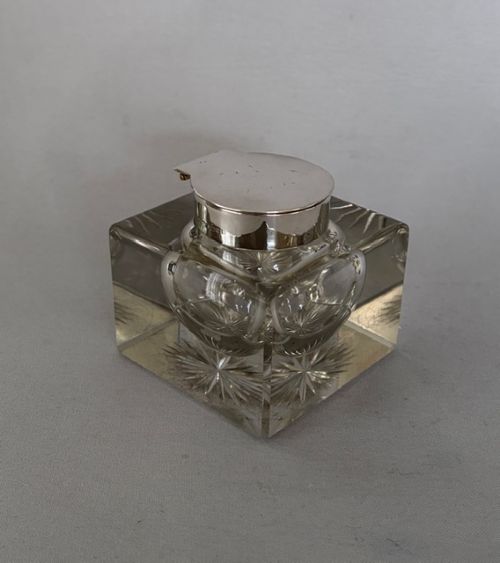
Listings frequently feature clear optical glass, heavy cut crystal, and coloured art glass from Italian and French makers. Scrambled glass and millefiori canes define the decorative paperweight category.
Cut glass often reveals deep, sharp facets characteristic of nineteenth-century grinding techniques.
How should I clean silver mounts?
Silver mounts require gentle cleaning with a soft cloth to avoid damaging adjacent glass surfaces or enamel work. Proprietary silver polishes should be used sparingly near soldered joints.
Keeping moisture away from the meeting points of glass and metal prevents long-term corrosion.