



Vintage Glass Apothecary Bottle
These vintage glass apothecary bottle finds span the nineteenth and early twentieth centuries, bringing functional medical containers into modern display.
Vintage Glass Apothecary Bottle
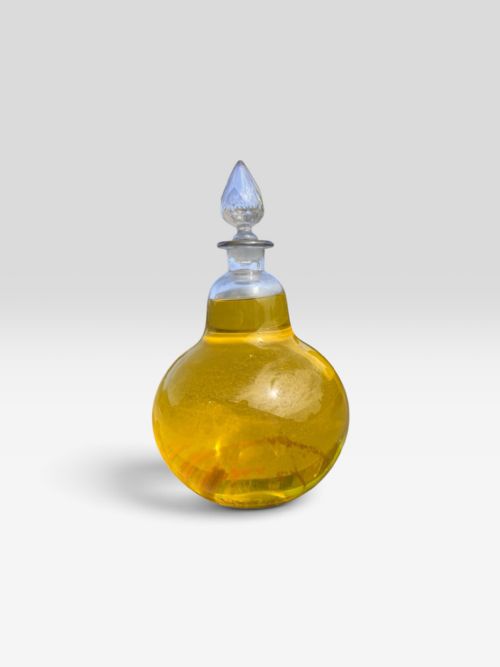
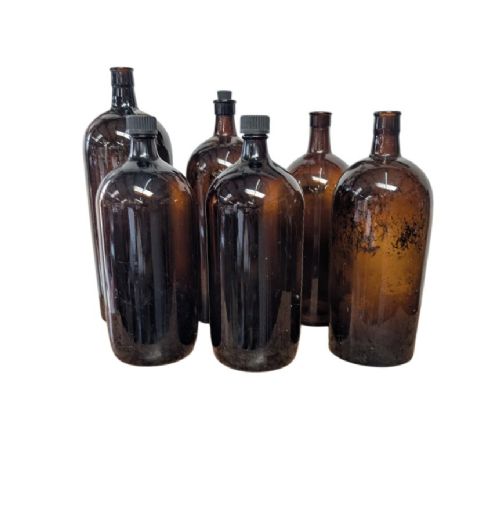
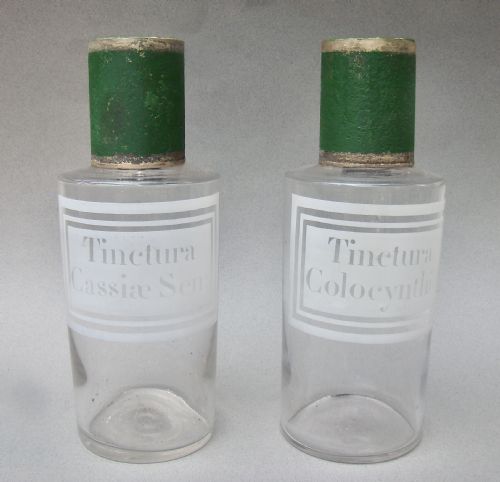
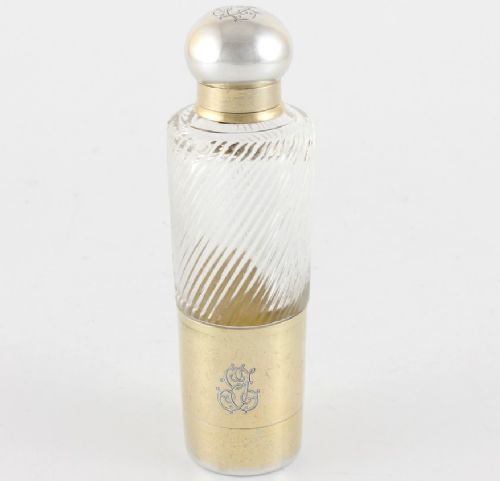
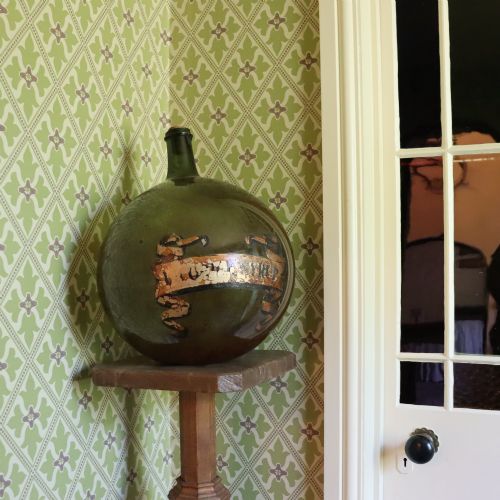
A vintage glass apothecary bottle serves as a tangible link to historical pharmacies and dispensaries, often encountered as standalone vessels or in matching sets. These pieces range from tall carboys and chemist jars to smaller tincture bottles designed to hold medicinal contents safely.
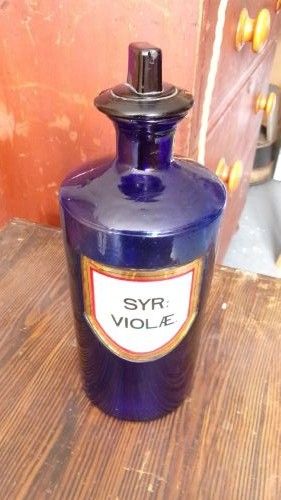
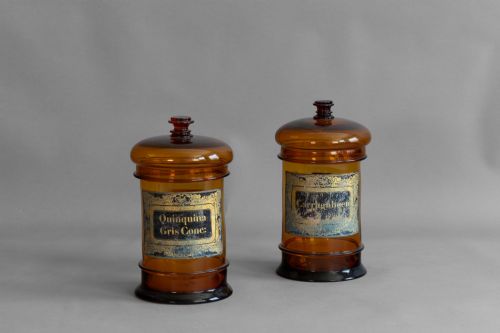
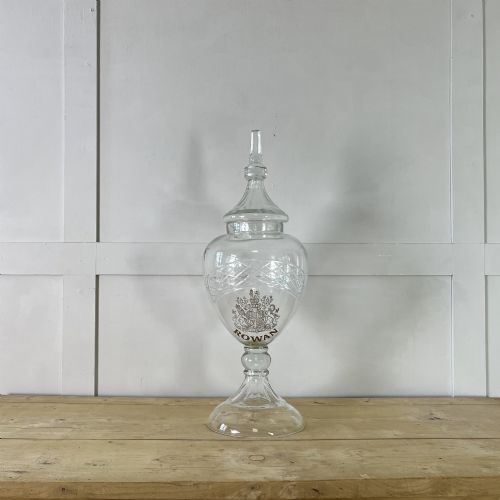
Most examples appearing here hail from the Victorian and Georgian eras, alongside early twentieth century productions. You will encounter clear glass, amber glass, and striking Bristol blue iterations, frequently retaining original paper or gold leaf labels.
Beyond loose bottles, the category embraces fitted mahogany travelling cases and cabinets housing complete collections of smaller vessels. These larger storage chests demonstrate how medical provisions moved securely in past centuries.
Assessing quality and craftsmanship
Quality rests in the clarity and depth of the glass, alongside the survival of matching stoppers and original labelling. Hand blown examples with pronounced character and substantial weight stand apart from mass-produced containers.
When evaluating fitted boxes and chests, the precision of the mahogany carpentry and the completeness of the internal glass vessel set dictate the standing of the piece. Intact groupings and well-preserved surface patination elevate the overall integrity.
Current listings feature glass, mahogany, brass, velvet, and gold leaf materials across Victorian, Georgian, and Edwardian periods.
Tonnel Paris
The Vintage Glass Apothecary Bottle Glossary
- Carboy
- A large, bulbous glass vessel traditionally used for storing bulk liquids in a pharmacy. These substantial containers often sat in shop windows to catch the light.
- Tincture bottle
- A smaller glass bottle designed to hold alcoholic extracts of plant or chemical substances. They usually feature ground glass stoppers to maintain airtight seals.
- Pontil mark
- The rough scar left on the base of hand blown glass where the pontil rod was detached. This feature confirms traditional manufacture before automated moulding.
- Bristol blue
- A deep cobalt blue glass produced historically in the Bristol region. Apothecary jars rendered in this tone offered protection from sunlight while presenting a vibrant display.
Vintage Glass Apothecary Bottle: Frequently Asked Questions
What were apothecary bottles used for?
These bottles held various medical compounds, liquids, pills, and dry chemical powders in historical pharmacies and dispensaries. They kept substances secure and protected from environmental factors.
Larger carboys displayed in shop windows advertised the presence of an apothecary within. Smaller vessels travelled inside fitted mahogany chests for house calls.
How do I clean an old glass bottle?
Gentle washing with warm water and mild soap usually suffices for historic glass surfaces. Avoid harsh scrubbing that might damage delicate interior residue or surface patination.
If paper or gold leaf labels are present, keep them entirely dry. Moisture can dissolve historical adhesives and ruin the original labelling.
How can I tell the period of a bottle?
Look at the manufacturing traits, such as pontil marks on the base indicating hand blown execution from the Georgian or Victorian eras. Deeper, heavier glass often points toward nineteenth century production.
Matching labels, stoppers, and associated mahogany cabinetry provide further clues to dating. Standardised machine moulding typically signals later twentieth century manufacture.
Where should I display these bottles?
Position them near natural light sources to highlight the colours of amber, clear, and Bristol blue glass. Windowsills or open shelving work well for individual jars and carboys.
Complete sets look striking when kept together inside cabinets or on dedicated tables. Mahogany cases can sit independently as statement items in a room.