


Antique Glass Storage Vessels
These antique glass storage vessels combine practical historic utility with remarkable decorative presence.
Antique Glass Storage Vessels
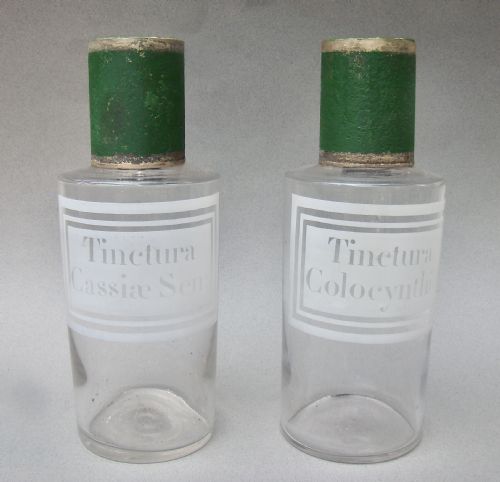
When you search for antique glass storage vessels, you encounter robust containers designed for pharmacies, larders and domestic dressing tables. These objects include apothecary jars, pickling jars known as bocals, carboys and trinket boxes.
The pieces on this page span the 18th century, the Victorian and Edwardian eras, and the 19th century. French provincial and country styles appear alongside Georgian and Victorian English pieces, reflecting diverse domestic and commercial origins.
You are most likely to meet 19th century apothecary jars and French green glass pickling jars among these listings. Large blown glass liquid jars and silver-topped trinket boxes also feature regularly in the selection.
How they were made
Maker workshops utilised traditional glassblowing techniques to create these vessels, resulting in characteristic uneven thickness and trapped air bubbles in the material. Blown glass forms the foundation of the 18th and 19th century items.
Makers finished select pieces with surface ornamentation including gold leaf, paint, etching and mercury glass coatings. Metal and silver mounts provide structural caps or lids on items such as Edwardian trinket boxes.
The listings span the 18th century through to the Edwardian era, featuring glass, silver, and gold leaf materials.
What varies in quality
The distinction between ordinary and superior vessels lies in the clarity and weight of the glass, alongside the crispness of any cut or etched decoration. Heavier blown glass with deep tonal variations in green or amber shows greater substance.
Original matching lids and intact surface treatments like gold leaf or silver mountings elevate a piece considerably. Surviving sets, such as pairs or triplings of jars, demonstrate higher desirability than isolated single containers.
The Antique Glass Storage Vessels Glossary
- Carboy
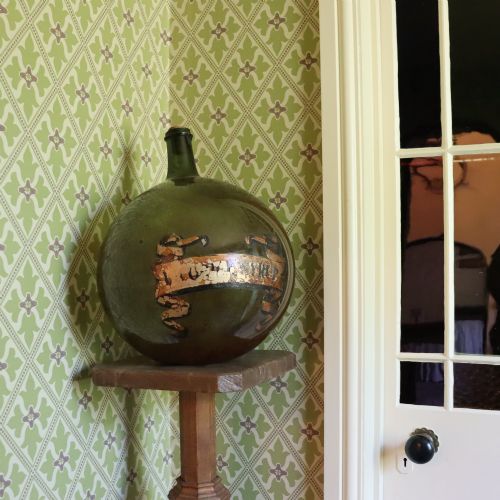
- A large globular glass bottle or jar with a narrow neck, traditionally used for holding liquids. These vessels often served laboratory or industrial storage purposes.
- Bocal
- A traditional French term for a large glass pickling jar, usually featuring a wide mouth and a heavy glass lid. These containers stored preserved foods in provincial larders.
- Mercury glass
- A double-walled blown glass object silvered on the interior with a liquid mercury amalgam, then sealed. This technique creates a reflective mirror-like sheen popular in the 19th century.
- Apothecary jar
- A vessel designed to hold medicinal herbs, powders, and liquids in a chemist shop. They frequently display etched labels or painted details denoting their specific contents.
- Blown glass
- Glass shaped by inflating molten metal on the end of a blowpipe. This method leaves distinct pontil marks on the base of older pieces.
Antique Glass Storage Vessels: Frequently Asked Questions
What were apothecary jars used for?
Apothecary jars held dried herbs, chemical compounds, pills, and medicinal liquids in pharmacies and dispensaries. Their tight-fitting lids kept contents dry and protected from ambient moisture.
Over time, these utilitarian glass vessels transitioned into decorative household objects. Collectors admire them for their historic association with early medicine and pharmacy.
How do I clean antique glass?
Clean antique glass gently using lukewarm water and mild soap with a soft cloth. Avoid abrasive sponges or harsh chemicals that can damage aged surfaces or etchings.
Take particular care with pieces featuring mercury glass, painted details, or gold leaf. Submerging these sensitive finishes can cause irreversible flaking or loss of the original coating.
Are pickling jars airtight?
Historic pickling jars utilised heavy glass lids resting on ground glass rims to keep out pests and air. However, they lack modern rubber seals and airtight screw bands.
Because the seals rely on ground glass fit rather than modern gaskets, they are unsuited for contemporary food preservation. They function best today as decorative display items.
How do I date these vessels?
Dating antique glass storage vessels involves examining the manufacturing technique, such as the presence of a rough pontil mark on the base. Pontil marks typically indicate older hand-blown methods used before the 20th century.
Stylistic cues like etched lettering styles, metal mountings, and the colour of the glass also help place a piece. Victorian and Edwardian examples often feature sharper cut glass details than earlier Georgian pieces.