


Victorian Medical Glass Bottles
Victorian medical glass bottles are utilitarian vessels from the nineteenth century that bring authentic apothecary character to a modern interior.
Victorian Medical Glass Bottles
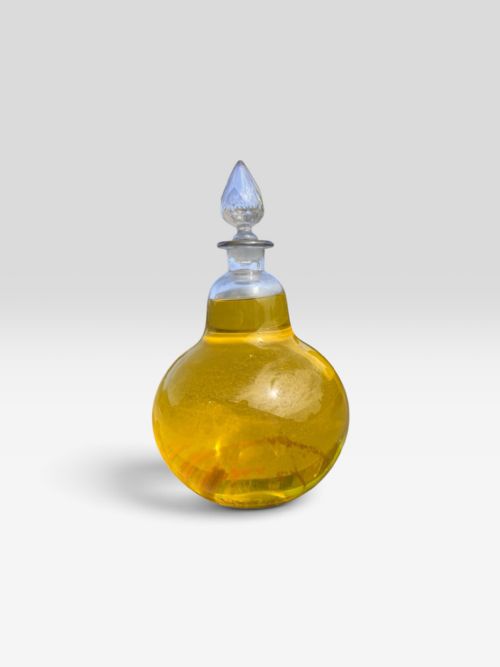
When you search for victorian medical glass bottles, you encounter sturdy apothecary vessels, pharmacy jars, and chemist containers originating from the nineteenth century. These pieces include hand-blown carboys, small chemist bottles, and larger jars designed for pharmacy use.
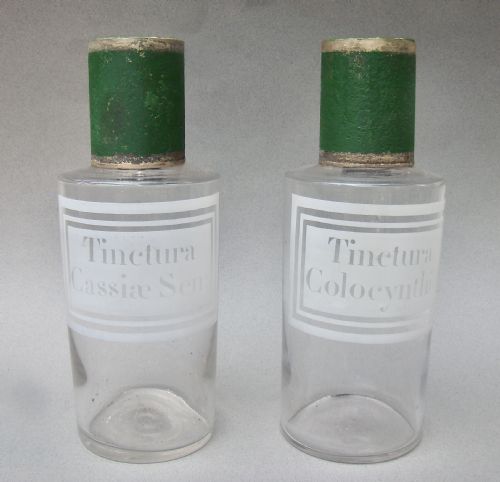
The selection here encompasses items from the Victorian period alongside related pieces such as early nineteenth-century French etched jars and Edwardian examples. Forms range from simple drug bottles to complete apothecary boxes fitted with glass storage.
Buyers frequently find sets of matching pharmacy bottles alongside singular large display pieces like carboys. These containers reflect the practical medical storage needs of their era rather than purely decorative production.
How they were made
Glass is the primary material, shaped through hand-blowing techniques to create utilitarian vessels with distinct surface characteristics. Some pieces incorporate etching or painted details directly onto the glass body.
Fitted cabinets and boxes utilise mahogany, often with brass hardware, velvet linings, and paper or gold leaf labeling. These housings protect the fragile glass contents within integrated compartments.
Historic pharmacy bottles occasionally retain faint traces of dried medicinal powders inside their sealed interiors.
What varies in quality
Quality rests upon the integrity of the glass and the presence of original components like fitted wooden chests or matching sets. Single hand-blown items display individual character through weight and bubble formation.
The presence of complete sets or original cabinetry distinguishes comprehensive pieces from isolated bottles. Greater elaboration appears in etched French jars and inlaid mahogany cases.
The Victorian Medical Glass Bottles Glossary
- Carboy
- A large glass bottle, often enclosed in protective housing or displayed on its own, used in pharmacies for holding bulk liquids. These large vessels formed a central visual feature in nineteenth-century chemist shops.
- Apothecary jar
- A vessel designed to hold medicinal drugs, herbs, or chemicals within a pharmacy setting. They often feature ground glass stoppers to maintain airtight conditions.
- Chemist bottle
- A smaller container utilised for dispensing individual liquid medicines to patients. These appear frequently in sets or housed within specialised wooden boxes.
- Gelatine jar
- A specific type of glass jar made to store pharmaceutical preparations. They are identified by their fitted covers.
Victorian Medical Glass Bottles: Frequently Asked Questions
What were victorian medical glass bottles used for?
These vessels held various chemical compounds, liquid medicines, and dry drugs in nineteenth-century pharmacies and dispensaries. Apothecaries relied on them for safe, airtight storage of active ingredients.
Larger carboys displayed in shop windows advertised the premises to the street, while smaller bottles served daily dispensing needs.
How do I date an apothecary bottle?
Dating relies on manufacturing marks, glass characteristics such as pontil scars from hand-blowing, and the style of any labels. Nineteenth-century examples often display subtle asymmetries and bubbles unique to period production.
Associated wooden cabinets or boxes provide additional contextual clues regarding the era of manufacture.
Are stoppers usually original?
Many surviving bottles retain their original ground glass stoppers, which were individually fitted to each neck. Finding a matching stopper increases the completeness of the piece.
Replacement stoppers occur frequently due to the fragile nature of glassware over long periods of use.
How should I display medical glass at home?
These pieces suit placement near natural light sources that highlight the colour and clarity of the glass. Shelving in kitchens or studies provides a sympathetic setting for sets of chemist bottles.
Larger carboys work effectively as standalone floor or table display items.