


Vintage Chemist Shop Display
A vintage chemist shop display brings functional pharmacy heritage into modern rooms through authentic glass, mahogany, and brass.
Vintage Chemist Shop Display
A vintage chemist shop display comprises commercial storage and counter pieces originating from nineteenth and early twentieth century pharmacies, including apothecary jars and shop counters. Buyers seeking a vintage chemist shop display encounter robust utility items that served working apothecaries and optical dispensaries across Britain, France, and wider Europe.
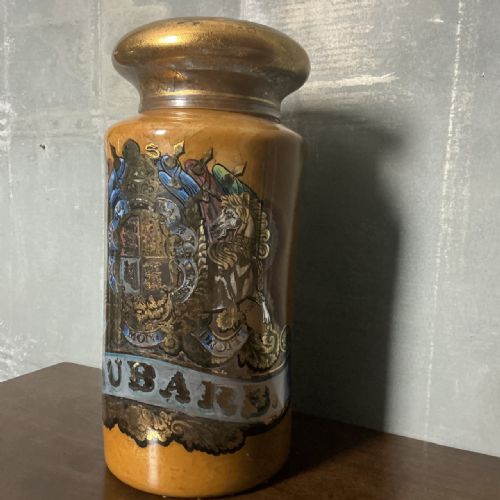
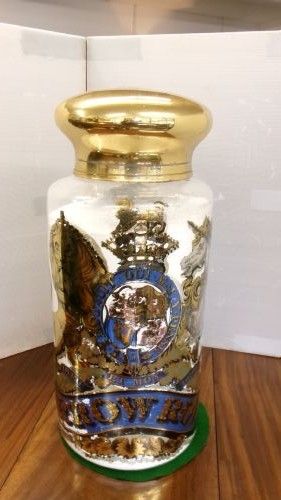
The selection here spans significant historical periods from Victorian industrial iterations through Edwardian and Art Deco designs. Typical forms range from large glass carboys and covered jars labelled for contents like arrowroot to fitted banks of drawers and mahogany retail display counters.
Victorian and nineteenth century pieces dominate the physical evidence, often exhibiting utilitarian forms paired with careful craftsmanship. These items represent the functional interior architecture of historical retail spaces adapted for contemporary interior placement.
Materials and construction
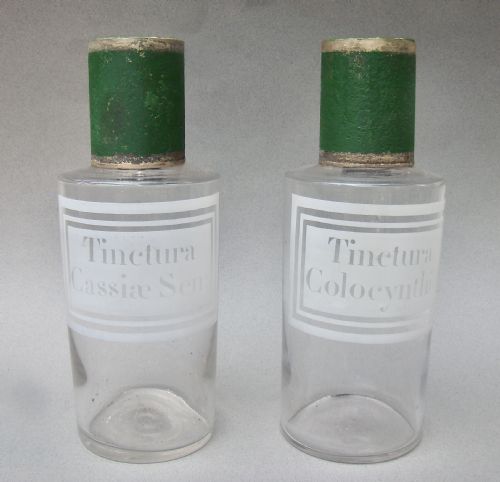
Makers utilised dense hardwoods such as mahogany and pine alongside cast brass and iron to build sturdy counters, display cabinets, and storage boxes. Glass forms rely on traditional blown and moulded techniques, occasionally featuring mercury glass finishes, etched decoration, or applied gold leaf lettering.
Structural elements reflect commercial durability, employing solid timber framework, panelled drawer construction, and heavy glass covers designed for daily apothecary use. Metal components like brass stands and iron brackets provide structural support for heavy glass vessels and countertop display units.
Arrowroot storage jars remind us that nineteenth-century chemists doubled as pantry suppliers for discerning Victorians.
Distinctions in quality
Quality differentiates through the integrity of original materials, the presence of factory markings or etched pharmacy details, and the survival of matching covers on glass jars. Pieces retaining original surface patination, unbroken gold leaf, and authentic brass hardware demonstrate superior historical preservation compared to heavily altered examples.
Construction nuance separates standard utility containers from bespoke commercial fittings, visible in the dovetailing of mahogany drawer banks and the clarity of large apothecary carboys. The complexity of etched glass inscriptions and the structural soundness of multi-drawer chemist fittings further establish the grade of each item.
The Vintage Chemist Shop Display Glossary
- Carboy
- A large globular glass bottle used in traditional pharmacies to hold liquids or display coloured water in shop windows. These vessels often include matching glass covers.
- Apothecary jar
- A glass container designed to store medicinal herbs, chemicals, or preparations in a chemist shop. They frequently feature etched labels or gold leaf nomenclature.
- Mercury glass
- A type of blown double-walled glass silvered between the layers to produce a reflective, mirror-like appearance. It gained popularity during the nineteenth century for decorative and display vessels.
- Bank of drawers
- A multi-drawer cabinet built to house small pharmaceutical inventory and dry goods efficiently. These units form substantial pieces of commercial shop furniture.
Vintage Chemist Shop Display: Frequently Asked Questions
How were apothecary jars used in shops?
Apothecary jars held dry ingredients, roots, powders, and liquids used in daily medicinal compounding and retail sale. Chemists placed them on shelves and counters for easy access during prescription preparation.
The large vessels and carboys also served as visual advertisements in shop windows, signalling the presence of a working pharmacy to passing customers.
What woods appear in chemist cabinets?
Mahogany and pine serve as the primary timber materials in nineteenth and early twentieth century chemist furniture. Mahogany provided a durable, polished surface for main retail counters and display cabinets.
Pine was frequently utilised for internal drawer construction and behind-the-counter storage units where exterior appearance mattered less than functional strength.
How do I date a glass carboy?
Dating relies on manufacturing traits such as pontil marks, glass thickness, and the presence of bubbles or irregularities from older blowing techniques. Nineteenth century examples often display heavier glass walls and hand-finished rims.
Associated wooden stands in brass or iron, along with specific lettering styles on any applied labels, help narrow the production window further.
Where do these shop displays fit at home?
Countertop display cabinets and glass jars suit kitchens, living rooms, and studies as functional storage for collections or botanical items. Larger banks of drawers provide practical surface space and organisation in hallways or dining areas.
The neutral tones of aged wood and clear glass allow these commercial pieces to complement both traditional and contemporary interiors.