

Vintage Gilt Urns
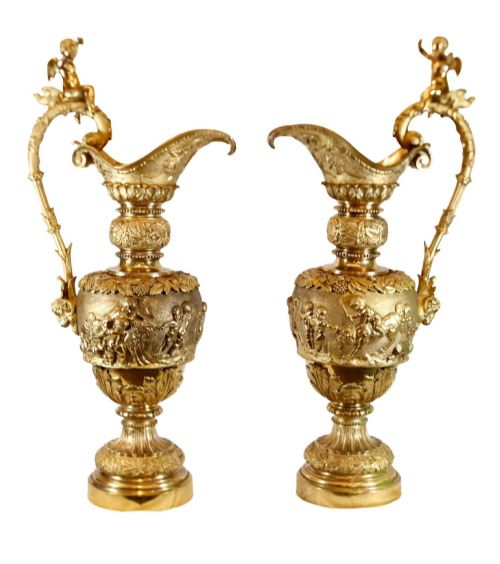
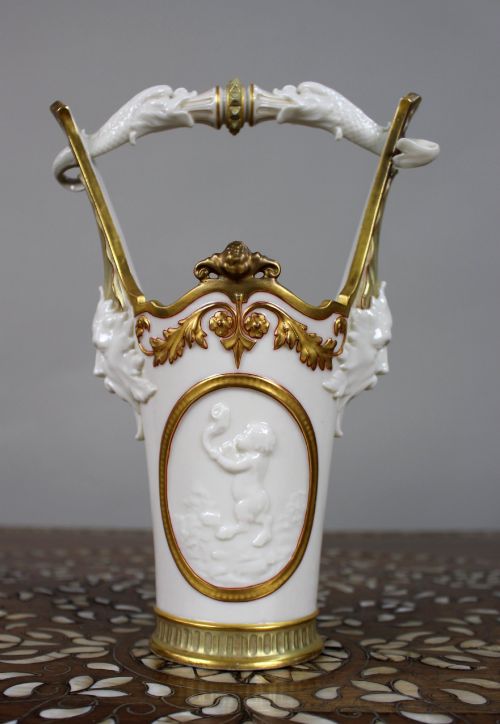
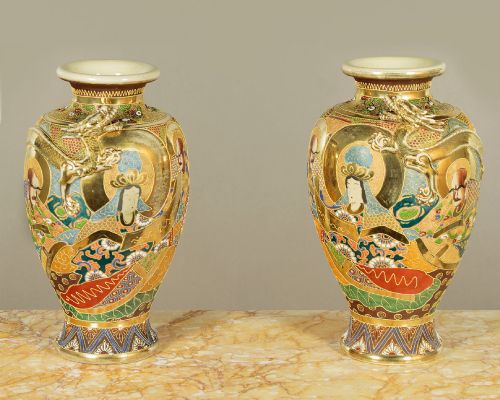
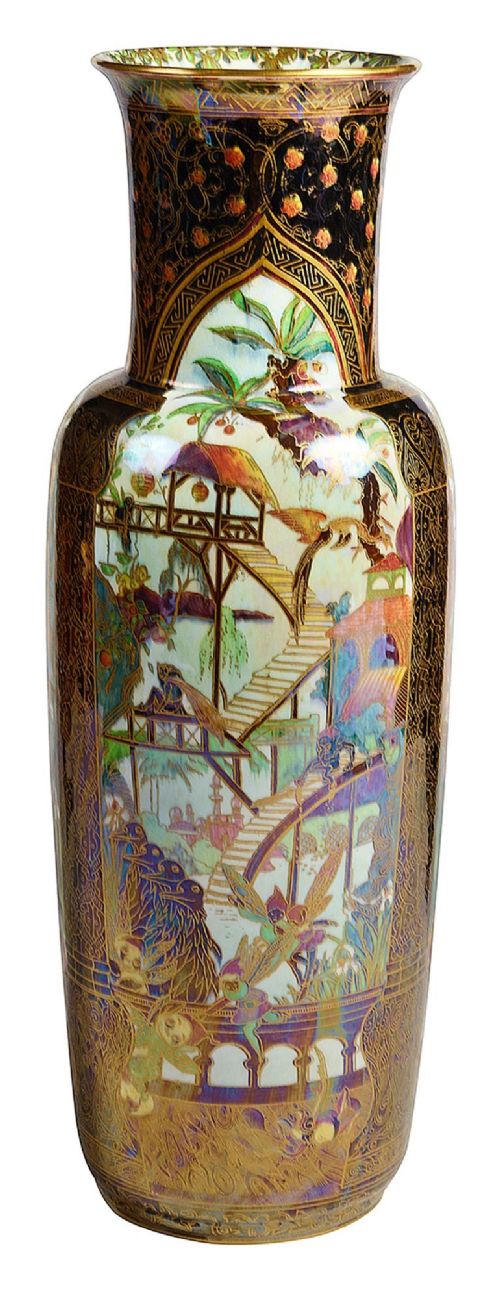
These vintage gilt urns bring decorative metalwork and glazed porcelain into interiors through French bronze mounts, Japanese Satsuma pottery and marble bases.
Vintage Gilt Urns
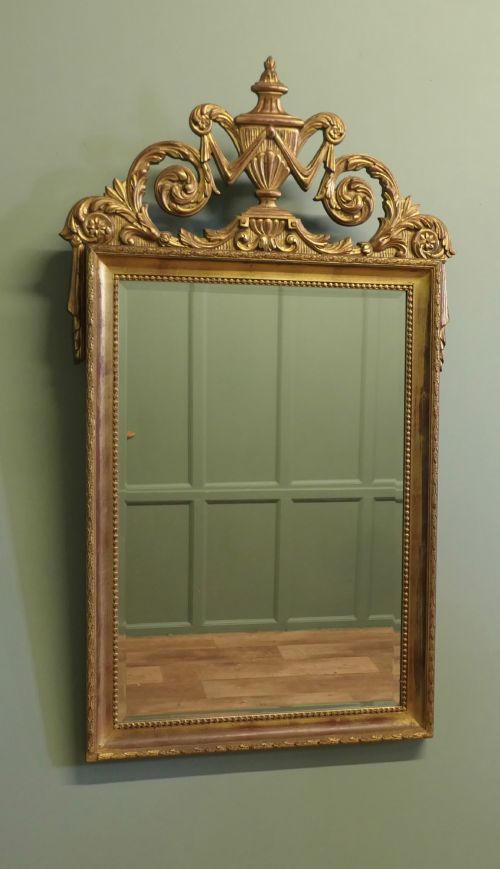
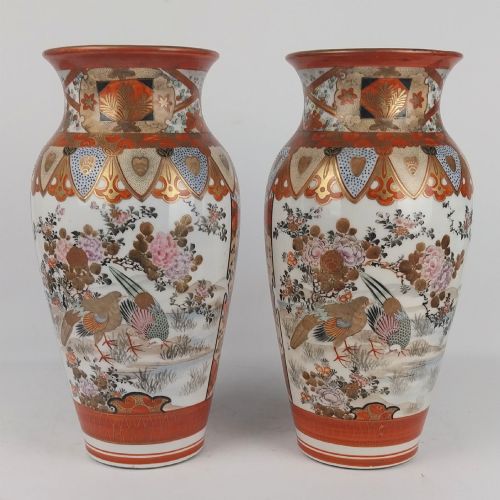
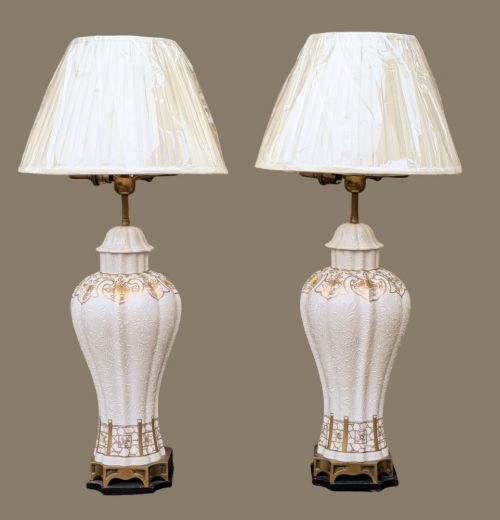
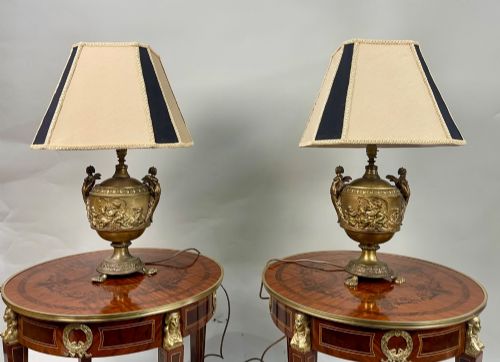
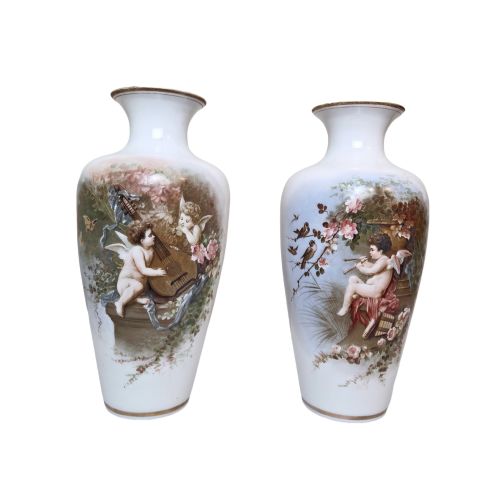
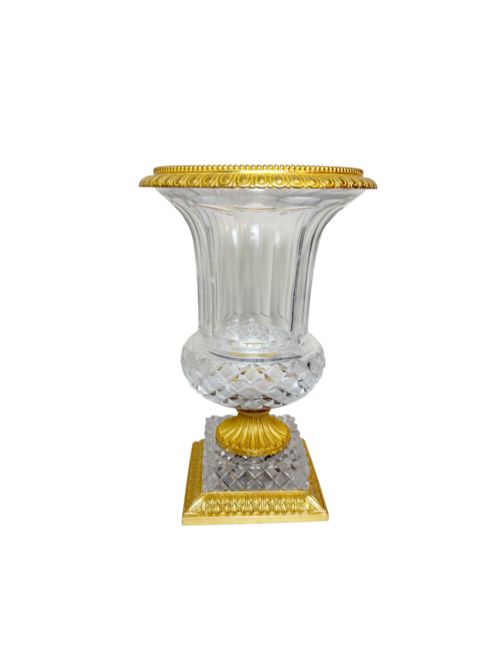
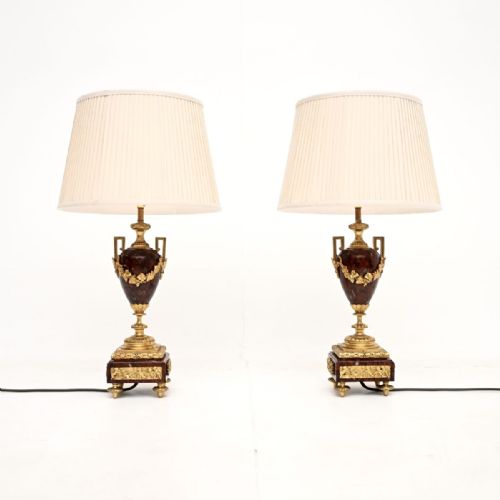
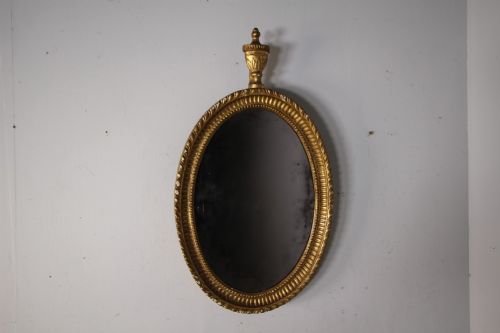
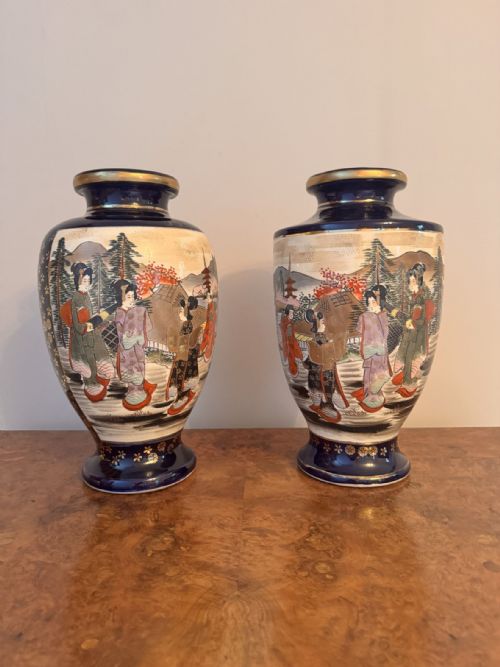
Vintage gilt urns encompass decorative vessels, porcelain vases and table lamps mounted with gilt bronze, ormolu, and gold leaf. Buyers encounter pieces spanning the eighteenth to the twentieth centuries, with French neoclassical designs and Japanese Satsuma ceramics appearing frequently alongside marble-based adaptations.
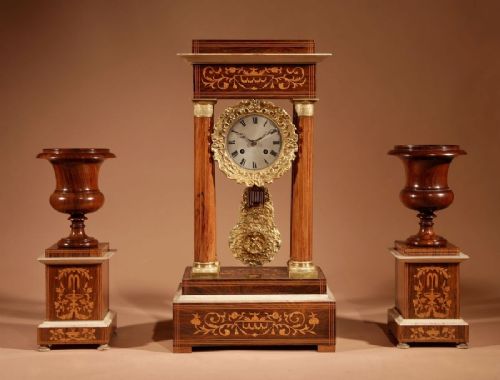
The category extends from mantel clock garnitures and wall lights to converted porcelain vases and covered vessels. Many examples incorporate classical motifs such as ram's head masks and cherubs, reflecting periods from Louis XVI style revivals to early twentieth century production.
Materials and Construction
Metal components utilise cast gilt bronze and ormolu, often paired with champlevé or cloisonné enamel work. Artisans combined these metallic finishes with carved marble, white glass, and porcelain bodies featuring hand-painted details.
Ceramic bodies draw from English ironstone and porcelain alongside Japanese Satsuma and Imari wares. Gilded wooden elements and fabric accents complete pieces originating from English, French, and Asian workshops.
Vintage Gilt Urns Retail Price Guide 2026
Typical asking prices for vintage gilt urns among the pieces listed under this phrase on Sellingantiques today, from the lower quarter to the upper quarter. They describe what is for sale here now, not the wider market.
Several porcelain urns survived centuries of household movement only to spend their retirement holding up twentieth-century lampshades.
Assessing Craftsmanship
Quality rests in the crispness of the bronze casting and the precision of the hand-chased details on mounts and handles. Superior examples display depth in the gilding and well-integrated joins between marble, metal, and ceramic elements.
The fineness of the hand-painted porcelain or enamel work distinguishes higher grade items from standard production. Harmonious proportions in matched pairs and the preservation of original mounts signal superior manufacture.
Royal Worcester·Wedgwood·Meissen·Royal Doulton·Royal Crown Derby·Casier
The Vintage Gilt Urns Glossary
- Ormolu
- A gilded bronze technique used extensively for mounts on nineteenth-century French decorative objects and lamps. It provides a bright metallic finish that mimics solid gold.
- Garniture
- A set of matching decorative objects, typically consisting of a central clock or vase flanked by two matching urns or candelabra. These sets were designed to sit upon mantelpieces.
- Cloisonne
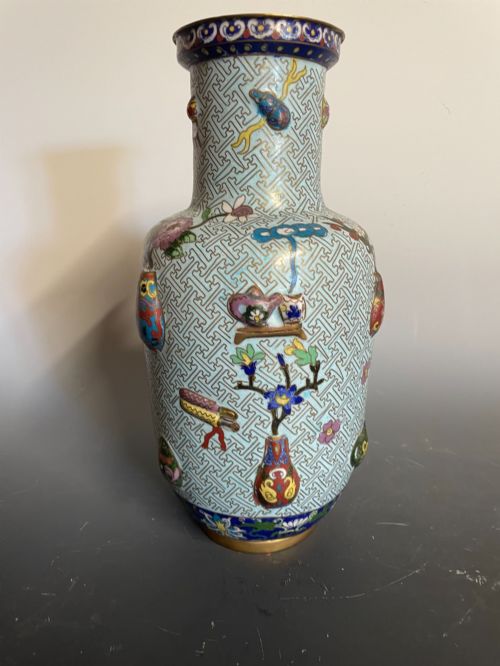
- An enamel technique where metal wire outlines compartments on a vase surface before coloured glass paste is applied and fired. This creates distinct patterned cells across the vessel.
- Satsuma
- A type of Japanese earthenware featuring a crackle-glaze ivory body decorated with polychrome enamels and gilt. These pieces were widely exported during the late nineteenth and early twentieth centuries.
- Neoclassical
- A decorative style inspired by classical antiquity featuring symmetry, urn motifs, and architectural lines. It heavily influenced French and English decorative arts during the eighteenth and nineteenth centuries.
Vintage Gilt Urns: Frequently Asked Questions
What periods do these pieces span?
The selection covers items ranging from the eighteenth century through to the mid-twentieth century. Nineteenth-century French and Victorian examples appear alongside Edwardian and later twentieth-century pieces.
Production dates reflect various stylistic revivals, including Louis XVI and neoclassical movements, alongside Japanese Meiji period exports and early twentieth-century ceramic designs.
How were these urns used historically?
Many served purely as decorative mantel ornaments or formed part of balanced garniture sets alongside clocks and candelabra. Others functioned as covered vessels for potpourri or floral displays.
In later periods, numerous ceramic urns and vases were adapted into table lamps with electrical fittings while retaining their original decorative mounts.
How do I care for gilt bronze?
Gilt surfaces require gentle dusting with a soft dry cloth to prevent the accumulation of dirt in recessed chasing. Avoid abrasive cleaners, polishes, and chemical solutions that strip or damage the delicate gold leaf and ormolu.
Protect porcelain and marble components from moisture and direct sunlight to preserve the hand-painted enamels and natural stone finishes over time.
Are these items supplied as matched pairs?
Many listings feature matching pairs of urns, lamps, or wall sconces designed for symmetrical placement on mantelpieces or console tables. Single decorative vases and clock garniture components also appear individually.
Matched pairs typically share identical dimensions, glazing patterns, and bronze mount details executed by the same workshop or maker.