

Vintage Gilt Lamp Pair
A vintage gilt lamp pair brings symmetry and rich metallic warmth to a room, turning functional illumination into a matched decorative statement.
Vintage Gilt Lamp Pair
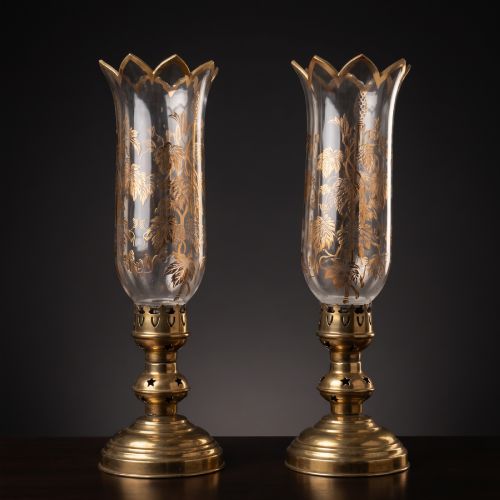
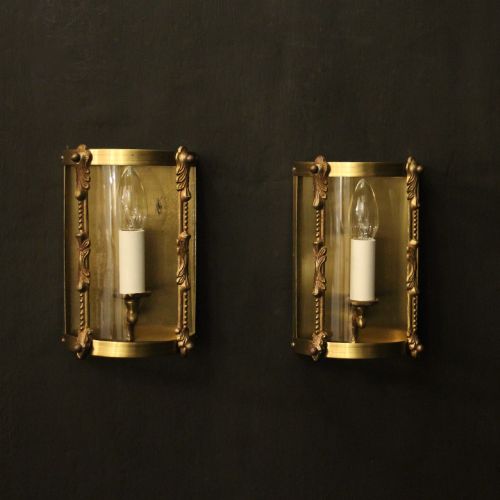
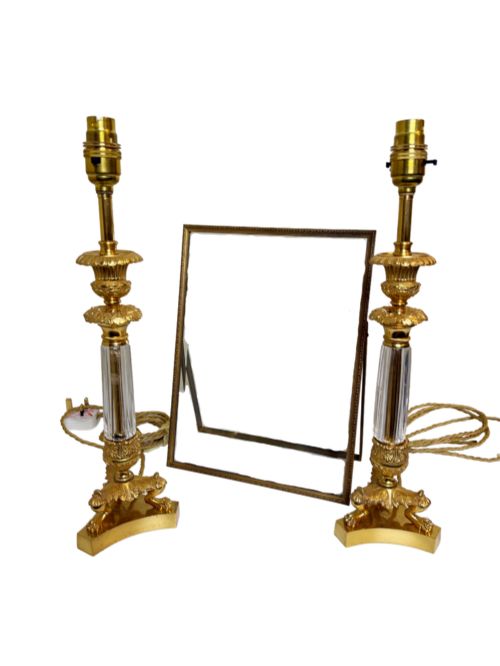
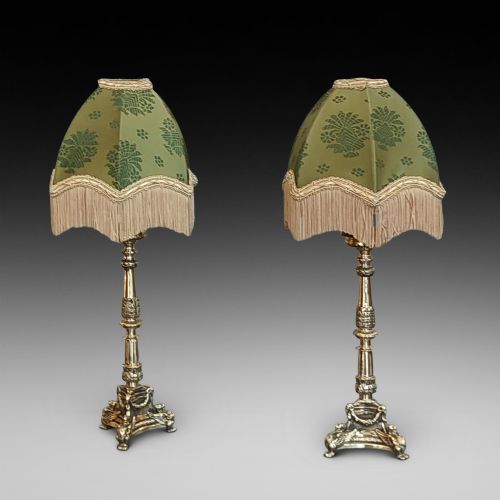
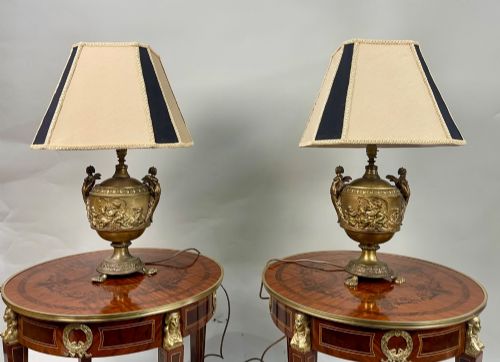
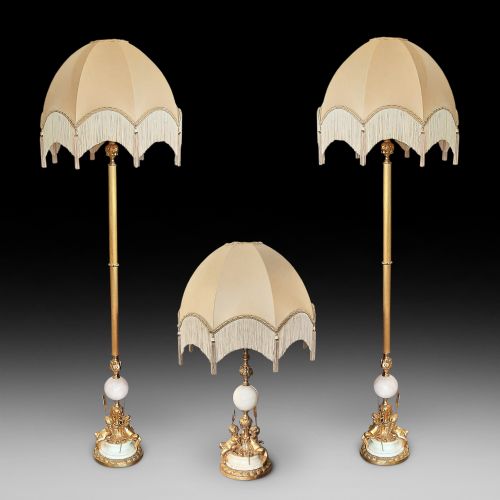
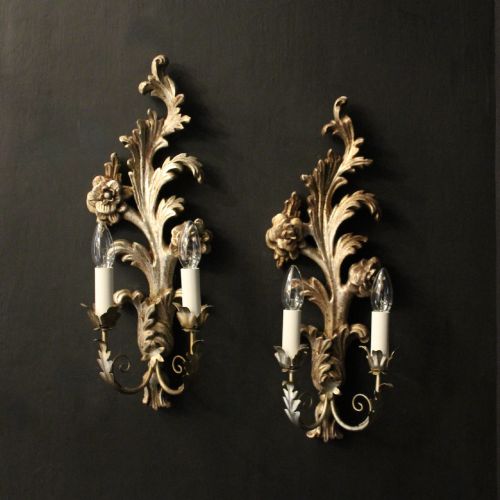
A vintage gilt lamp pair comprises matched lighting pieces finished in gold tones, most frequently encountered as table lamps or wall sconces originating from the nineteenth and early twentieth centuries. These pieces encompass diverse stylistic influences, ranging from French Rococo and Louis XVI revivals to Hollywood Regency designs.
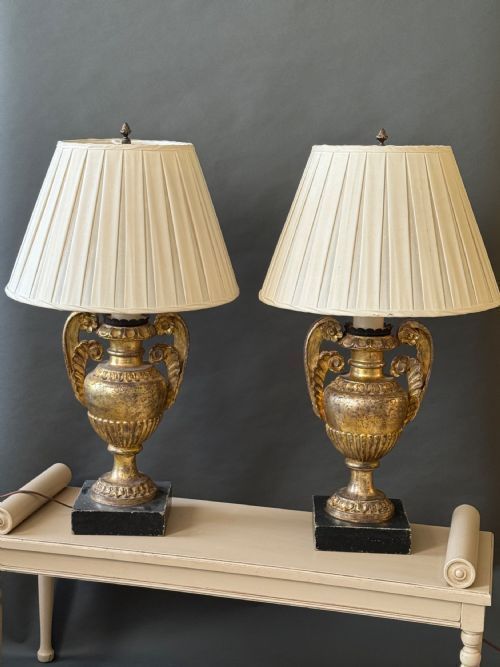
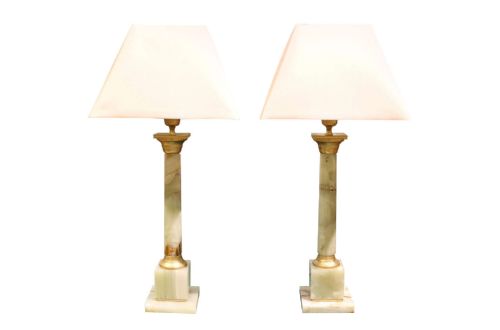
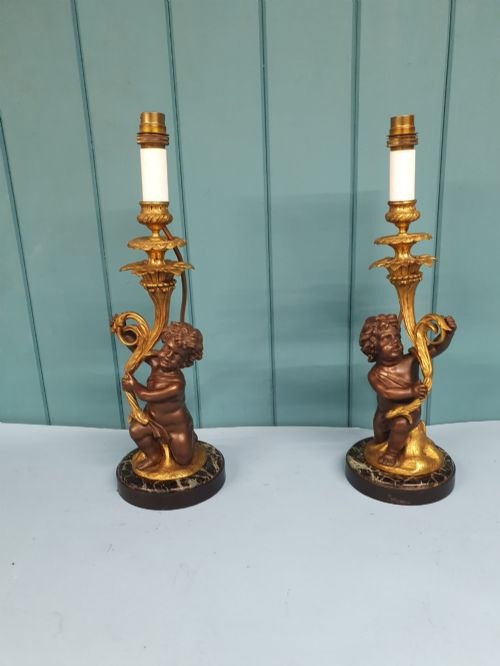
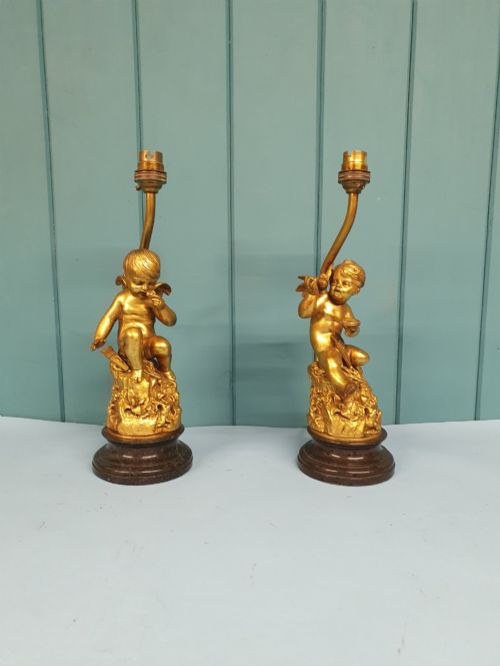
The selection ranges from classical columnar forms in onyx and marble to figural designs incorporating cherubs, putti, and sphinxes. Many examples began life as vases, urns, or candlesticks before conversion into lamps in later decades.
Materials and construction
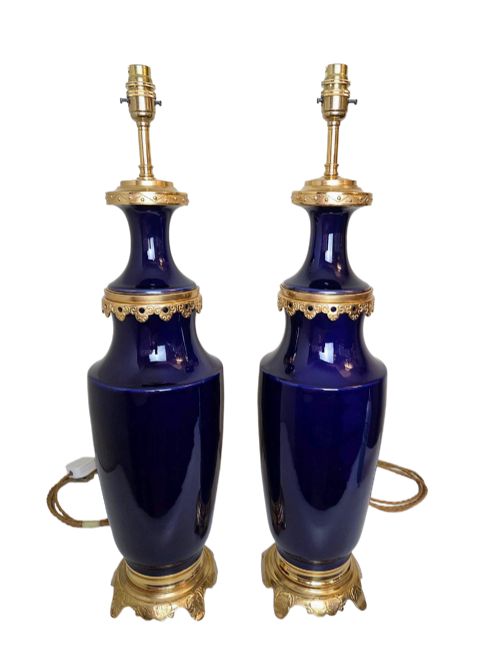
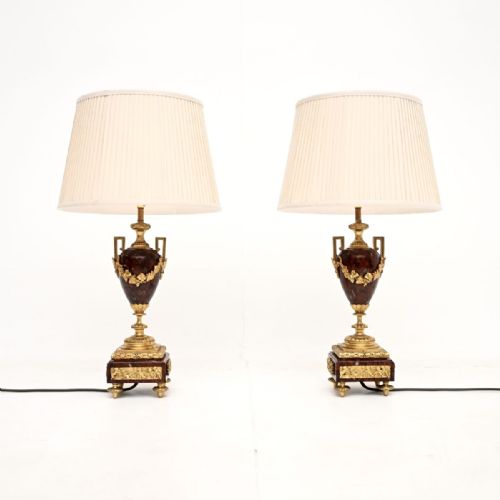
Maker construction relies heavily on cast metals such as brass, bronze, and ormolu, frequently paired with natural materials including marble, alabaster, onyx, and porcelain. Gilding techniques apply gold leaf or gold wash over wood and metal to achieve a luminous surface finish.
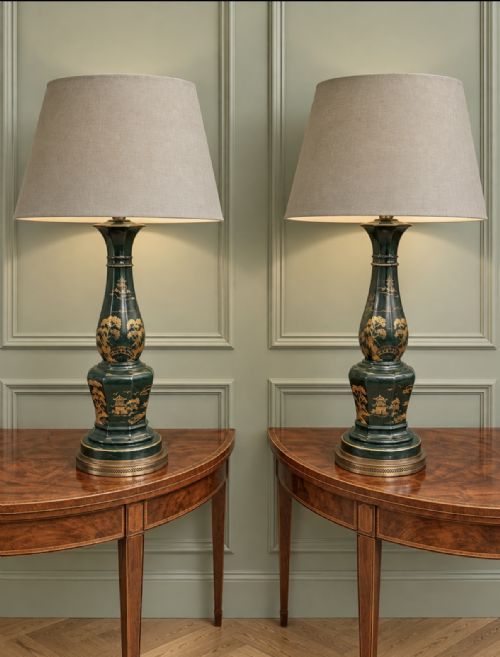
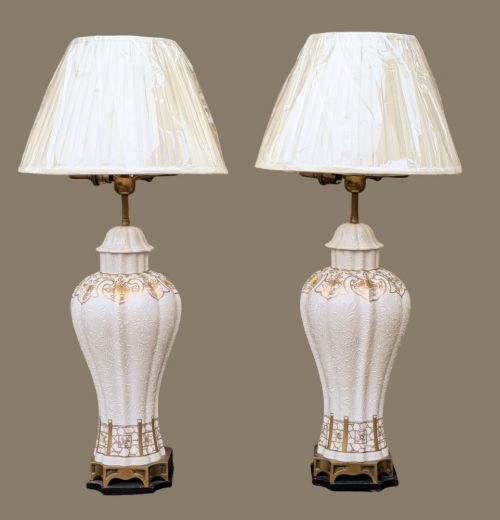
Decorative details incorporate champlevé enamel, crystal pendants, and hand-painted ceramic bodies in Chinoiserie and Satsuma styles. Assembly often joins heavy stone bases with detailed metal mounts using threaded rods and screws.
Vintage Gilt Lamp Pair Retail Price Guide 2026
Typical asking prices for vintage gilt lamp pair among the pieces listed under this phrase on Sellingantiques today, from the lower quarter to the upper quarter. They describe what is for sale here now, not the wider market.
Materials recorded across the inventory include carved marble, onyx, alabaster, porcelain, cloisonné, and cast ormolu.
Assessing quality and manufacture
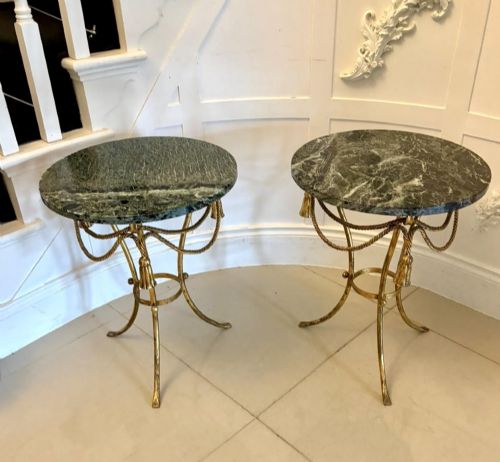
The choice of base material also dictates standard, with dense verde marble, finely grained onyx, and hand-painted porcelain bodies representing superior manufacture compared to simpler stamped metal equivalents.
E Rousseau·Hicks and Meigh
The Vintage Gilt Lamp Pair Glossary
- Ormolu
- Gilded bronze, typically produced by applying a mercury and gold amalgam to cast bronze before heating. This technique creates a durable, warm metallic finish seen on nineteenth-century French lighting.
- Champlevé
- An enamelling technique where troughs or cells are hollowed out of a metal surface and filled with vitreous enamel. These coloured glass pastes are then fired and polished flush with the surrounding metal.
- Alabaster
- A fine-grained, translucent stone often used for carved lamp bodies and column shafts. When illuminated, the material diffuses a soft, even glow.
- Tole-peinte
- Painted tin or sheet metal, frequently utilised for decorative column lamps and shades. The painted surfaces often feature traditional floral or pastoral motifs.
Vintage Gilt Lamp Pair: Frequently Asked Questions
Are these lamps recently rewired?
Many vintage lighting pieces arrive with modern electrical wiring installed to meet current safety standards, though some retain older cords.
Buyers should inspect the specific listing details or consult the dealer regarding the current state of the internal wiring and plug types.
How do I date a gilt lamp?
Dating relies on stylistic markers, casting techniques, and the materials used in the base and column. Pieces referencing Louis XVI or Rococo styles often date from nineteenth-century revival periods rather than the eighteenth century itself.
Examining the construction methods, screw types, and mounting hardware helps narrow down the decade of manufacture.
Can I use standard lampshades with these?
Most paired lamps accept standard shade fittings depending on the type of harp or shade carrier attached to the bulb holder. Ensuring the scale of the shade matches the height of the lamp base maintains proper visual balance.
Fabric shades in silk or patterned linen complement the metallic finishes and traditional ceramic bodies.
How should I clean gilt surfaces?
Gilt metal and ormolu require gentle dusting with a soft, dry cloth to prevent accumulation without disturbing the delicate gold surface. Abrasive cleaners and chemical polishes must be avoided entirely, as they strip the gold finish from the underlying metal.
Stone and marble bases tolerate mild soap and water on a damp cloth, provided moisture is kept away from electrical components.