

Vintage Gilt Framed Mirror
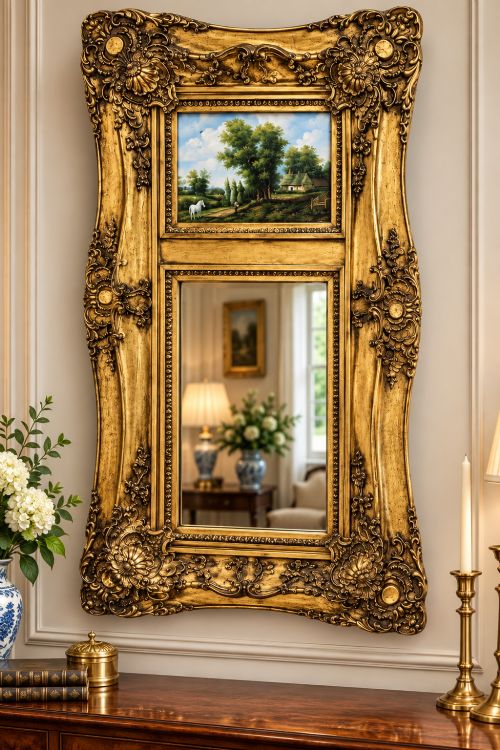
A vintage gilt framed mirror brings warmth and reflective depth to a room, catching the light through gilded surfaces and ornate carving.
Vintage Gilt Framed Mirror
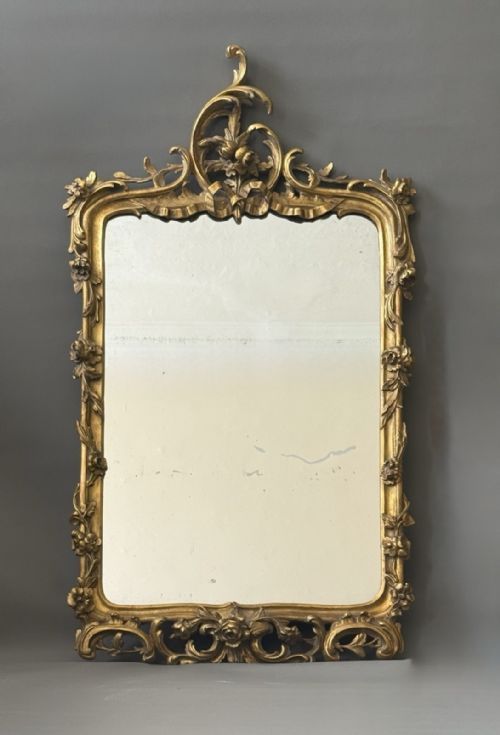
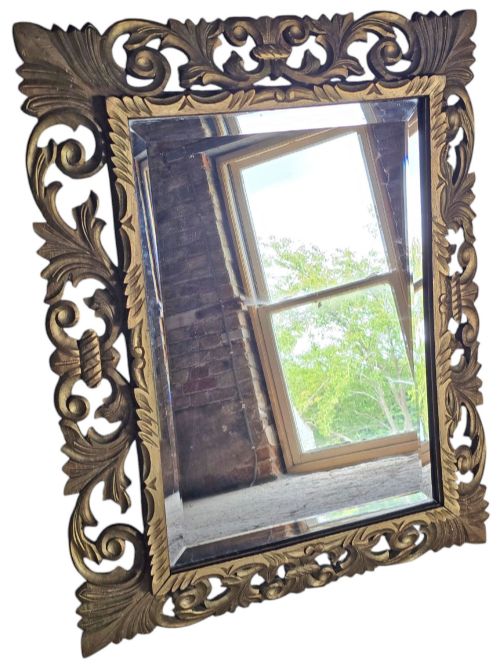
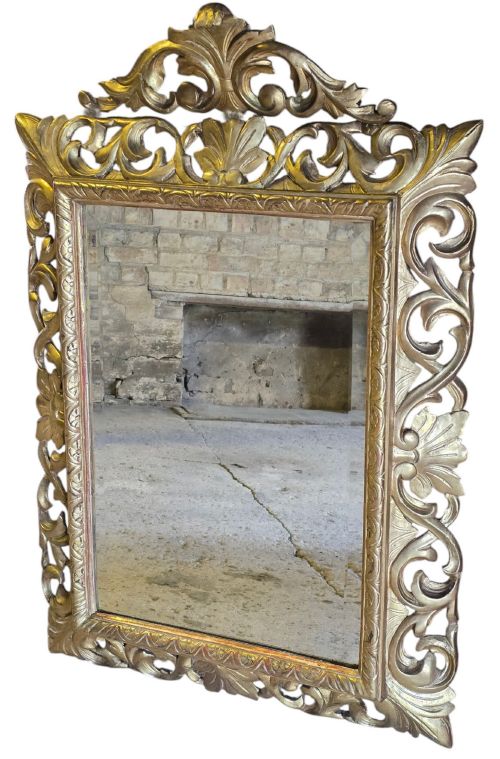
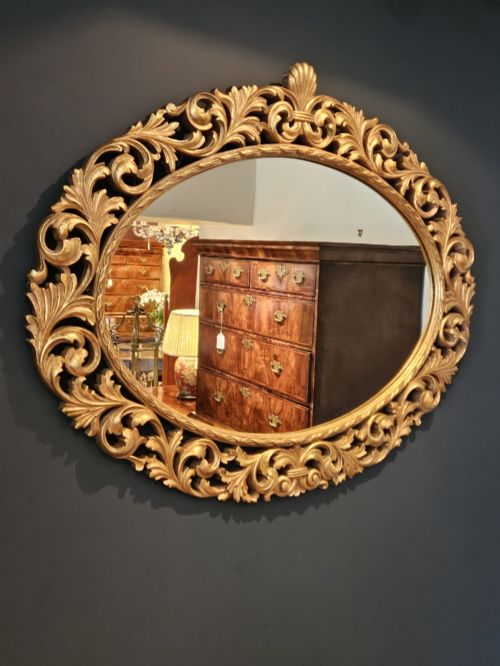
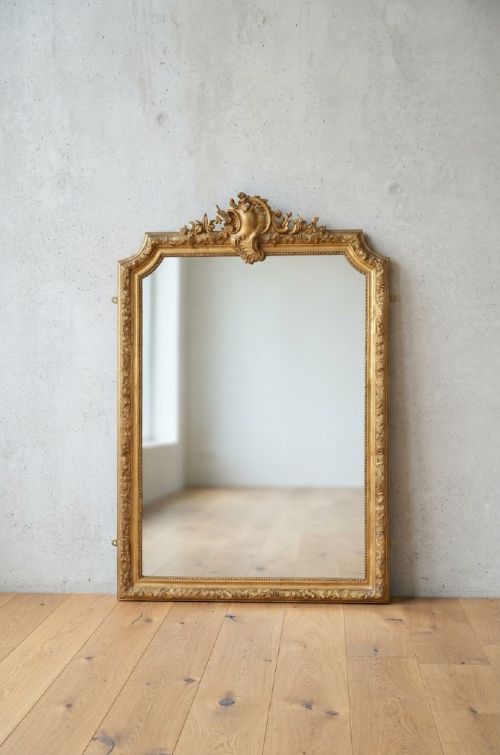
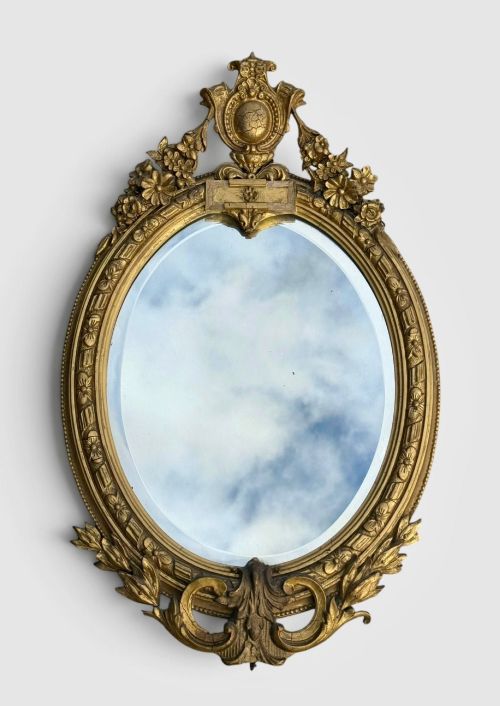
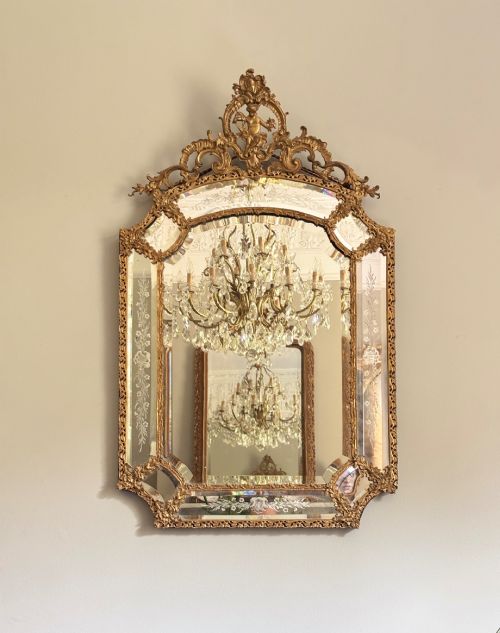
When searching for a vintage gilt framed mirror, collectors encounter an array of wall mirrors, overmantel mirrors, and girandoles originating from the eighteenth century through to the early twentieth century. These pieces encompass distinct regional designs, from Florentine carvings to French Louis Philippe and Rococo styles.
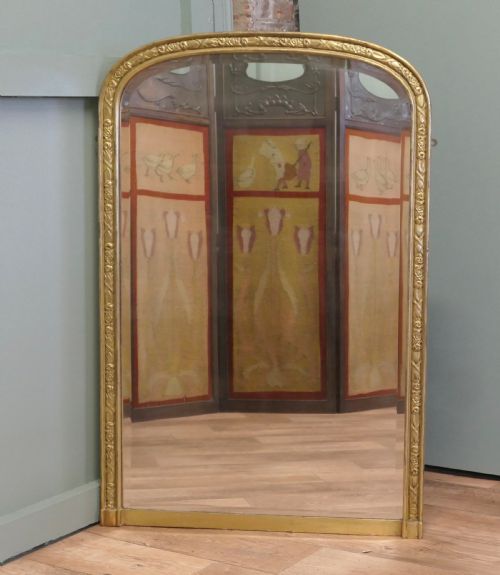
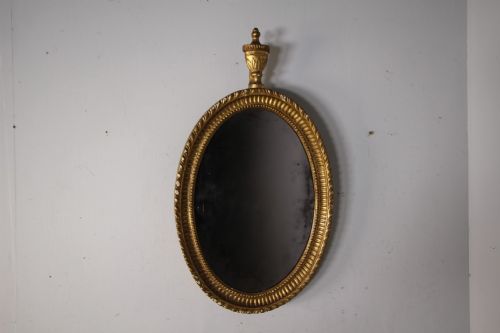
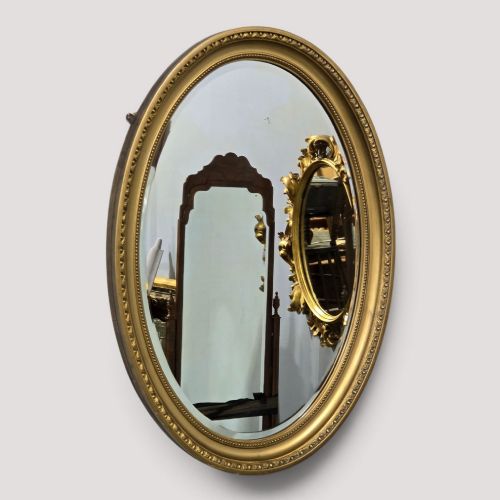
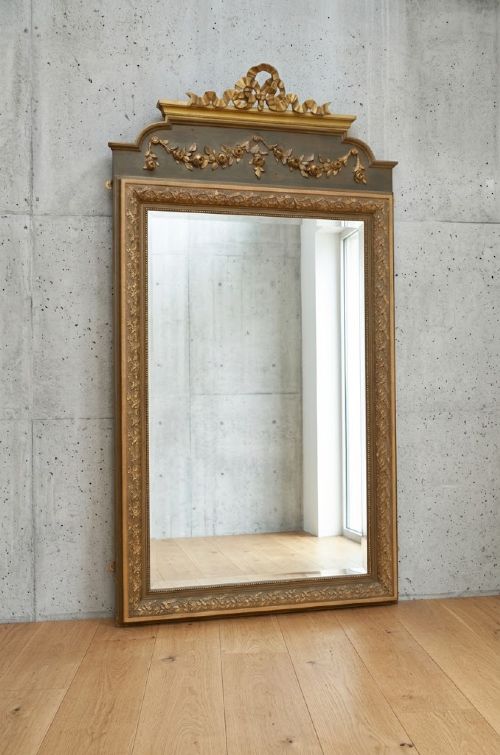
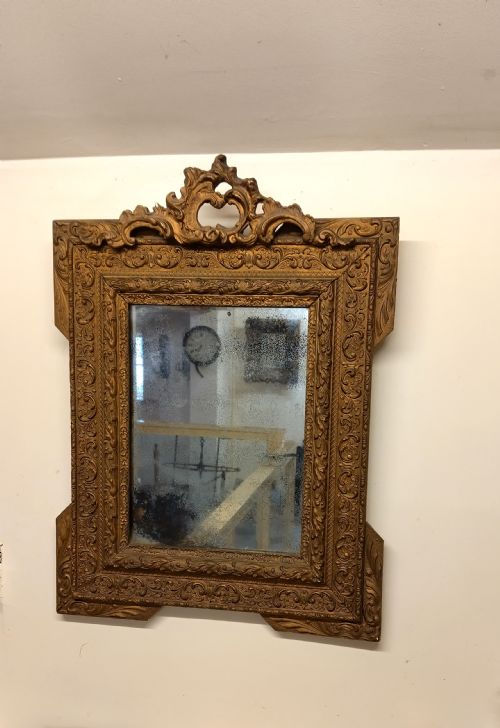
The selection on this page relies heavily on nineteenth-century French and English craftsmanship, alongside Italian workshops. Buyers frequently meet rectangular wall mirrors and grand overmantels featuring distressed antique glass plates alongside oval and shaped frames.
Materials and construction methods
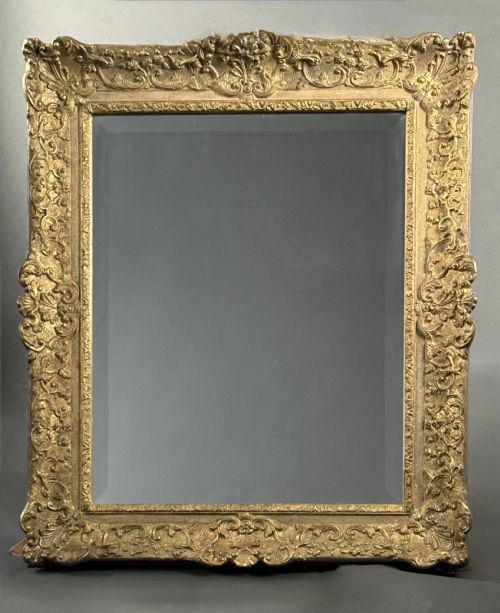
Maker construction combines timber bases, such as carved wood or walnut, layered with gesso or composition mouldings to build up deep relief details. Craftsmen then applied gold leaf or gilt finishes over these surfaces to achieve a luminous appearance.
Mirrors from earlier periods often utilise mercury glass plates showing natural foxing and age spots. Later examples incorporate bevelled mirror plates set securely within carved wood, plaster, or gilt bronze frames.
Certain French models sport whimsical olive green accents alongside traditional gilding, proving that historical decorators also enjoyed a touch of unexpected colour.
Judging quality and craftsmanship
Quality rests in the depth and crispness of the hand-carved ornamentation rather than moulded composition paste. Superior frames display sharply defined acanthus leaves, scrollwork, and figures that maintain their integrity beneath layers of gilding.
The integrity of the original mirror plate also dictates value, where untouched mercury glass with natural foxing commands greater appreciation than modern replacement glass. Original backing boards and undisturbed gilding layers further separate standard decorative items from superior examples.
The Vintage Gilt Framed Mirror Glossary
- Giltwood
- Wood that has been coated with gold leaf or metal leaf. This technique provides a rich, warm metallic sheen across the carved details of the frame.
- Gesso
- A plaster-like mixture applied to wooden frames as a base for gilding. It allows artisans to carve intricate relief patterns before applying gold leaf.
- Mercury plate
- An early mirror glass produced using a tin and mercury amalgam. This process creates a characteristic mottled reflection known as foxing.
- Overmantel mirror
- A large mirror designed to hang above a fireplace mantelpiece. These pieces often feature wide proportions to span the width of the hearth.
- Girandole
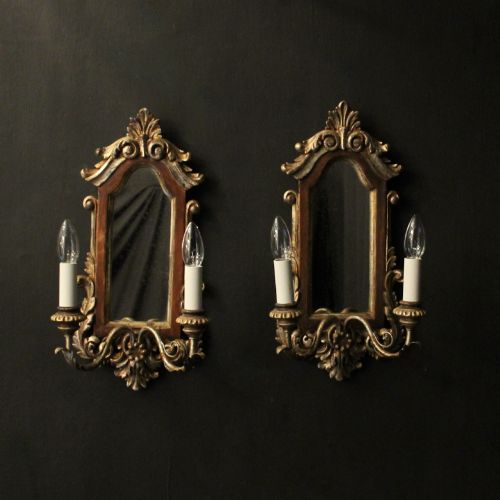
- A decorative wall mirror with attached candle sconces. The candle arms reflect candlelight across the room from the glass surface.
Vintage Gilt Framed Mirror: Frequently Asked Questions
How do I date a gilt mirror?
Dating relies on examining the construction methods of the wooden frame and the characteristics of the glass plate. Eighteenth and early nineteenth-century pieces often show hand-carved wooden frames and foxed mercury glass.
Later Victorian and twentieth-century examples frequently utilise composition mouldings and machine-made plate glass. Examining the backboards and fixings also reveals clues regarding the manufacturing period.
What is foxed glass?
Foxing refers to the dark spots and mottled patches that develop within older mirror plates over time. This occurs as the backing degrades and interacts with the atmosphere.
Collectors prize foxed mercury glass for the authentic age and soft, atmospheric reflection it brings to a room.
Where should I hang an overmantel mirror?
Overmantel mirrors traditionally hang directly above a fireplace mantelpiece to anchor the room and reflect light. Their generous proportions make them suitable as a primary focal point on a main living room wall.
Ensure the wall fixings match the substantial weight of the timber and gesso frame before hanging.
How do I clean a gilt frame?
Dust gilt frames gently with a soft, dry brush to prevent damage to the delicate gold leaf or gesso surface. Avoid liquid cleaners and chemical solvents, which strip away the historic gilding.
Professional restoration is recommended if the gesso or carved elements require structural repair.