

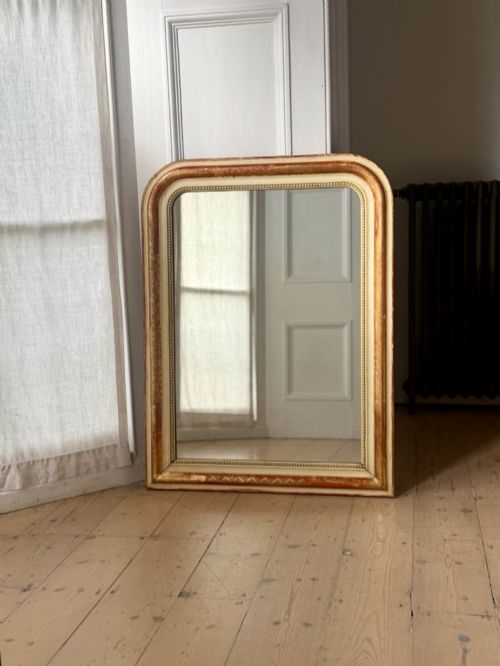

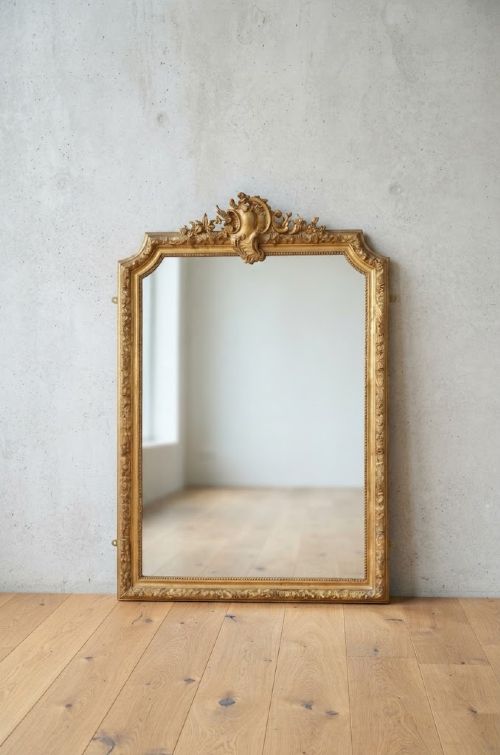
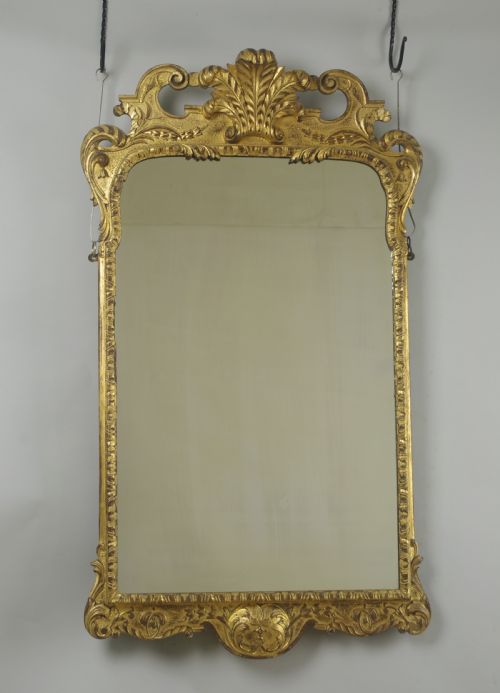
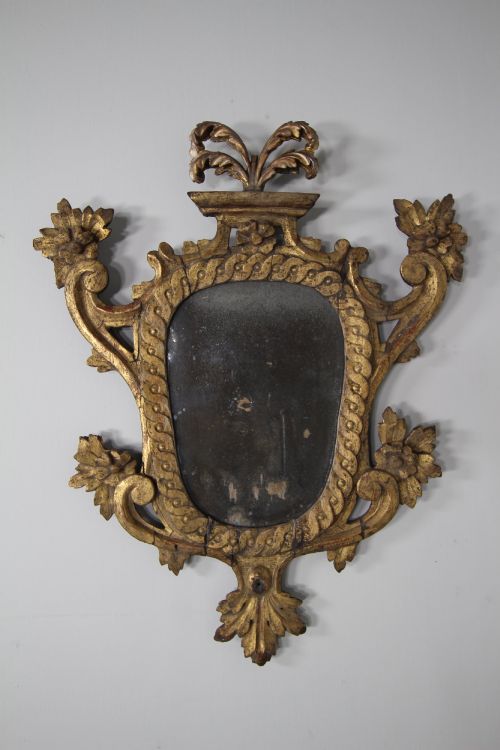

Vintage Gilt Accent Mirrors
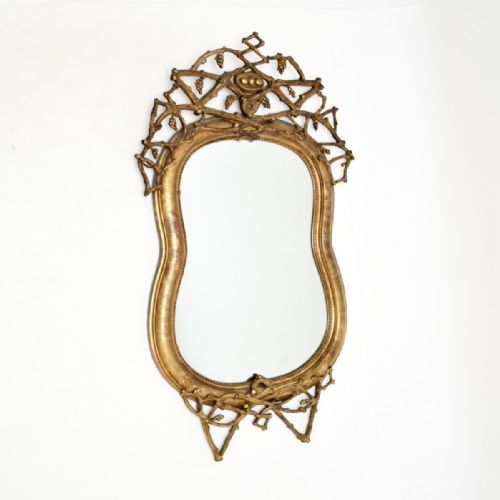
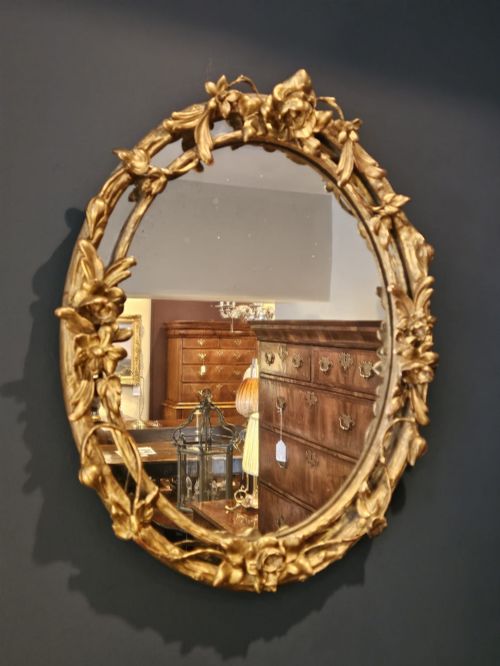
These vintage gilt accent mirrors bring warmth and reflective depth to a room, catching the daylight through rich gold leaf and carved wooden frames.
Vintage Gilt Accent Mirrors
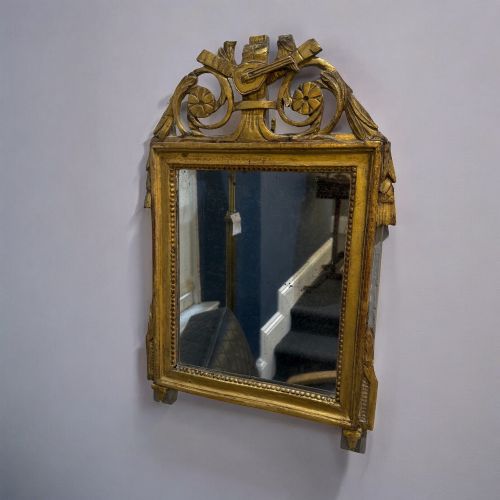
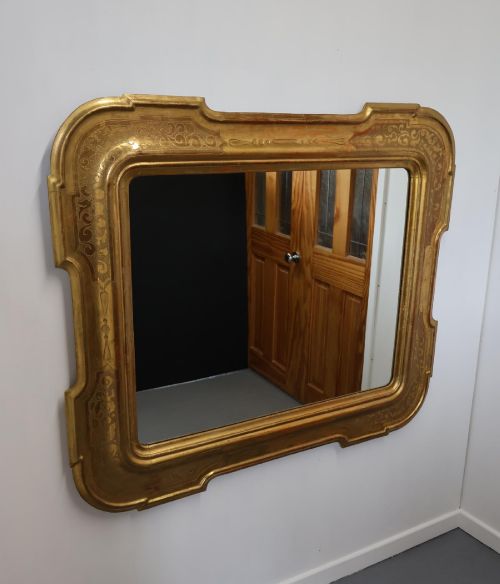
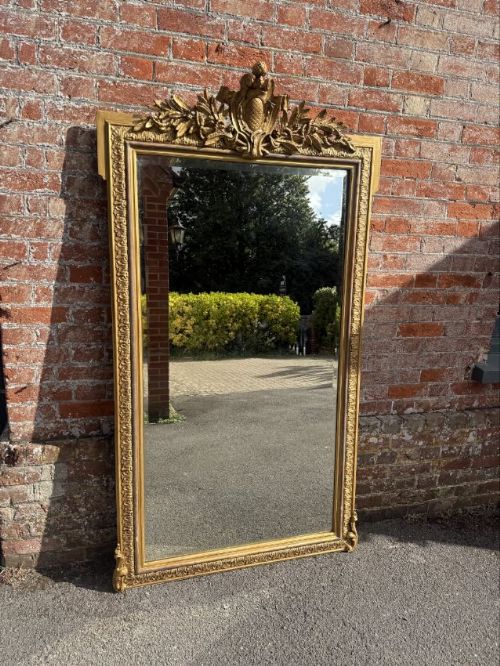
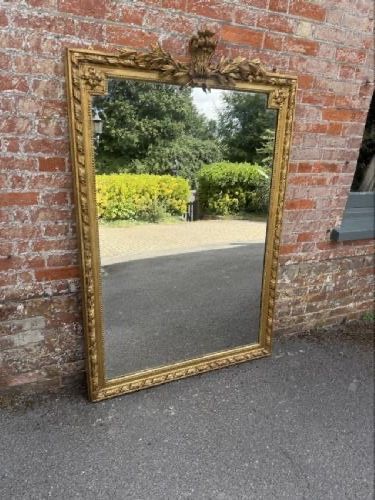
Vintage gilt accent mirrors encompass wall-hanging decorative looking glasses finished in gold leaf, giltwood, or applied gesso over carved wooden substrates. They serve to bounce light around a room while adding a distinct decorative anchor to an interior wall.
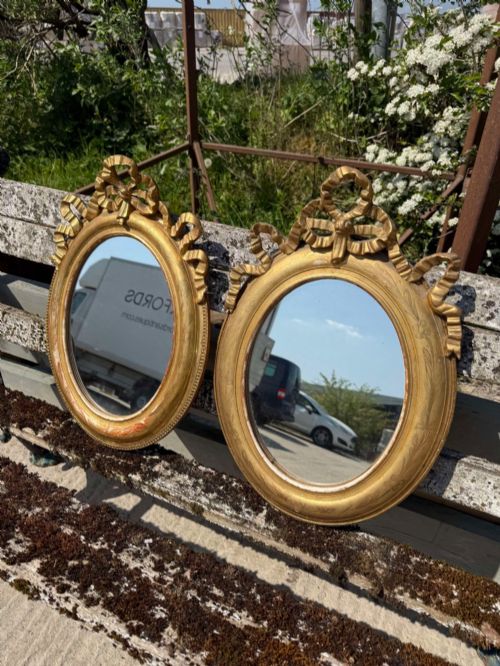
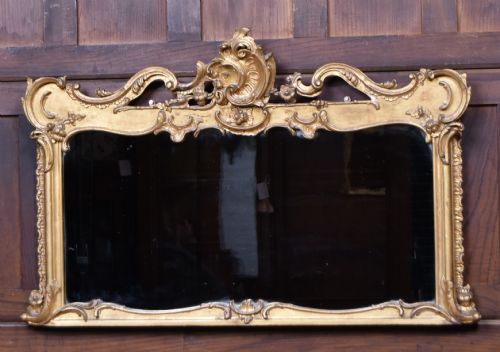
The pieces appearing on this page span several centuries, reaching from the eighteenth century through the Victorian era and into the early twentieth century. Common forms include small oval wall pieces, convex mirrors, and larger overmantel designs suited for placement above a fireplace.
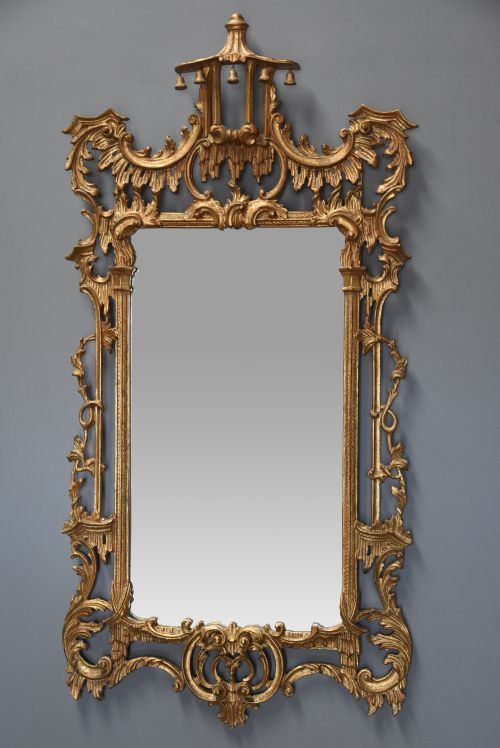
Stylistic influences run toward French and Italian Rococo Revival, Louis XVI, and Chinese Chippendale aesthetics. Makers often utilised elaborate foliate carving, scrolls, and pierced crestings to give these frames their characteristic ornamental presence.
How they were made
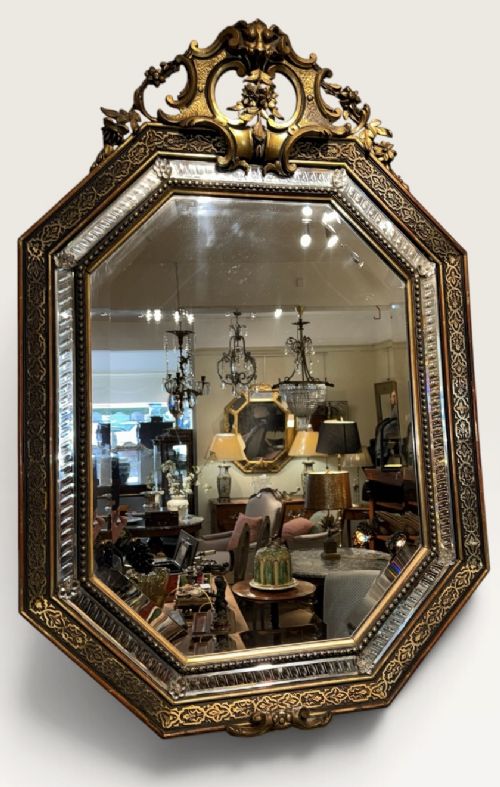
Makers constructed the foundational frames primarily from solid wood, frequently carving intricate floral motifs, rope twists, or cartouche outlines directly into the timber. A layer of gesso, a fine plaster mixture, was then applied to the carved wood to create a smooth, responsive surface for gilding.
Gold leaf or liquid gilt was meticulously laid over the prepared gesso base, often burnished to achieve varying degrees of matte and reflective lustre. Some examples incorporate bare gesso showing through worn gilding, revealing the underlying preparation layers from the nineteenth or eighteenth centuries.
Vintage Gilt Accent Mirrors Retail Price Guide 2026
Typical asking prices for vintage gilt accent mirrors among the pieces listed under this phrase on Sellingantiques today, from the lower quarter to the upper quarter. They describe what is for sale here now, not the wider market.
Listings feature periods spanning from the 18th century through the Victorian era to the mid-20th century, utilising materials such as gesso, carved wood, and glass.
What varies in quality
The depth and crispness of the wood carving separate standard decorative frames from superior examples. Hand-carved detailing on eighteenth-century and nineteenth-century pieces exhibits sharp undercutting and fluid asymmetry, particularly within Rococo Revival styles.
The application and preservation of the gold leaf or gesso also dictate the visual standard. Fine surfaces show subtle tonal variations and honest wear that respects the age of the piece without losing the integrity of the original gilt finish.
The Vintage Gilt Accent Mirrors Glossary
- Giltwood
- Wood that has been coated with gold leaf or a gold-coloured metallic finish. This material forms the primary visual identity of antique decorative mirrors.
- Gesso
- A plaster-like preparation mixture applied to wood frames to provide a smooth surface for gilding. It accepts fine carving details before the gold leaf is laid down.
- Rococo Revival
- A nineteenth-century design style drawing on eighteenth-century French motifs. It is characterised by asymmetrical scrolls, C-scrolls, and organic plant forms.
- Overmantel Mirror
- A large horizontal mirror designed specifically to hang on the wall directly above a fireplace mantel. These pieces often feature grand proportions and ornate crestings.
- Convex Mirror
- A round looking glass with a curved outward surface that provides a wide-angled, distorted reflection of the room. They gained popularity during the Regency and Victorian periods.
Vintage Gilt Accent Mirrors: Frequently Asked Questions
Where should I hang a gilt accent mirror?
These mirrors work effectively opposite a window to maximise natural daylight and make smaller spaces feel more open. They also suit placement above a mantelpiece or a hallway console table.
Ensure the wall fixings match the weight of the carved wood frame. Heavier nineteenth-century overmantel pieces require secure wall anchors rather than standard picture hooks.
How do I clean a vintage gilt mirror?
Dust the carved frame gently with a soft, dry brush to prevent accumulating dirt in the recesses of the gesso. Avoid modern chemical sprays that might strip or discolour the delicate gold leaf.
Use a mild glass cleaner applied to a cloth rather than directly onto the mirror plate. This stops liquid from seeping behind the silvering or damaging the antique wooden edges.
How do I identify the period of a mirror?
Examine the construction of the wooden backboards, the type of mirror plate glass, and the characteristics of the gesso. Hand-beveled plates and older fixings often point toward nineteenth-century or earlier origins.
Stylistic cues such as heavy Victorian scrolling or lighter eighteenth-century Chippendale fretwork help narrow down the decade. Material wear patterns also offer clues regarding age.