




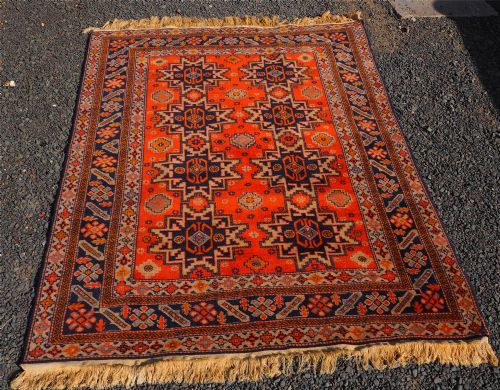
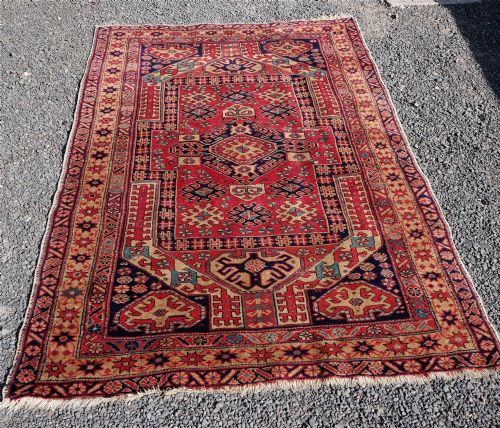
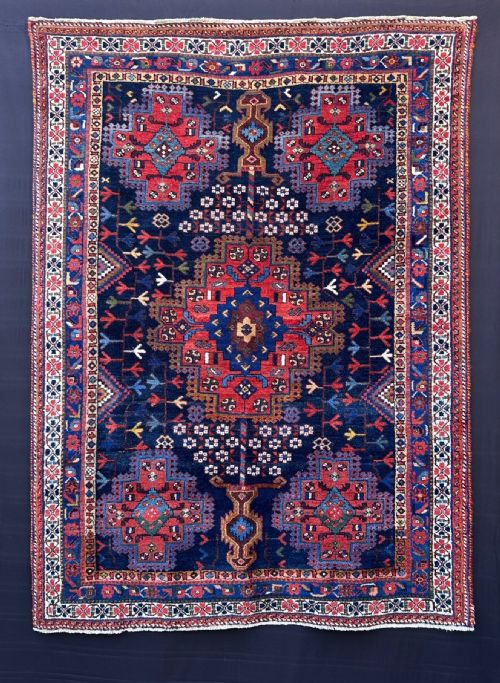
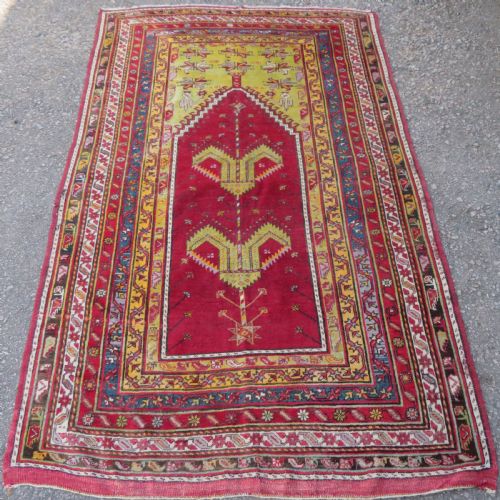
Vintage Geometric Tribal Rug
A vintage geometric tribal rug brings structure and grounded narrative through village-knotted wool and earned colour.
Vintage Geometric Tribal Rug
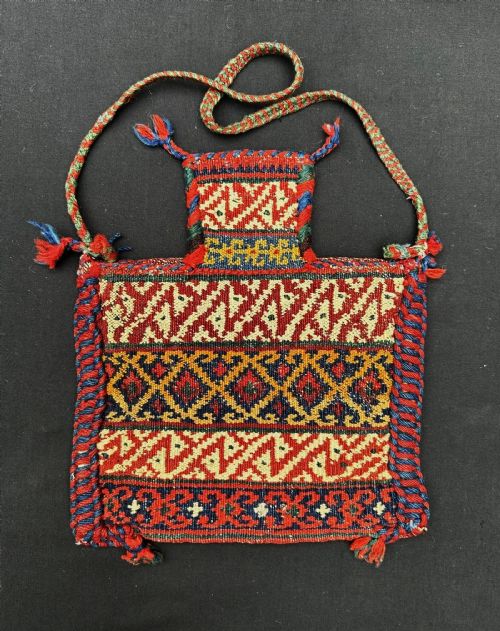
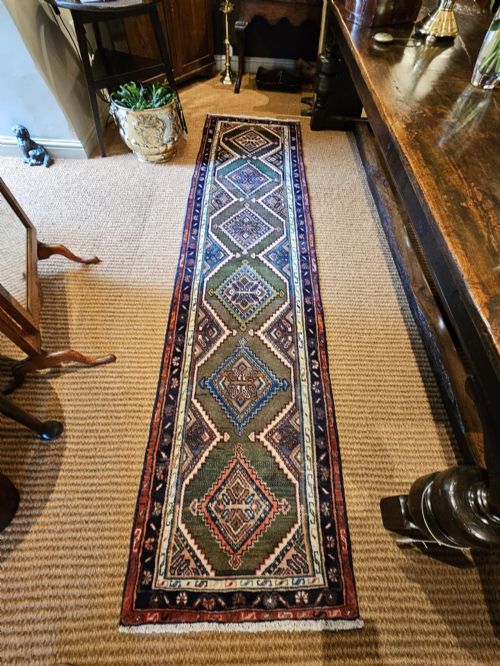
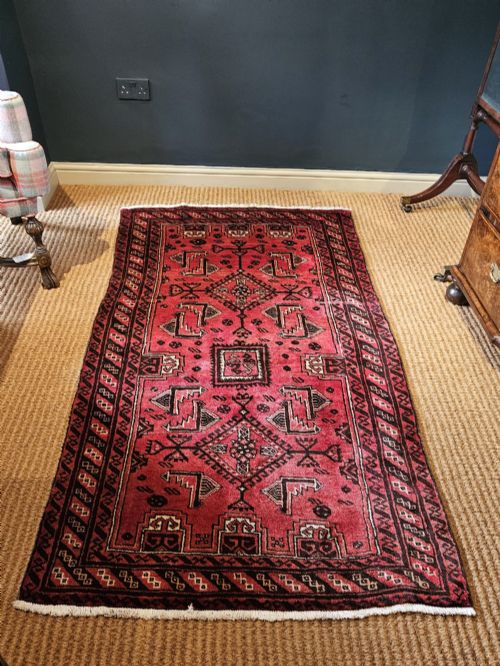
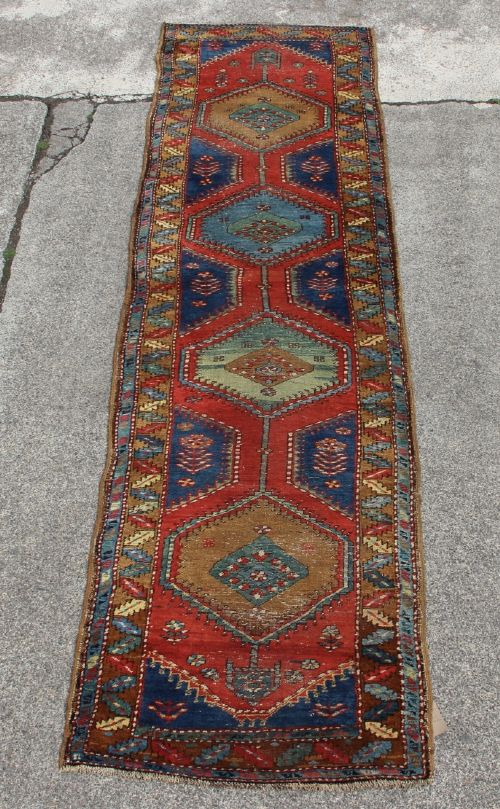
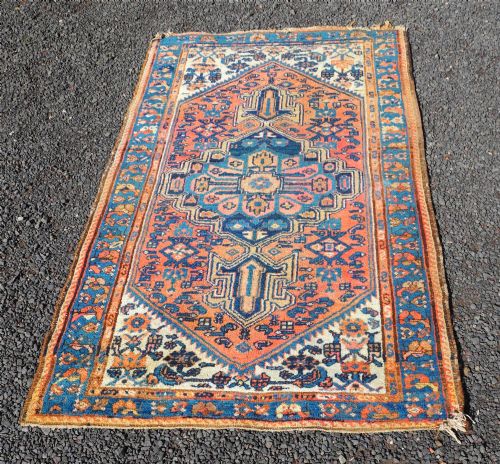
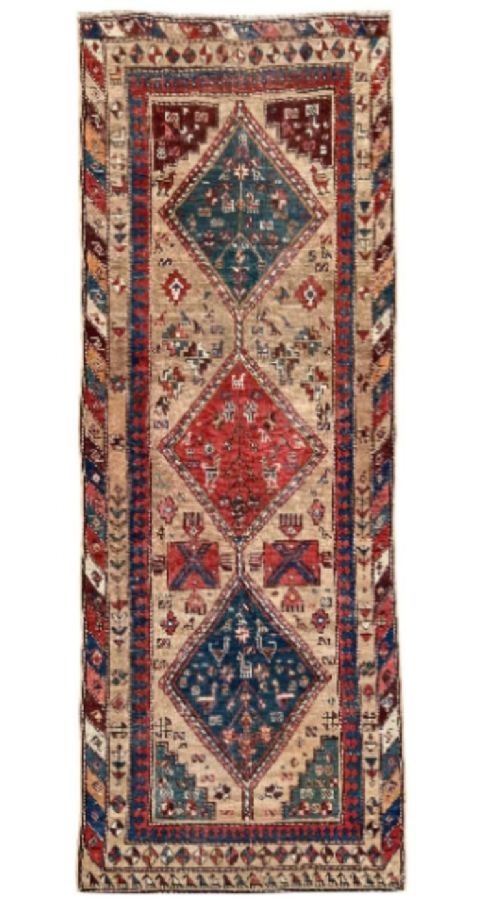
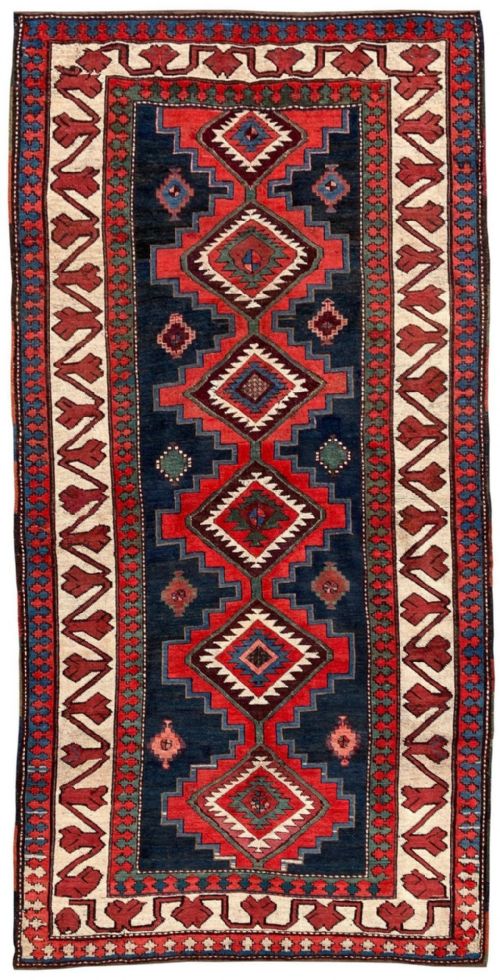
A vintage geometric tribal rug unites centuries of nomadic and village weaving traditions from Persia, the Caucasus, Anatolia, and Turkmenistan. These textiles take the form of area rugs, long hallway runners, hearth-sized mats, and functional domestic bags.
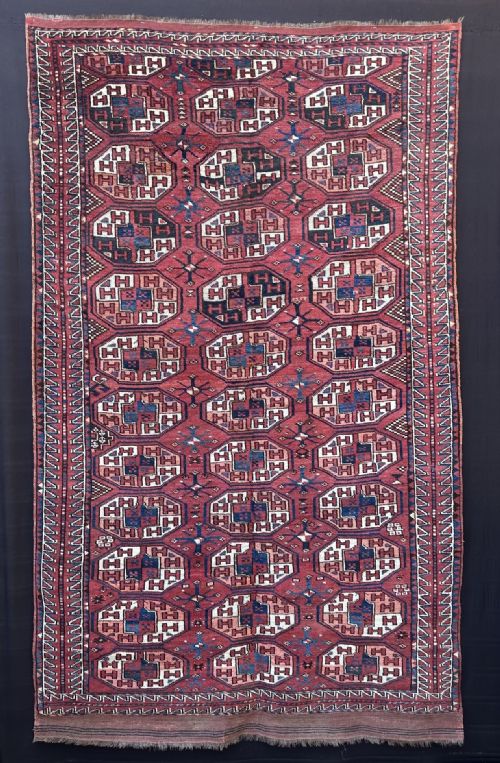
The most common examples encountered here hail from the late nineteenth century through to the 1930s, displaying bold medallions, lattice grids, and repeating motifs created by tribal groups such as the Afshar, Baluch, and Kazak.
Materials and Construction
Makers utilised hand-spun wool and pure wool foundations, often paired with cotton for structural warp and weft threads, alongside exotic alternatives like cactus silk and sabra fibre. These natural materials were dyed using organic plant and mineral sources that settle into deep, muted tones over time.
Nomadic weavers constructed these pieces on portable vertical or horizontal looms, tying symmetrical or asymmetrical knots by hand without pre-drawn paper patterns. This direct method left room for spontaneous shifts in design and colour alignment.
Current listings feature pieces spanning the 1870s to the 1930s, constructed from hand-spun wool, cotton, and natural dyes.
Judging Quality and Execution
The standard of a piece rests on the integrity of its wool supply and the clarity of its secondary dyes. Tighter knot counts per square inch allow intricate geometric lines to hold their sharpness rather than blurring into the surrounding field.
Compositional balance also dictates grade, separating routine village output from confident masterwork weaving. An even tension across the entire rug ensures the piece lies flat and maintains structural endurance through generations of use.
Afshar Nomads·Kizyl Ayak Tribe·Ersari Beshir Turkmen
The Vintage Geometric Tribal Rug Glossary
- Medallion
- A central ornamental design motif placed in the middle of the carpet field. It usually takes a geometric or hooked polygon shape in tribal pieces.
- Warp
- The vertical threads stretched tightly on the loom before knotting begins. These form the structural foundation of the textile.
- Weft
- The horizontal threads passed across the warp after every row of knots to lock them in place. They determine the firmness of the rug body.
- Natural Dyes
- Colourants derived from plants, roots, insects, and minerals rather than synthetic aniline compounds. They yield rich patinas that mellow gracefully.
- Runner
- A long, narrow carpet format designed specifically for corridors, hallways, and staircases. These pieces balance repeated border patterns with elongated fields.
Vintage Geometric Tribal Rug: Frequently Asked Questions
How do I identify a tribal rug?
Look for bold, unpretentious geometric motifs, hooked polygons, and repeating lattice structures rather than fluid court florals.
These patterns reflect regional village traditions and the personal expression of the weaver rather than standardised factory designs.
Where were these rugs made?
Production centres span across Persia, the Caucasus, Anatolia, and Turkmenistan, taking shape in nomadic camps and small rural villages.
Different tribes utilised distinct wool preparations, colour palettes, and knotting signatures tied to their specific geographic locations.
Can I use runners in heavy traffic?
Wool and cotton construction provides natural resilience against regular foot movement in hallways and high-use domestic spaces.
Proper underlays help absorb impact and prevent slipping while protecting the original hand-spun foundation from unnecessary friction.
What materials make up these carpets?
Pure wool and hand-spun wool dominate the pile and foundation, occasionally supported by cotton warp threads or specialised fibres like cactus silk.
Organic dyestuffs derived from natural sources give the wool its characteristic depth and capacity to soften in tone.