


Vintage Geometric Textile
These vintage geometric textile pieces offer bold tribal patterns and rich historical weaving traditions for contemporary interiors.
Vintage Geometric Textile
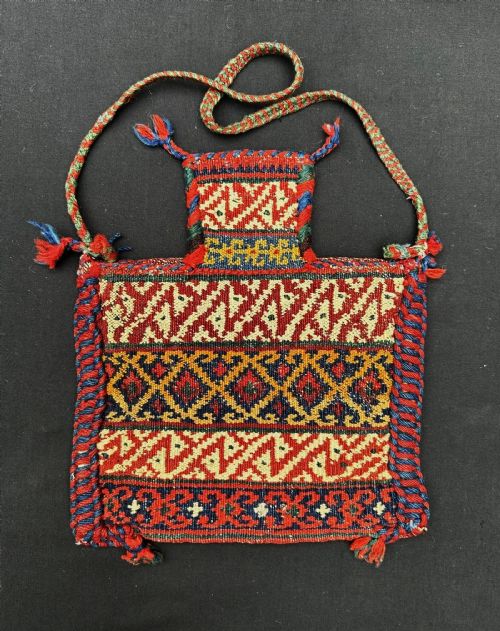
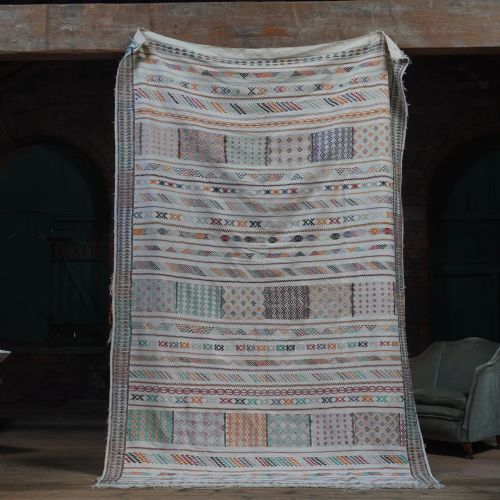
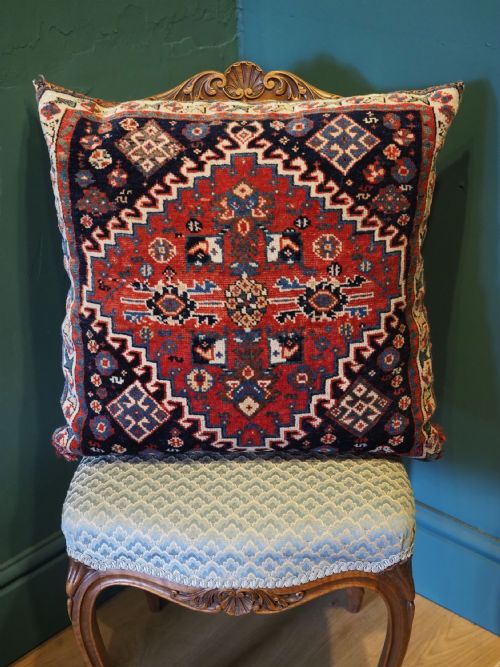
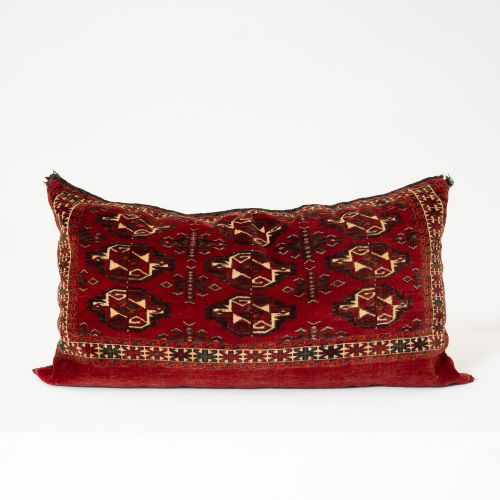
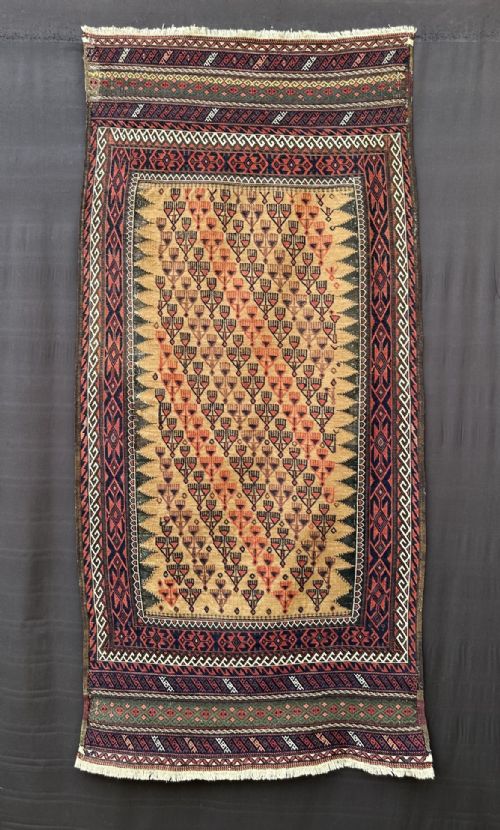
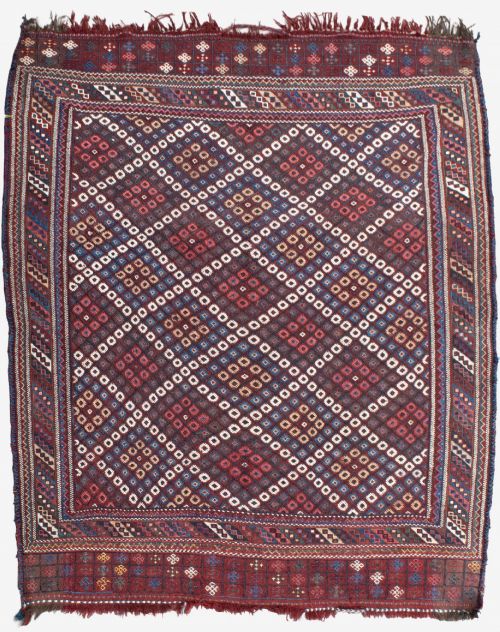
A vintage geometric textile covers a diverse range of tribal and traditional nomadic artefacts originating from Persia, Central Asia, and the Caucasus. When browsing this selection, buyers frequently encounter woven bags, animal trappings, flatweave rugs, cushions, and wall hangings produced across the nineteenth and early twentieth centuries.
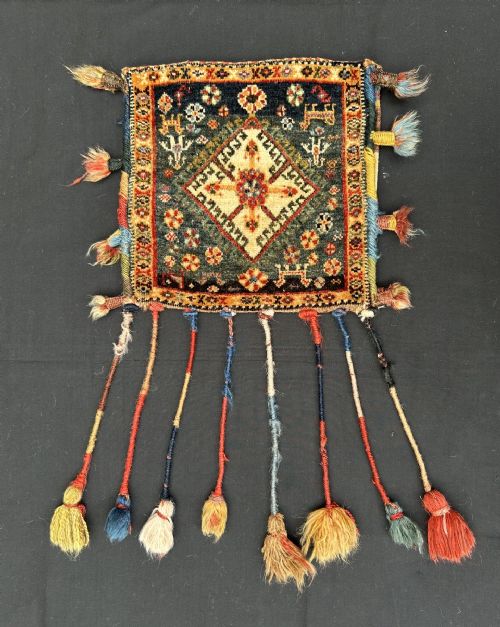
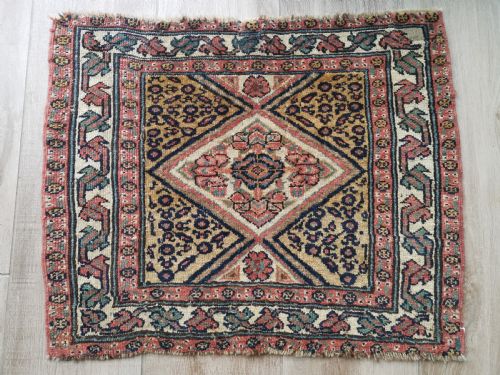
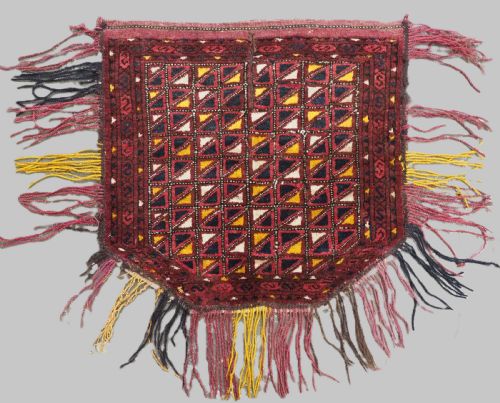
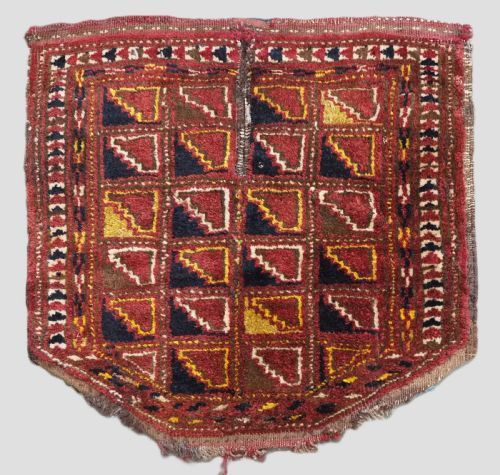
The objects showcase structured patterns characteristic of specific groups such as the Qashqai, Shahsavan, Yomut, and Ersari tribes. These items functioned originally as utilitarian objects for nomadic life, including saddle bags, eating cloths, and storage pouches, before being appreciated for their intricate visual compositions.
Materials and construction
Weavers utilised natural materials such as wool, cotton, linen, and felt, often incorporating natural dyes to achieve enduring, deep colour tones. Certain Moroccan pieces feature cactus silk and sabra fibre, introducing distinctive textural variations to the woven surface.
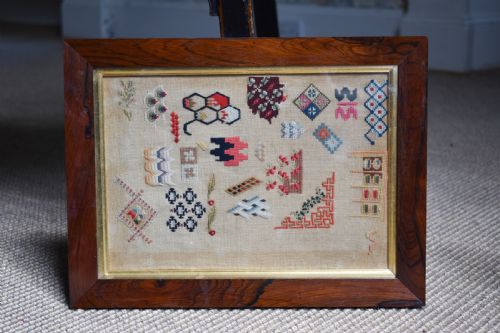
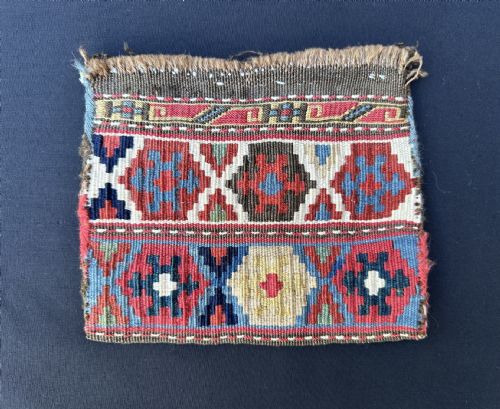
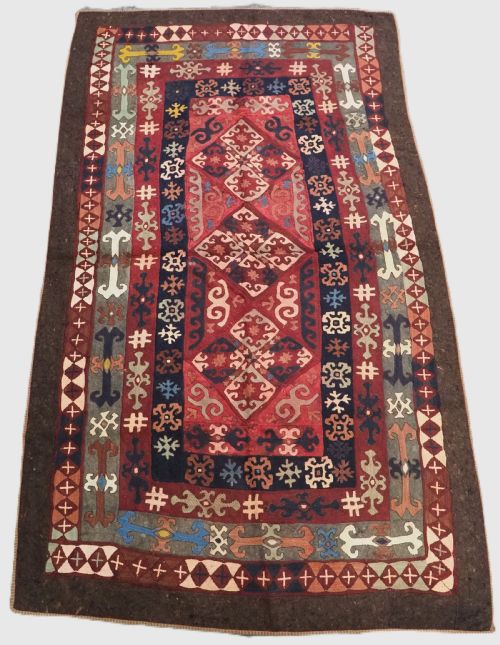
Construction techniques vary from dense pile weaving and flatweave kilim structures to intricate needlework samplers and embroidered felt panels. Many items incorporate traditional banded weft work designs or multiple narrow strips joined together to form larger panels and covers.
Some storage bags still preserve their original tassels, having survived a century of desert travel without losing a single fringe.
Distinctions in quality
Quality rests upon the precision of the geometric layout, the clarity of the tribal motifs, and the integrity of the original structure. Pieces retaining their original backs, tassels, and supplementary fringes demonstrate a higher degree of preservation.
The depth and stability of the dye work further separate standard examples from finer specimens. Natural dyes that have matured gracefully over time contribute significantly to the visual harmony of the piece.
The Vintage Geometric Textile Glossary
- Sofreh
- A woven spreading cloth used for dining or food preparation among nomadic tribes. These textiles often display striking geometric borders and field patterns.
- Asmalyk
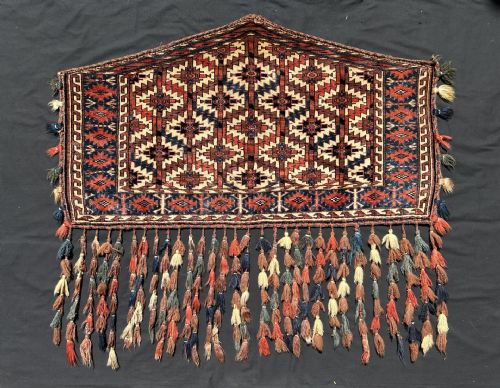
- A large pentagonal trapping historically hung on the flanks of a camel during Turkmen wedding processions. They are prized for their elaborate gul designs and symmetrical layouts.
- Torba
- A small storage bag produced by nomadic groups for domestic use inside a tent. Collectors value them for their dense, miniature repeat patterns.
- Kilim
- A flatweave textile produced without a pile by tightly interweaving warp and weft strands. This technique creates a smooth, durable fabric with sharp geometric colour transitions.
Vintage Geometric Textile: Frequently Asked Questions
How were these tribal bags originally used?
Nomadic communities utilised these woven bags for transporting and storing household possessions, grain, or personal belongings during seasonal migrations.
Many specific formats, such as saddle covers and horse trappings, served ceremonial or decorative functions during tribal gatherings and weddings.
Can I hang these textiles on the wall?
Mounting these woven pieces on a wall provides an effective way to display intricate tribal patterns while protecting the fabric from heavy floor traffic.
Proper hanging methods distribute the weight evenly across the top edge to prevent distortion of the textile structure over time.
How do I identify the tribal origin?
Tribal attribution relies on specific structural traits, colour palettes, and repeating geometric motifs characteristic of particular weaving groups.
Region-specific patterns found among Shahsavan, Yomut, or Afshar weavers offer distinct clues regarding where and by whom the textile was made.
Are natural dyes used in these pieces?
Many nineteenth and early twentieth-century examples incorporate traditional natural dyes derived from plants, roots, and insects.
These colourants tend to age gracefully, developing soft patinas and subtle tonal variations that differ significantly from synthetic dyes.