
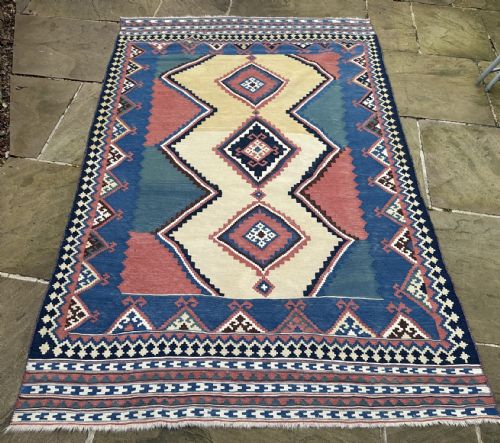
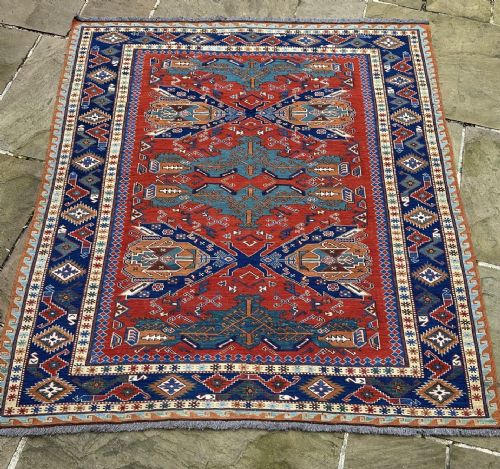

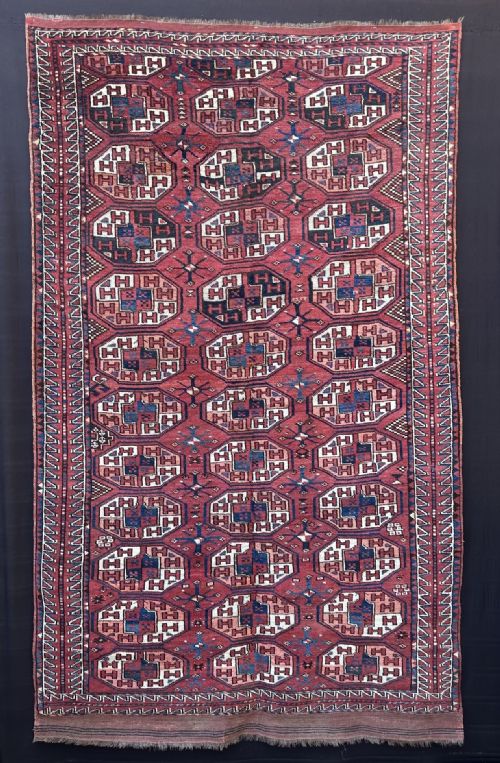
Vintage Geometric Oriental Rug
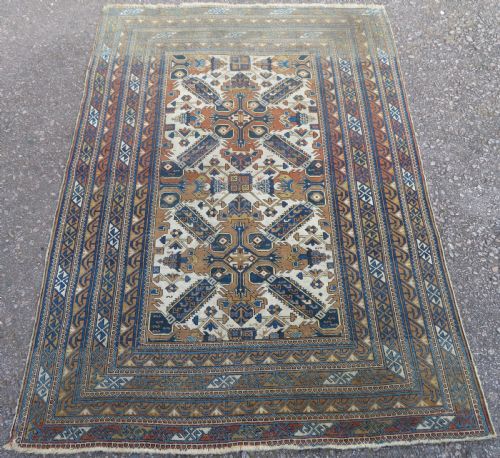
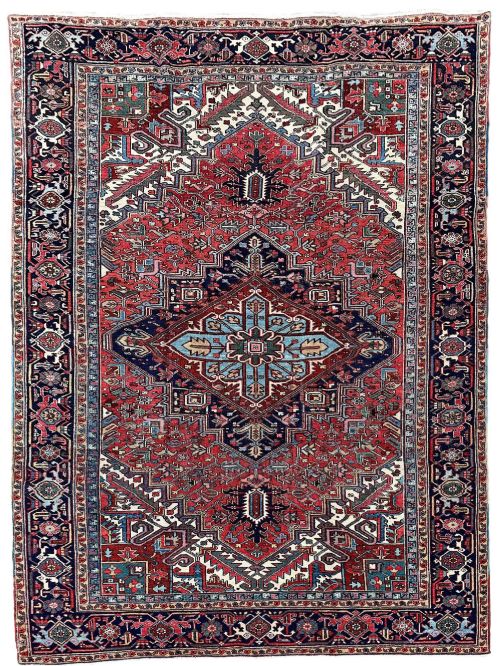
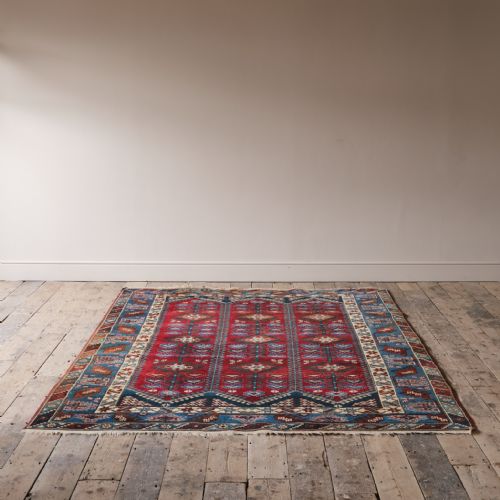
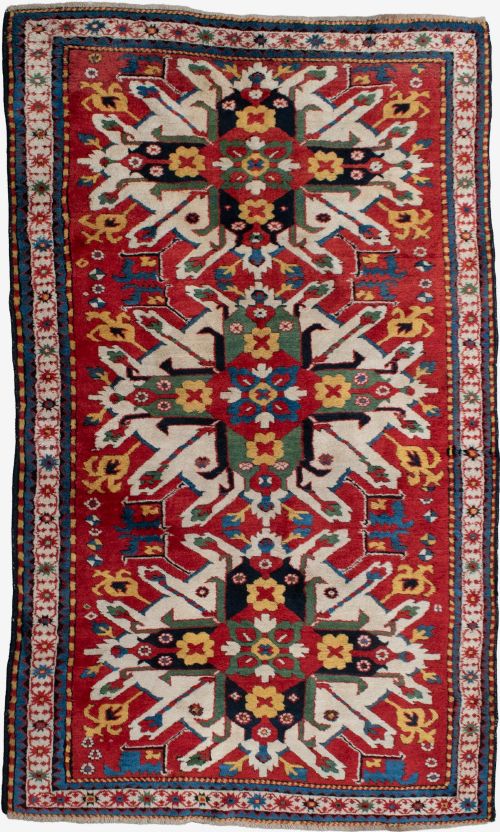
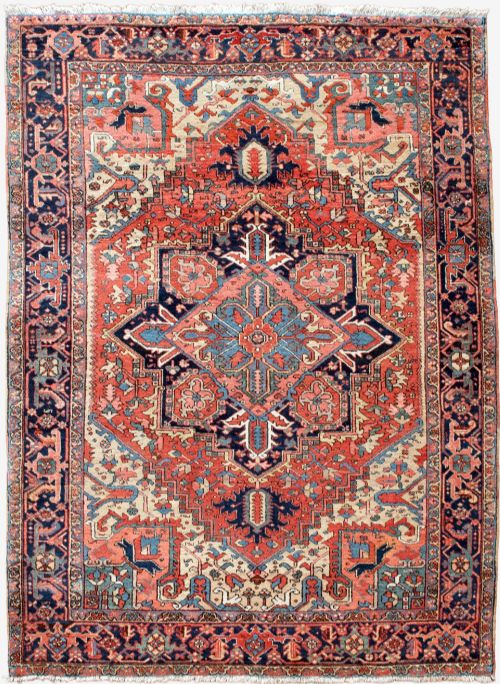
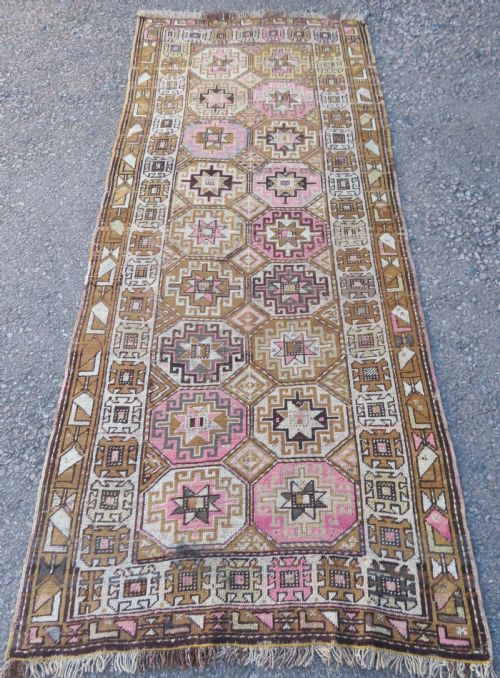
When you search for a vintage geometric oriental rug, you are looking at hand-knotted tribal and village carpets defined by bold angular motifs and rich wool.
Vintage Geometric Oriental Rug
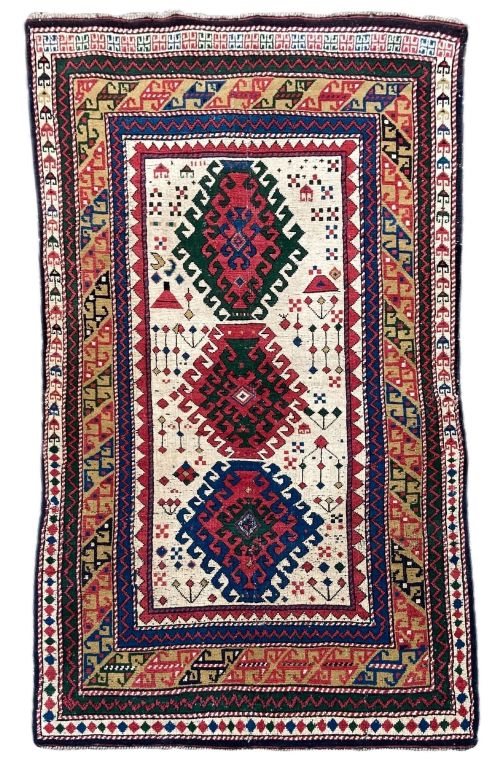
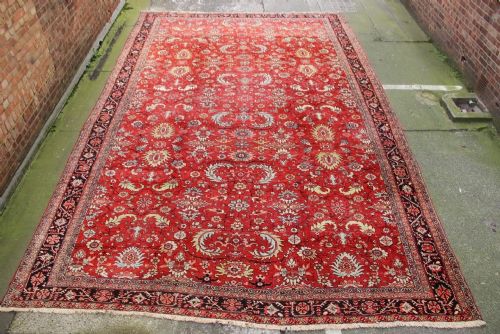
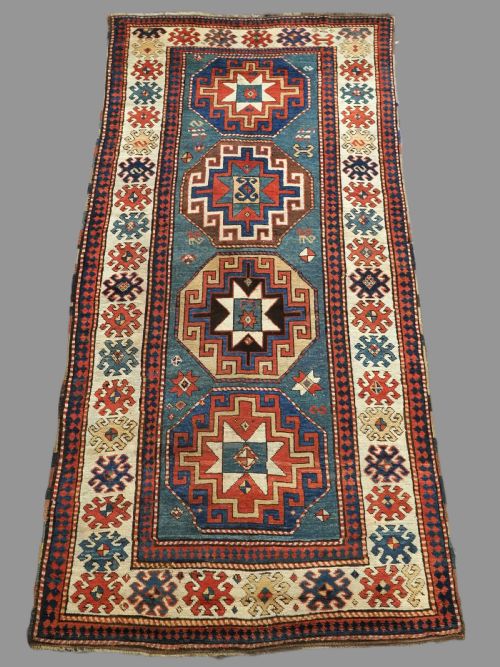
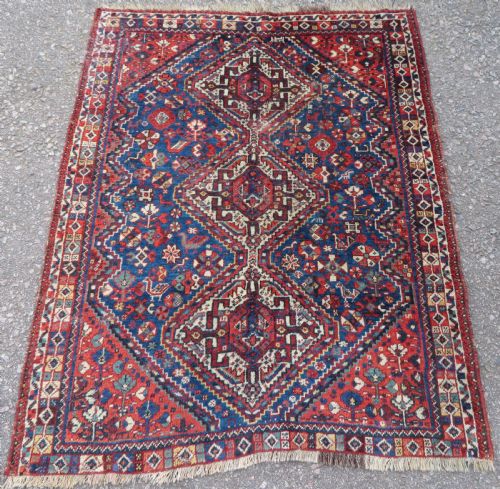
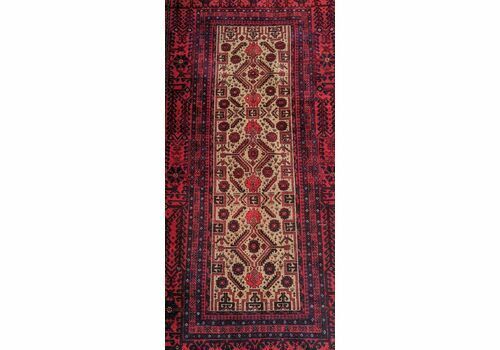
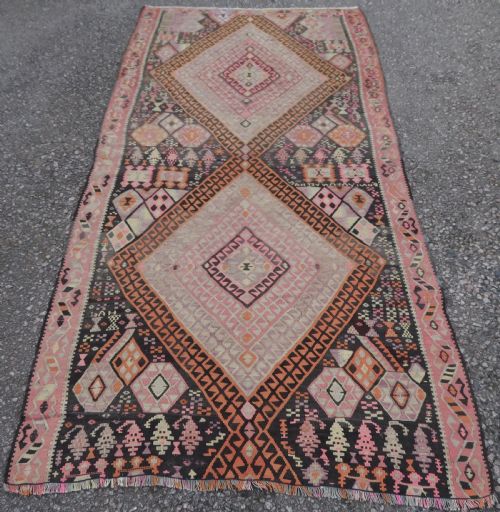
A vintage geometric oriental rug spans styles from Persian tribal and Caucasian to Turkmen and Anatolian traditions, crossing the nineteenth and twentieth centuries. These textiles include large carpets, long hallway runners, hearth-sized mats, and smaller village weaves.
The objects on this page range from early nineteenth-century pieces to twentieth-century rugs produced across Central Asia, Persia, Turkey, and the Caucasus. Regional weaving centres and nomadic tribes each contributed distinct medallion layouts and border patterns to these floor coverings.
How they were made
Weavers constructed these pieces using wool, pure wool, hand-spun wool, and camel wool, often set upon sturdy cotton foundations. Many examples incorporate natural dyes that yield deep, varied tones across the field.
The production relied entirely on manual hand-knotting techniques performed by village and tribal workshops. Artisans tied individual knots by hand to create durable pile carpets designed for practical household use.
Listings feature pieces spanning the nineteenth century up to the 1930s, using wool, cotton, and natural dyes.
What varies in quality
Quality rests upon the tightness of the weave and the consistency of the hand-spun wool used for the pile. Finer knots permit crisper articulation of geometric medallions and intricate border details.
The character of the natural dyes dictates visual depth, where subtle shifts in hue across the field elevate a rug's presence. Material selection, such as the inclusion of soft camel wool or resilient hand-spun fleece, distinguishes standard village work from finer tribal weaving.
The Vintage Geometric Oriental Rug Glossary
- Medallion
- A large central ornamental design set into the middle of the carpet field. This geometric focal point often anchors the surrounding tribal motifs and corner spandrels.
- Pile
- The vertical tufts of wool that form the soft upper surface of the rug. The density and length of this hand-knotted layer affect durability and texture underfoot.
- Runner
- A long, narrow carpet format designed specifically for corridors, hallways, and narrow staircases. These elongated pieces balance repeating geometric borders with central panels.
- Warp
- The longitudinal threads stretched tightly on the loom that carry the structural foundation of the textile. Visible fringe ends usually consist of these extended warp threads.
- Weft
- The horizontal threads passed across the warp strands between rows of knots to bind the structure firmly together. Proper tension in the weft keeps the rug flat and square.
Vintage Geometric Oriental Rug: Frequently Asked Questions
How do I clean a wool rug?
Regular gentle vacuuming without a rotating brush bar removes loose dust and grit from the wool pile. Professional specialist cleaning remains essential for deep washing to protect natural dyes.
Avoid excessive moisture and harsh chemical detergents during day-to-day maintenance. Prompt blotting handles accidental spills safely without saturating the cotton foundation.
Where were these rugs made?
These textiles originate from villages, nomadic camps, and regional weaving centres across Persia, the Caucasus, Turkey, Turkmenistan, and surrounding areas. Different tribes and towns developed distinct layouts reflecting their local cultural heritage.
Production spanned diverse communities who utilised local sheep's wool and traditional dyeing methods. Each geographical region imparted specific chromatic choices and structural characteristics.
Can I place a runner in a hallway?
Long hallway runner formats are specifically suited for corridors, passageways, and narrow entry spaces. Their dimensions accommodate heavy foot traffic while adding warmth and colour to transition areas.
Pairing a runner with an appropriate non-slip underlay prevents shifting on hard wooden or tiled floors. This extra layer also cushions the wool pile against premature wear.
What is natural dye?
Natural dye refers to colourants derived from plant, insect, and mineral sources rather than synthetic chemicals. These traditional substances produce nuanced tones that mellow gracefully over time.
Variations in dye batches often create subtle colour shifts known as abrash across the wool field. This natural variation adds visual depth valued by collectors.