




Vintage Geometric Kilim Rug
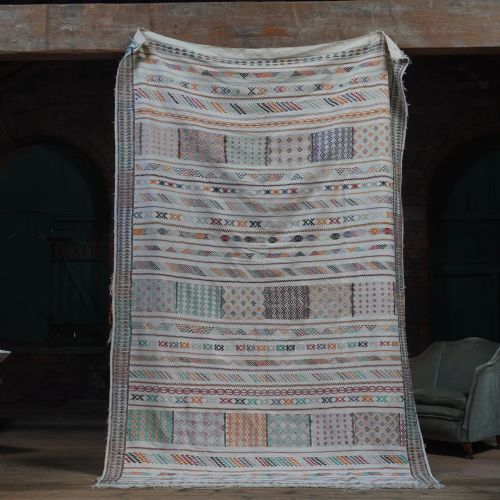
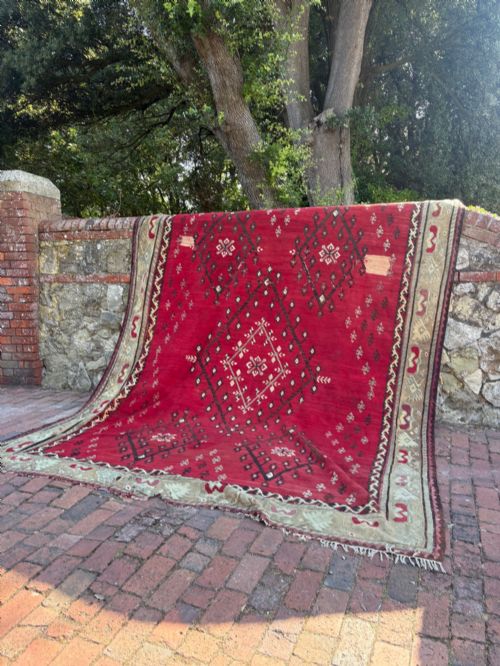
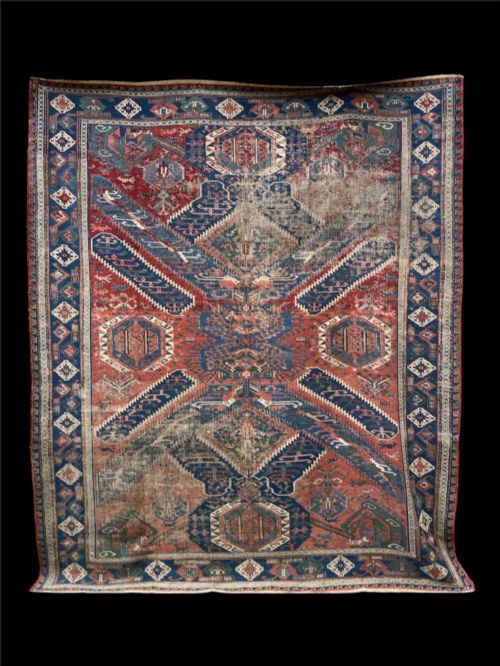
A vintage geometric kilim rug brings flat-woven tribal pattern and rich wool texture directly to the floor.
Vintage Geometric Kilim Rug
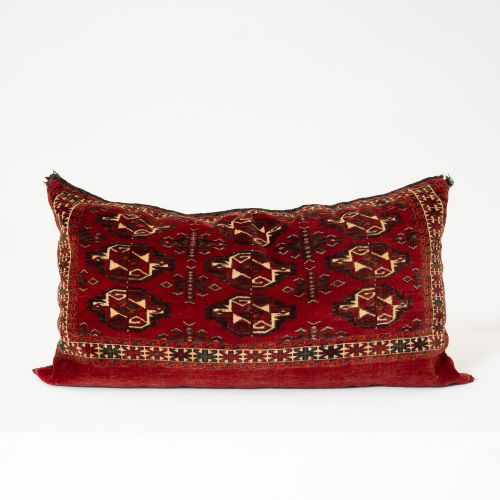
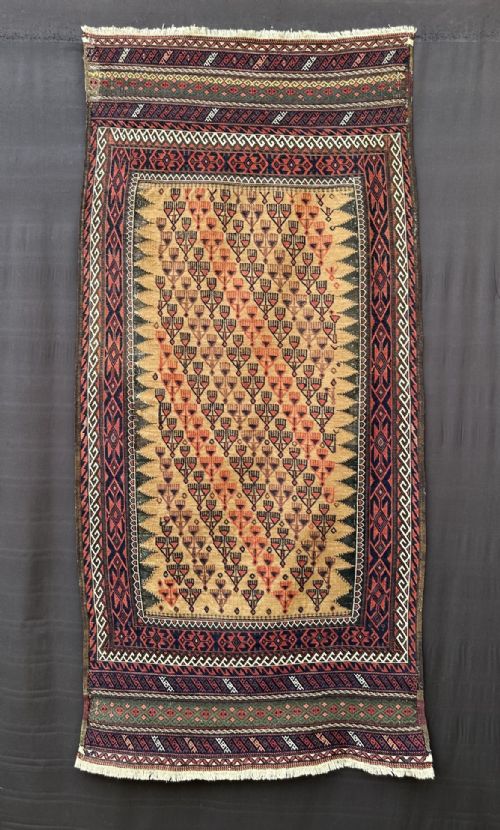
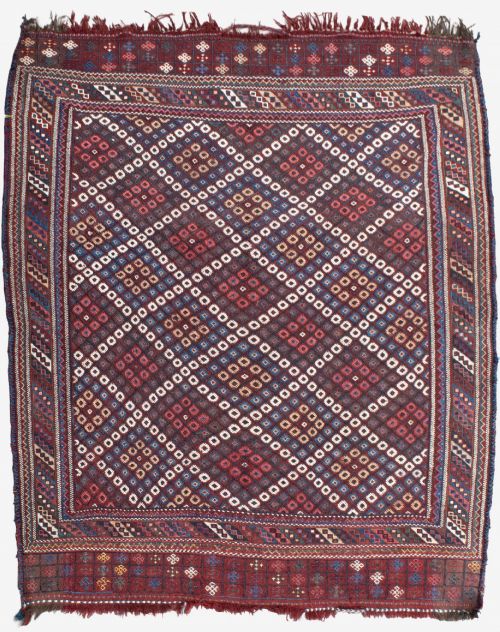
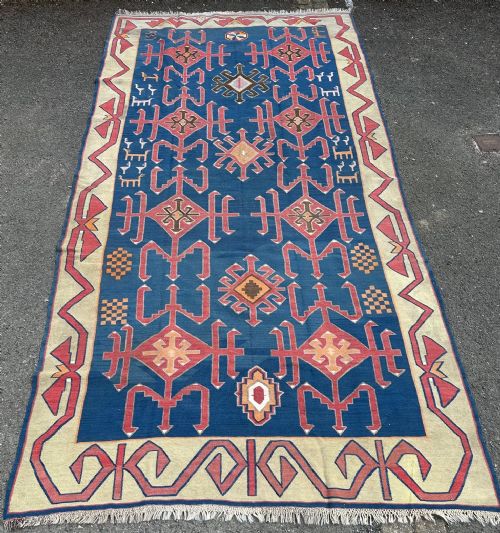
A vintage geometric kilim rug comprises flat-woven floor coverings and textiles originating from tribal and nomadic groups across Anatolia, Persia, the Caucasus, and Central Asia. These pieces display angular motifs, medallions, and banded designs created through slit-weave techniques rather than pile knotting.
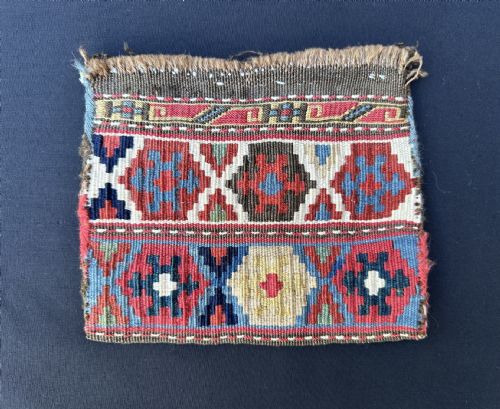
Buyers encountering this selection will find formats ranging from large room-sized carpets and runners to smaller cushions, bag faces, and sofres. Dating spans from the nineteenth century through the early twentieth century, reflecting traditional village production methods.
Tribal attributions link specific pieces to groups such as the Qashqai, Shahsevan, Afshar, and Turkmen. Each regional centre applies distinct colour palettes and structural patterns unique to its nomadic heritage.
Materials and construction
Construction relies primarily on wool and hand-spun wool combined with cotton foundations for structural stability. Certain variant pieces incorporate sabra fibre or cactus silk.
Dye technology utilises natural dyes to produce saturated tones and softer faded hues across varied geometric fields. Weavers interlock the weft threads tightly around the warp to create durable, pileless flatweaves.
Nomadic weavers occasionally embedded deliberate minor irregularities into tribal patterns to ward off the evil eye.
Assessing quality in flatweaves
Quality rests upon the tightness of the weave and the precision of the geometric layout. Finer thread counts and dense packing yield sturdier textiles that maintain structural integrity over generations.
The sophistication of natural dye usage and the harmony of the regional palette elevate certain examples. Original finishes, such as intact kilim ends and purposeful tribal motifs, distinguish superior items.
The Vintage Geometric Kilim Rug Glossary
- Kilim
- A flat-woven carpet or rug produced without pile by tightly interweaving warp and weft strands. This technique results in a lightweight, reversible textile with sharp geometric patterns.
- Sofreh
- A tribal dining or eating cloth used by nomadic groups for serving meals or preparing bread. These textiles often feature specialised border designs and central medallions.
- Sumak
- A technique of flat-weaving where supplementary weft threads are wrapped around the warp threads for added texture. This method creates a sturdier structure than standard slit-weave kilims.
- Chuval
- A large storage bag face produced by Turkmen tribes. These items display intricate gul motifs and were traditionally used inside nomadic tents.
- Warp
- The stationary vertical threads stretched upon a loom before weaving begins. Weft threads pass horizontally through these structural elements to form the textile.
Vintage Geometric Kilim Rug: Frequently Asked Questions
How do I clean a kilim rug?
Gentle surface vacuuming without a rotating brush attachment removes loose dirt effectively. Professional textile cleaning suited for flat-woven wool is recommended for deeper maintenance.
Avoid soaking the fabric or using harsh chemical detergents. Spot cleaning requires mild soap and cool water applied sparingly.
Are these rugs reversible?
Most traditional flatweaves present a nearly identical pattern on both sides due to the slit-weave construction method. This reversibility allows owners to flip the textile to distribute wear evenly over time.
Using an appropriate underlay prevents slipping on smooth floors. The flat profile functions well beneath doors and heavy furniture.
What is the difference between a kilim and a pile rug?
Kilims lack the plush pile surface found in conventional knotted carpets, relying instead on interlocking flat-weave structures. This construction produces a thinner, lighter textile that sits flat against the floor.
The absence of pile highlights the geometric precision of the design. These pieces require less clearance under doors and fold compactly for transport.