
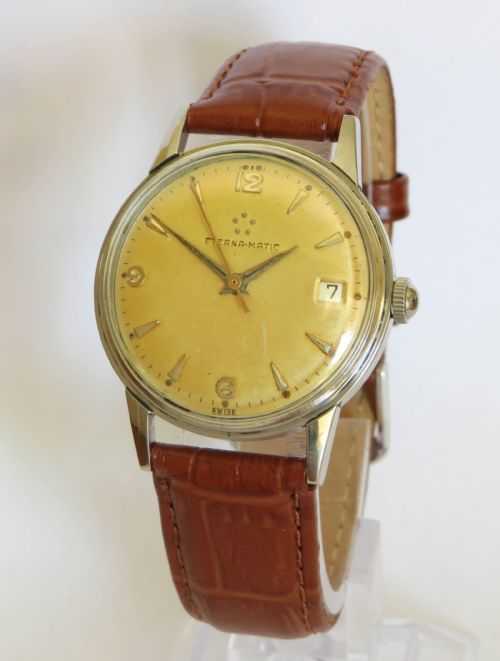
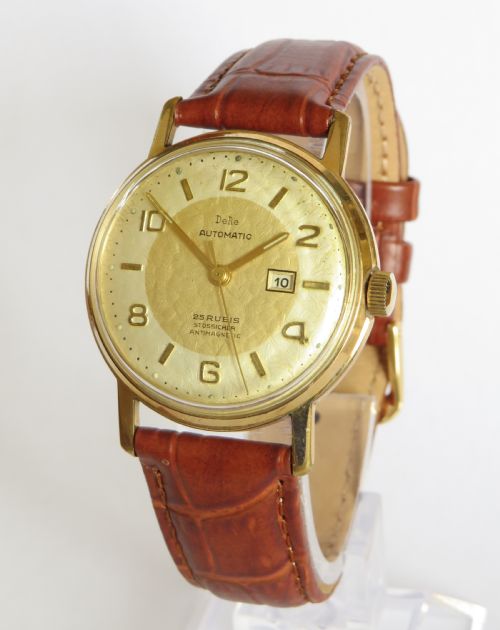
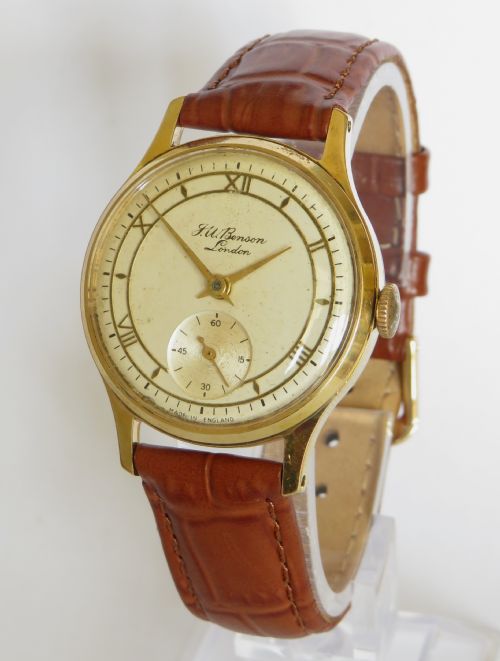
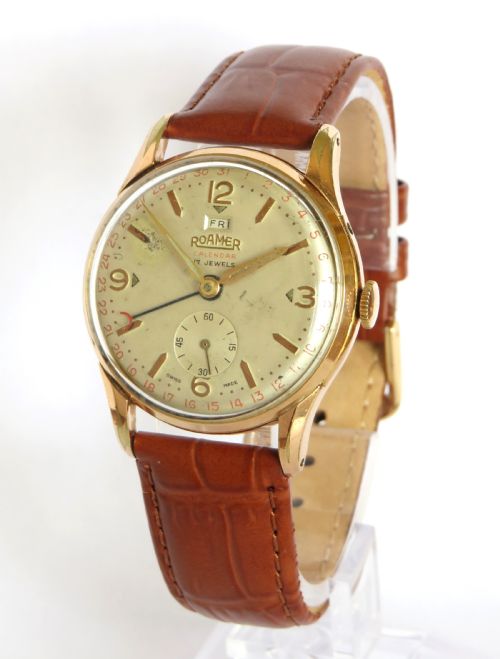
Vintage Gents Dress Watch
A vintage gents dress watch brings mechanical precision and classic proportion to the wrist, offering dependable daily wear with distinct period character.
Vintage Gents Dress Watch
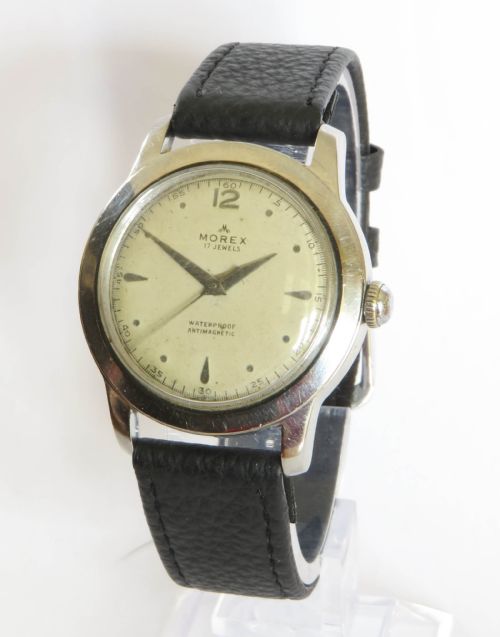
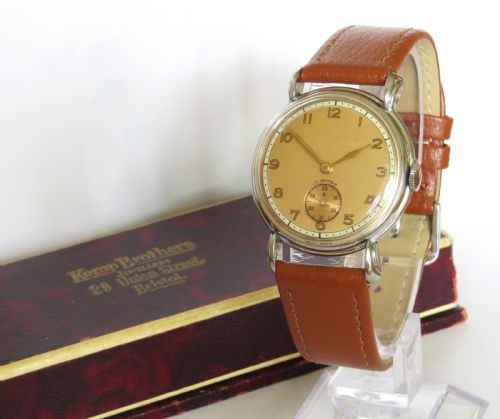
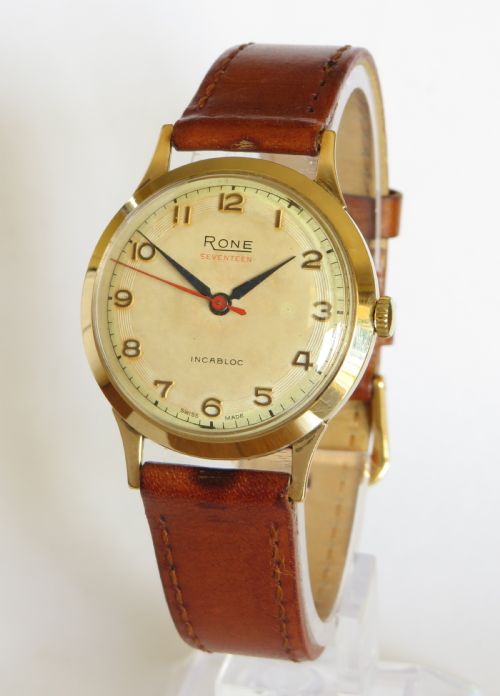
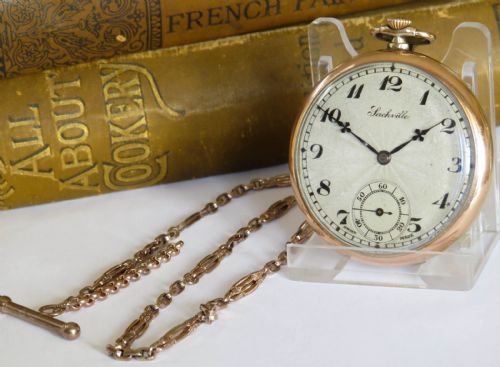
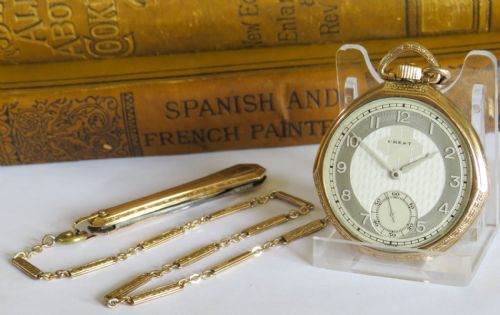
A vintage gents dress watch spans wristwatches and pocket watches produced from the Edwardian era through the nineteen seventies, with a strong representation of nineteen fifties and nineteen sixties wristwatches. These pieces arrive in styles such as Art Deco, Mid-Century Modern, and nineteen forties vintage, reflecting changing tastes in case geometry and dial layout over the decades. Wristwatches dominate the selection, accompanied by occasional pocket watches and related items like leather jewellery and cufflink cases.
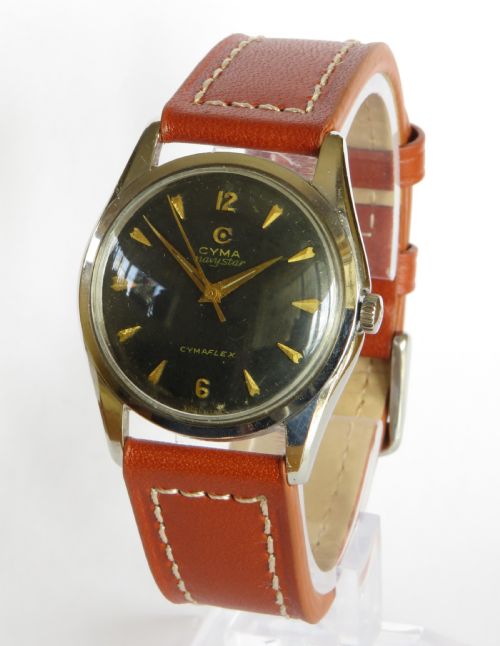
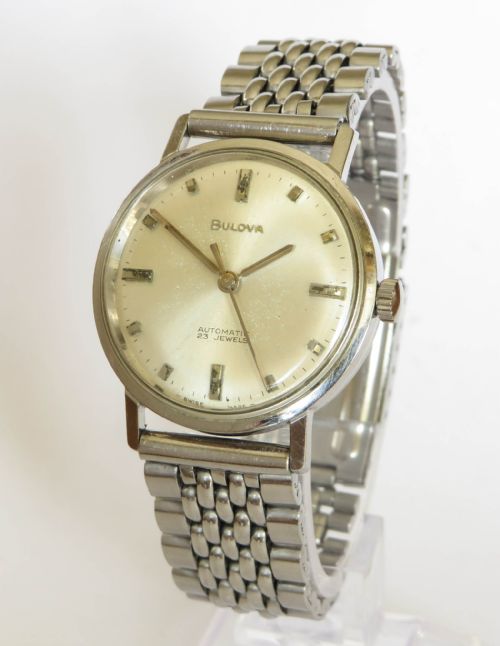
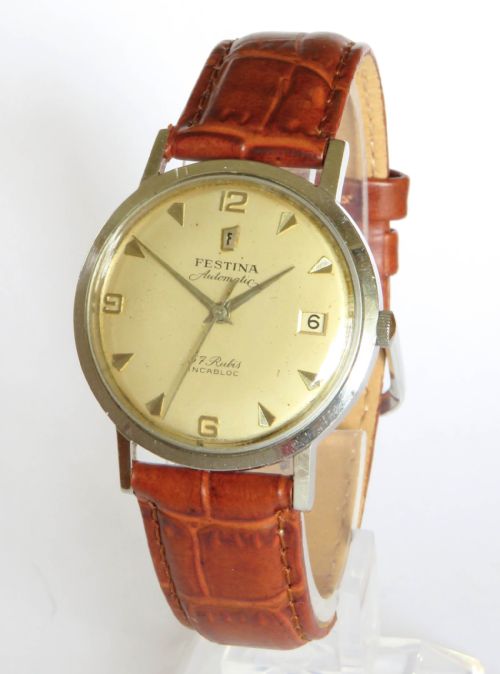
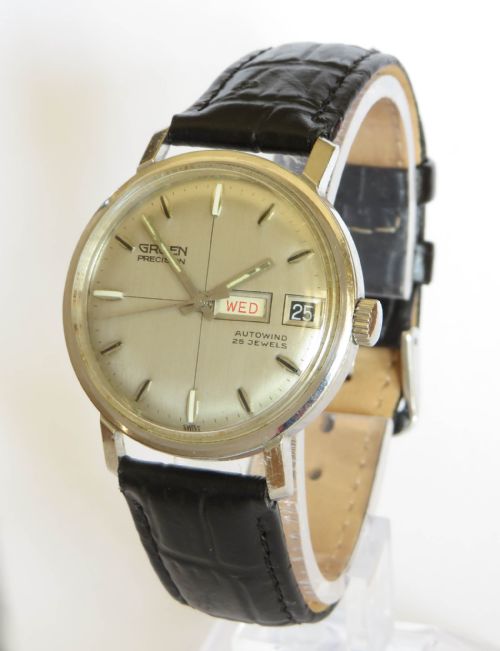
The typical vintage gents dress watch encountered here dates from the mid-twentieth century, often driven by mechanical or automatic movements housed in round or tonneau-shaped cases. Swiss makers form a substantial portion of the output, alongside British-made Smiths pieces and international names spanning several decades. Buyers find simpler manual wind pieces alongside automatic movements and calendar complications.
Materials and construction
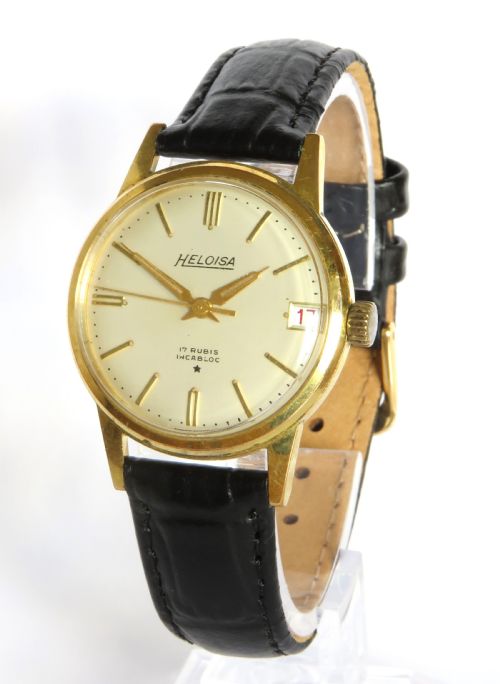
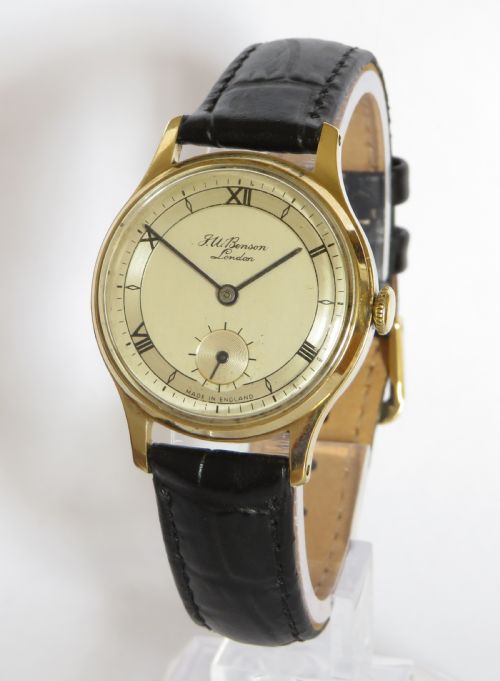
Cases combine metals such as stainless steel, gold plate, brass, chrome, and nine carat gold, paired with glass or acrylic crystals to protect the dial. Movements rely on intricate brass gear trains, jewelled bearings, and steel springs assembled by hand in specialist workshops.
Straps utilise leather materials, completing the traditional assembly of case, dial, and fastener. Dials often feature applied metal markers, printed numerals, and subsidiary seconds or date windows beneath transparent crystals.
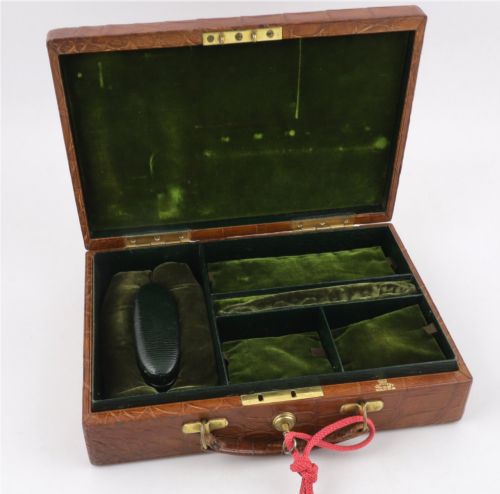
Some nineteenth and twentieth century timekeepers arrived with dedicated leather cases meant to protect pocket watches and cufflinks during travel.
Assessing quality in vintage timepieces
Quality rests on the pedigree of the movement and the integrity of the case construction, distinguishing standard mass-produced calibres from high-grade proprietary mechanisms. Solid gold or heavy gold plate and robust stainless steel indicate better original tiering than basic chrome-plated brass housings.
The clarity of dial printing, the finish on internal movement bridges, and the precision of the hands elevate a piece. Maker reputation plays a direct role, with established Swiss and British houses delivering superior longevity and finishing compared to lesser-known contemporaries.
Montilier·Cyma Navystar·Heloisa·J C Vickery·Rone·Bulova·Smiths·J W Benson·Tavannes·Festina·Gruen Precision·Eterna Matic·DeRe·Roamer·Omega Geneve·Avia DayTyme·Seiko Sportsman Diashock·Primula·Marvin Hermetic·Tissot Visodate·Gloriosa·Wittnauer·Dogma Prima·Longines·Kered
The Vintage Gents Dress Watch Glossary
- Automatic
- A self-winding mechanical movement that uses the natural motion of the wearer's wrist to power the mainspring.
- Calibre
- The specific manufacturer's designation for a particular watch movement design.
- Crystal
- The transparent cover, made from glass or acrylic, positioned over the dial and hands.
- Subsidiary seconds
- A small secondary dial, usually positioned at the six o'clock mark, that tracks the seconds independently of the main hour and minute hands.
- Stem winding
- A traditional pocket watch or wristwatch mechanism wound by turning the crown attached to the internal stem.
Vintage Gents Dress Watch: Frequently Asked Questions
How do I wind a mechanical vintage watch?
Gently rotate the crown clockwise between your thumb and forefinger until you feel resistance. Stop immediately to avoid damaging the mainspring.
Most manual wind pieces require this daily action, preferably at the same time each morning to maintain consistent tension.
Can I wear my vintage watch every day?
Many buyers wear these pieces daily, provided the movement receives regular servicing and care. Older mechanisms lack modern shock resistance and water sealing.
Keep the watch away from moisture, magnetic fields, and heavy impacts to preserve the internal components.
What is the difference between manual and automatic?
A manual watch requires daily hand winding via the crown to store energy in the mainspring. An automatic watch contains a weighted rotor that winds the spring using natural wrist movement during wear.
Both systems rely on traditional mechanical gears rather than batteries.