
Vintage Swiss Luxury Watch
When you handle a vintage swiss luxury watch, you hold decades of precise engineering paired with enduring mid-century design.
Vintage Swiss Luxury Watch
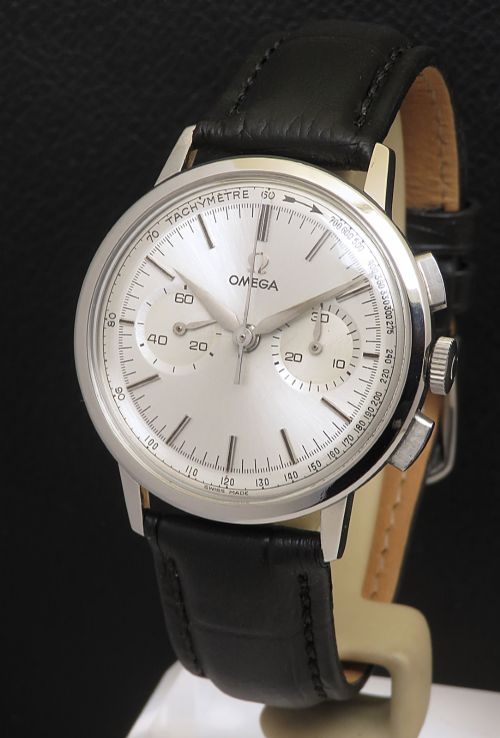
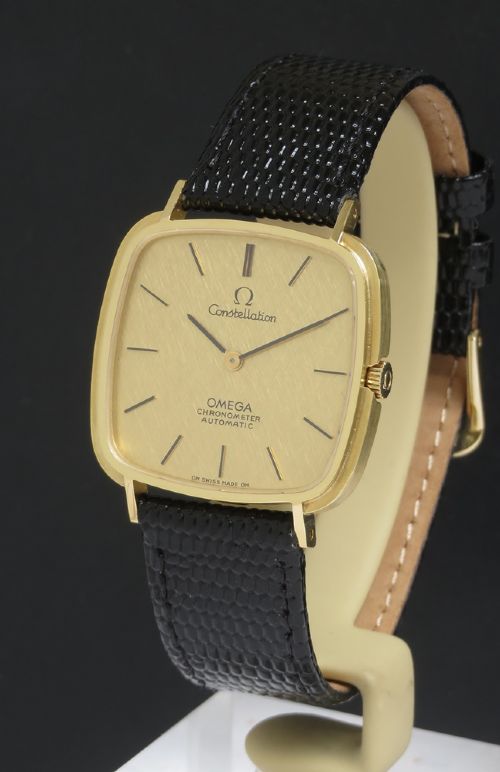
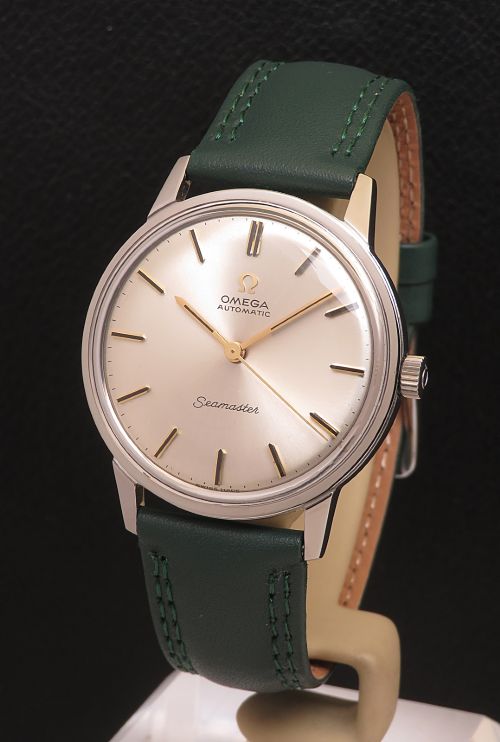
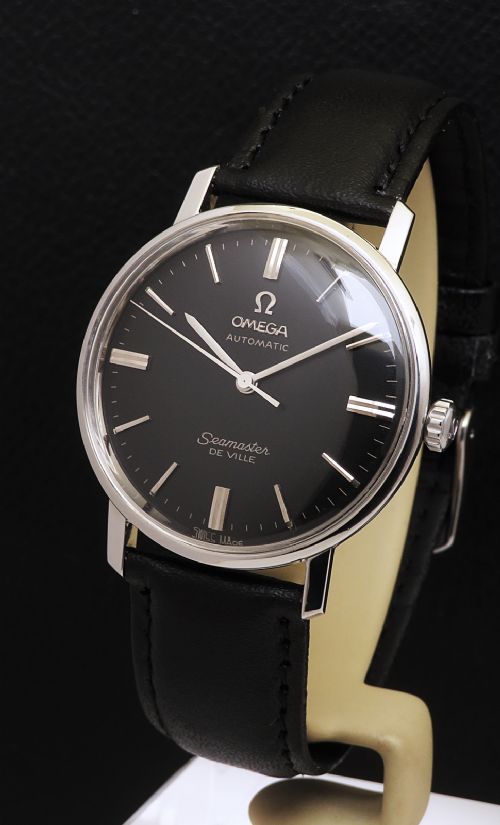
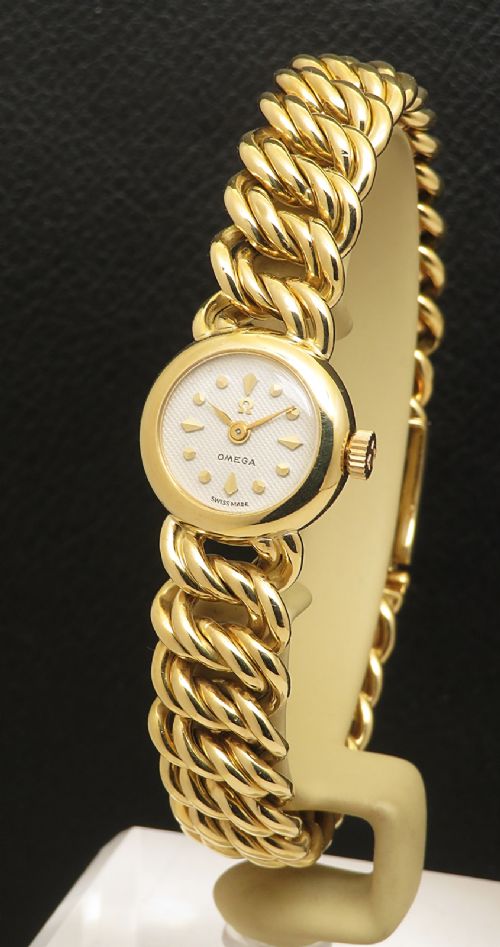
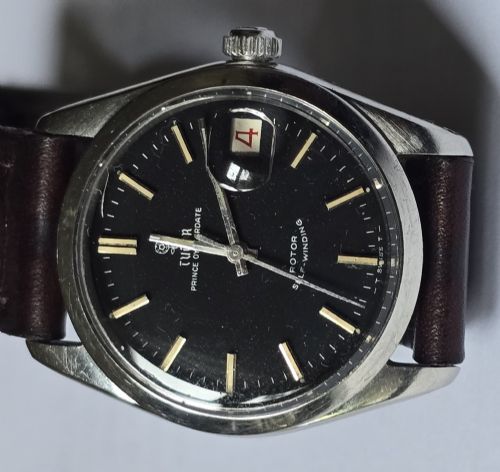
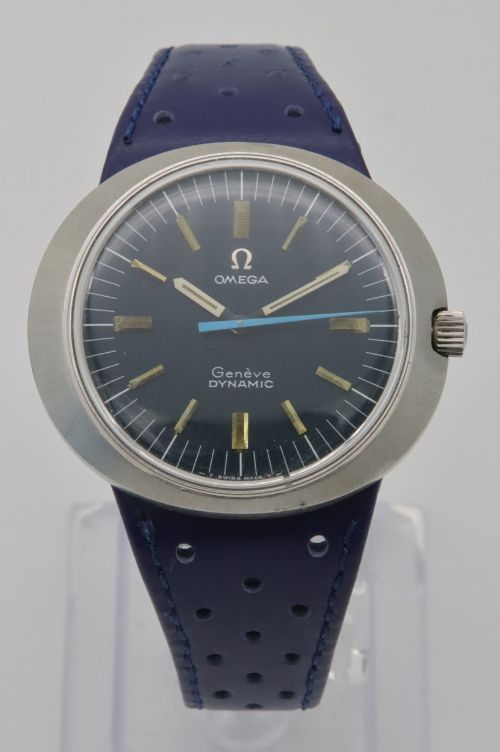
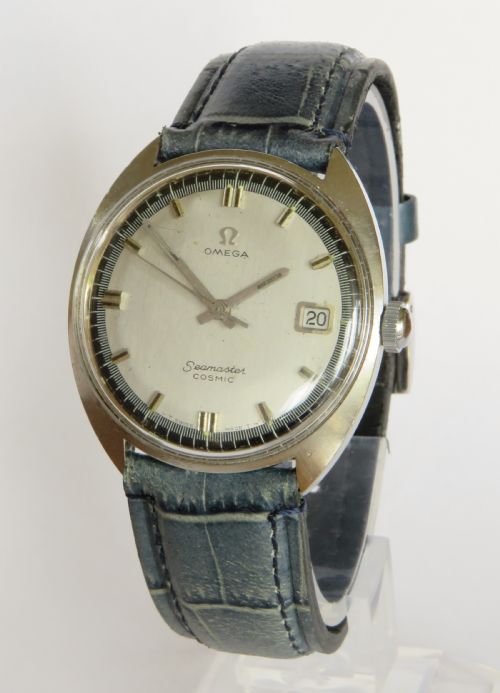
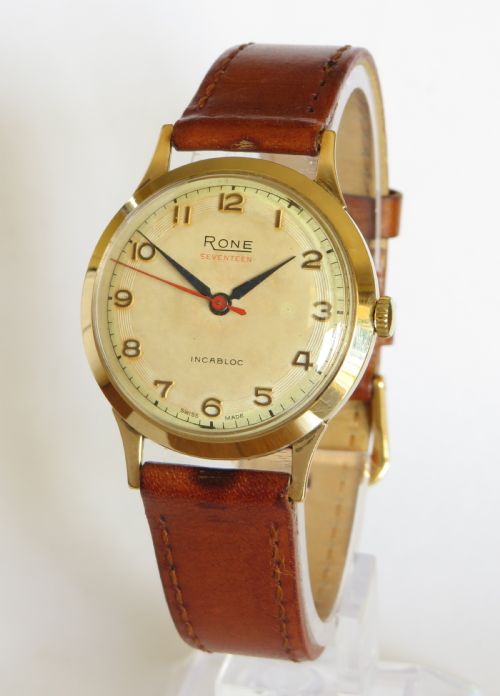
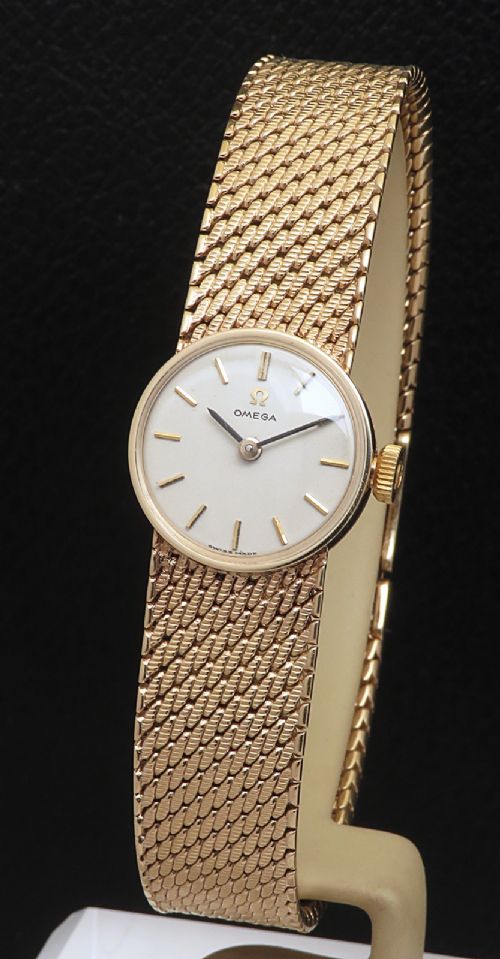
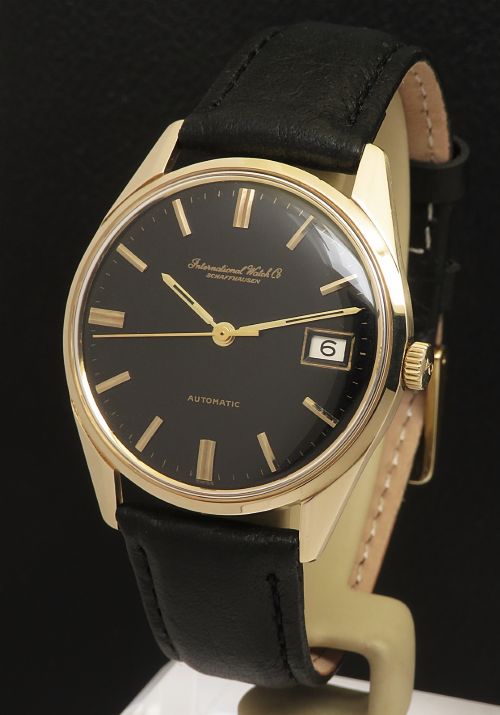
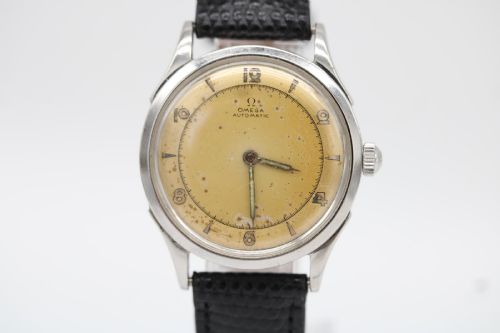
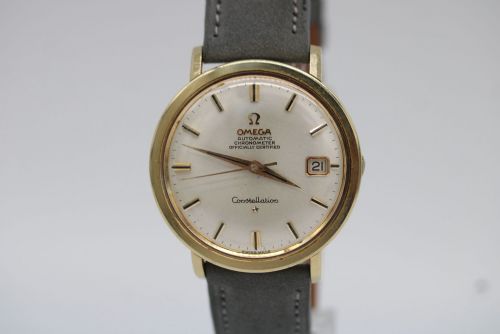
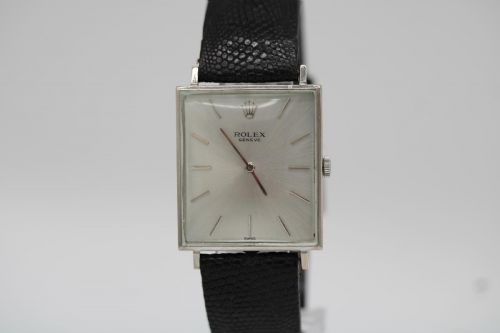
A vintage swiss luxury watch spans decades of horological output, featuring wristwatches, cocktail watches, and pocket watches originating from periods such as the Edwardian era through to the 1960s and 1970s. The selection on this page leans heavily toward mid-century items, predominantly featuring gents and ladies wristwatches from houses like Omega, Rolex, and Tudor.
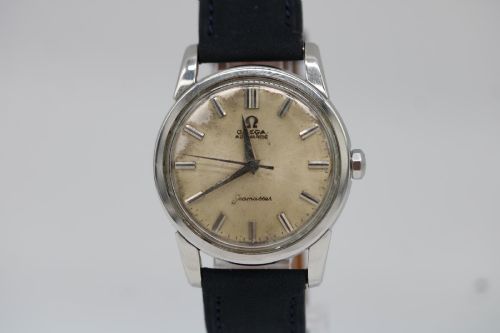
Buyers encounter forms ranging from robust stainless steel Seamasters to delicate 18ct white gold diamond-set cocktail watches. These pieces reflect the shift from manual wind movements to automatic and bumper automatic calibres across the 1940s, 1950s, and 1960s.
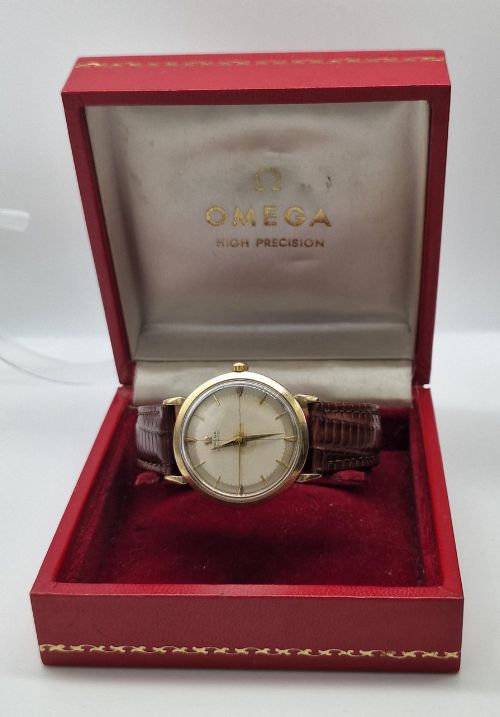
Makers such as Omega dominate the offerings, alongside pieces by Rolex, IWC, Eterna-matic, Movado, and Longines. Collectors find various dials, including black smiley dials, champagne sunbursts, and patinated faces housed in gold-plated, solid gold, and steel cases.
Materials and construction methods
Cases are formed from stainless steel, gold plate, gold-filled metals, 9ct gold, and 18ct white gold, often paired with leather straps and acrylic or glass crystals. Some iterations incorporate diamonds into bespoke cocktail watch designs.
Internal mechanisms rely on mechanical ingenuity, utilising manual wind calibres, automatic systems, and early bumper automatic movements driven by oscillating weights. Jewelled lever escapements ensure accuracy, while specialised chronometer-grade movements undergo rigorous precision testing.
Listings feature movements spanning manual wind, automatic, and bumper automatic calibres housed within stainless steel, 9ct gold, and 18ct white gold.
Distinctions in standard and execution
Quality separates through the purity and weight of the precious metals utilised in the case, alongside the complexity and certification of the internal movement. Chronometer-grade calibres represent a higher tier of mechanical performance compared to standard commercial movements.
The degree of original preservation dictates value, with factory-original dials, matching boxes, and historical sale papers marking the distinction between standard examples and museum-quality survivals. Cases retaining crisp hallmarks and unpolished bevels contrast sharply with over-polished or heavily altered alternatives.
Omega·Rolex·Tudor·IWC·Movado·Longines
The Vintage Swiss Luxury Watch Glossary
- Calibre
- The specific internal movement design and model number created by a watchmaker. This identifier reveals the mechanical architecture housed inside the case.
- Bumper automatic
- An early self-winding movement where the rotor swings back and forth within a restricted arc, striking internal springs rather than rotating 360 degrees. The wearer feels a distinct gentle tap on the wrist as the weight moves.
- Chronometer
- A high-precision timepiece tested and certified to meet strict accuracy standards over various temperatures and positions. These movements represent the upper tier of mechanical reliability.
- Manual wind
- A mechanical movement requiring the wearer to manually turn the crown to tension the mainspring. Unlike automatic variants, these watches lack a self-winding rotor.
Vintage Swiss Luxury Watch: Frequently Asked Questions
How do I wind a vintage manual watch?
Rotate the crown clockwise between your thumb and forefinger until you feel gentle resistance. Stop immediately to avoid damaging the mainspring.
Wind the piece at roughly the same time each day to maintain consistent tension and stable timekeeping performance.
Are these watches waterproof?
Vintage pieces lack modern rubber gaskets and screw-down systems designed to withstand moisture. Even models marketed as water-resistant originally should be kept far away from water.
Humidity and condensation can bypass aged seals and damage delicate steel components inside the movement.
What is a bumper automatic movement?
A bumper automatic utilises a weighted rotor that swings through a partial arc rather than completing a full circle. Internal springs cushion the movement as it rebounds against the frame.
This transitional technology bridges early manual winding designs and the full 360-degree rotors found in later decades.
How often should a vintage watch be serviced?
Mechanical watches require periodic cleaning and lubrication to prevent friction from wearing down metal pivots. Oils dry out over the course of several years, causing erratic timekeeping.
A professional horologist should inspect and service the movement every few years to ensure longevity.