
Vintage Gentleman Cane
A vintage gentleman cane brings steady support and concealed steel together, offering a practical accessory shaped by Victorian and Edwardian hands.
Vintage Gentleman Cane
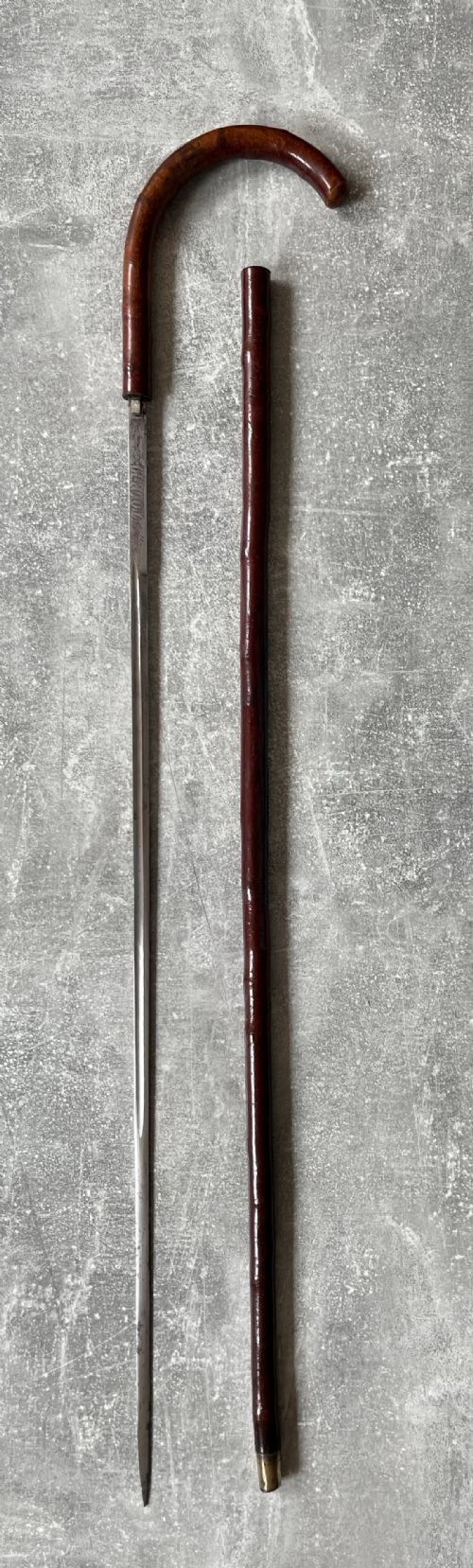
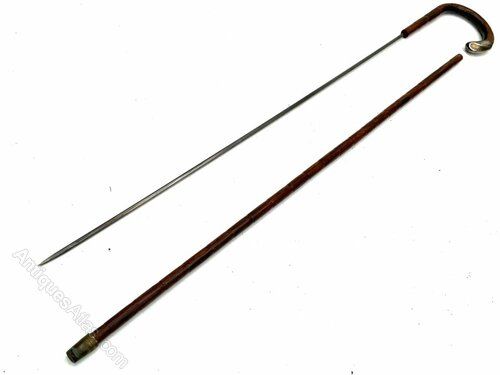
A vintage gentleman cane encompasses practical walking supports and concealed blade sticks originating across the nineteenth and early twentieth centuries. These pieces reflect period styling from Victorian workshops, Edwardian makers, and French Belle Epoque designers.
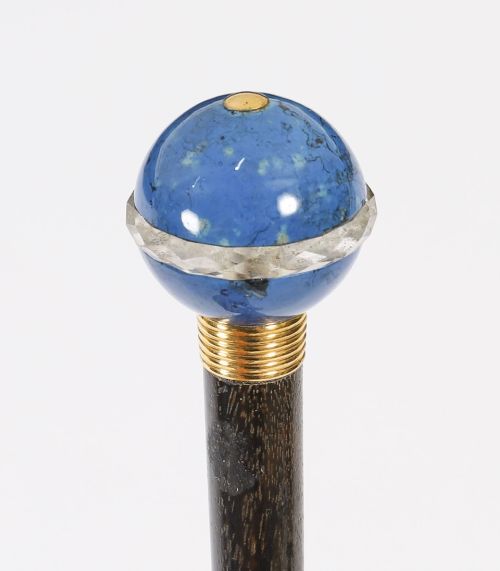
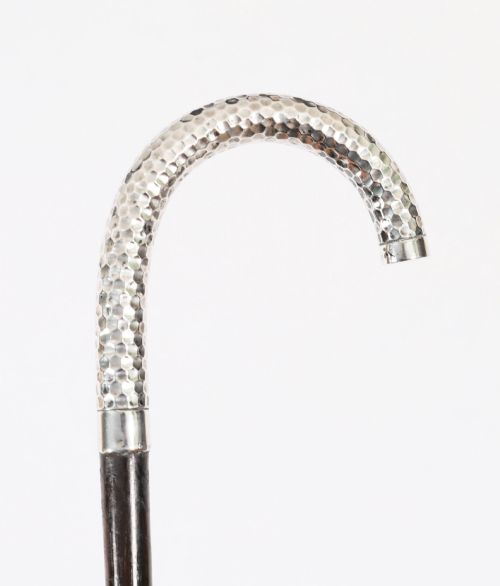
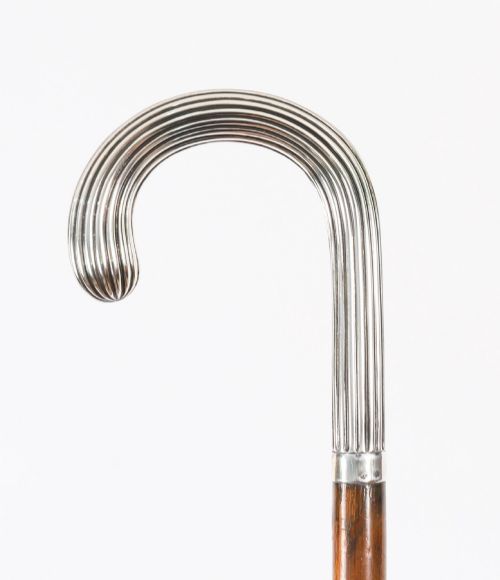
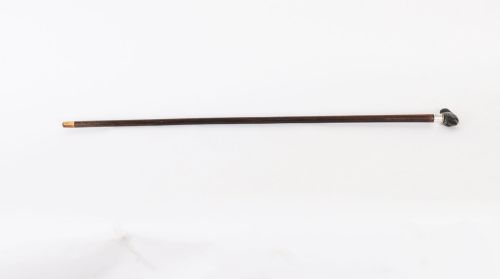
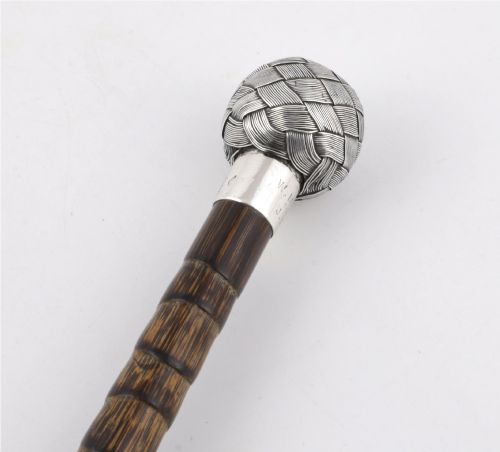
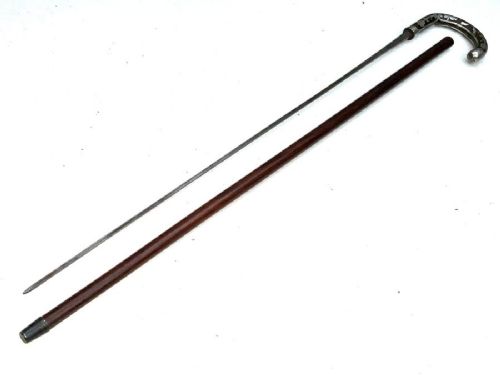
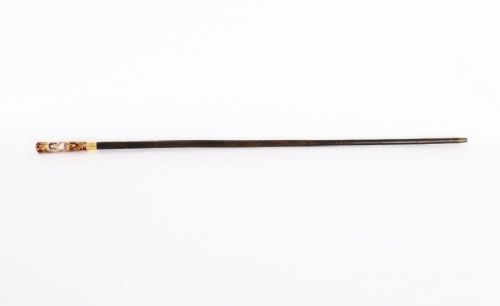
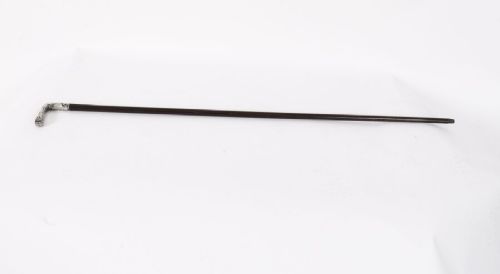
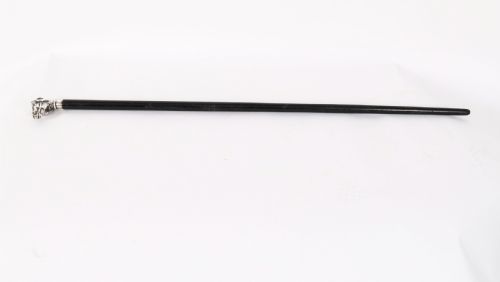
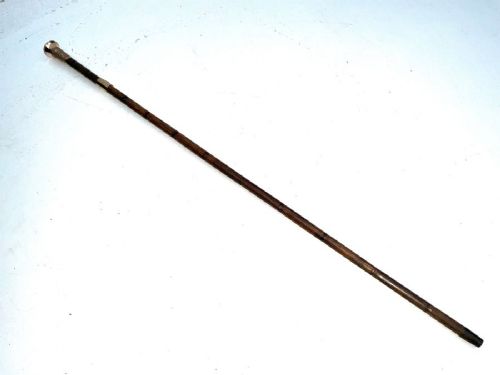
The selection on this page focuses heavily on functional walking sticks and dual-purpose sword sticks. Buyers meet formats ranging from simple hardwood shafts to elaborate novelties adorned with silver mounts and carved animal heads.
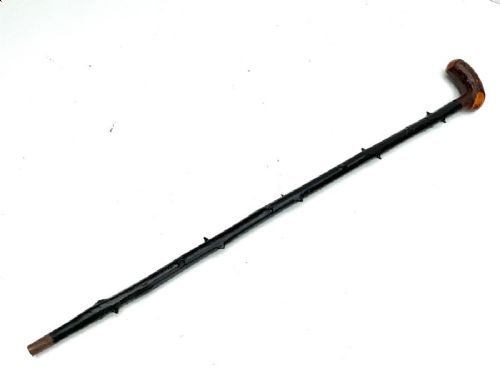
Origins stretch from English workshops to French studios and traditional Irish makers. Formats span standard walking canes, golf club shapes, and handled supports designed for daily carriage or hallway storage.
What varies in quality
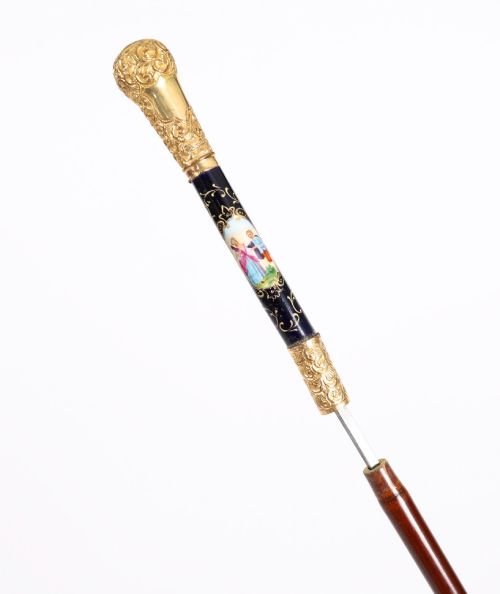
Quality rests in the precision of the handle carving, the weight and balance of the timber shaft, and the integrity of any hidden blade mechanism. Superior examples display detailed silver animal heads, porcelain elements, or finely etched Toledo steel rather than simple utilitarian construction.
Material pairing defines the upper tier, where precious metals, genuine horn, and exotic hardwoods meet secure button releases. Lesser examples rely on plain timber and basic metal plating without decorative flourish.
Current listings span periods from 1860 through the 1930s, featuring silver, gold, horn, and steel across English, French, and Irish origins.
Briggs·Wilkinson
The Vintage Gentleman Cane Glossary
- Sword stick
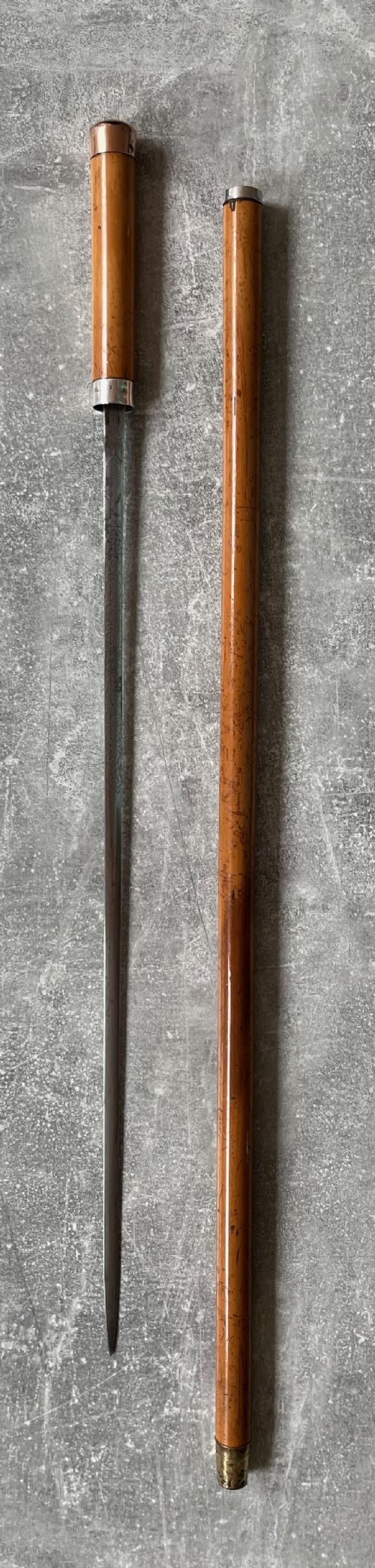
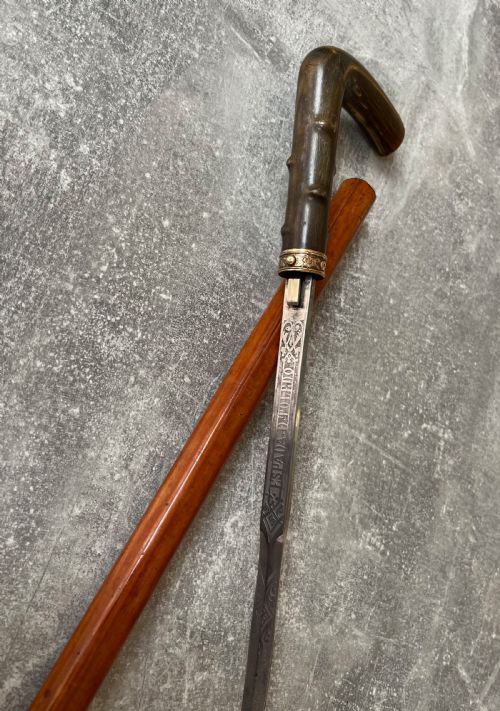
- A walking cane containing a concealed blade accessed via a button release or pull mechanism. These items served personal defence and fashion purposes.
- Malacca
- A sturdy mottled rattan cane imported from Southeast Asia and prized for strength and flexibility in walking stick shafts.
- Toledo blade
- A steel blade forged in Toledo, Spain, known for spring temper and historical sword-making reputation.
- Silver collar
- A decorative and structural metal band fitted around the neck of the cane where the handle joins the shaft.
- Partridge wood
- A dense tropical timber exhibiting distinctive partridge-feather patterning used for walking stick shafts.
Vintage Gentleman Cane: Frequently Asked Questions
How do you release the sword?
Many sword sticks utilise a concealed button release located near the collar to unlock the internal blade from the wooden scabbard shaft.
Other specimens rely on a secure pull-apart friction fit that separates the handle and internal steel blade from the outer cane housing.
What woods were used?
Makers utilised a range of dense timbers including malacca, partridge wood, cherrywood, rosewood, and bamboo for the main shafts.
Hardwood selection depended on flexibility, weight capacity, and the desired visual grain pattern for daily gentleman carriage.
Are handles interchangeable?
Handles were permanently fitted during initial manufacture, secured with adhesives, pins, or metal collars to the timber shaft.
Altering or swapping handles compromises the structural integrity of the cane and removes its period mounting configuration.
How do I date my cane?
Dating relies on hallmarks stamped on silver mounts, the style of any mechanical release, and the fashion trends of the Victorian or Edwardian eras.
Materials like Sevres porcelain or specific blade signatures also help narrow the manufacturing window to precise decades.