


Carved Wood Walking Cane
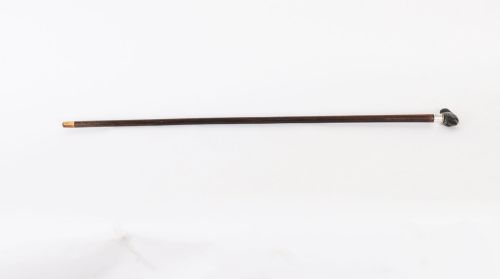
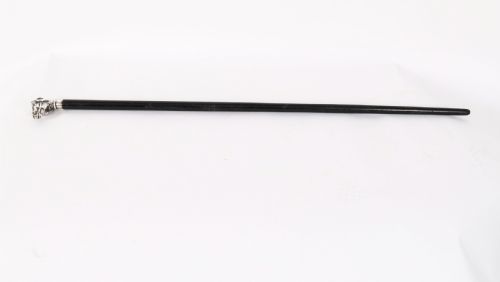
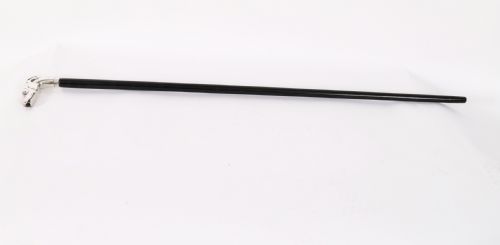
These carved wood walking cane examples offer gentlemen a functional accessory featuring elaborate handles and concealed blades.
Carved Wood Walking Cane
A carved wood walking cane is a traditional support implement that incorporates sculpted handles, natural forms, or hidden mechanisms. When you search for this phrase, you encounter items designed for gentlemen, military officers, and daily use during the nineteenth and early twentieth centuries.
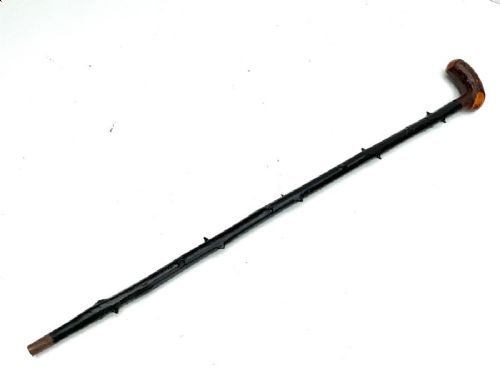
The versions you meet most frequently on this page date from the Victorian period through the nineteen-thirties. They range from simple root-ended sticks and natural forms to elaborate creations featuring carved fruitwood fists, animal heads, and folk art motifs.
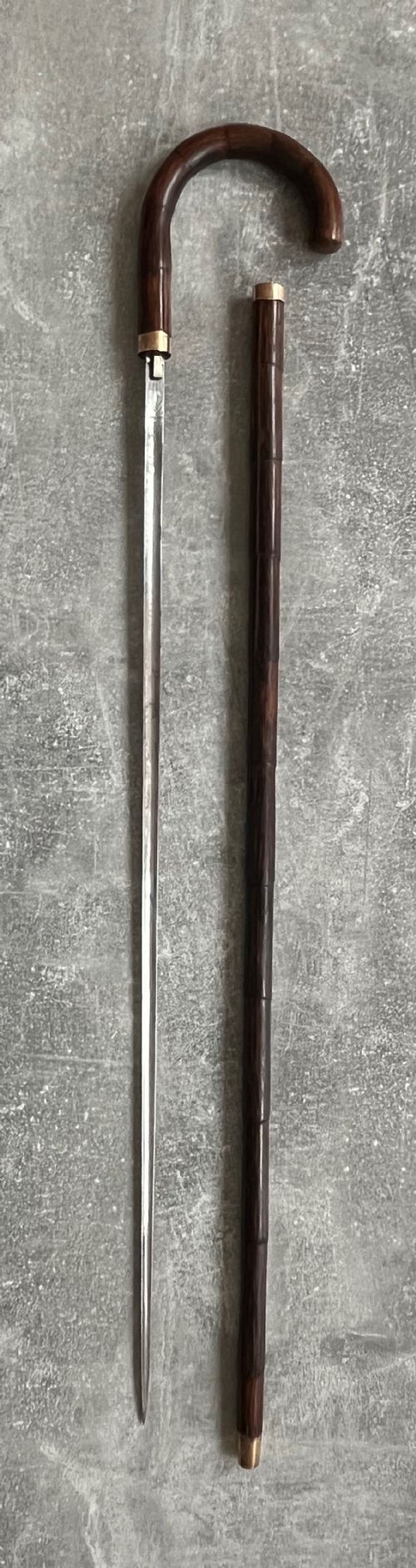
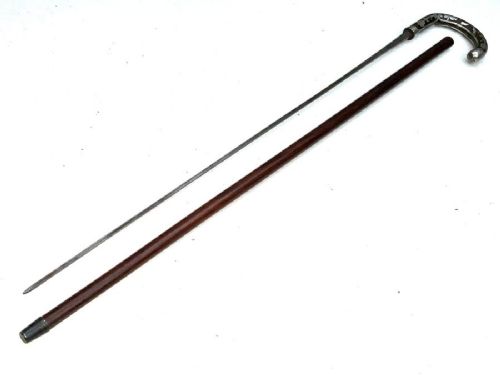
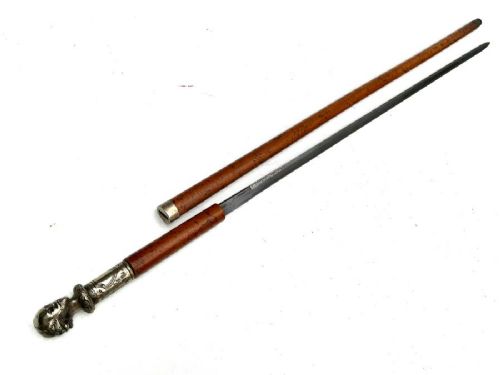
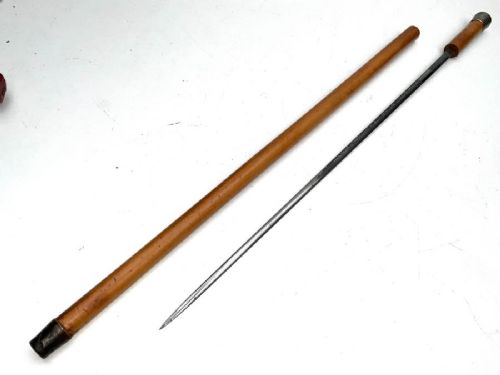
Beyond standard support sticks, the category embraces specialised forms including sword sticks with Toledo blades, military pieces, and novelty items with functional compartments. These functional accessories reflect the personal tastes and social standing of their original owners.
Materials and Construction Techniques
Maker construction relies heavily on native and exotic hardwoods, bamboo, thorn wood, and root timber selected for strength and grain pattern. Natural forms are retained in rustic and folk art examples, whilst other shafts are fashioned from faux bamboo or polished malacca.
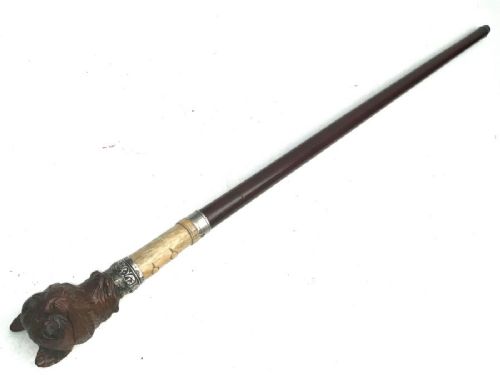
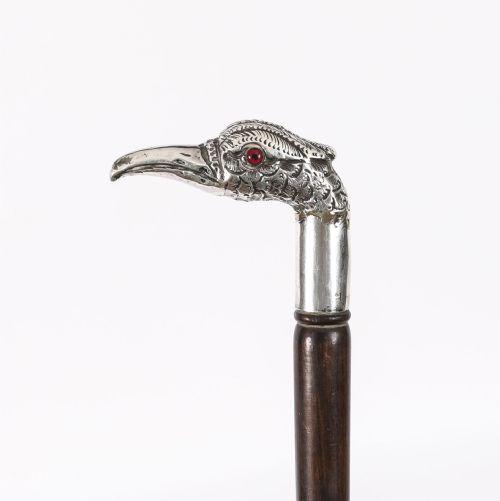
Handles and decorative elements employ carved fruitwood, horn, bone, and carved wooden animal heads such as dogs, boars, and horses. Many pieces incorporate cast silver, silver plate, brass, and steel mounts to secure the handle to the wooden shaft.
Specialised construction techniques include concealed mechanisms for sword sticks, articulated jaws in novelty animal heads, and fitted snuff boxes. Steel blades are integrated directly into the upper shaft beneath secure screw or friction fits.
Several gentlemanly sticks conceal entirely unexpected items, including functional nut crackers and working snuff boxes.
Assessing Quality and Execution
The selection of materials dictates the standing of the piece, with dense hardwoods, substantial silver mounts, and fine malacca shafts marking out superior production. The integration of functional mechanisms, such as Toledo steel blades or concealed snuff boxes, requires precise engineering that separates standard utility items from luxury commissions.
Condition and originality of the surface finish govern the integrity of each stick. Untouched patination on the fruitwood or hardwood, secure silver collars, and straight shafts demonstrate proper preservation without modern intervention.
BRIGG·Henry Borlase Stevens
The Carved Wood Walking Cane Glossary
- Sword stick
- A walking cane fitted with a concealed steel blade inside the wooden shaft. These were utilised for personal defence by gentlemen and military officers.
- Silver mounted
- A cane featuring a decorative collar, band, or handle cast from silver. This metalwork frequently bears hallmarks and decorative embossing.
- Folk art
- Items created by self-taught makers using traditional local materials. These sticks often display charming irregularities and distinct regional character.
- Black Forest
- A regional style of wood carving originating from Germany, known for realistic animal representations and detailed foliage. Alsatian and dog heads frequently appear in this manner.
- Malacca
- A slender, durable rattan cane imported from Southeast Asia and prized for its mottled brown surface and flexibility. It serves as a lightweight shaft material.
Carved Wood Walking Cane: Frequently Asked Questions
What is a sword stick?
A sword stick is a walking cane that conceals a steel blade within its wooden shaft. The blade locks securely into the handle mechanism for safety during transport.
Historically carried by gentlemen and military officers for personal protection, these pieces combine the outward appearance of a standard accessory with a hidden weapon.
What woods were used for canes?
Cane shafts and handles utilise a variety of timbers including hardwood, fruitwood, oak, walnut, and thorn wood. Exotic materials like malacca and bamboo also appear frequently.
Selection depended on the desired strength, weight, and whether the maker intended to carve a detailed handle from the wood directly.
How do I care for an antique cane?
Antique canes require stable indoor humidity and protection from direct sunlight to prevent the wood from drying or splitting. Avoid resting heavy weight upon fragile carved handles.
Gentle dusting and occasional application of appropriate wax preserve the historic patination on the wooden shafts and silver mounts.