



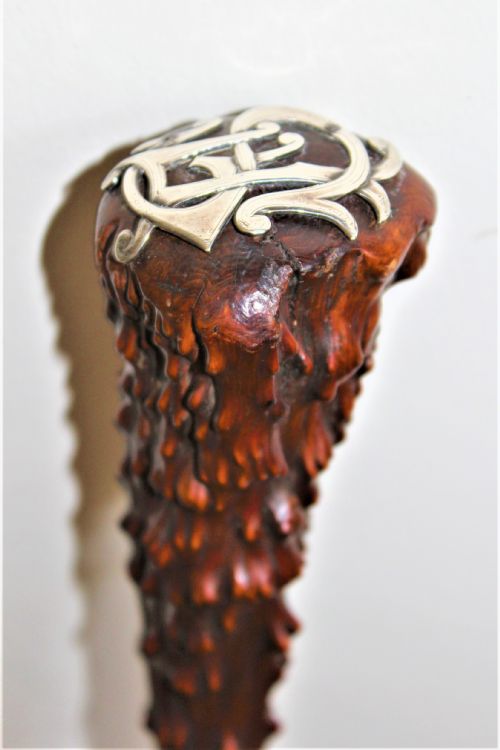

Rustic Country Cane
A rustic country cane brings raw natural texture and honest utility into a room, offering tactile warmth derived from organic materials.
Rustic Country Cane
When searching for a rustic country cane, buyers encounter an eclectic mix of seating, storage, and utility items spanning the Victorian era up to 1920. These pieces embrace organic forms, often incorporating woven plant fibres alongside solid timbers like oak, pine, elm, and beech.
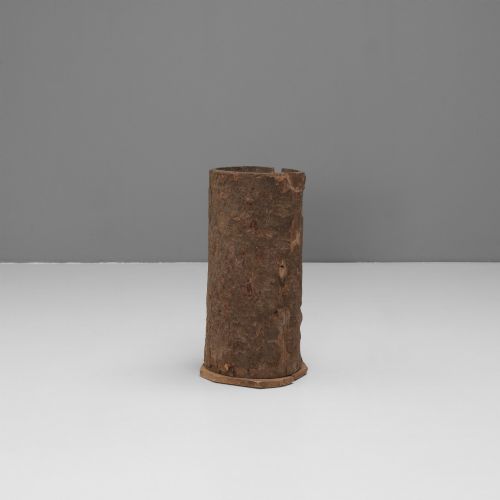
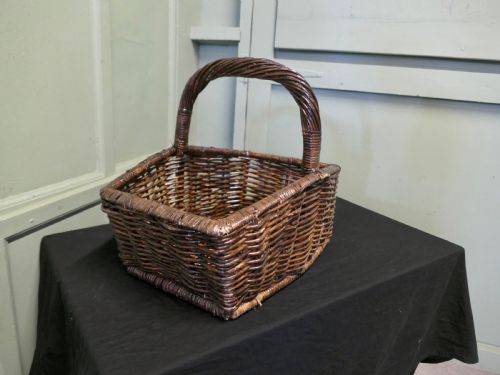
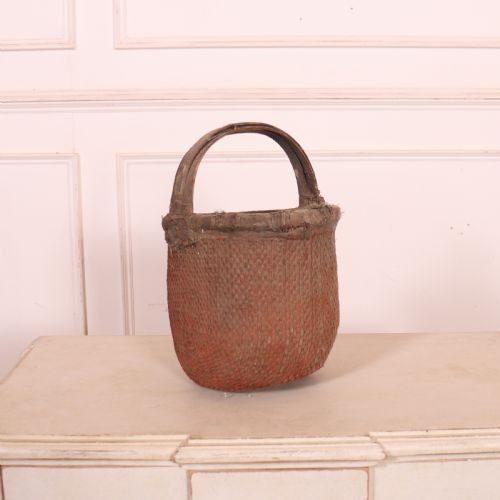
Most items reflect the everyday utility of domestic and market life, utilising bark, log, wicker, and willow. Buyers find everything from sturdy walking sticks of natural form to large coopered barrel stick stands and woven flower baskets.
Materials and construction
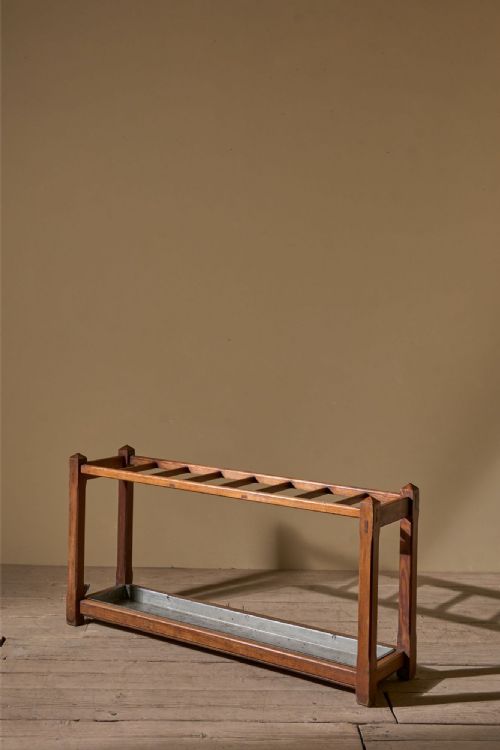
Makers utilised locally sourced timber such as oak, pine, elm, and beech for structural integrity, often pairing solid woods with woven cane, wicker, willow, and bark. Branches and natural forms were frequently left intact for walking sticks and rustic umbrella stands.
Basketry and seating incorporated flexible plant fibres woven by hand, while larger items like coopered barrel stick stands employed traditional stave and metal banding techniques. Painted finishes appeared on select woven baskets and chairs to protect the wood and fibre.
One walking stick is catalogued simply as a natural form, reminding us that sometimes a branch just wanted to be held.
Assessing quality
Quality rests in the integrity of the natural materials and the tightness of the weave across cane seats and wicker baskets. Superior examples maintain structural stability in raw branch elements and coopered barrels without excessive drying or splitting of the timber.
Design ambition separates basic utility pieces from more refined country house items, such as gothic umbrella stands or Carolean Revival armchairs. The skill required to shape natural wood forms and execute even cane work dictates the standing of each piece.
The Rustic Country Cane Glossary
- Cane
- The thin pliable stems of certain palms, used extensively for woven seats and backs on chairs and stools. It provides a resilient and breathable surface.
- Wicker
- Pliable plant material such as willow, rattan, or reed woven into baskets, furniture, and storage vessels. This technique creates lightweight yet durable domestic items.
- Coopered
- A method of construction using wooden staves bound together with metal hoops, traditionally utilised for barrels and large stick stands. This ensures cylindrical vessels hold their shape.
- Vernacular
- Architecture and objects built by traditional craftspeople to local needs using local materials, rather than following high architectural styles. These pieces prioritise honest function.
- Stick Back
- A chair construction method where turned or natural wooden spindles are inserted directly into a solid seat. This forms a sturdy and straightforward rustic support.
Rustic Country Cane: Frequently Asked Questions
How were these items used originally?
Walking sticks and umbrellas found orderly storage in hallway stands made from oak, pine, or coopered barrels. Baskets served practical roles in markets for carrying flowers, fruit, and daily goods.
Seating such as armchairs, rocking chairs, and stools provided everyday domestic comfort in country houses and farmhouses using woven cane and spindle construction.
How do I care for cane and wicker?
Natural plant fibres require gentle dusting with a soft brush and benefit from maintaining moderate humidity to prevent the material from becoming brittle. Avoid placing them near direct heat sources.
Solid wood elements respond well to occasional light polishing or waxing to preserve the natural grain and protect the surface from drying out over time.
How do I distinguish Victorian country styles?
Victorian country pieces often display a mix of vernacular traditions, from Gothic Revival umbrella stands to simple elm walking sticks and Windsor spindle back rocking chairs. The focus remains on regional craftsmanship.
Pieces from this era balance heavy timber construction with lighter woven elements like wicker and cane, reflecting the practical demands of nineteenth-century domestic life.