



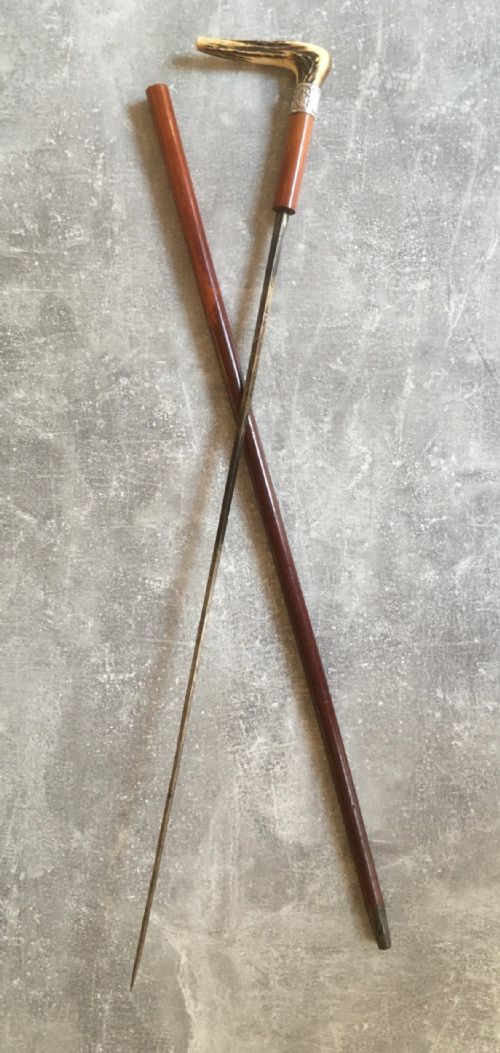
Edwardian Country Walking Stick
An Edwardian country walking stick is a sturdy utilitarian companion for outdoor strolls, combining traditional woodcraft with practical design for everyday field use.
Edwardian Country Walking Stick
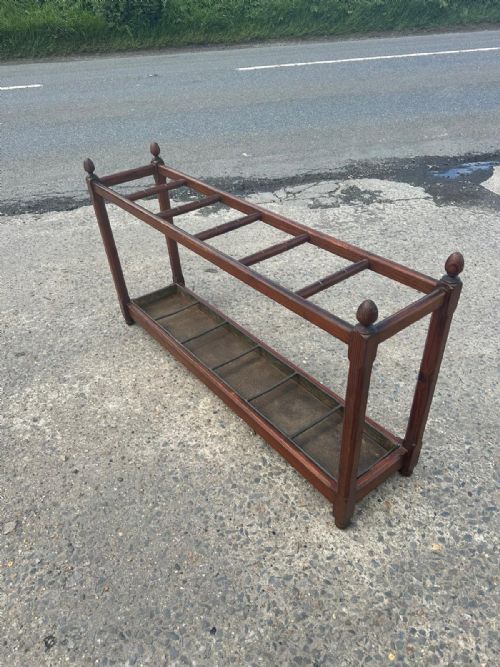
An edwardian country walking stick represents the practical outdoor accessories used during the early twentieth century and the preceding Victorian era. These pieces frequently emerge in utilitarian forms alongside related hallway furnishings like umbrella and stick stands.
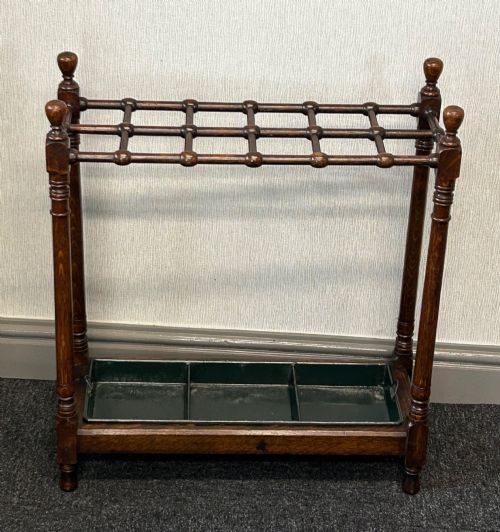
The selection on this page encompasses both individual walking sticks of natural or cane form and the larger oak and mahogany umbrella stands designed to hold them in English country houses. Makers such as Heals of London appear among the larger hall furnishings.
Buyers encounter items originating from the nineteenth and early twentieth centuries, spanning periods from eighteen eighty to nineteen hundred. These rural objects reflect the domestic routines and field pursuits of the period.
Materials and Construction
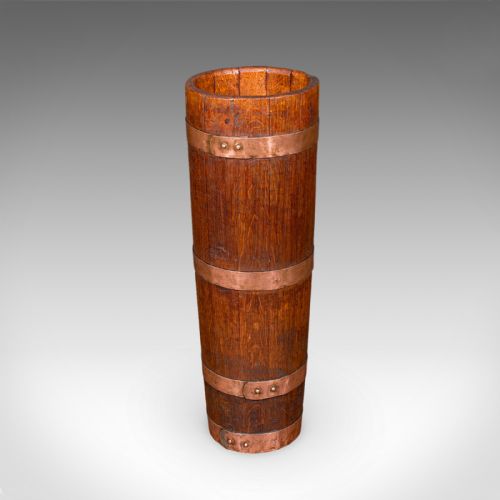
Wood forms the primary foundation for these items, with oak, pitch pine, mahogany, and malacca utilised across the sticks and stands. Coopered construction techniques shape the barrels and loops found in larger hall stands.
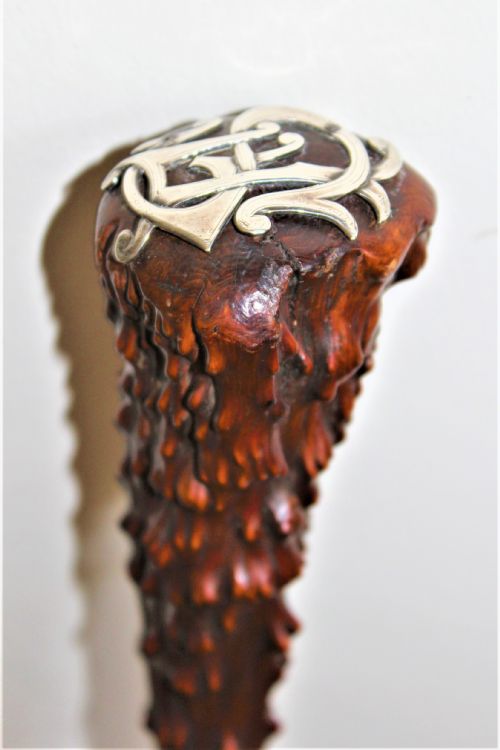
Metal components provide reinforcement and functional detail, incorporating brass bands, copper fittings, and iron elements. Antler handles and natural wood forms appear on individual walking sticks alongside specialised sword stick variants.
Some walking sticks double as hidden blades, proving that Edwardian strollers took their gardening defence very seriously indeed.
Assessing Quality and Craftsmanship
The distinction between standard examples and superior pieces rests on the choice of timber and the complexity of the joinery. Fine furniture makers such as Heals applied careful construction to hallway stands using quarter-sawn oak and substantial brass mounts.
Individual walking sticks vary according to the selection of natural materials, such as well-figured malacca and antler handles. The integration of decorative elements like barley twist turnings elevates the presence of larger hallway stands.
Heals of London
The Edwardian Country Walking Stick Glossary
- Coopered
- Constructed from wooden staves bound with metal hoops, much like a traditional barrel. This technique provides structural strength for holding wet umbrellas and heavy walking sticks.
- Bergere
- A woven cane panel integrated into furniture frames. This detail appears on larger stick stands alongside barley twist turnings.
- Barley twist
- A decorative turning style shaped like a spiral resembling a twisted rope. It adds vertical visual interest to the upright supports of hall stands.
- Demi-lune
- A half-moon shape designed to sit flush against a hallway wall. This form allows large stick stands to occupy minimal floor space.
- Malacca
- A strong tropical cane derived from Asian rattan palms, prized for walking sticks and umbrella shafts. It offers flexibility combined with durability.
Edwardian Country Walking Stick: Frequently Asked Questions
What materials make up these walking sticks?
Constructed items frequently utilise woods such as oak, mahogany, pitch pine, and malacca. Metal fittings in brass, copper, and iron add structural support.
Individual sticks often feature natural forms or antler handles. These materials served both decorative and practical functions in country houses.
How were stick stands used?
Large hallway stands organised walking sticks and umbrellas for residents and guests arriving from outdoor pursuits. Coopered barrels and metal loops contained wet items to protect hall floors.
These pieces typically stood in entrance halls or boot rooms. They kept outdoor gear accessible for daily walks across the estate.
How do I date these pieces?
Dating relies on recorded periods spanning the Victorian era through nineteen hundred and the Edwardian period. Stylistic clues include Jacobean revival motifs and specific construction methods.
Makers' marks, when present, help narrow the timeframe. Hallmarks on brass or silver mounts also indicate the period of manufacture.
What is a sword stick?
A sword stick conceals a blade within the wooden shaft of the walking cane. Historical examples feature malacca shafts and specialised locking mechanisms.
These items combined personal defence with the appearance of a standard gentleman's walking cane during the nineteenth century.