

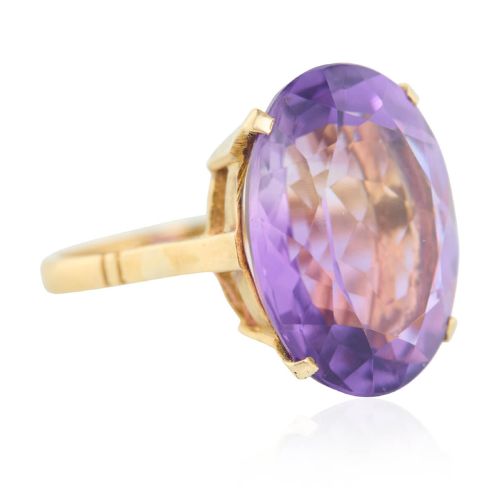
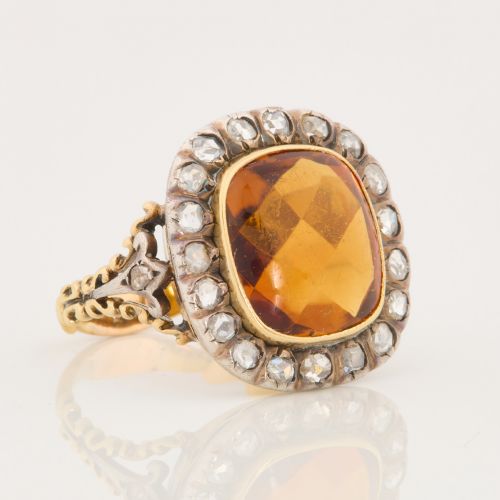
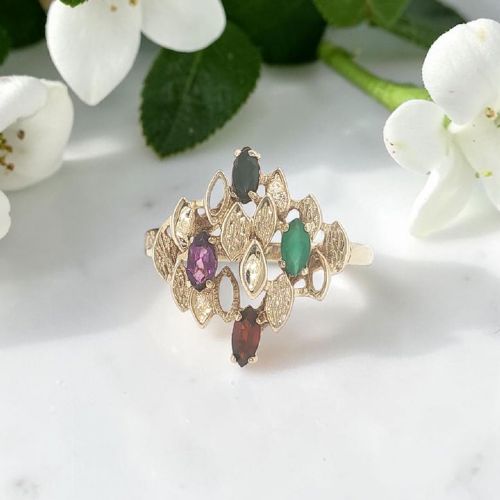
Vintage Gemstone Statement Ring
A vintage gemstone statement ring commands attention with generous stones and striking metals, carrying the bold presence of past decades into modern wear.
Vintage Gemstone Statement Ring
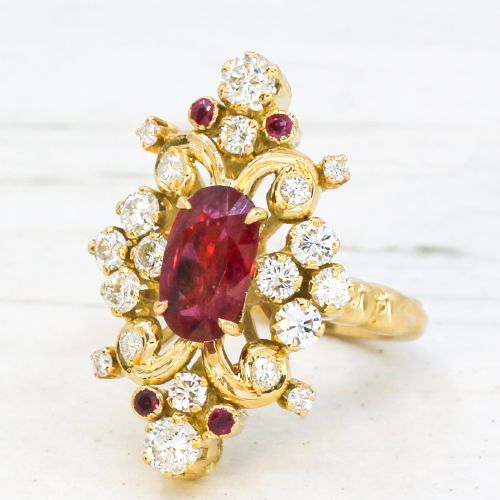
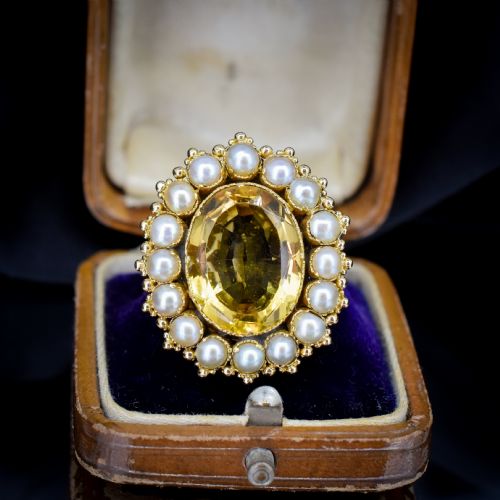
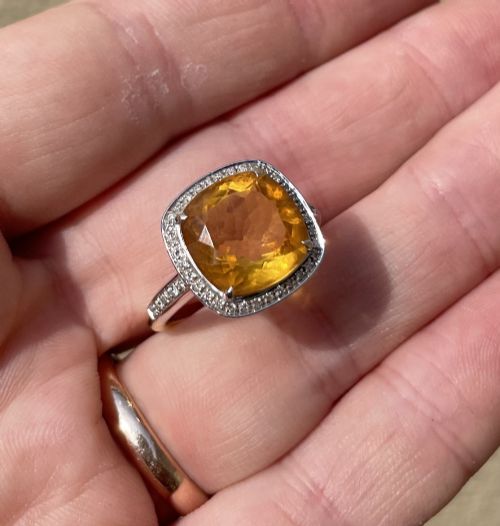
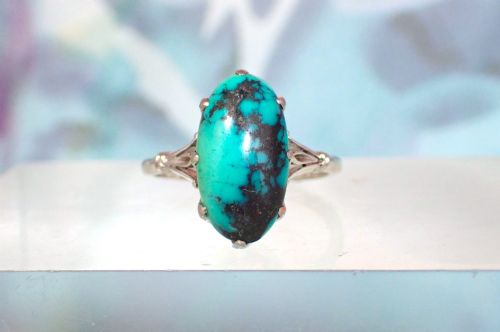
A vintage gemstone statement ring brings together substantial centre stones and decorative metalwork designed to catch the eye. When you search for a vintage gemstone statement ring, you encounter substantial cocktail rings, dress rings, and cluster designs spanning the nineteenth century through the mid-century modern era.
The selections on this page draw from periods including the Victorian era, Art Deco, Retro, and mid-century modern design. Forms range from simple high-set single stones to intricate multi-gem clusters set in platinum or various shades of gold.
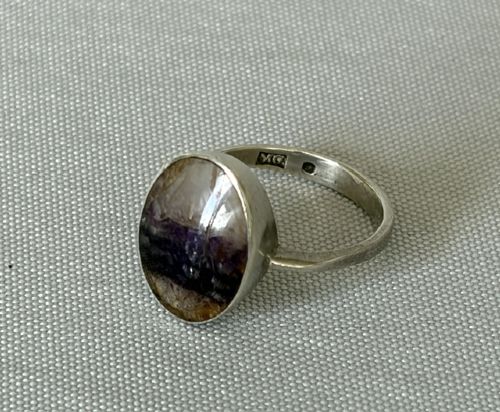
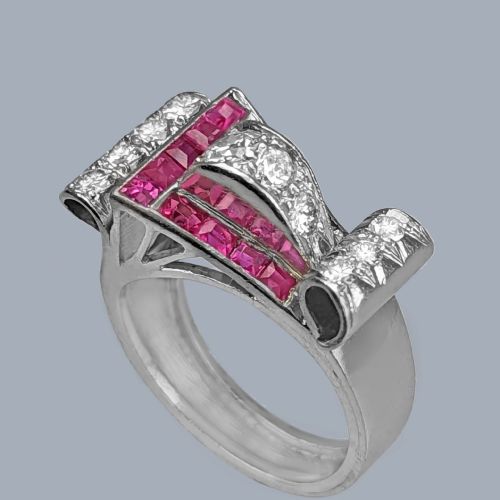
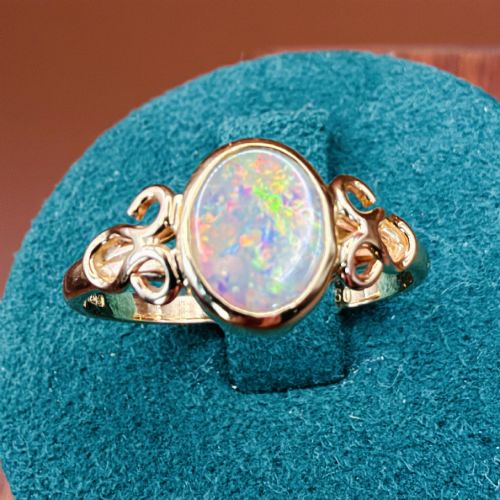
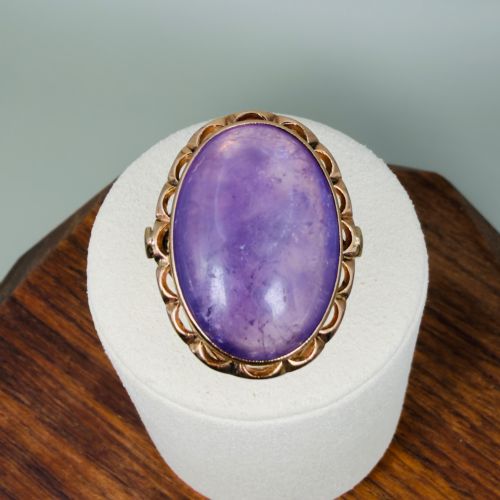
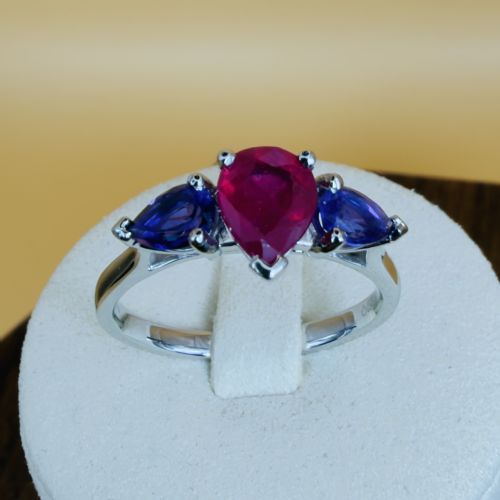
Makers and designers from diverse European workshops utilised large aquamarines, amethysts, rubies, and opals. These pieces reflect the aesthetic priorities of their specific decades, moving from ornate floral clusters to geometric architectural lines.
Materials and construction methods
Goldsmiths constructed these rings using platinum, sterling silver, and gold ranging from nine to eighteen carats in yellow, white, and rose tones. Metalwork often involved bezel settings, claw settings, or complex geometric channels designed to secure heavy stones.
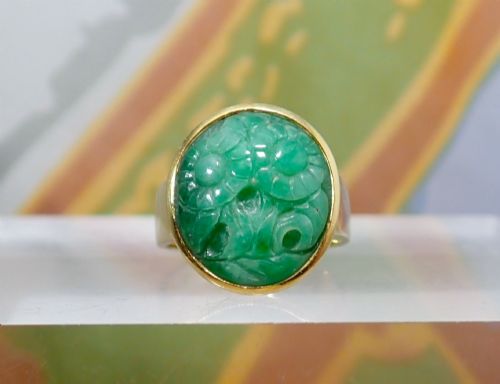
Stones were shaped through traditional cutting techniques such as old cut diamonds, cushion cuts, emerald cuts, and smooth cabochons. Workshops paired major coloured stones like aquamarine, jade, and sapphire with accent diamonds, pearls, or onyx to build visual depth.
One extraordinary ring allows you to rearrange interchangeable golden balls in a playful brutalist dance.
Factors in quality and execution
Quality rests in the proportional balance between the scale of the central gemstone and the structural integrity of the mounting. Superior examples display secure stone seating, crisp metal casting, and well-matched accent stones that complement the dominant gem.
The distinction between ordinary and exceptional work lies in the handling of unusual or high-carat stones, such as unheated rubies or large aquamarines, paired with thoughtful pierced or millegrain-detailed gallery work rather than heavy, plain metal.
Gilbert Albert
The Vintage Gemstone Statement Ring Glossary
- Cabochon
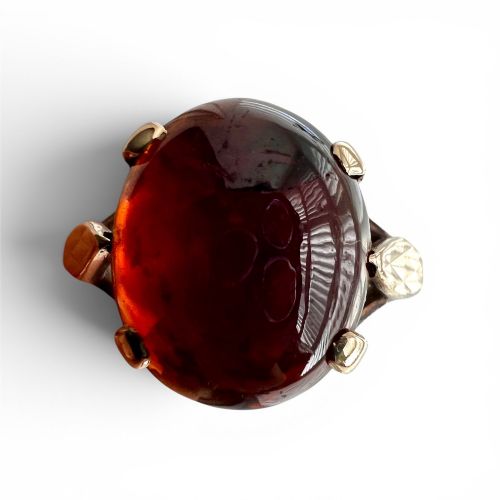
- A gemstone shaped and polished with a smooth, rounded convex surface rather than faceted edges. This style is frequently seen on opals, amethysts, and moonstones.
- Cluster ring
- A ring featuring a central gemstone surrounded by a ring of smaller stones, typically diamonds or pearls. This arrangement maximises overall surface sparkle.
- Solitaire
- A mounting designed to showcase a single prominent gemstone without distraction from secondary side stones. It places full visual weight on the central material.
- Millegrain
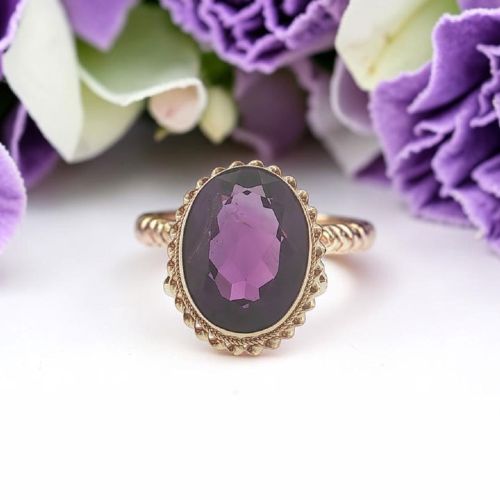
- A decorative technique consisting of a row of small metal beads along the edges of a setting. It adds a refined, textured border typical of fine period jewellery.
- Old cut
- A traditional diamond cutting style characterised by a high crown, small table, and deep pavilion. These stones produce a distinctive softer glow under candlelight or low light.
Vintage Gemstone Statement Ring: Frequently Asked Questions
What defines a vintage gemstone statement ring?
A vintage gemstone statement ring is characterised by an oversized or visually prominent central stone paired with bold metalwork from past decades. These pieces were specifically created to stand out on the hand during social gatherings and formal events.
They combine expressive colour with substantial weight, often incorporating multiple supporting diamonds or secondary gemstones to enhance the primary stone's visual impact.
How do I care for a vintage gemstone ring?
Care depends heavily on the specific gemstone hardness and the mounting technique used by the original maker. Softer materials like opal or pearl require gentle cleaning without harsh chemical ultrasonic baths.
Regular inspection of the claws and settings by a professional jeweller ensures that heavy central stones remain securely anchored in their historical mountings during regular wear.
How can I identify the period of a ring?
Period identification relies on observing the combination of metal purity marks, gemstone cuts, and stylistic motifs. Art Deco pieces display geometric symmetry and white metals, while mid-century designs often embrace yellow gold and organic or brutalist textures.
Consulting hallmark records and understanding prevailing design movements of the nineteenth century through the nineteen-sixties provides precise chronological context.
Can these rings be resized easily?
Resizing depends on the band material, the presence of continuous channel-set stones around the shank, and the structural design of the shoulders. Solid gold or platinum shanks without side stones adjust straightforwardly in the hands of an experienced goldsmith.
Intricate gallery work or rings with delicate side stones require careful evaluation to prevent compromising the structural integrity of the original setting.