
Vintage Gold Cocktail Ring
A vintage gold cocktail ring brings scale and colour to the hand, combining mid-century design with precious stones.
Vintage Gold Cocktail Ring
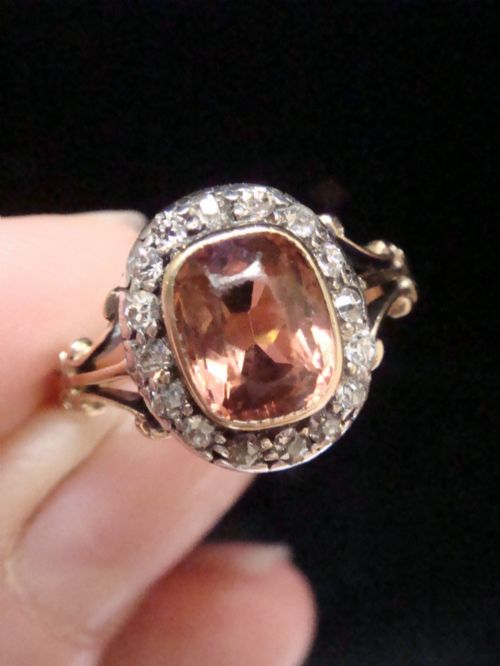
A vintage gold cocktail ring is defined by substantial presence on the hand, often centred on a large coloured gemstone surrounded by diamonds or smaller stones. These pieces emerge primarily from the mid-twentieth century, with examples spanning from Edwardian and Art Deco roots through to the 1970s.
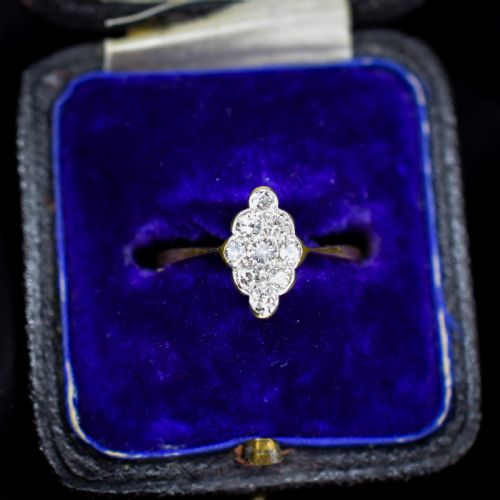
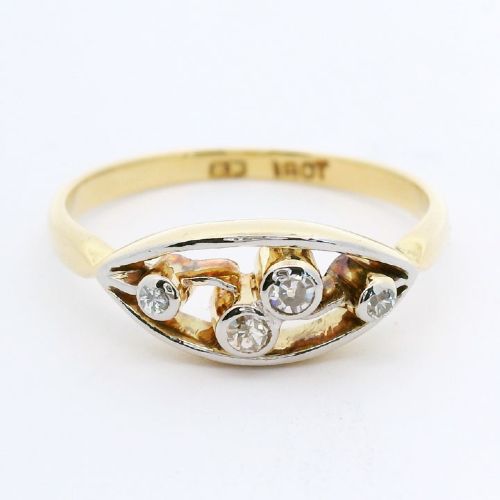
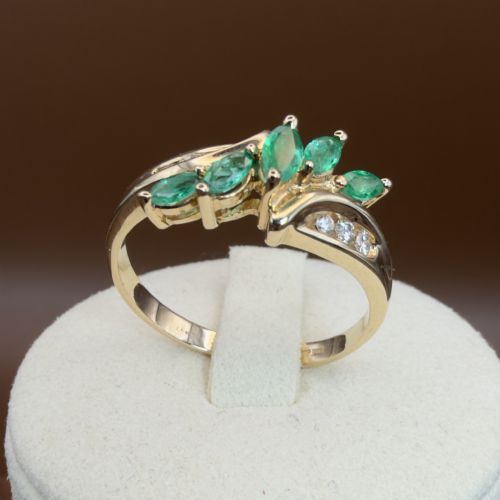
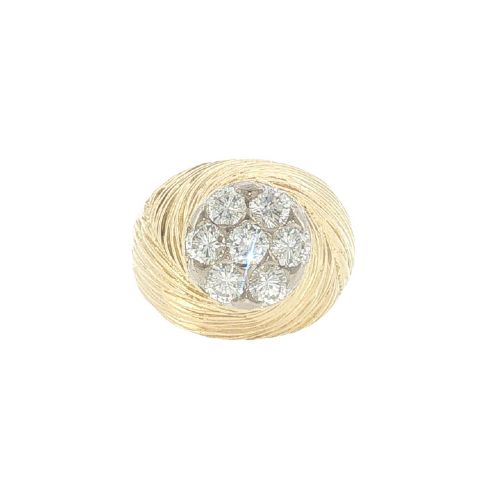
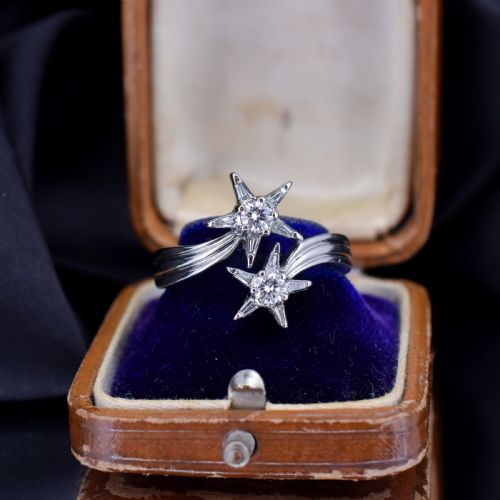
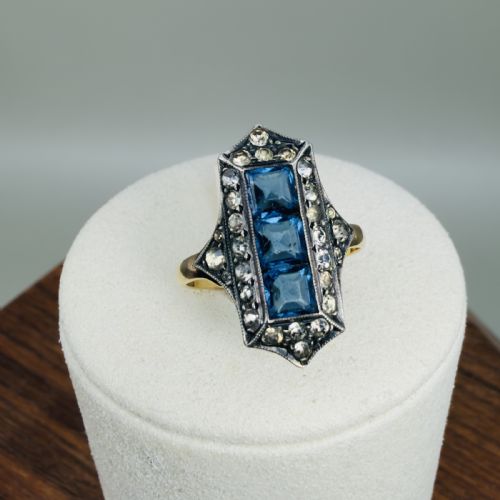
The materials span yellow gold, white gold, rose gold, and platinum, mounted with citrine, amethyst, sapphire, ruby, emerald, jade, pearl, and turquoise. Forms range from traditional cluster configurations to floral motifs and abstract geometric settings.
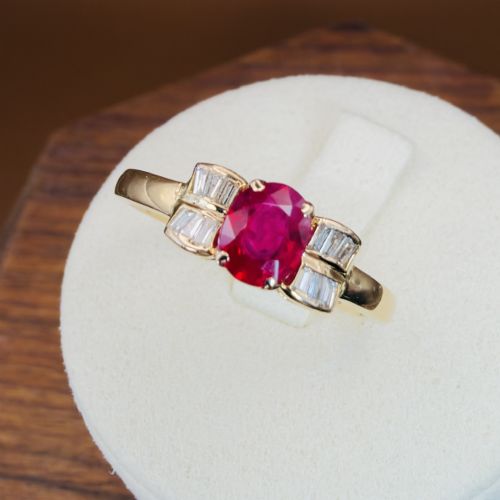
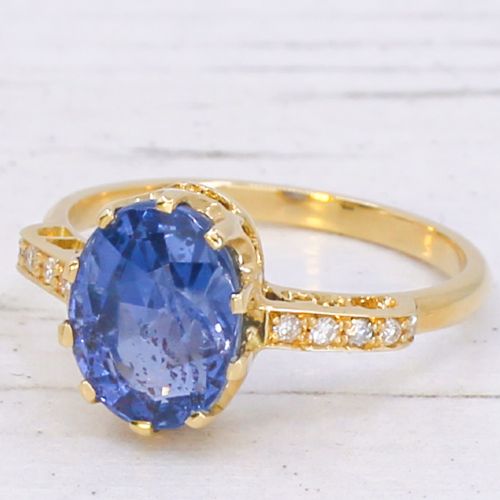
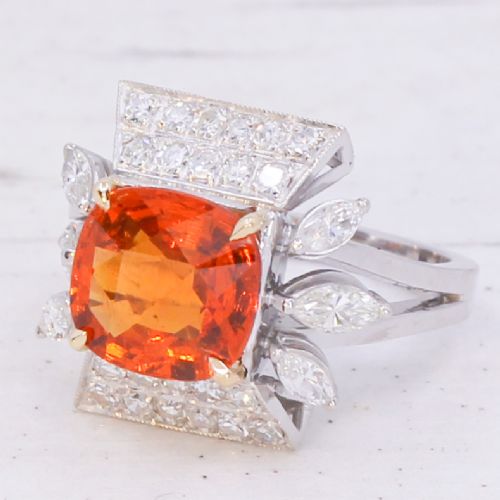
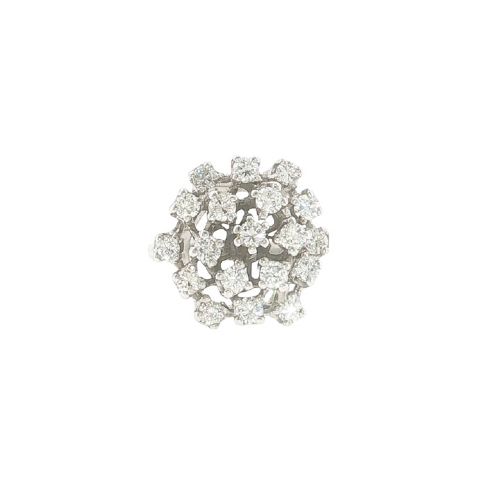
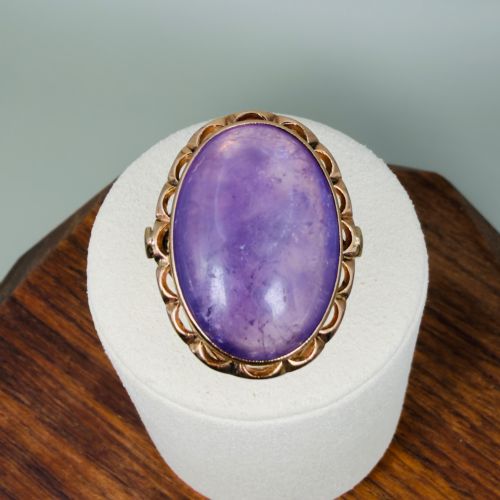
Buyers encounter rings featuring unheated Ceylon sapphires, large cabochon lavender jade, and rich garnets alongside classic diamond clusters. The style draws on periods where jewellery design embraced boldness and individual character.
Assessing quality and craftsmanship
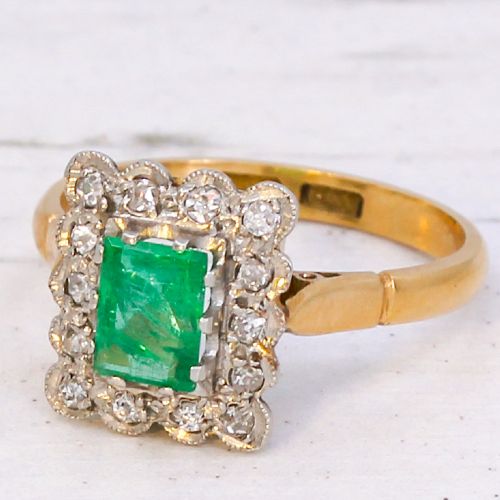
Quality rests on the origin, weight, and treatment of the central gemstone, alongside the precision of the supporting diamond work. Unheated sapphires, untreated emeralds, and well-matched diamond clusters command greater attention than standard commercial stones.
Execution of the metalwork distinguishes superior examples, visible in crisp casting, secure claw placement, and balanced proportions. Maker attribution, hallmarking clarity, and overall preservation of the original setting further elevate individual pieces.
Vintage Gold Cocktail Ring Retail Price Guide 2026
Typical asking prices for vintage gold cocktail ring among the pieces listed under this phrase on Sellingantiques today, from the lower quarter to the upper quarter. They describe what is for sale here now, not the wider market.
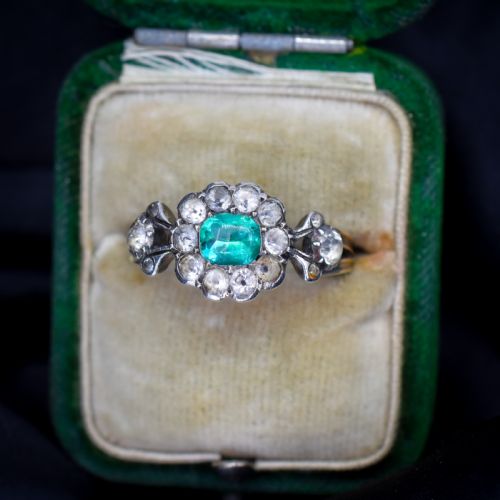
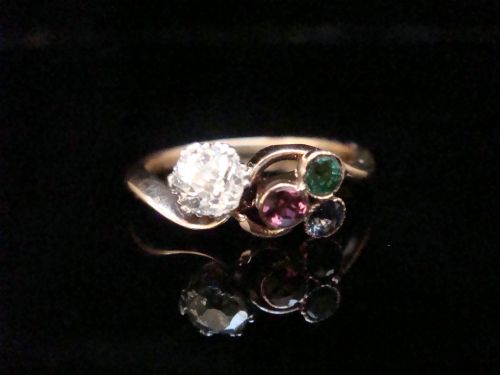
Gemstone choices recorded across the pieces include Ceylon sapphires, Mong Hsu rubies, lavender jade, and multi-stone floral clusters.
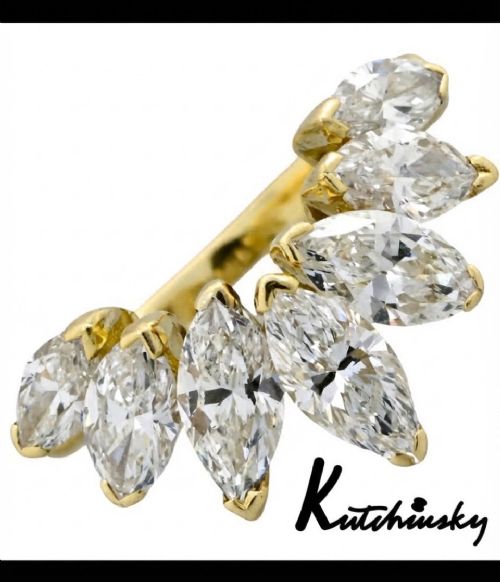
Kutchinsky·Andrew Grima·Taverna Gioielli·Arthur King·Cartier
The Vintage Gold Cocktail Ring Glossary
- Cluster ring
- A ring design featuring a central gemstone encircled by a group of smaller stones, typically diamonds. This arrangement maximises the visual impact of the centre gem.
- Navette
- A boat-shaped gemstone setting that tapers to points at both ends. It creates an elongated silhouette across the finger.
- Cabochon
- A gemstone shaped and polished with a smooth, rounded surface rather than faceted edges. This cut is common for opaque stones such as jade, opal, and turquoise.
- Old cut
- A diamond cutting style prevalent in antique jewellery, characterised by a high crown, small table, and deep pavilion. These cuts produce a softer sparkle under candlelight.
- Paste
- Hand-cut glass used as a substitute for gemstones in historic jewellery. High-quality paste stones display deep colour and careful foil backing.
Vintage Gold Cocktail Ring: Frequently Asked Questions
What is a cocktail ring?
A cocktail ring is a large, statement piece designed to draw attention, traditionally worn at evening gatherings during the mid-twentieth century. They prioritise bold visual impact through sizeable central stones and creative cluster arrangements.
These rings break away from delicate everyday jewellery by using substantial gold weights and vibrant coloured gems such as amethyst, citrine, and tourmaline.
How do I style a vintage ring?
Styling a vintage gold cocktail ring involves letting the piece stand alone on the hand to showcase its scale and detailed metalwork. Pairing it with simple attire allows the coloured stones and cluster design to remain the focal point.
Because these rings possess significant height and coverage, they suit middle or ring fingers where the mounting sits comfortably against adjacent digits.
How do I identify the period?
Dating relies on a combination of gemstone cuts, metal choices, and official hallmarks stamped inside the shank. Art Deco pieces favour geometric symmetry and white metals, while 1950s and 1960s examples often introduce textured yellow gold and abstract forms.
Maker marks and regional assay office symbols provide precise verification for pieces originating from London, Birmingham, and international workshops.
Are these rings suitable for daily wear?
Daily wear depends on the hardness of the central gemstone and the security of the setting. Harder stones like diamonds, rubies, and sapphires endure regular use well, while softer materials like pearls or opals require greater care.
Checking the claws and gallery structure periodically ensures the stones remain firmly anchored during routine activities.