

Vintage Garden Pedestals
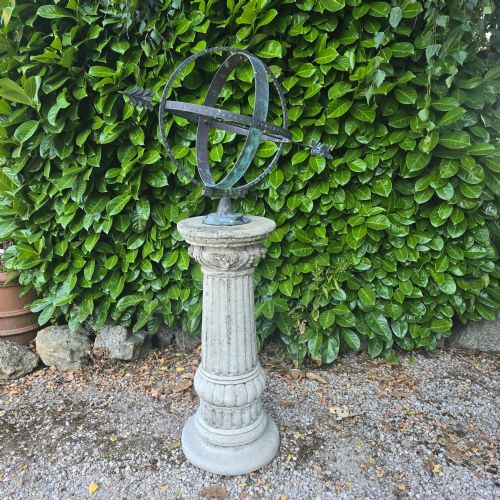
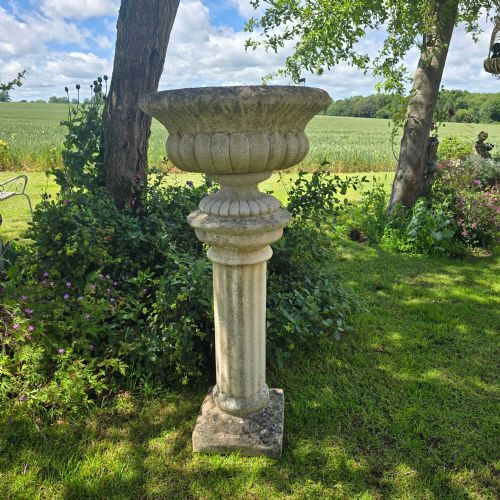
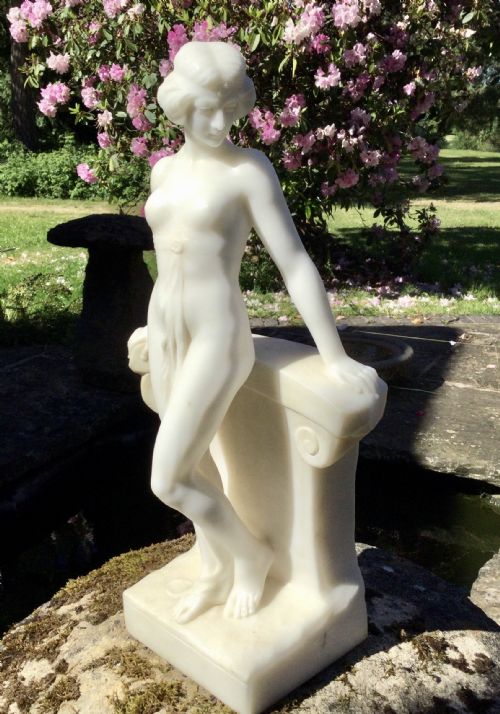
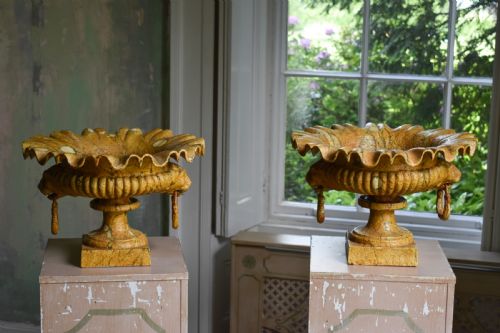
These vintage garden pedestals elevate classical urns, sundials, and statues to create focal points in outdoor spaces.
Vintage Garden Pedestals
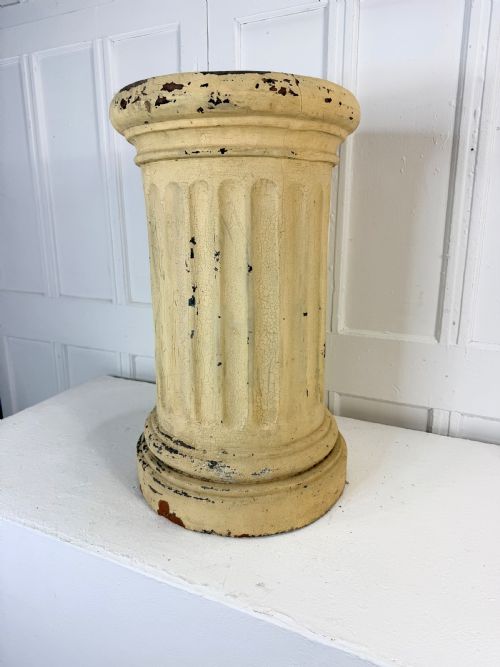
The selections span nineteenth-century foundations alongside twentieth-century iterations from the 1920s and 1930s. Common forms include classical columns, plinths, and display columns that elevate garden ornaments.
Makers utilised durable outdoor media such as cast iron, reconstituted stone, and terracotta to withstand weathering. These pieces range from simple utilitarian bases to ornate neoclassical structures.
Materials and construction
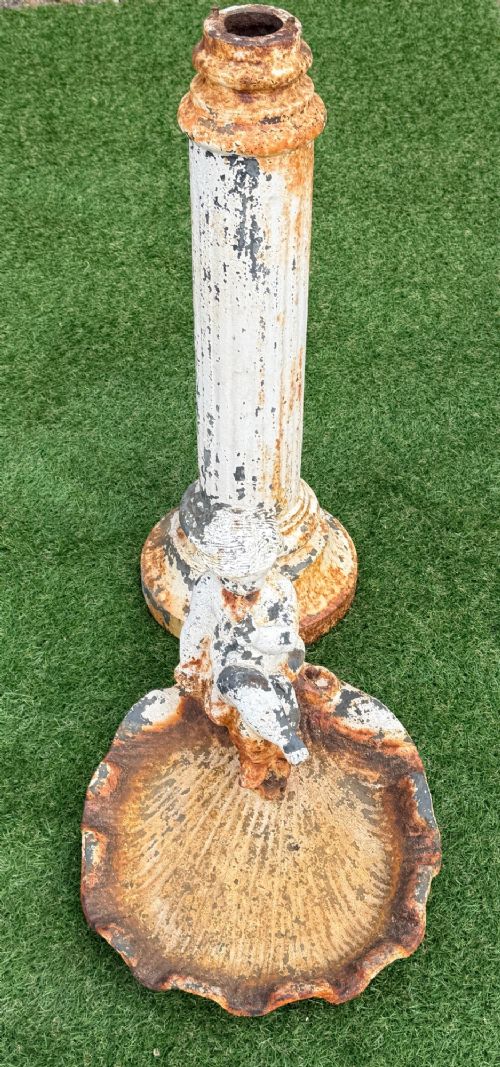
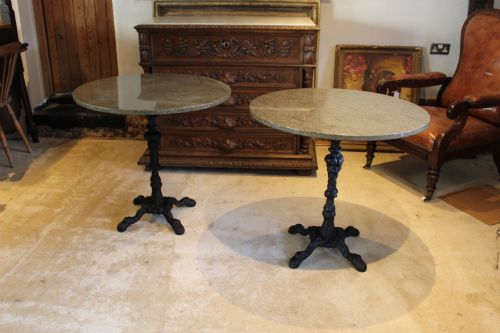
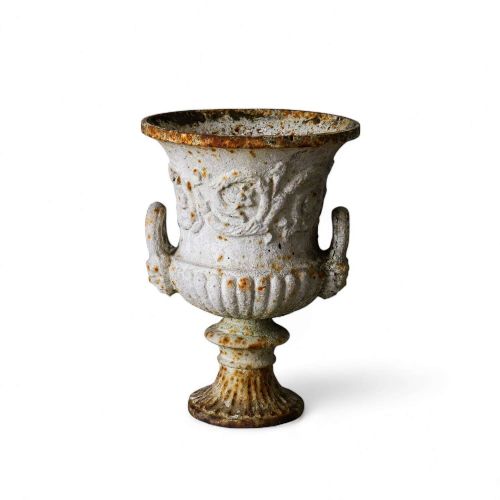
Foundries cast iron into moulds to produce durable structural columns and detailed surface decoration. Makers also employed wrought iron for robust framework and support.
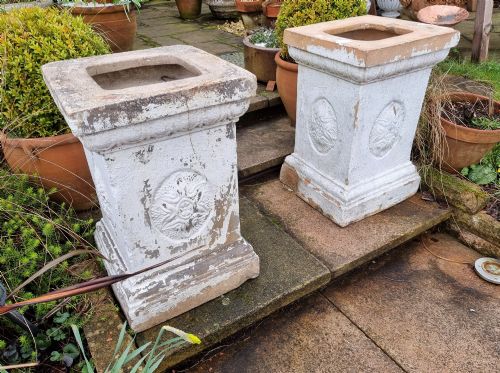
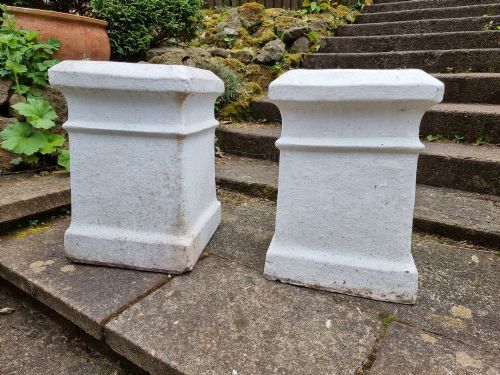
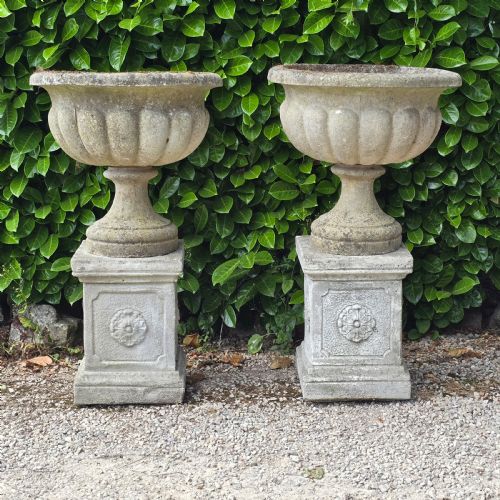
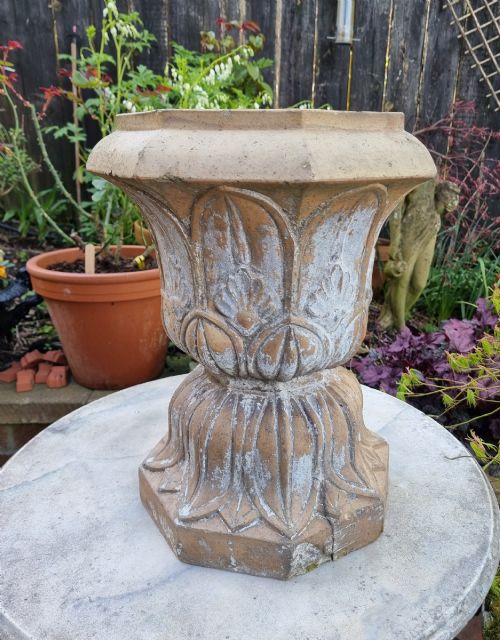
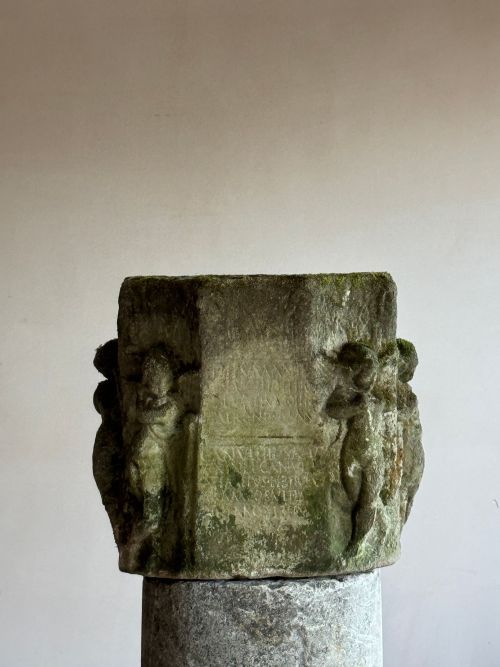
Stone and reconstituted stone mixtures were poured or carved to form heavy plinths and Roman-style altars. Terracotta variants were shaped from clay and fired to create earthy display columns and urn bases.
Listings feature cast iron, terracotta, and stone pedestals spanning the nineteenth century to the 1950s.
Assessing quality
Quality rests in the precision of the casting and the weight of the raw material. Heavy cast iron and dense stone columns display sharper relief in decorative moulding than lighter alternatives.
Natural weathering and surface patina indicate age and integration into outdoor environments. Superior pieces retain structural integrity despite centuries of exposure to the elements.
Dunfermline Clay Company·Coalbrookdale·Andrew Handyside
The Vintage Garden Pedestals Glossary
- Plinth
- A heavy rectangular or square base supporting a statue, urn, or column. It lifts the primary ornament off the ground to improve garden sightlines.
- Campana
- A bell-shaped garden urn often mounted upon a pedestal base. This classical silhouette originates from ancient Roman pottery forms.
- Reconstituted stone
- A durable material manufactured from aggregate stone bound with cement. It mimics natural carved stone for garden pedestals and architectural ornaments.
- Staddle stone
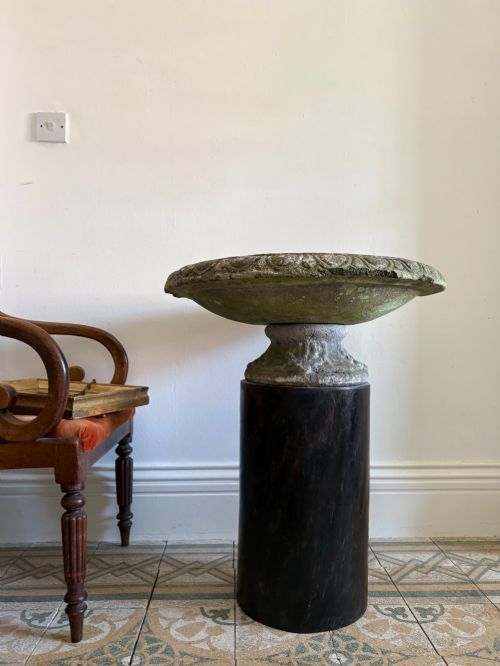
- A mushroom-shaped stone support formerly used to raise granaries off the damp earth. These sturdy blocks function as rustic garden pedestals today.
Vintage Garden Pedestals: Frequently Asked Questions
What holds up a heavy stone urn?
Vintage garden pedestals utilise dense materials like cast iron, sandstone, and reconstituted stone to bear heavy loads. Their broad bases distribute weight evenly across lawns and patio paving.
Heavier plinths remain stable in strong winds without requiring permanent ground fixings. This allows gardeners to reposition displays as planting schemes evolve through the seasons.
How do I clean a weathered stone pedestal?
Soft brushing removes loose dirt and organic debris from the porous surfaces of stone and terracotta columns. Avoid harsh chemical cleaners that strip away attractive historical patina.
Gentle water rinsing preserves the weathered oxidation that defines antique garden ornaments. Preserving this surface layer maintains the visual character developed over decades outdoors.
Can cast iron pedestals stay outside in winter?
Cast iron and stone structures tolerate cold weather well if positioned on well-drained ground. Standing water pooling around the base can cause freezing damage as temperatures drop.
Raising pedestals slightly off wet soil prevents moisture absorption during prolonged winter rains. Checking stability seasonally ensures heavy displays remain secure year-round.
Are nineteenth-century pedestals weatherproof?
Nineteenth-century manufacturers designed these supports specifically for permanent outdoor installation in gardens and parks. Materials like cast iron and stoneware endure seasonal temperature fluctuations naturally.
Over decades, these pieces develop a stable protective patina from atmospheric exposure. Regular inspection keeps historic ironwork and stone columns structurally sound.