
Vintage Garden Furniture
Vintage garden furniture brings enduring character to outdoor spaces through heavy metalwork and weathered timber gathered across the centuries.
Vintage Garden Furniture
Vintage garden furniture encompasses seating, dining sets, and decorative stands intended for exterior use, spanning the nineteenth century through the interwar decades. Buyers examining this selection will frequently encounter nineteenth-century cast iron benches and early twentieth-century teak seating.
Materials and Construction
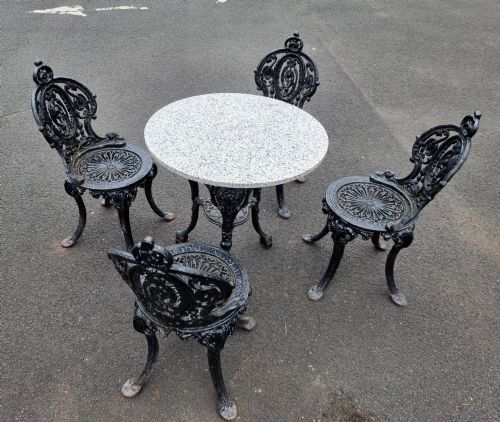
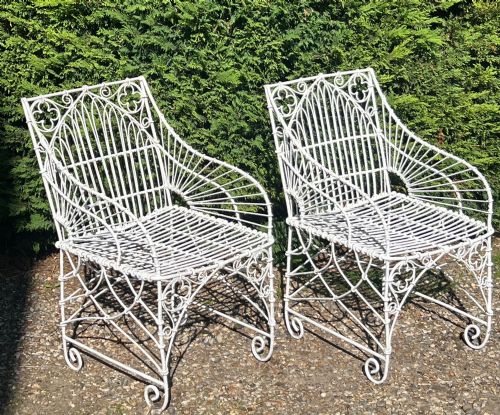
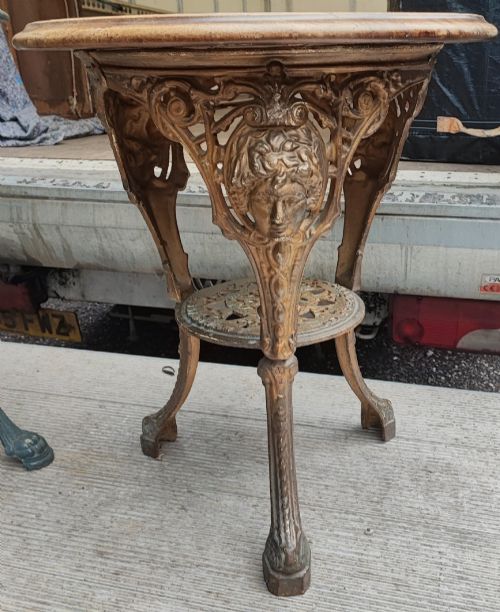
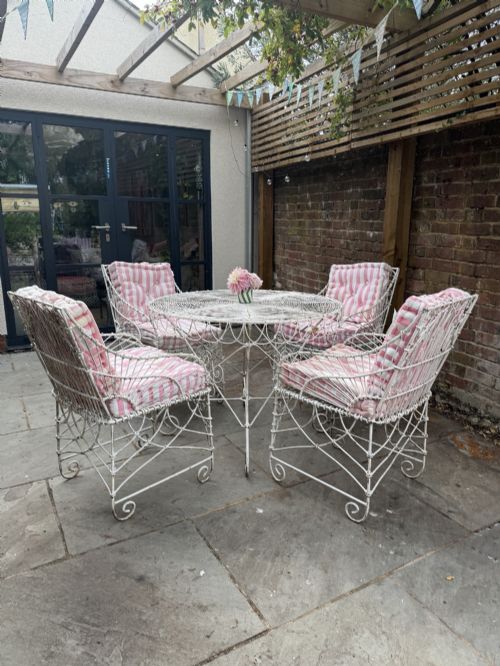
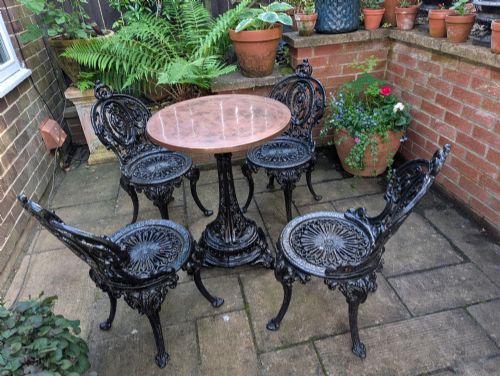
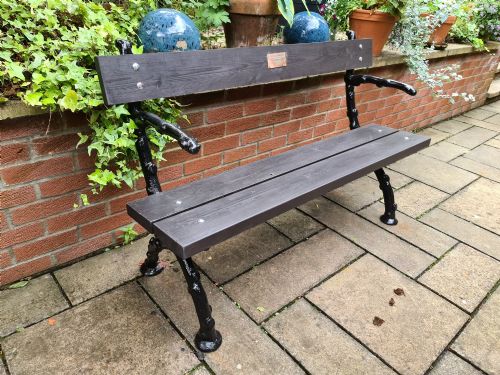
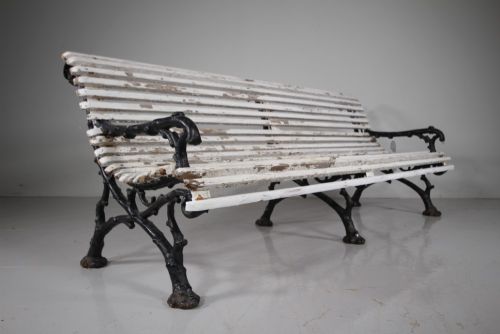
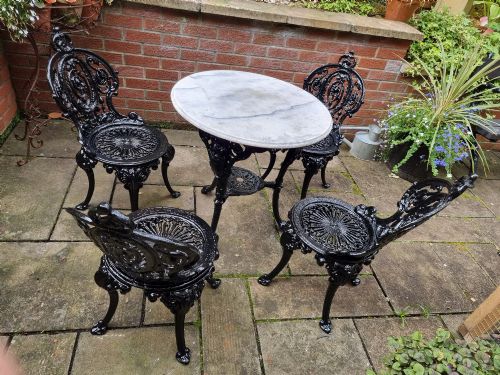
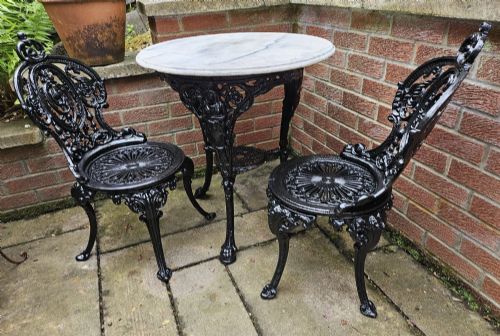
Metalwork relies heavily on cast iron and wrought iron, utilised for durable table bases, strapwork benches, and intricate chair frames. Foundries shaped these metals into detailed motifs such as blackberry leaves, faux bois, and lion masks.
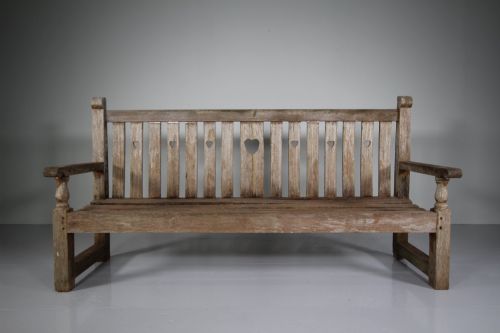
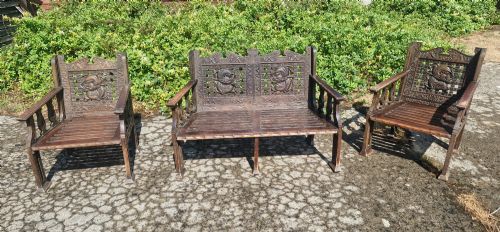
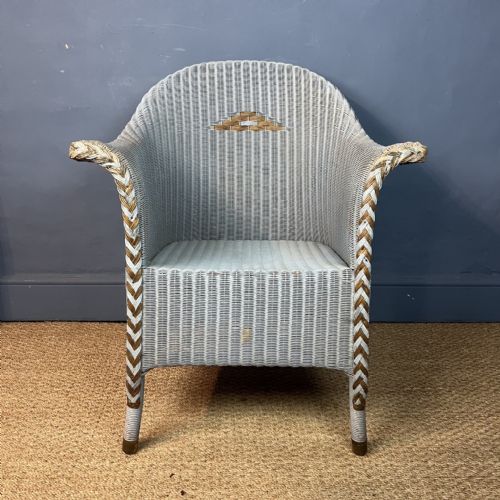
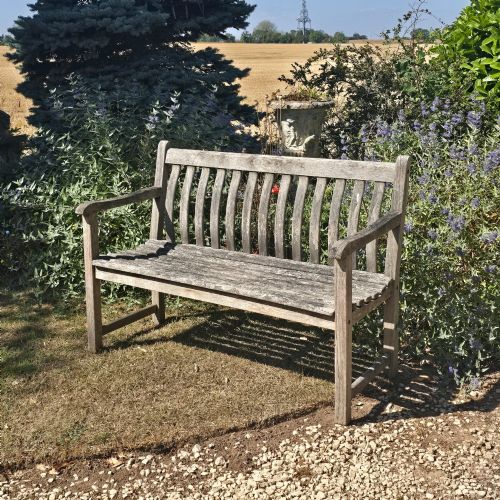
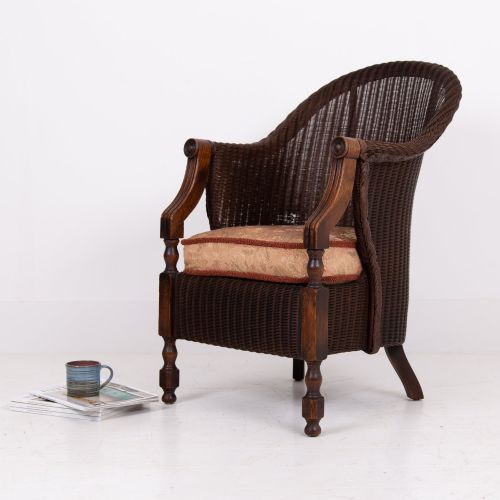
Timber elements utilise teak, oak, and general wood components, frequently left to weather naturally into a silvered finish. Lloyd Loom construction combines woven fibre with wooden frames for conservatory seating, while marble provides durable table tops.
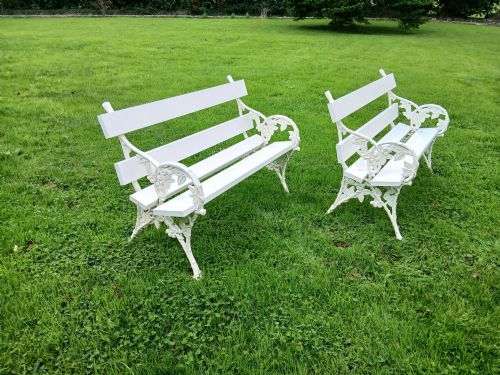
Victorian and Edwardian styles dominate the iron and timber garden benches available in this selection.
Assessing Quality and Execution
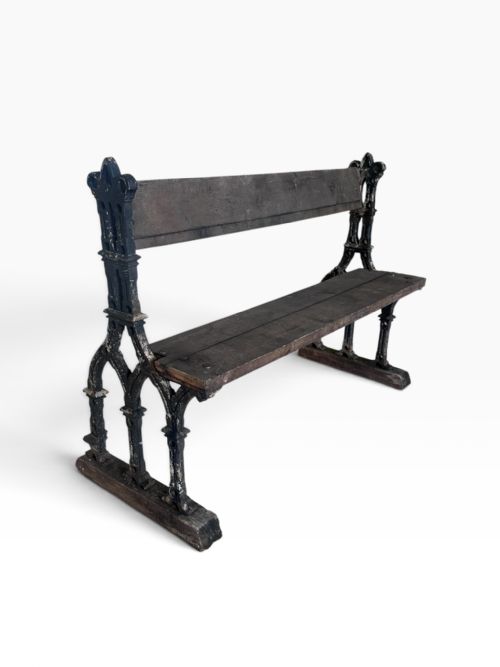
Quality rests upon the clarity of the metal casting and the complexity of the design, distinguishing standard utility pieces from pieces bearing named foundry patterns or architectural Gothic details. Heavier castings and estate-made wrought iron demonstrate greater substance.
Falkirk Carron Foundry·Christopher Dresser·Coalbrookdale
The Vintage Garden Furniture Glossary
- Faux bois
- Imitation wood. This decorative technique mimics natural timber grain in cast iron.
- Strapwork
- Flat metal bands. This technique creates geometric patterns across benches and chairs.
- Lloyd Loom
- Woven paper fibre. This material forms lightweight furniture on wooden frames.
- Gothic Revival
- Architectural style. This aesthetic introduces pointed arches and medieval motifs to ironwork.
Vintage Garden Furniture: Frequently Asked Questions
How do I maintain weathered teak furniture?
Weathered teak requires minimal intervention because the natural silvered patina protects the dense wood from further degradation. Periodic gentle cleaning removes surface debris without stripping the historic character.
Applying oils is generally unnecessary unless a deeper golden tone is preferred over the traditional silvered finish. Allowing the timber to breathe outdoors preserves its structural integrity.
Can cast iron garden pieces stay outside all winter?
Cast iron handles outdoor conditions well due to its substantial weight and robust construction. Heavy benches and tables remain stable during harsh weather without requiring constant indoor storage.
Protecting pieces from standing water and checking painted surfaces prevents rust accumulation over decades of exposure. Simple seasonal cleaning ensures the metalwork remains sound.
What defines a Regency strapwork bench?
Regency strapwork benches utilise intersecting flat metal bars to form open, geometric patterns along the backrest and seat. This technique lightens the visual weight of the iron while providing rigid structural support.
Early examples display precise hand-forged joinery that distinguishes them from later industrial reproductions. Their clean lines suit both classical gardens and contemporary terraces.
Where were Lloyd Loom chairs used?
Lloyd Loom armchairs were designed primarily for sheltered garden rooms, conservatories, and interior spaces during the early twentieth century. The woven fibre construction offered comfort while remaining resilient against indoor humidity.
These pieces bring a lighter texture to arrangements of heavy cast iron and weathered timber. Their durable frames allow them to function as occasional seating in protected outdoor areas.