

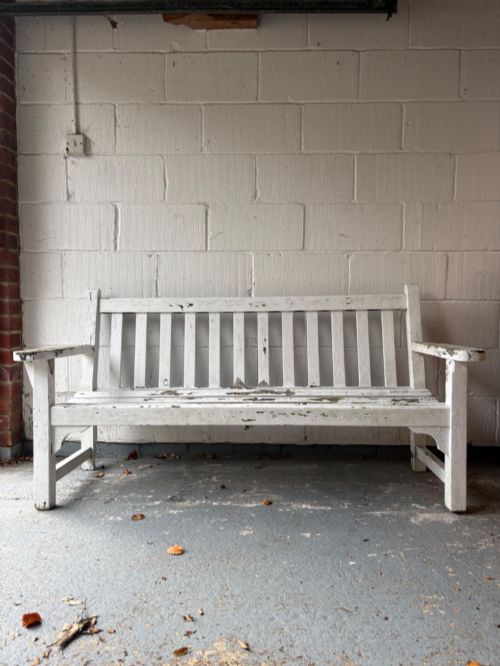
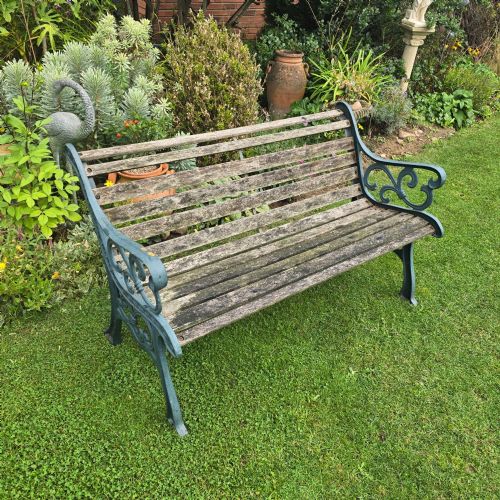
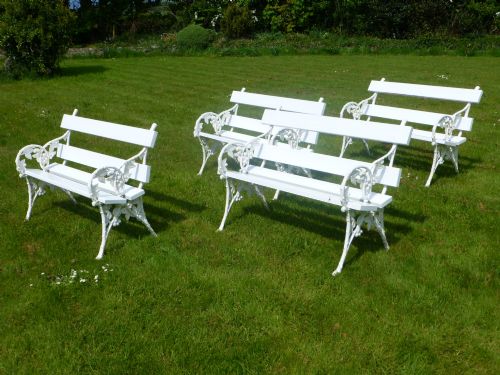
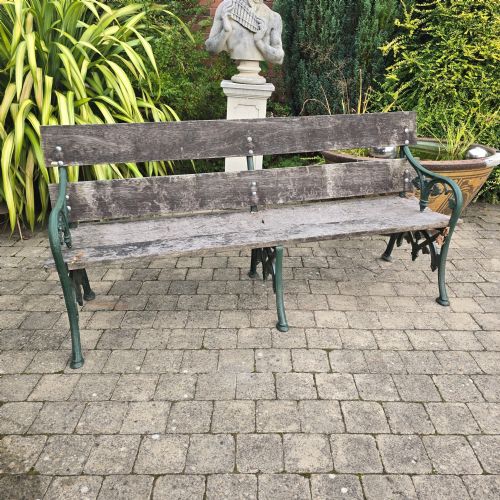
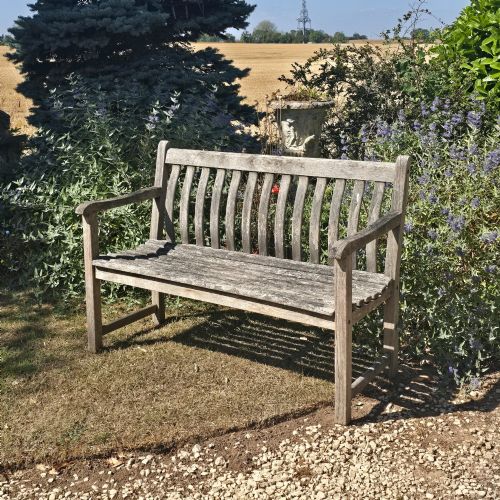
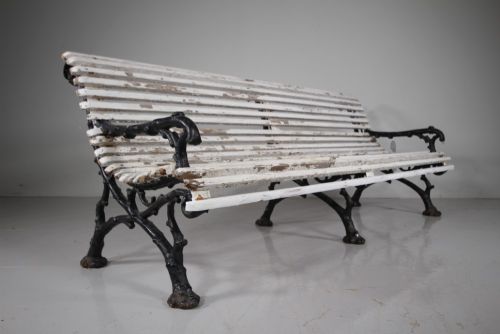
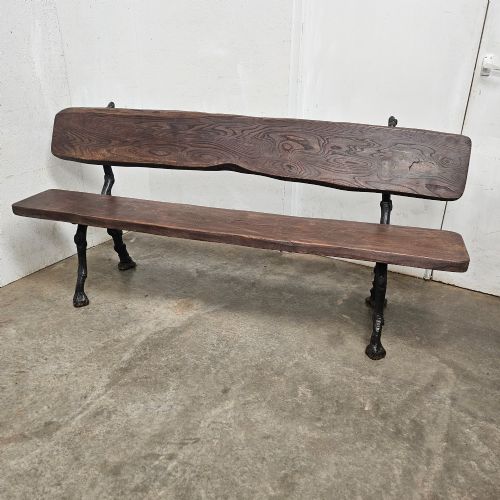
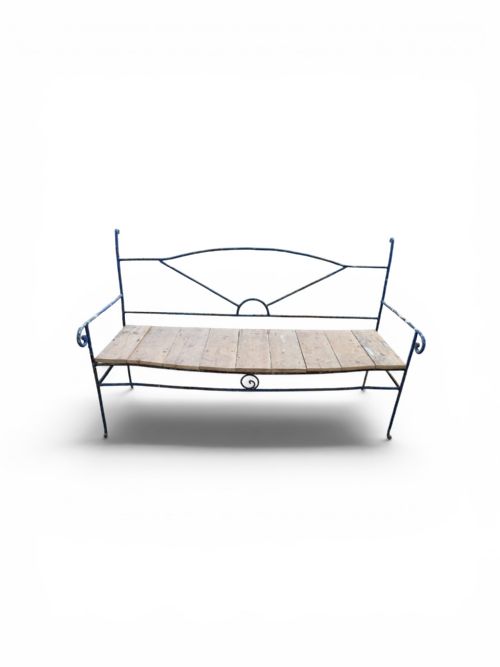


Outdoor Timber Seat
An outdoor timber seat brings honest craft and enduring function to any garden, uniting natural wood with sturdy iron frames.
Outdoor Timber Seat
An outdoor timber seat is a staple of traditional grounds, railway stations, and garden spaces, designed for lasting service in the open air. When searching for an outdoor timber seat, you encounter forms ranging from rustic Victorian patterns to robust Edwardian designs and utilitarian station benches.
The versions most frequently met on this page combine timber slats with metal supports or present entirely wooden constructions like oak orangery seats and elm faux bois framing. These benches reflect English country garden traditions and French country styles, serving both practical seating and decorative landscape roles.
The selection encompasses periods from the nineteenth century through the early twentieth century, capturing eras when municipal and domestic gardens relied on heavy cast iron and dense hardwoods. Each piece offers a distinct slice of social history, whether salvaged from a local railway platform or built for a private conservatory.
How they were made
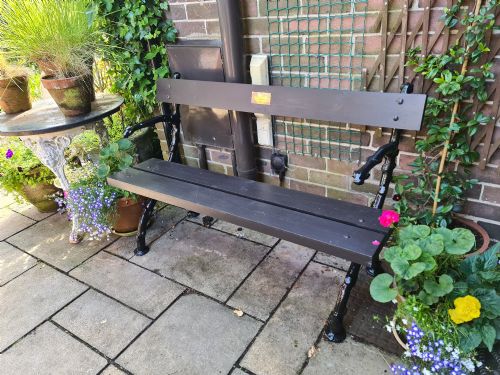
Construction relies heavily on durable timbers such as teak, oak, elm, and general painted wood, paired with cast iron or wrought iron frameworks. Teak and oak provide natural resistance to moisture, while cast iron elements deliver the substantial weight and structural rigidity required for freestanding garden furniture.
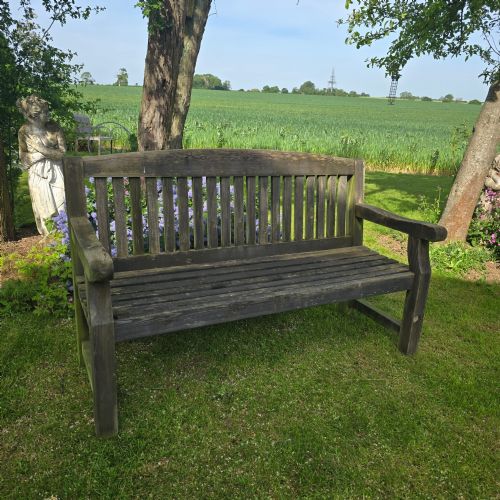
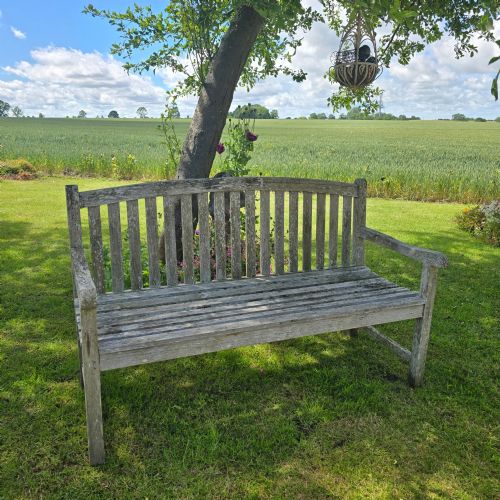
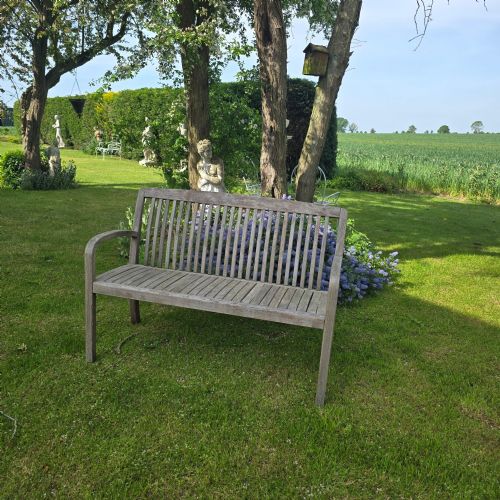
Joinery methods range from heavy bolted iron ends securing wooden slats to intricate rustic branch work and faux bois concrete or metal imitations. Makers utilised seasoned woods capable of enduring seasonal temperature shifts, often leaving the timber to weather naturally to a silvered finish over decades of exposure.
Outdoor Timber Seat Retail Price Guide 2026
Typical asking prices for outdoor timber seat among the pieces listed under this phrase on Sellingantiques today, from the lower quarter to the upper quarter. They describe what is for sale here now, not the wider market.
Some benches carry the ghosts of railway commutes, retaining station names like Pendleton and Bridgnorth stamped directly into the old timber slats.
What varies in quality
Quality in an outdoor timber seat rests upon the integrity of the materials and the survival of the original framework. Dense hardwoods and substantial cast iron ends indicate superior manufacture compared to lighter, purely decorative alternatives.
The degree of weathering also plays a role, as naturally silvered teak commands attention for its uniform patina and deep grain preservation. Maker marks, foundry names, and specific regional origins like railway station stamps elevate the historical interest of individual examples.
Falkirk foundry·PENDLETON·BRIDGNORTH
The Outdoor Timber Seat Glossary
- Cast Iron
- A strong, heavy iron alloy poured into moulds to create rigid bench ends and decorative scrollwork. This material provides the necessary ballast to keep garden seating stable on uneven ground.
- Faux Bois
- A French term meaning false wood, describing items sculpted to imitate the natural texture and knotting of timber. In garden seats, this technique appears in concrete or ironwork designed to blend into rustic landscapes.
- Teak
- A dense, tropical hardwood prized for its high natural oil content and resistance to rot. It weathers to a distinctive silver-grey tone when left exposed to the elements.
- Orangery Bench
- A long seating form originally intended for enclosed glass structures used to house tender plants. These benches often feature lighter framing or more refined carpentry than standard park seating.
- Weathered
- The natural surface transformation timber and metal undergo after years of sun and rain. This process yields a dry, silvered grain cherished by gardeners and collectors alike.
Outdoor Timber Seat: Frequently Asked Questions
How do I care for an outdoor timber seat?
Allow teak and durable hardwoods to weather naturally outdoors without applying heavy varnishes that trap moisture. Clean the surface periodically with a stiff brush to remove moss and organic debris.
Store wooden benches under cover during harsh winter months if you wish to minimise structural movement. Inspect iron fixings regularly to ensure bolts remain secure against the timber.
Where were these benches originally used?
Many nineteenth and twentieth-century benches stood on railway platforms, in public parks, or within large country house gardens. Railway station benches often bear specific location names stamped into the wood or iron.
Other forms, such as orangery seats, served inside glazed estate structures before migrating to open lawns and patio spaces over time.
How do I identify the period of a garden bench?
Examine the weight and moulding of the cast iron ends, as Victorian and Edwardian foundries employed distinct botanical motifs like leaves and branches. Early pieces often feature heavier ironwork and hand-cut joinery in the wooden slats.
Look for stamped foundry names or station identifiers that tie the piece to a specific manufacturing era or municipal contract.
Can I leave a wooden garden bench outside all year?
Dense timbers like teak and oak withstand year-round outdoor placement due to their natural oils and robust density. Painted or softer woods benefit from sheltered spots during prolonged wet weather to prevent rot.
Elevate the bench feet slightly off damp ground using small stones to stop moisture from rising into the base of the legs.