





Vintage French Wood Bench
A vintage french wood bench brings provincial warmth and refined seating to an interior through honest timber and regional character.
Vintage French Wood Bench
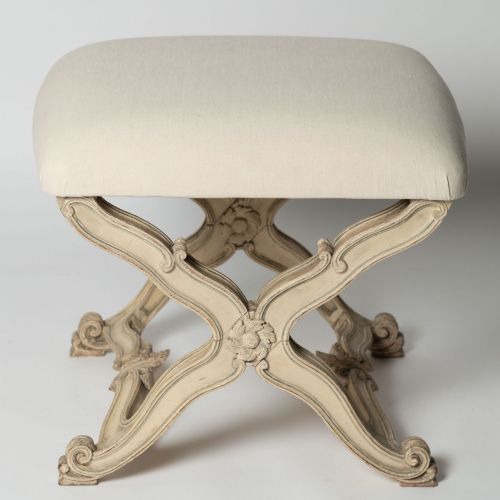
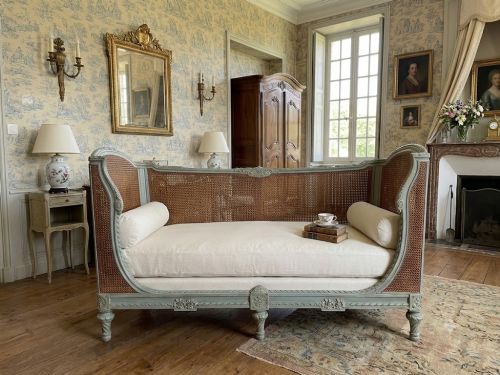
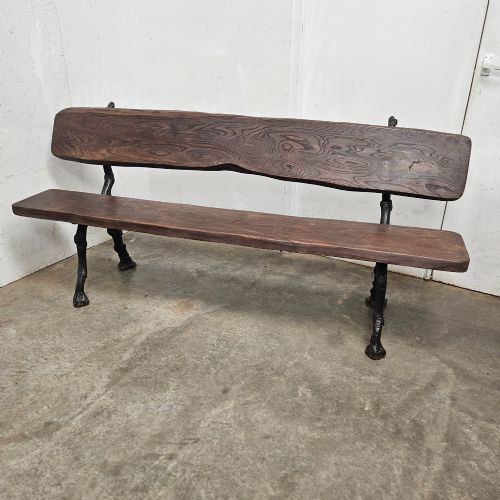
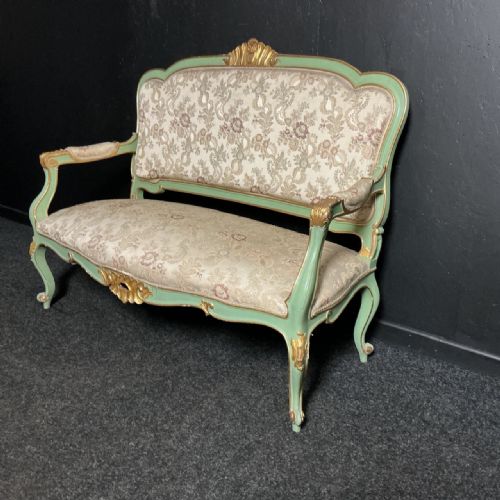
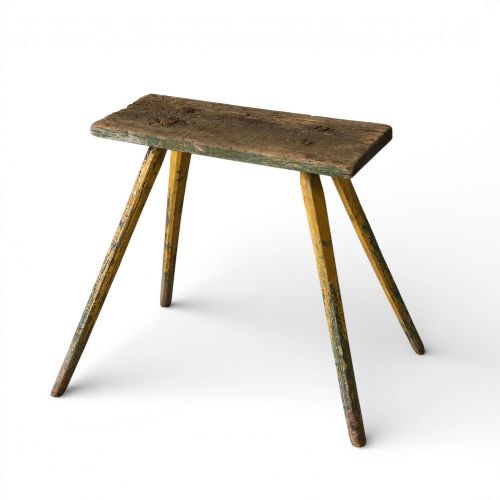
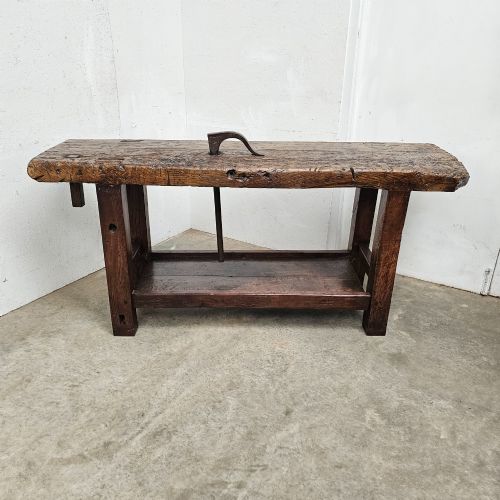
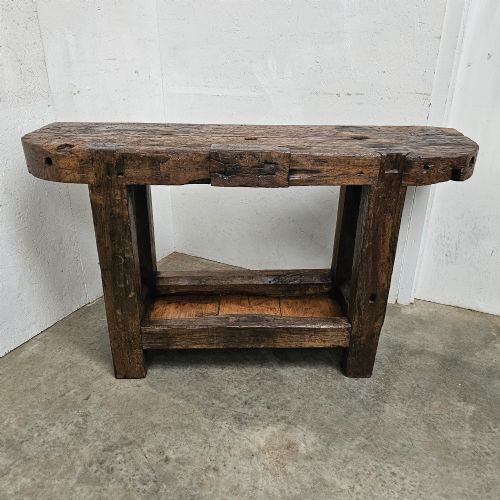
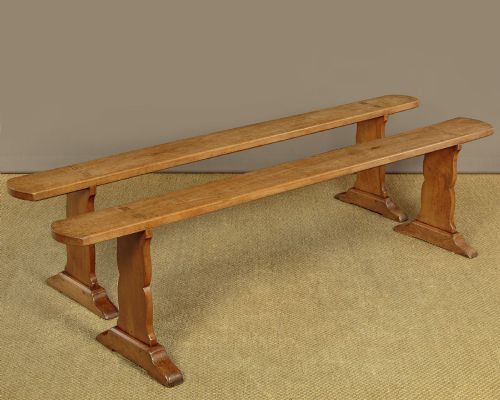
When you search for a vintage french wood bench, you encounter a varied selection of seating and utility forms rooted in provincial life and formal design. The listings on this page span sturdy oak and elm workbenches, rustic milking stools, and refined settees reflecting regional French traditions.
Makers produced these pieces across the nineteenth and twentieth centuries, employing styles that range from simple farmhouse constructions to elaborate Louis XV and Louis XVI revivals. Buyers find everything from low seating stools to long refectory benches suited for modern dining rooms and hallways.
Materials and construction
Workshops relied heavily on native hardwoods such as oak, elm, cherry, and fruitwood to build frames that endured demanding daily use. Artisans often combined these solid timbers with secondary woods, securing joints with traditional pegged mortise and tenon construction.
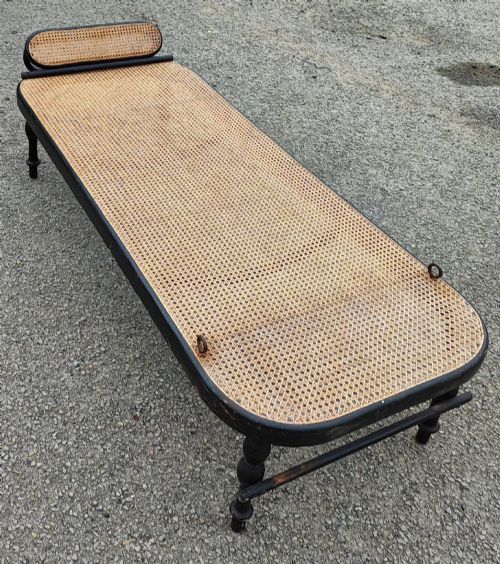
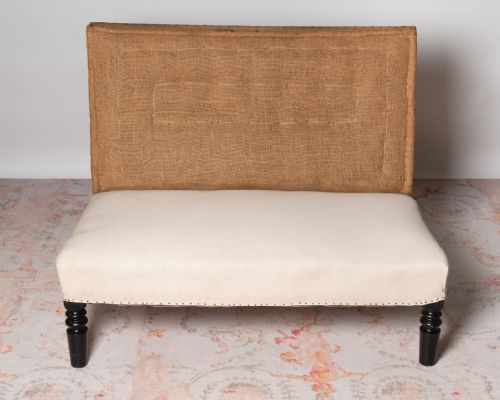
Surface treatments varied widely from exposed timber grains to applied paint, verdigris copper tops, and iron hardware. Many seating variants incorporate woven cane panels or traditional upholstery with fabric, leather, and velvet trim over supportive frames.
The listings on this site span the nineteenth and twentieth centuries, incorporating materials like painted wood, cane, iron, and leather across diverse seating forms.
Assessing quality
Quality rests in the integrity of the timber frame and the honesty of the surface finish. Pieces retaining original paint layers or untouched patinated wood hold greater distinction than heavily restored alternatives.
Execution of carved details and hand-turned elements defines the upper tier of formal settees and daybeds. Structural rigidity in heavy workbenches and dining benches indicates superior joinery from regional craftspeople.
The Vintage French Wood Bench Glossary
- Banquette
- An upholstered bench or long seat, often featuring a backrest and arms, designed for domestic dining or reception spaces.
- Canapé
- A French term for an upholstered sofa or settee, frequently built in regional revival styles with exposed carved wooden frames.
- Faux bois
- A technique where artisans paint or carve wood and iron to imitate natural tree branches and bark.
- Refectory
- A long dining bench or table traditionally used in communal dining halls and large country houses.
- Workbench
- A heavy utilitarian table fitted with vices, clamping bars, or drawers used by artisans, watchmakers, and craftspeople.
Vintage French Wood Bench: Frequently Asked Questions
Where should I place a French bench?
These benches suit narrow hallways, boot rooms, and the foot of a bedroom bed where substantial seating is needed without heavy visual bulk.
Shorter stools and banquettes work well pulled up to dining tables or positioned as window seats in living areas.
How do I care for antique wood?
Keep wooden surfaces away from direct heat sources and strong sunlight to prevent the timber from drying out and splitting over time.
Apply a traditional beeswax polish sparingly to maintain the natural lustre of older elm, oak, and fruitwood surfaces.
What is a faux bois garden bench?
A faux bois bench mimics the organic shapes of tree branches and timber using materials like painted iron and sculpted concrete or wood.
These pieces were popular for nineteenth-century garden schemes and conservatories, bringing natural motifs into sheltered outdoor settings.
How do I identify Louis styles?
Louis XV style pieces typically display curved cabriole legs, asymmetrical floral carvings, and flowing serpentine lines throughout the framework.
Louis XVI furniture shifts towards straight fluted legs, neoclassical symmetry, and geometric rectangular profiles inspired by ancient architectural forms.