

Vintage French Panelling
Vintage french panelling comprises carved wooden architectural salvage, painted decorative screens, and fabric panels originating from châteaux and provincial homes.
Vintage French Panelling
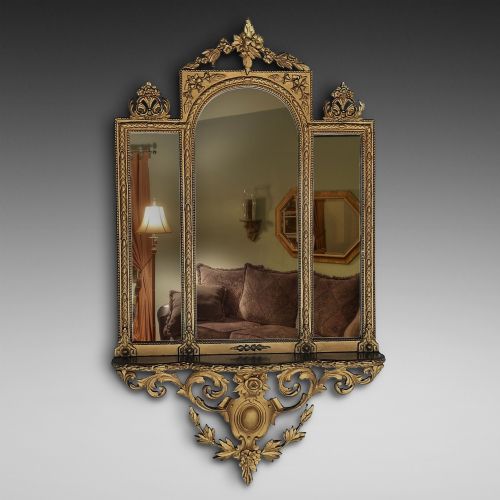
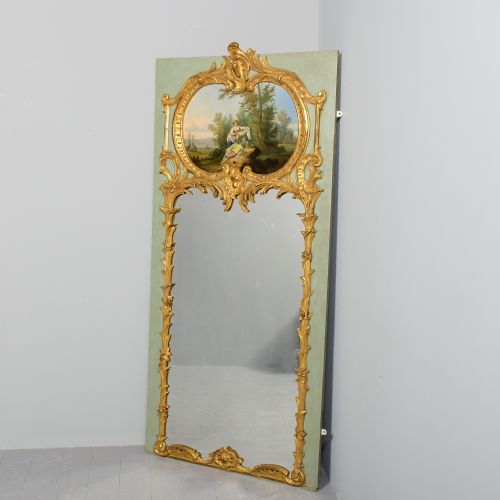
Vintage french panelling encompasses carved wooden architectural elements, painted decorative panels, and textile wall hangings originating from continental interiors. Buyers seeking vintage french panelling encounter carved wooden sections, painted trumeau mirror surrounds, folding room dividers, and tapestries.
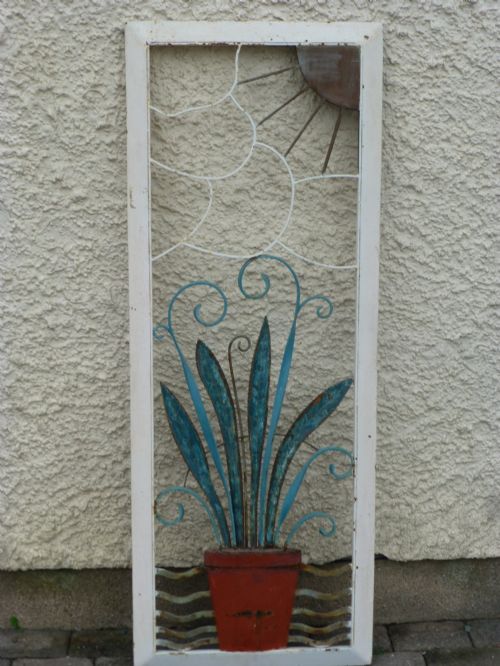
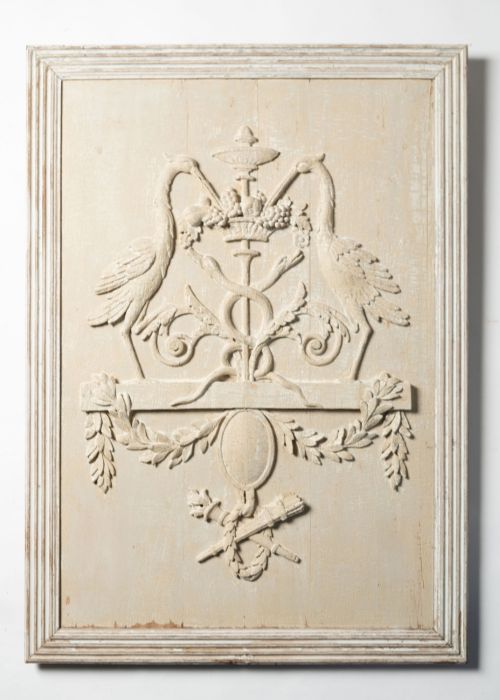
The selections span centuries, incorporating eighteenth-century carved woodwork alongside nineteenth-century architectural salvage and early twentieth-century decorative panels. Forms range from overdoor carvings and wall reliefs to wrought iron scroll panels and painted canvas screens.
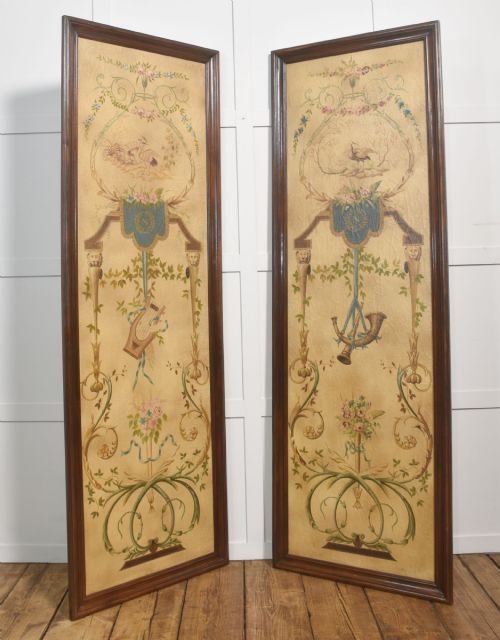
Originating from French provincial homes and chateaux, these items bring historic architectural character to contemporary spaces. Pieces often integrate painted finishes, carved floral motifs, or pastoral scenes directly onto wood, canvas, or leather surfaces.
How they were made
Woodworking forms the foundation of these pieces, utilising solid timbers such as oak, walnut, and mahogany shaped through hand-carving and joinery. Artisans applied carved relief work, moulding, and inlay to structural wooden panels and overdoors.
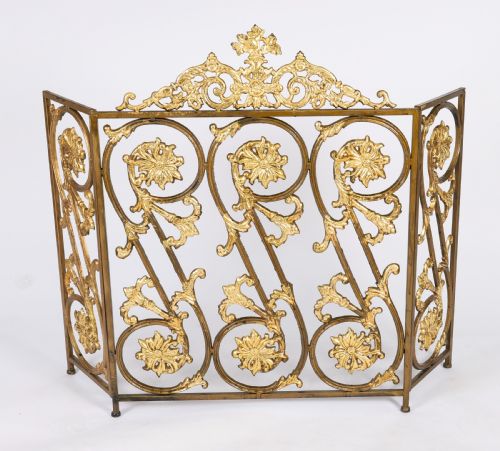
Surface decoration frequently involves traditional paint finishes, including polychrome schemes, grisaille work, and gilt framing on wood and canvas. Wrought iron and bronze techniques appear in architectural grilles and scrollwork, combining metalwork with timber structures.
Listings feature wood, iron, canvas, and leather across centuries ranging from the seventeenth to the twentieth.
What varies in quality
Depth and precision of hand-carving distinguish superior architectural elements from simpler production, evident in the crispness of floral reliefs and figural details. The finesse of the painted surface, whether a delicate trumeau depiction or a detailed pastoral scene on leather, dictates the refinement of the piece.
Integrity of original materials and historical surfaces separates well-preserved examples from heavily restored counterparts. The quality of underlying timber, such as dense walnut or figured mahogany, alongside authentic patination on metal and paint, defines the standard.
Raymond Subes·Paul Ehrenberg·Paul Elie Gernez·Edouard Julien
The Vintage French Panelling Glossary
- Trumeau
- A decorative wall panel, often incorporating a mirror or painting above, set into the architecture of a room. These painted elements frequently feature classical motifs and pastoral scenes.
- Verdure
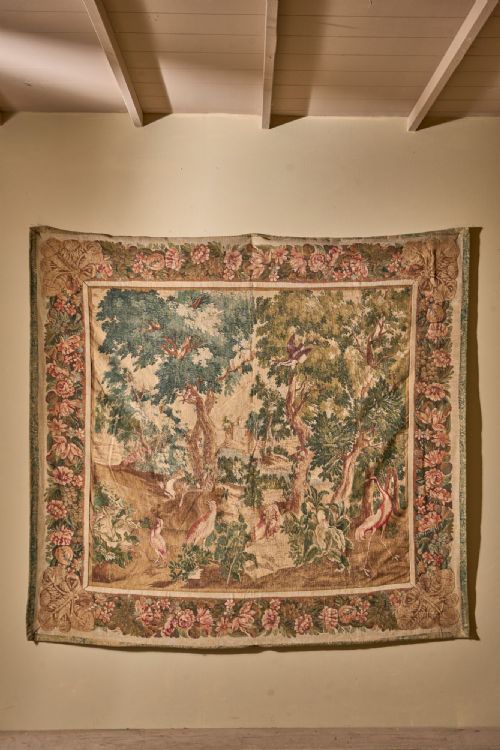
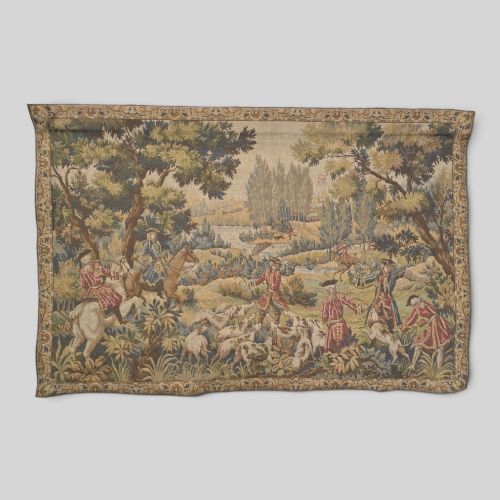
- A type of tapestry featuring a stylized landscape or foliage background, often depicting trees, plants, and sometimes animals or distant buildings. These textile panels typically date from the seventeenth and eighteenth centuries.
- Grisaille
- A method of painting executed entirely in shades of grey or neutral monochromatic tones, designed to imitate sculpture in relief. This technique appears on grand decorative panels and canvas wall hangings.
- Architectural salvage
- Building components rescued from demolition or renovation, including iron balustrades, carved wooden panels, and structural screens. These items retain their original weathering and historic finishes.
- Toile
- A fabric featuring a repeating printed pastoral design, usually depicting complex historical scenes or figures in a single colour on a light background. This textile material occurs mounted as wall panels.
Vintage French Panelling: Frequently Asked Questions
How do I hang a heavy wooden panel?
Heavy carved wooden panels require secure mounting into wall studs or masonry using appropriate battens and brackets to support their substantial weight.
Professional installation ensures the structural integrity of both the wall and the antique timber without causing damage to the carving.
Where were these painted screens used?
Folding screens and leather room dividers historically served to divide large salon spaces, block drafts, or create private dressing areas within french interiors.
Today, they function primarily as decorative wall art or functional partitions in residential spaces.
How do I clean painted wooden panels?
Painted wooden surfaces require gentle dusting with a dry, soft cloth to remove surface particles without disturbing delicate historic pigments.
Water and chemical cleaning agents should be avoided to prevent moisture damage to aged paint and bare wood.
What is an overdoor carving?
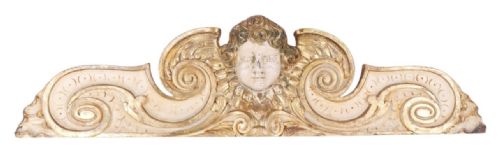
An overdoor, or trumeau element, is a decorative architectural carving positioned immediately above a doorway in formal European rooms.
These pieces typically feature figural motifs, cherubs, or floral reliefs framed within carved woodwork.