



Vintage French Outdoor Table
A vintage french outdoor table brings enduring character to a terrace or garden, pairing robust metalwork with classic stone or timber surfaces.
Vintage French Outdoor Table
A vintage french outdoor table encompasses practical garden furniture designed for terraces, patios and courtyards, drawing upon styles such as French bistro, provincial and industrial traditions. These pieces reflect historical periods spanning the nineteenth century through the early decades of the twentieth century.
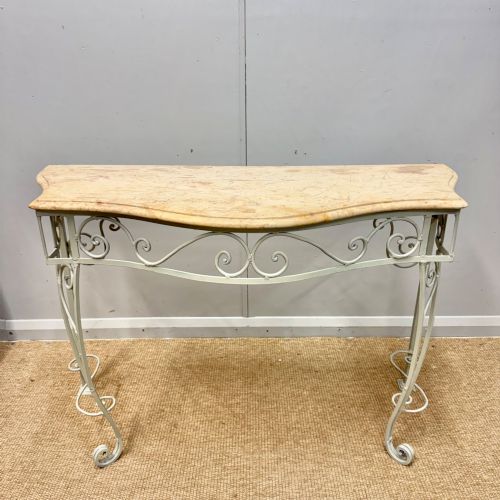
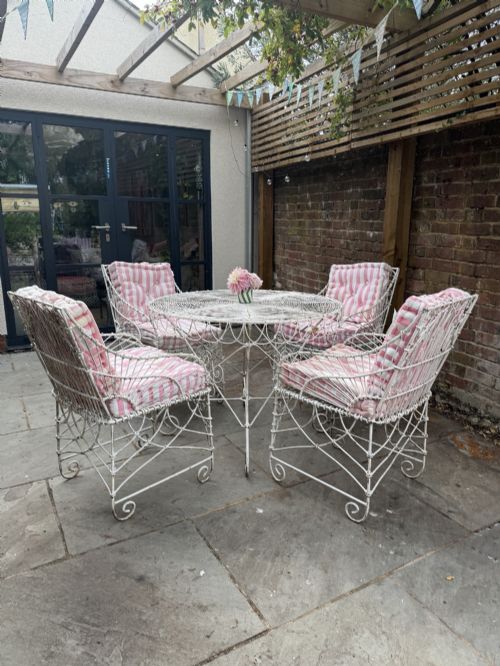
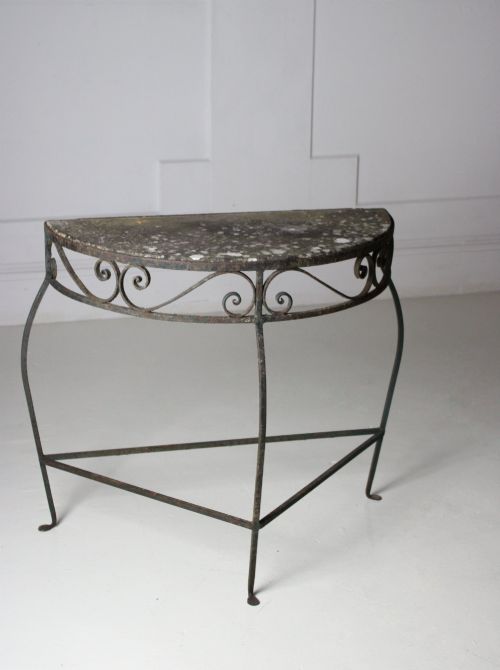
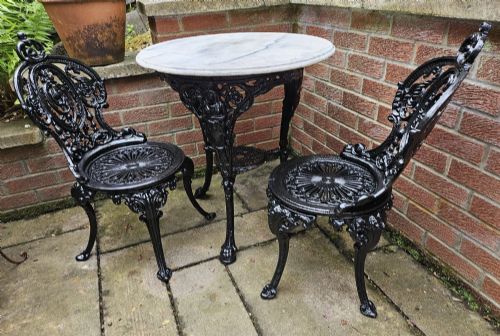
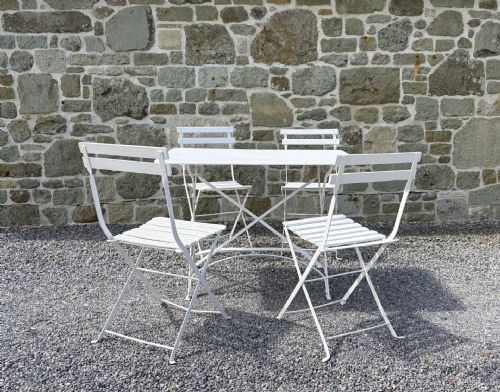
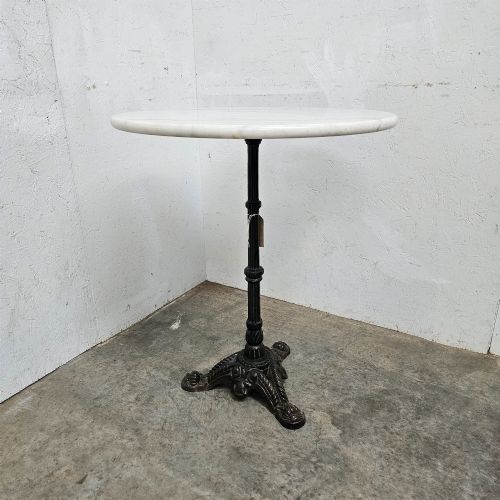
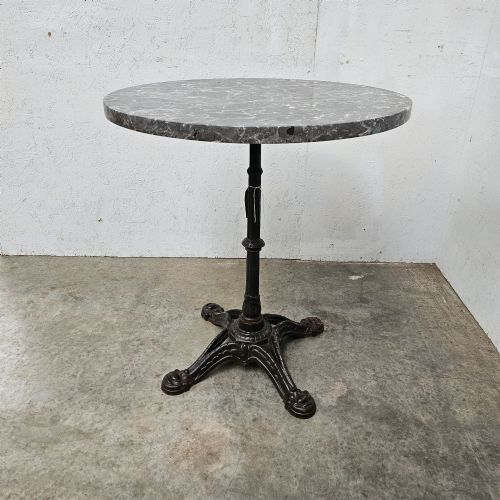
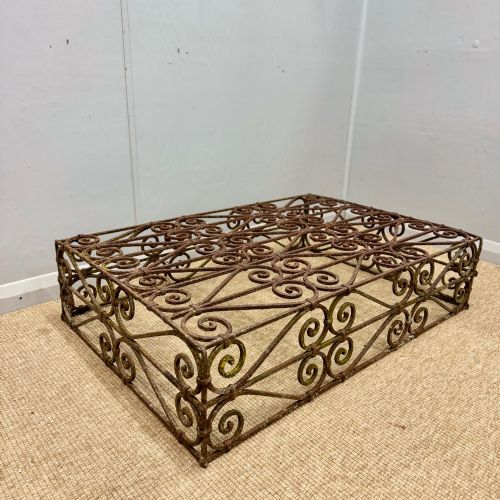
The selection here centres on bistro tables, garden dining sets, console tables and low tables. Buyers frequently encounter pieces combining metal frames with contrasting surfaces like marble, wood, zinc or steel.
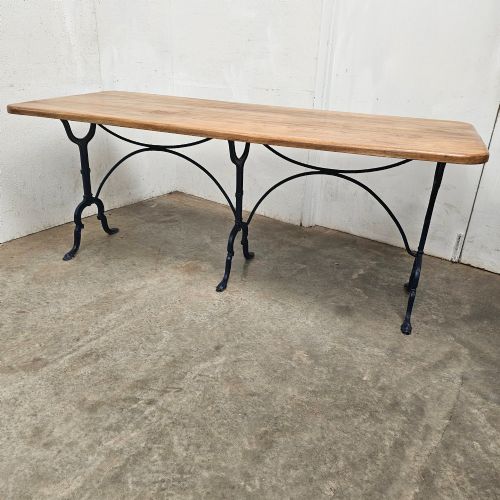
Origins heavily lean towards French country and chateau aesthetics, alongside related Victorian and Edwardian examples. Forms range from compact folding tables for small spaces to long dining tables suitable for larger gatherings.
Materials and Construction
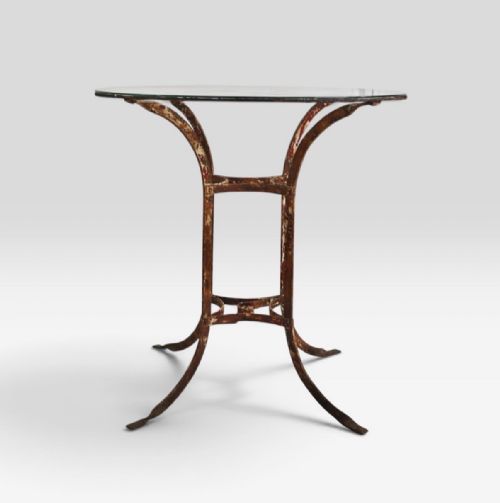
Makers utilised resilient metals for structural frames, relying primarily on cast iron, wrought iron, steel and wirework. These materials provided the necessary weight and durability for exterior use across changing seasons.
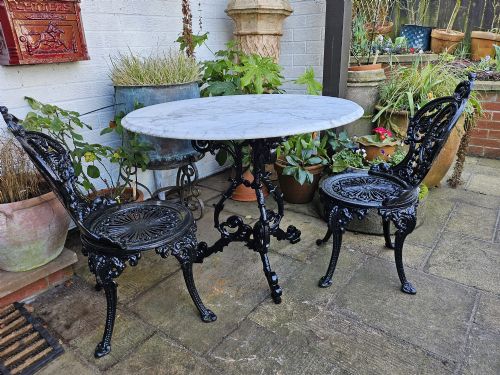
Table surfaces incorporated contrasting elements such as heavy marble slabs, seasoned elm or other wood boards, and zinc sheeting. Paint finishes were applied to protect the metal components while patinating gracefully over time.
Listings feature items spanning the nineteenth century through the 1930s, utilising wrought iron, cast iron, marble and wood.
Assessing Quality and Character
Quality in these tables rests upon the integrity of the metalwork and the selection of top materials. Finely cast or hand-wrought iron details, substantial marble tops and well-joined timber indicate superior manufacture.
The balance between original patination and structural soundness dictates desirability. Pieces retaining honest weathering without compromising stability demonstrate the enduring standard of their period.
The Vintage French Outdoor Table Glossary
- Wrought iron
- Iron beaten or bent into shape by hand while hot, creating fibrous and flexible structural elements. This material allows for intricate scrollwork and slender profiles.
- Cast iron
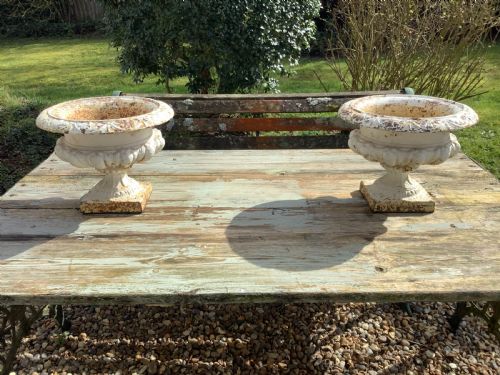
- Molten iron poured into a mould to create rigid and decorative forms. It provides substantial weight and ornate detailing for table bases and urns.
- Bistro table
- A small café or garden table designed for dining in confined spaces. These often feature a single central pillar or four legs with circular or square tops.
- Marble top
- A natural stone surface fitted to iron bases, offering a cool and smooth area for food preparation or dining. It requires care to avoid staining from acidic substances.
- Wirework
- Metal strands interlaced to form open geometric patterns for garden furniture. This technique creates lightweight yet sturdy surfaces typical of Victorian and Edwardian design.
Vintage French Outdoor Table: Frequently Asked Questions
Can I leave these tables outside all year?
Most metal and stone compositions withstand outdoor conditions, though seasonal protection prolongs their lifespan. Storing wooden surfaces or vulnerable finishes during harsh winter months prevents unnecessary degradation.
Regular maintenance helps preserve the existing paint and metal patination against moisture damage. Placing tables on dry paving rather than directly on damp soil also reduces corrosion.
How do I clean a marble top?
Gentle soap and warm water suit most vintage stone surfaces without harming the material. Avoid abrasive scouring pads and harsh chemical cleaners that etch the polished finish.
Promptly wiping away spills prevents staining on porous marble slabs. Applying a suitable stone sealer periodically protects the surface from outdoor elements.
Are folding tables original?
Many early twentieth-century examples incorporate clever folding mechanisms designed for easy storage in cafes and domestic gardens. These mechanisms utilise authentic iron hinges and locking braces appropriate to their period.
Examining the pivot points and rivets helps confirm period manufacturing techniques. Original folding tables offer practical versatility alongside historical authenticity.
How do I date a cast iron base?
Nineteenth and early twentieth-century casting methods leave distinct seam lines and surface textures distinct from modern reproductions. Examining the weight, bolt fixings and overall design vocabulary provides reliable clues.
Stylistic indicators such as Victorian scrollwork or Art Deco geometric lines further narrow the timeframe. Comparing the casting quality to documented period examples confirms the era.