




19th Century Iron Bistro Table
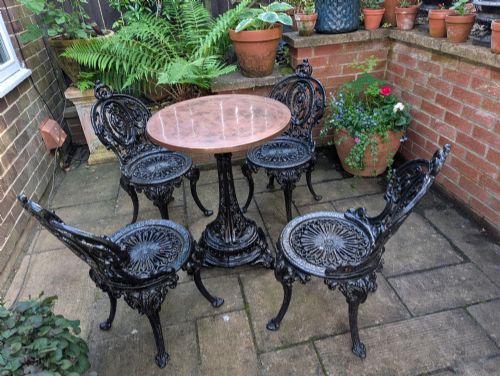
These pieces are a 19th century iron bistro table, sturdy cafe and garden furniture built to handle daily use with practical charm.
19th Century Iron Bistro Table
A 19th century iron bistro table brings functional French and Victorian character to a terrace, conservatory, or garden setting. Buyers seeking this phrase encounter sturdy round or console surfaces designed for hospitality and domestic use.
The selection ranges from French bistro and garden forms to Victorian conservatory and side tables. Many examples pair heavy metal bases with stone, marble, or wood tops.
Origins span French, Swedish, and British workshops from the Victorian era up to the early twentieth century. Pieces often integrate matching chairs or wirework frames for complete outdoor arrangements.
How they were made
Foundry workers shaped heavy metal using cast iron and wrought iron techniques to build durable pedestals and legs. Moulded decorative patterns and tripod bases provide both stability and visual detail.
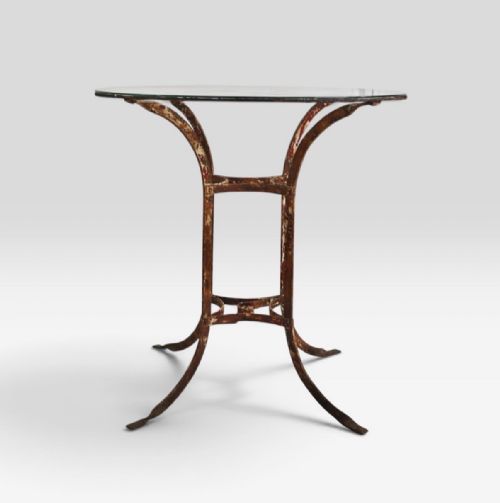
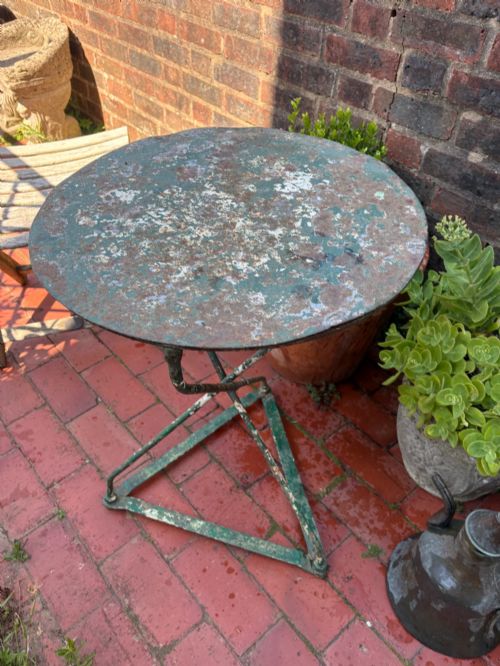
Table surfaces combine heavy materials like marble, stone, wood, and glass fitted directly into metal rims. Painted finishes in green or other tones protect the metal underneath while adding colour.
Materials across this selection include cast iron, wrought iron, marble, brass, wood, copper, glass, and painted surfaces.
What varies in quality
Quality rests in the crispness of the iron casting and the integrity of the fitted top. Finer examples feature substantial marble slabs or carefully detailed scrollwork rather than plain replacement boards.
The heaviness of the metalwork and the balance of the pedestal determine daily usability. Superior execution shows smooth joins and well-preserved original paint surfaces.
The 19th Century Iron Bistro Table Glossary
- Cast iron
- Iron poured into a mould to create rigid, decorative frames and heavy bases. It provides the solid weight needed for outdoor stability.
- Wrought iron
- Iron beaten and shaped by hand into structural and decorative forms. This material offers tough flexibility compared to brittle cast varieties.
- Gueridon
- A small round table supported by a single central pillar or column. These compact pieces suit tight spaces in cafes and conservatories.
- Arras
- A specific style of French wirework and metal garden furniture originating from northern France. Collectors prize these distinctive slatted metal designs.
- Console table
- A table designed to stand against a wall, often featuring a half-round or rectangular top. They frequently served narrow hallways and garden verandas.
19th Century Iron Bistro Table: Frequently Asked Questions
Were these tables meant for outdoor use?
Most of these tables were built for commercial cafes, terraces, and garden spaces using robust iron and stone. Their heavy construction allowed them to withstand outdoor weather without tipping easily.
Over decades, many have moved indoors into conservatories and kitchens. Protecting them from continuous damp helps preserve the original metal and paint finish.
How do I identify a French bistro table?
French examples often feature distinctive pedestal bases, marble tops, and patinated green paint. They typically reflect regional cafe culture from the nineteenth century.
Makers across France produced these for pavement dining and domestic gardens. Their proportions remain compact to fit crowded pavement spaces.
What is a gueridon table?
A gueridon is a small round table standing on a single central column. This design maximises legroom around the perimeter.
In nineteenth-century interiors and cafes, they served as convenient side or coffee tables. Their compact footprint makes them versatile for modern rooms.
Are marble tops original to these tables?
Many nineteenth-century tables paired iron bases with fitted marble or stone slabs to provide a durable, wipe-clean surface. These heavy tops kept the table steady on uneven ground.
Replacement tops do occur due to accidental breakage over the decades. Inspecting the fit against the metal rim helps determine if the stone is period-correct.