



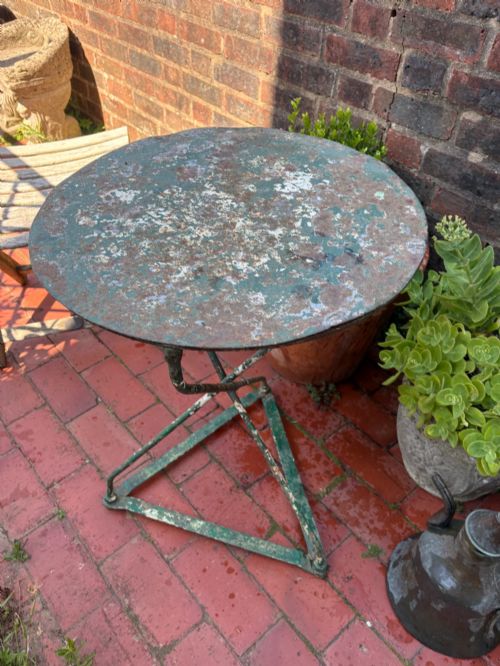


French Metal Garden Table
A french metal garden table brings enduring utility and continental charm to patios, courtyards, and conservatories alike.
French Metal Garden Table
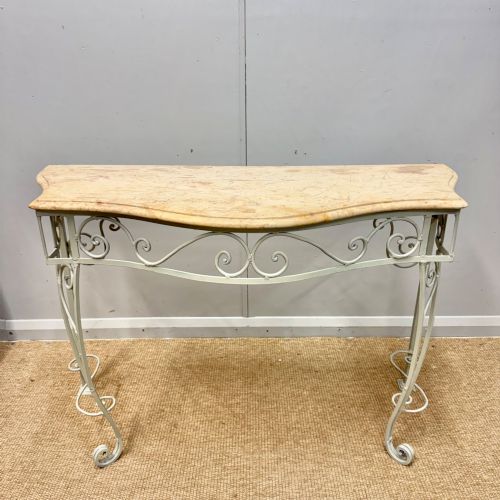
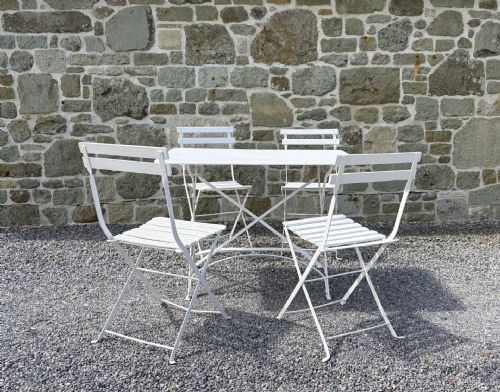
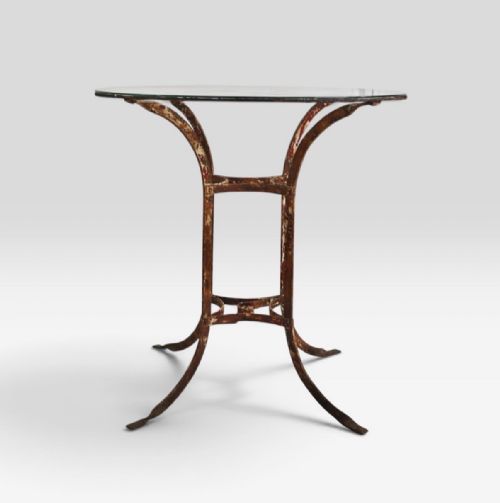
A french metal garden table spans robust bistro designs, folding café tables, and substantial marble-topped console pieces intended for outdoor and conservatory use. These objects originate from various periods including the nineteenth century, the Edwardian era, and the nineteen-twenties.
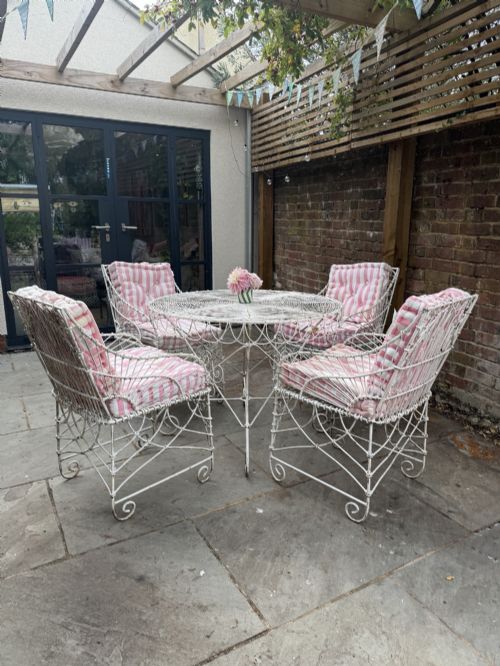
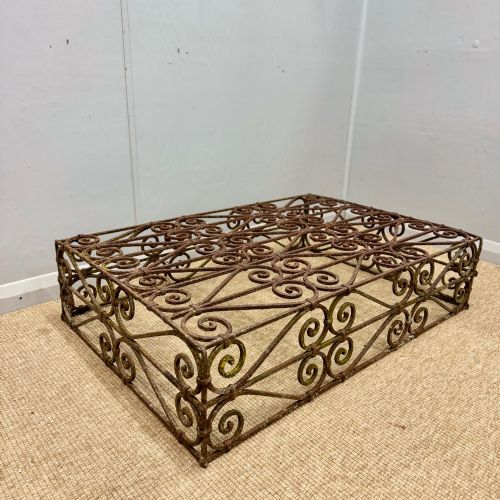
Buyers frequently encounter round dining sets complete with matching chairs, low coffee tables, and rectangular potting or orangery tables. Stylistic influences range from French provincial and country aesthetics to Victorian wirework and industrial folding metalwork.
Materials and Construction
Constructed primarily from durable metals such as wrought iron, cast iron, steel, and zinc, these tables frequently incorporate contrasting surfaces like smooth marble, timber, or verdigris copper tops. Metal frames utilise riveted joints, scrolled supports, and pierced sheet metal.
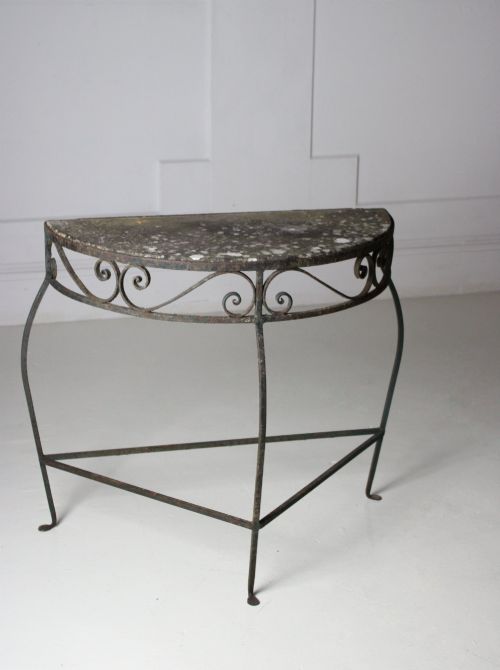
Protective layers of historic paint and natural patination develop on the iron and zinc surfaces through decades of exposure to the elements. Folding mechanisms rely on sturdy iron hinges designed for practical storage and daily commercial or domestic employment.
Listings incorporate materials ranging from wrought iron and cast iron to zinc, wirework, marble, and wood across the nineteenth and early twentieth centuries.
Craftsmanship and Proportion
Distinction across the range lies in the fineness of the metalwork, from simple strapwork frames to intricately cast iron pedestals and detailed pierced tabletops. The integration of heavy materials like fitted marble slabs alters the stability and presence of individual pieces.
The integrity of original painted finishes and the survival of makers' folding actions without structural compromise separate standard utility items from more decorative examples.
The French Metal Garden Table Glossary
- Wrought iron
- A tough, malleable iron form heated and hammered into decorative scrolls and structural supports. It provides the slender yet resilient framework seen on many early tables.
- Cast iron
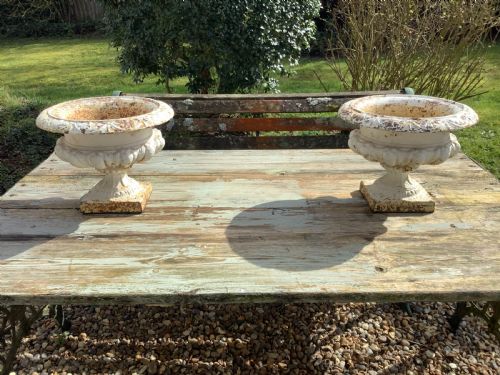
- Molten iron poured into a mould to create ornate bases, table urns, and rigid decorative panels. This technique allows for complex relief patterns and heavy stability.
- Zinc top
- A sheet metal surface applied to wooden frames for weather resistance, developing a distinct grey oxidation over time. It offers a smooth, waterproof utility surface.
- Verdigris
- A green patina formed naturally on copper and brass through atmospheric exposure. This chemical alteration signifies considerable age and historical weathering.
- Gueridon
- A small round table supported by a central pillar or column. Originating in seventeenth-century France, these pieces function well as compact garden or conservatory accents.
- Strapp work
- A decorative pattern of intersecting metal bands or straps forming geometric or openwork designs. This technique gives lightness and strength to table aprons and bases.
French Metal Garden Table: Frequently Asked Questions
Can these tables stay outside year round?
Most metal garden tables endure outdoor placement well due to their durable iron and zinc construction. However, extreme winter dampness accelerates corrosion on unprotected steel and iron.
Storing wooden elements or marble tops indoors during freezing months preserves the structural integrity of mixed-material pieces.
How do I clean a metal and marble table?
Wash painted metal surfaces gently with mild soap and water to protect historic layers of pigment. Avoid abrasive pads that strip original patination and verdigris.
Treat marble tops with neutral stone cleaners to prevent staining from moisture and organic debris.
Are folding tables sturdy?
Period folding tables rely on engineered iron hinges and locking braces designed for daily commercial use in cafes. When fully engaged, these mechanisms provide stable support for dining and daily service.
Regular inspection of the pivot points ensures smooth operation without loosening the surrounding metalwork.
What is the difference between bistro and console tables?
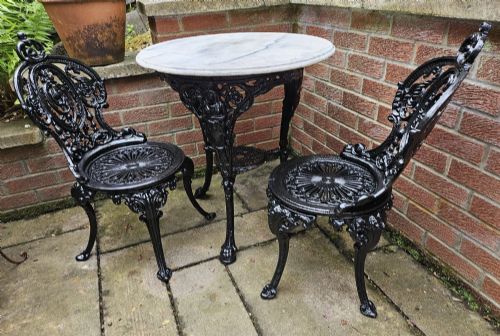
Bistro tables feature compact round tops designed to accommodate chairs for intimate dining or café seating. They prioritise space-saving utility and often include folding frames.
Console tables are elongated, rectangular pieces meant to stand against conservatory walls or garden facades, frequently carrying heavy marble or zinc surfaces.