




Vintage French Glass Plate
These vintage french glass plate pieces bring tactile weight and translucent depth to a table, pairing moulded relief with subtle lightplay.
Vintage French Glass Plate
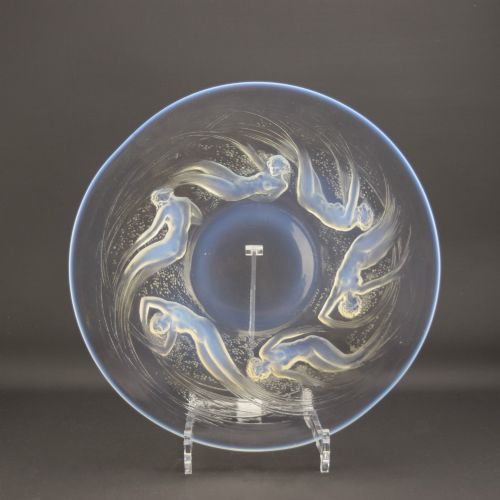
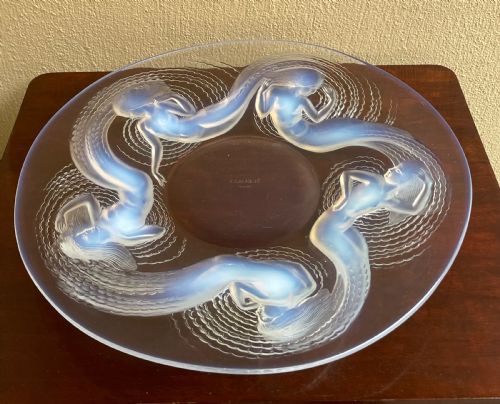
When you search for a vintage french glass plate, you are looking at decorative tableware and chargers created primarily during the early twentieth century. The selection leans heavily toward moulded art glass items from the interwar decades, alongside similar French decorative vessels and chargers.
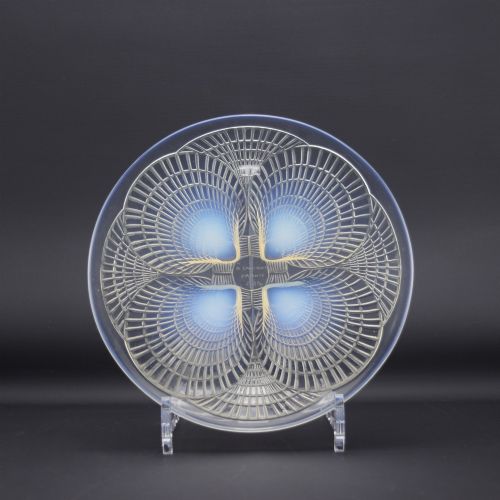
These pieces appear in various forms, from shallow dishes and chargers featuring marine or floral motifs to deep coupe bowls. The predominant style is rooted in the Art Deco movement, carrying the distinctive forms and decorative treatments of that period.
How They Were Made
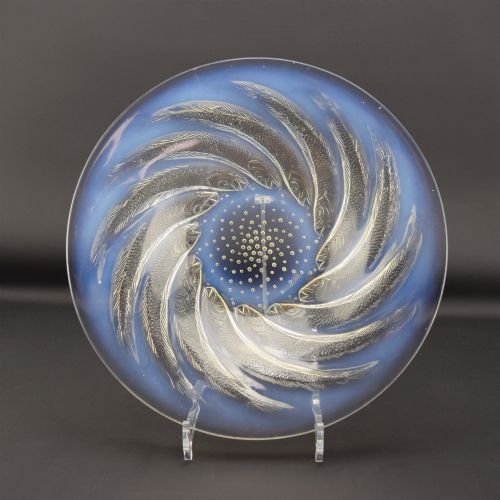
Makers utilised pressed and moulded techniques to shape thick glass, allowing for high-relief decoration across the surface. Opalescent glass dominates the material record, shifting in tone between milky white and blue depending on the fall of light.
Selected designs incorporate sepia staining or enamelling within the moulded recesses to accentuate the underlying motifs. This treatment highlights the intricate details of fish, flora, and geometric patterns embedded in the glass.
Vintage French Glass Plate Retail Price Guide 2026
Typical asking prices for vintage french glass plate among the pieces listed under this phrase on Sellingantiques today, from the lower quarter to the upper quarter. They describe what is for sale here now, not the wider market.
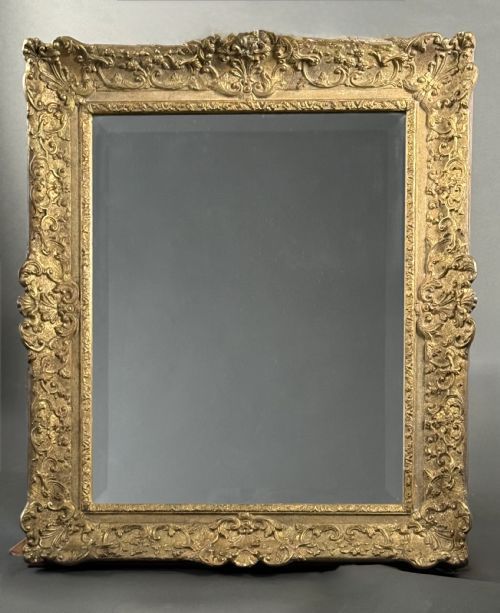
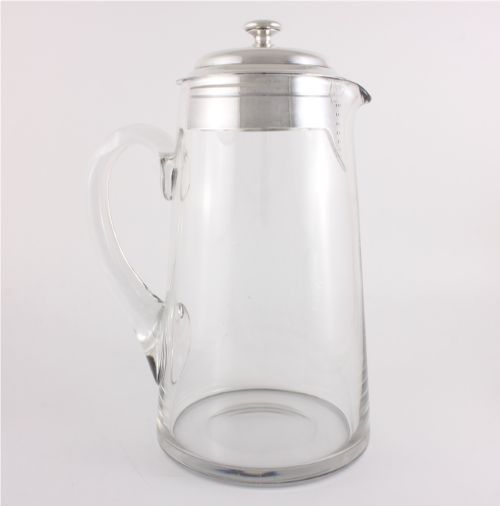
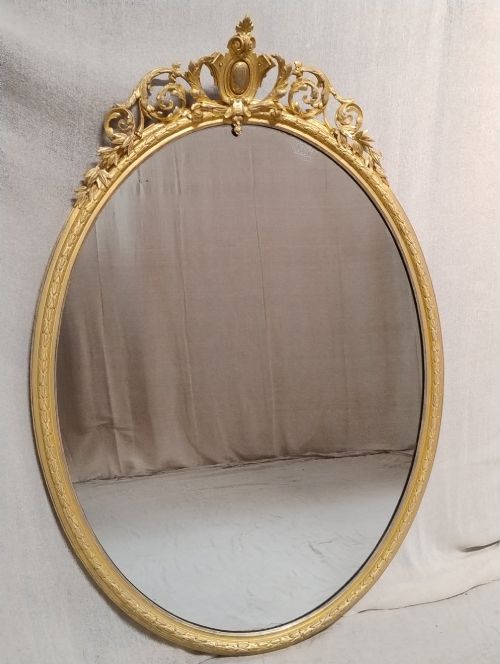
Listings feature opalescent glass from the 1920s and 1930s, alongside nineteenth-century wall mirrors and silver plate.
What Varies in Quality
The degree of clarity and the intensity of the opalescent effect distinguish standard production from exceptional examples. Stronger milk-blue transitions in the glass create greater visual depth across moulded reliefs.
Crispness of the moulded detail defines the upper tier of these items. Sharper execution in the pressed motifs ensures the design reads clearly against the translucent body of the glass.
Rene Lalique·Sabino·Verlys·Christofle·Hermes Paris
The Vintage French Glass Plate Glossary
- Opalescent glass
- Glass that diffuses light to display milky-blue or amber tones. This optical effect shifts depending on the angle of illumination.
- Coupe
- An open, shallow bowl or plate with a curved profile. This form provides a wide surface for displaying moulded decoration.
- Charger
- A large decorative plate used as a base setting or centrepiece. These items generally exceed the diameter of standard dining plates.
- Relief
- Raised ornamentation carved or moulded above the flat background. This technique adds tactile dimension to the glass surface.
Vintage French Glass Plate: Frequently Asked Questions
What are vintage french glass plates made of?
These items consist primarily of heavy moulded glass with distinctive opalescent properties. The material reacts to light by shifting between translucent and milky tones.
Selected examples incorporate surface staining to accentuate the moulded designs. The manufacturing process relies on pressing molten material into detailed metal moulds.
How do I identify Art Deco glass?
Art Deco pieces display stylised natural motifs, geometric symmetry, and bold relief work. The forms reflect the design priorities of the interwar period.
Look for stylised representations of fish, flora, and abstract patterns. The weight and thickness of the glass also point to this manufacturing era.
How were these plates used originally?
Plates and chargers served primarily as decorative table pieces or display items. Their substantial weight made them suitable for central table placement.
They functioned as visual centrepieces rather than everyday dining ware. The intricate moulded reliefs were meant to be admired under ambient room lighting.
How do I display opalescent glass?
Position these pieces where light can pass through the body to activate the opalescent effect. Open shelving near a light source reveals the subtle colour shifts.
Avoid direct, harsh sunlight for prolonged periods. Ambient or backlighting enhances the milky-blue tones embedded within the glass.