




Blue Glass Plate
These pieces of blue glass plate bring rich colour and tactile form to a table, combining pressed or opalescent glass with silver plate mounts.
Blue Glass Plate
When searching for a blue glass plate, a buyer encounters a range of decorative dishes, bowls, and chargers originating from the nineteenth and twentieth centuries. The selection encompasses Victorian opaline and Bristol blue examples alongside significant Art Deco opalescent pieces.
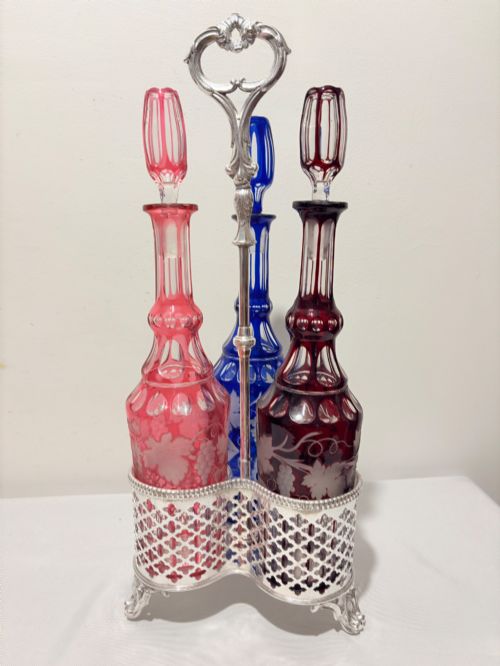
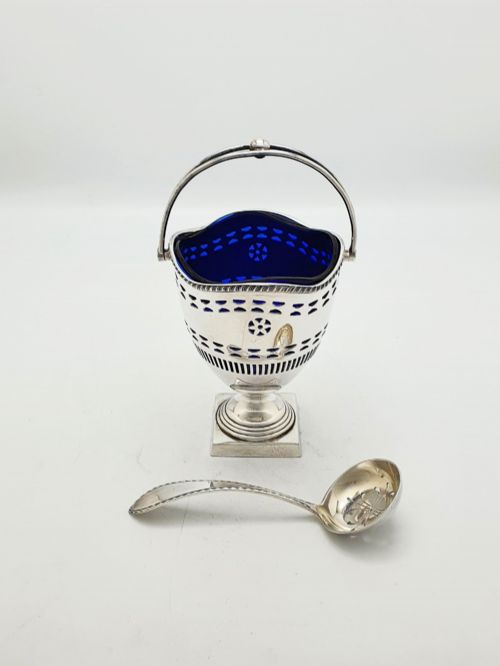
Many items pair the coloured glass directly with silver plate frames, baskets, and stands, shifting the form from simple tableware to fitted condiment sets, sugar bowls, and biscuit boxes.
What varies in quality
Quality rests on the crispness of the moulded or pressed relief, the depth and consistency of the blue colouration, and the weight of the glass body. Finer items display sharp definition in patterned borders and smooth, even surfaces without cloudiness.
The standard of the metal mount also dictates value, where substantial silver plate work, intact original liners, and maker signatures distinguish superior examples from standard production pieces.
Blue Glass Plate Retail Price Guide 2026
Typical asking prices for blue glass plate among the pieces listed under this phrase on Sellingantiques today, from the lower quarter to the upper quarter. They describe what is for sale here now, not the wider market.
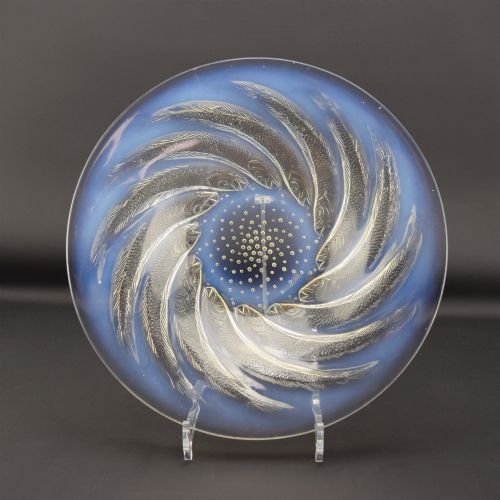
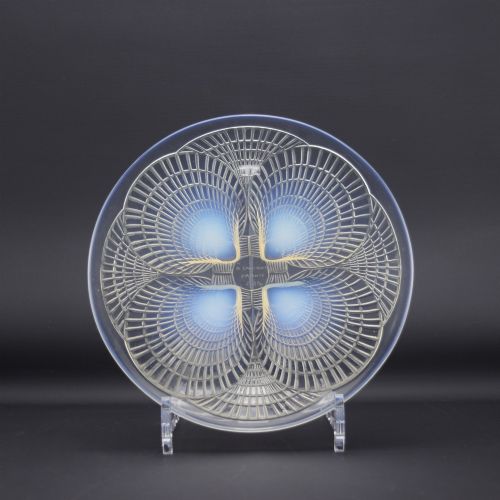
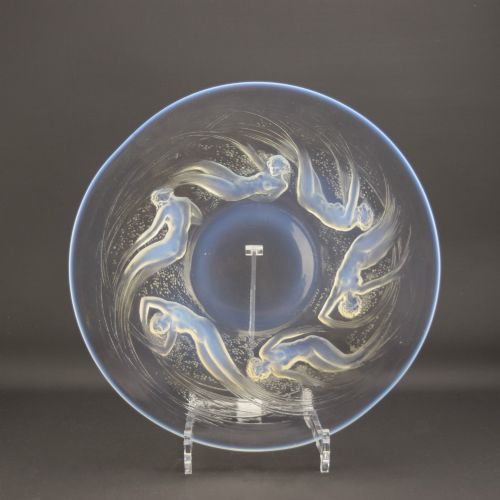
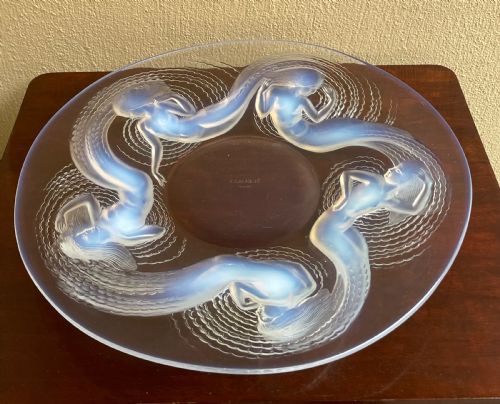
The listings combine nineteenth-century Victorian Bristol blue glass with twentieth-century Art Deco opalescent glass by makers like René Lalique.
Rene Lalique·Davidson·Elkington and Co·WMF
The Blue Glass Plate Glossary
- Opalescent glass
- Glass containing agents that cause parts of the piece to appear milky or to catch blue and amber highlights when lit. This effect is prominent in twentieth-century decorative chargers.
- Cobalt glass
- Glass coloured deep blue by the addition of cobalt oxide during the melting process. It provides a striking, intense hue seen across Victorian and Edwardian tableware.
- Silver plate
- A thin layer of silver fused or electroplated onto a base metal such as copper or Britannia metal. It frames many of the glass liners and dishes in this category.
- Pressed glass
- Glass shaped by being pressed into a mould using a plunger, allowing for uniform patterns and raised decoration. It became widespread during the nineteenth century.
- Pearline
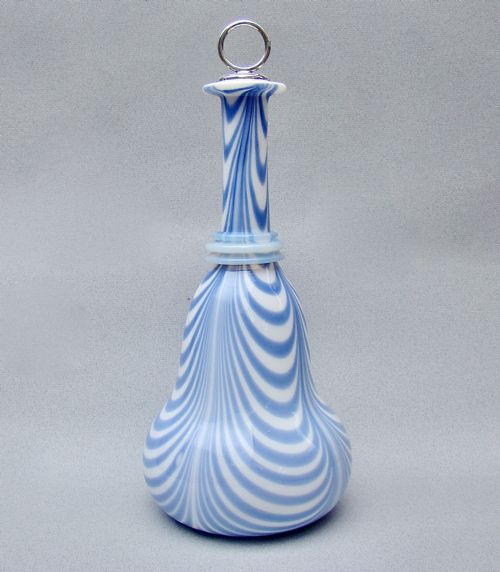
- A pressed glass technique developed in the Victorian era that shades from white to a translucent colour like blue, creating a distinctive opalescent border.
Blue Glass Plate: Frequently Asked Questions
How do I clean antique blue glass?
Wash the glass gently in warm, soapy water using a soft cloth, avoiding harsh abrasives that might scratch the surface.
Dry the piece immediately with a lint-free towel to prevent water spots from forming on the glass or silver plate mounts.
Can I use these plates for food?
Most antique decorative plates and bowls function best as display pieces or for serving dry items rather than hot food.
Sudden temperature changes can risk cracking older glass, particularly pieces containing opalescent or lead compounds.
How do I identify Victorian glass?
Victorian pieces frequently feature rich Bristol blue tones, hand-blown irregularities, or heavy pressed patterns paired with silver plate frames.
Examining the weight, pontil marks on blown items, and the style of the metal mounts helps determine the nineteenth-century origin.
What is opalescent glass?
Opalescent glass contains chemical additives that scatter light, creating a milky blue or white appearance across raised motifs.
When held to the light, these areas catch subtle amber or fiery tones that distinguish them from plain coloured glass.