



Vintage French Foyer Light
A vintage french foyer light welcomes guests with undeniable presence, casting a warm glow through brass and glass.
Vintage French Foyer Light
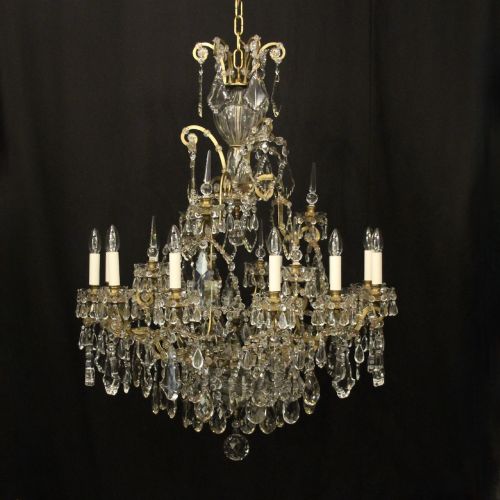
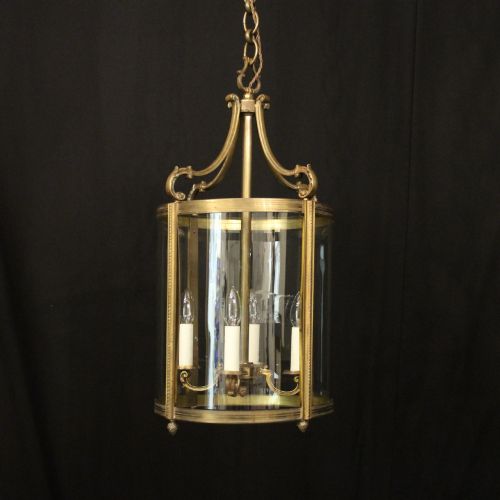
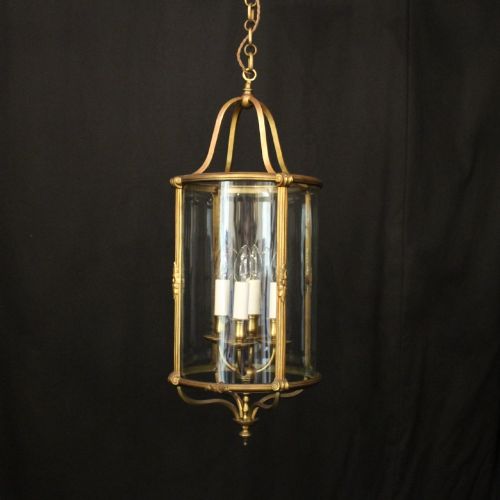
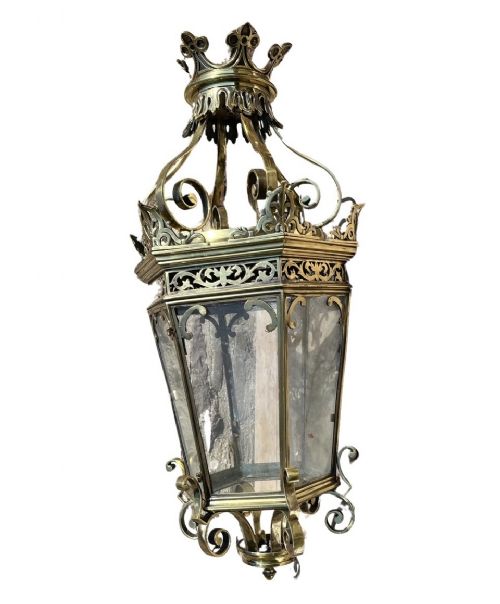
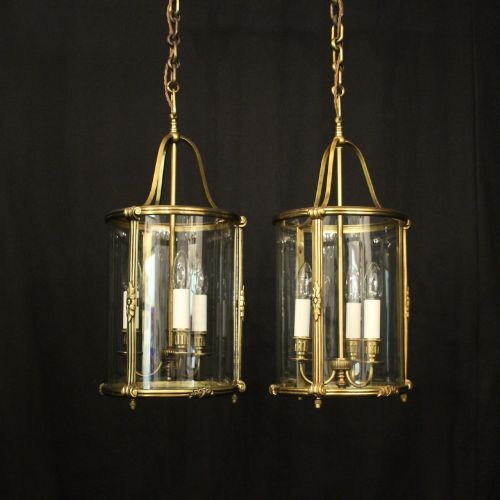
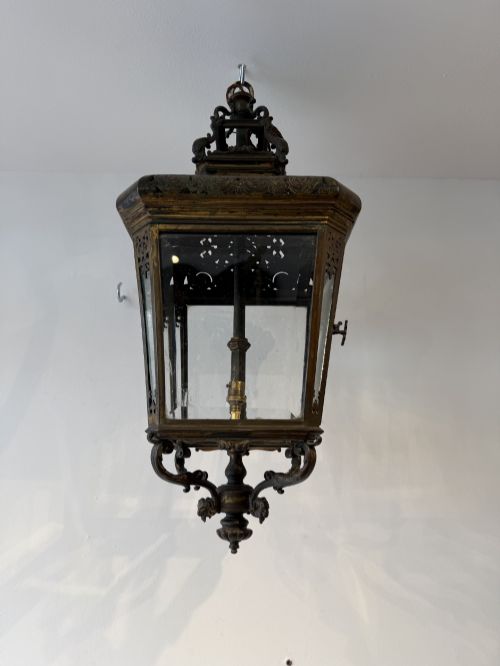
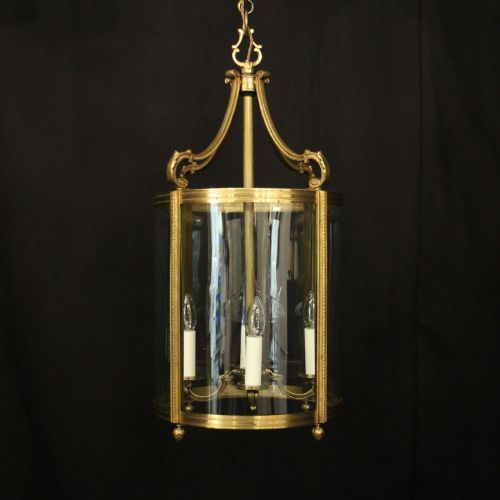
A vintage french foyer light encompasses grand hall lanterns, hanging fixtures and chandeliers designed to illuminate entrance spaces. The selection here leans heavily towards nineteenth and early twentieth century examples, ranging from compact hall lanterns to large multi-light chandeliers.
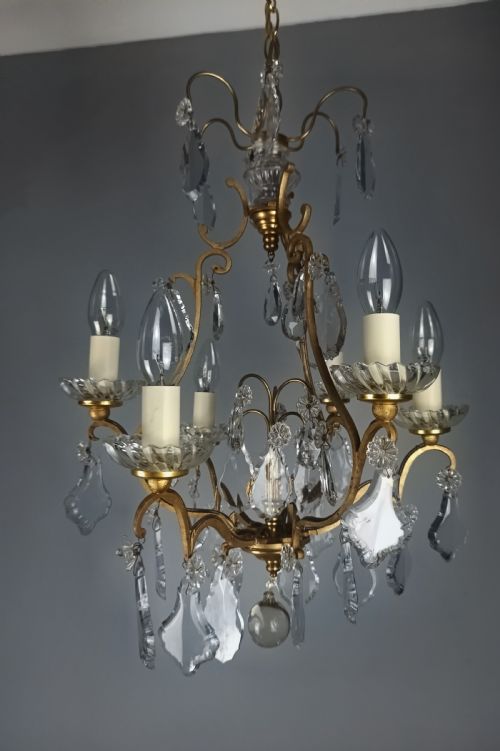
Forms span several distinct aesthetics, including French Empire, Louis XVI style and Neoclassical designs. Buyers frequently encounter convex glass lanterns and birdcage chandeliers bearing multiple lights within this category.
Origins trace back to continental workshops adhering to traditional French architectural styles. Alongside hanging lanterns, occasional centre tables appear within the wider selection.
How they were made
Construction relies heavily on cast bronze, brass and gilded bronze frames. Metalwork is frequently finished with a layer of silver or gold gilt to catch the ambient light.
Glazing typically involves clear or bevelled glass panes fitted securely into the metal framework. Crystal drops and accents are incorporated into grander chandelier and lantern configurations.
Vintage French Foyer Light Retail Price Guide 2026
Typical asking prices for vintage french foyer light among the pieces listed under this phrase on Sellingantiques today, from the lower quarter to the upper quarter. They describe what is for sale here now, not the wider market.
One twenty-four light chandelier manages to pack an entire ballroom worth of illumination into a single fixture.
What varies in quality
Subtle differences in the casting of the bronze and brass define the tier of the piece. Finer examples exhibit crisp chased detail along the metal mounts and frames rather than soft, smoothed edges.
The choice of glazing also alters the character and weight of the fixture. Thick bevelled glass panels command greater presence than thin flat glass, refracting light with sharper clarity.
The Vintage French Foyer Light Glossary
- Hall lantern
- A ceiling-hung lighting fixture enclosed in glass and metal, specifically proportioned for corridors and entrance halls. These fixtures direct illumination downward while protecting the internal candles or bulbs.
- Gilt bronze
- Bronze metal coated with a thin layer of gold, also known as ormolu. This finish provides a bright metallic sheen that resists tarnishing over decades.
- Bevelled glass
- Glass panes featuring angled edges ground and polished to a specific slope. This treatment creates prismatic light effects along the borders of the panel.
- Convex lantern
- A hanging light featuring curved glass panes that bulge outward from the frame. This curved profile softens the interior light and expands the visual volume of the fixture.
- Birdcage chandelier
- A multi-light hanging fixture constructed with a skeletal metal framework resembling the shape of a traditional birdcage. Crystal strands and drops are frequently draped across this open structure.
Vintage French Foyer Light: Frequently Asked Questions
How do I hang a foyer lantern?
These lanterns suspend from ceilings using matching chains or robust fixings. Professional electrical installation ensures the weight of the metal and glass is securely supported.
Placement should account for door clearance and ceiling height to maintain proper proportion within the entryway.
What styles are common in French lanterns?
Common styles draw from French Empire, Neoclassical and Louis XVI traditions. These designs incorporate classical motifs such as urns, acanthus leaves and geometric brass mounts.
Heavier Gothic Revival and Victorian influences also appear amongst the brass and bronze selections.
Are these lights wired for modern use?
Many surviving fixtures have been rewired to accommodate standard electrical bulbs. Rewiring allows historical frames to function safely within modern domestic settings.
Internal lamp holders are adapted while preserving the original exterior metalwork and glass configuration.
How do I date a brass lantern?
Dating relies on examining the casting techniques, screw types and patination of the metal. Pieces span from the nineteenth century through the 1930s, showing shifts in decorative restraint.
Stylistic markers align with specific periods like the 1920s or the broader nineteenth century aesthetic.