
French Rococo Ceiling Light
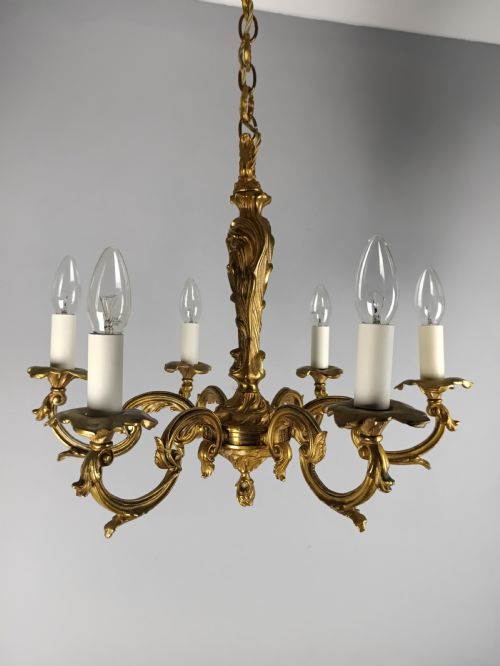
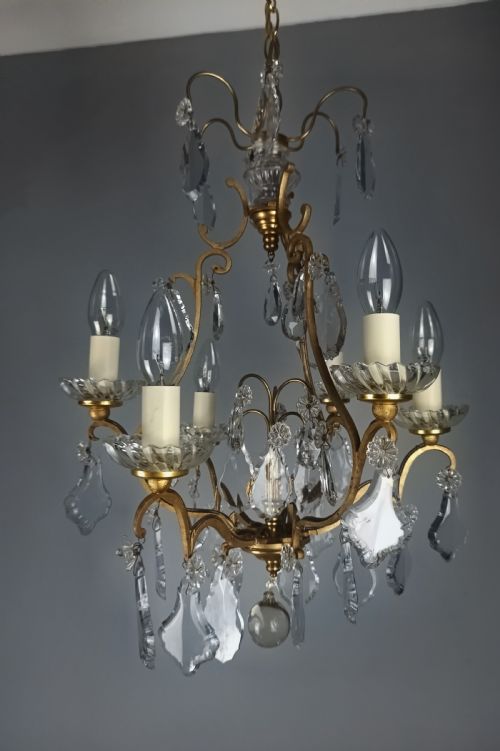
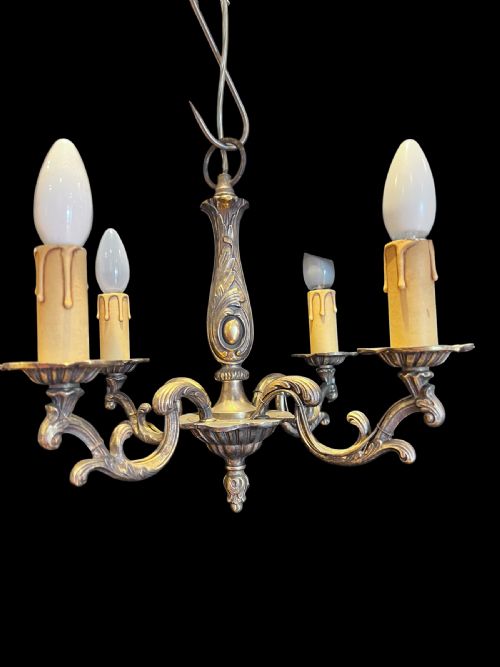
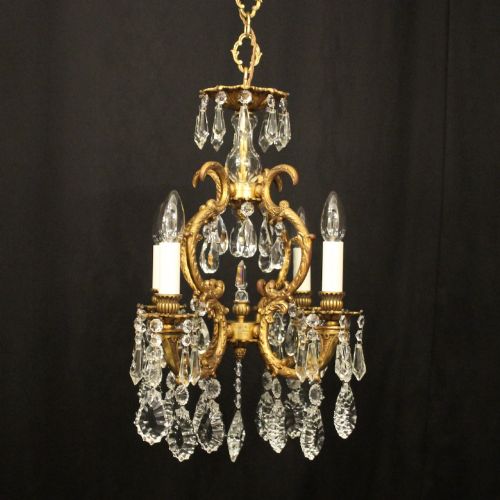
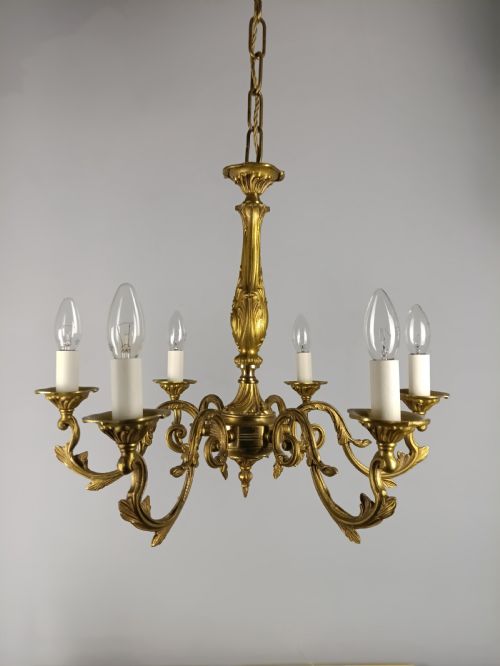
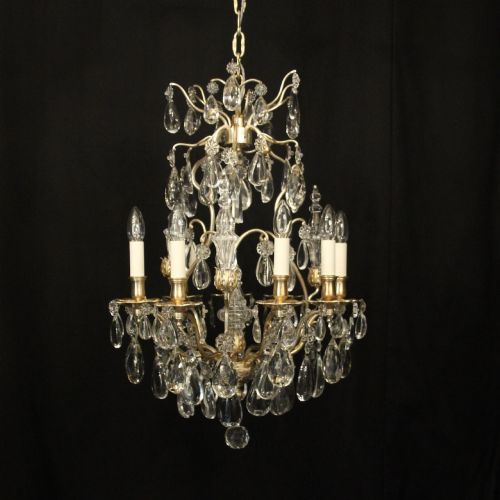
A french rococo ceiling light brings asymmetrical curves and elaborate brass or bronze framing into a room, offering warm illumination through hanging crystal drops.
French Rococo Ceiling Light
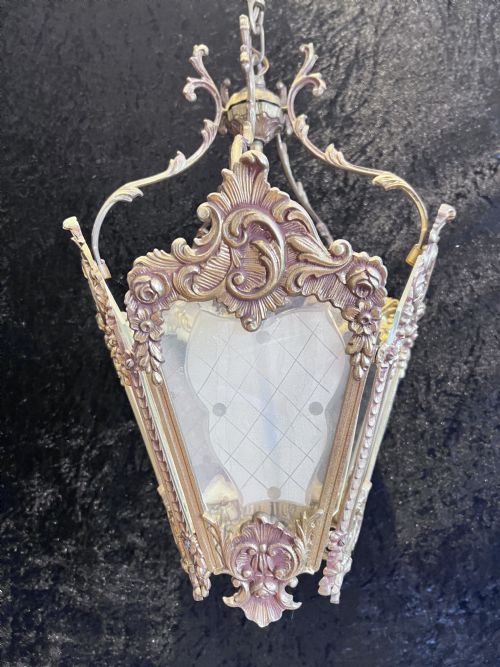
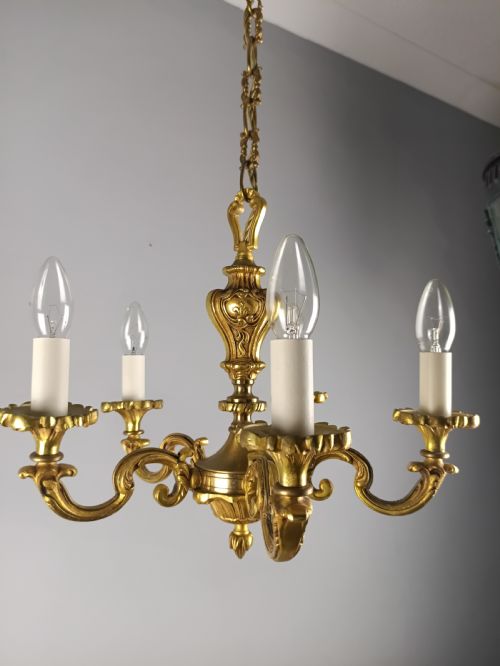
A french rococo ceiling light encompasses grand multi-light chandeliers and single-light lanterns designed in revival styles. Buyers searching this phrase meet pieces originating predominantly from the late nineteenth century through the 1930s.
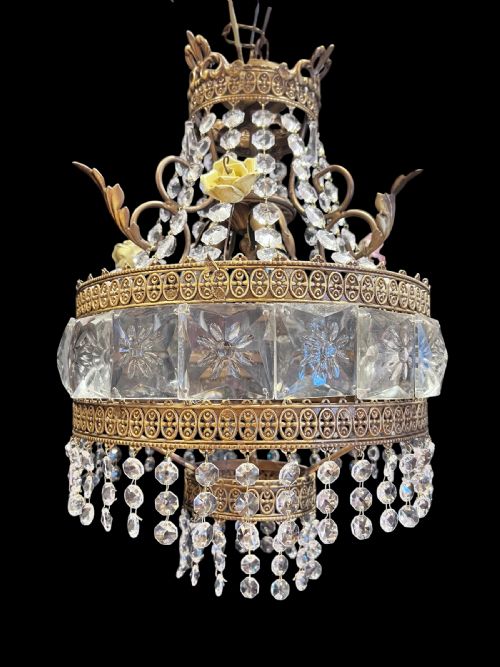
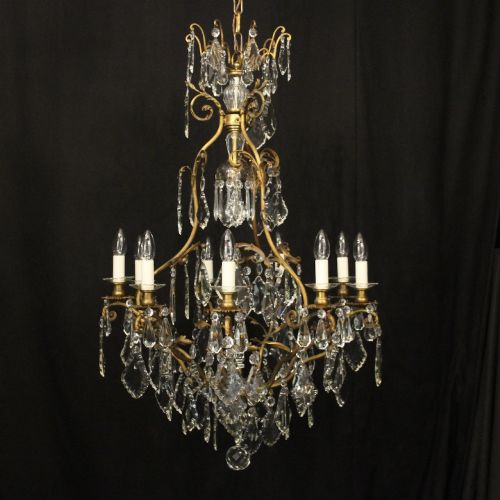
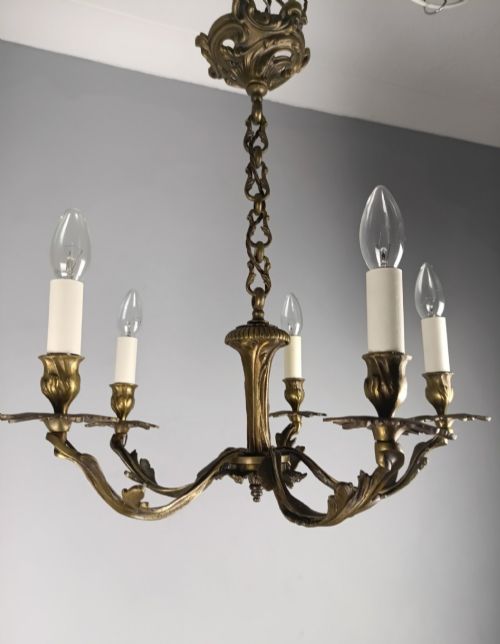
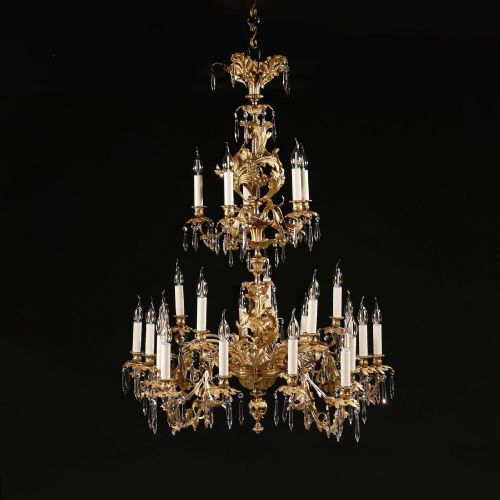
The selections span distinct forms including birdcage frameworks, multi-arm chandeliers, and hall lanterns. Materials range from solid brass and gilt bronze to wrought iron and cut glass.
Stylistic influences draw heavily upon Louis XV designs and French chateau aesthetics, often incorporating scrolling foliage and asymmetrical mounts.
Materials and construction
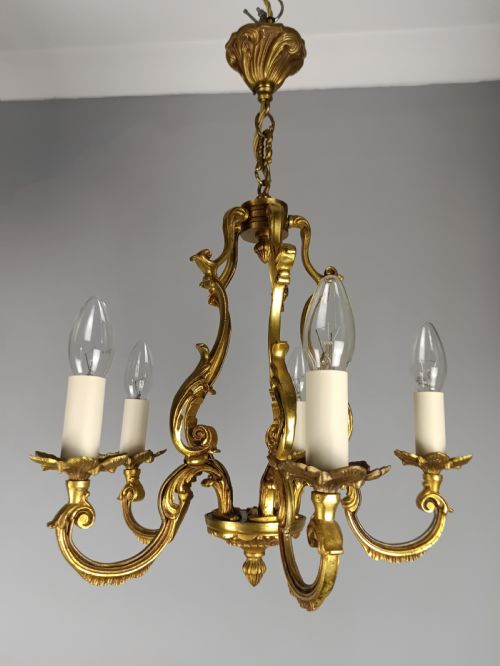
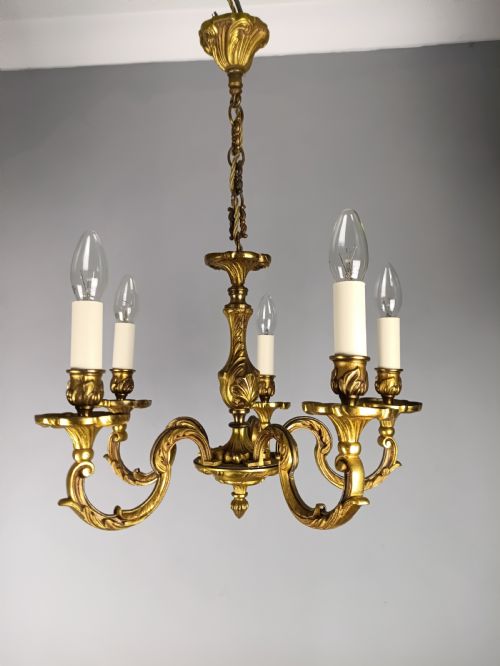
Metalwork forms the structural backbone, utilising cast brass, gilt bronze, and dark bronze alongside wrought iron and spelter. These metals are shaped into scrolling arms and decorative frames.
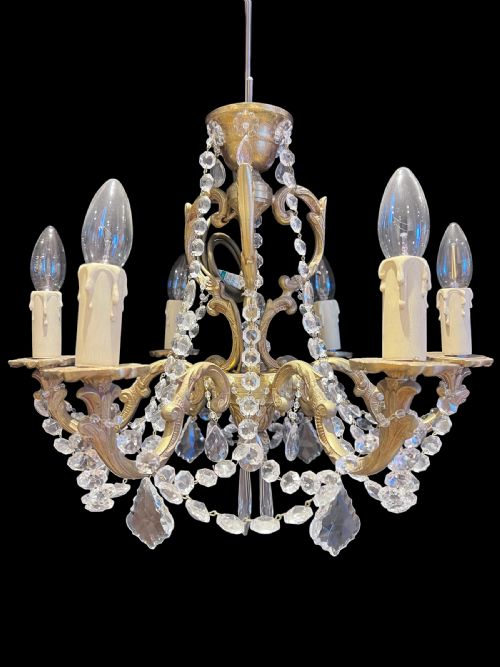
Glass and crystal elements are integrated extensively, ranging from moulded drops and spikes to birdcage strands and coloured crystal accents. Porcelain flowers and giltwood details occasionally supplement the metallic frames.
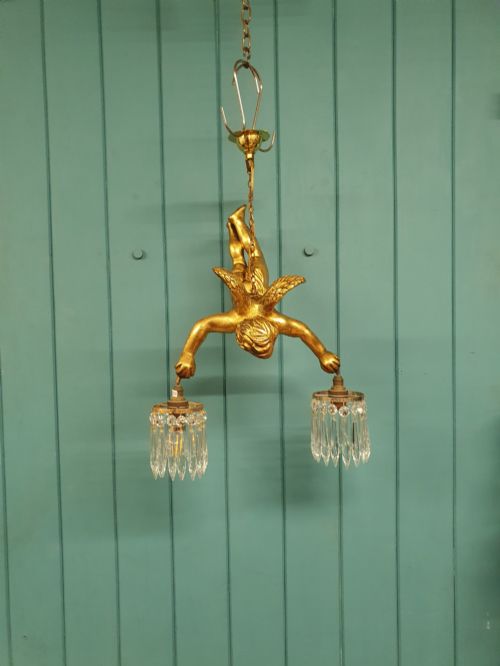
Flying cherubs occasionally join the illumination, dangling crystal spikes from suspended metal arms.
Assessing quality
The refinement of the casting work dictates the distinction between standard and superior examples, particularly in the handling of chased bronze and detailed brass mounts. Crisp articulation in scrolling foliage separates finer pieces from simpler production.
The integration and quantity of crystal drops also influence the standard of a piece, where cut glass prisms and uniform crystal strands enhance light refraction across larger multi-light configurations.
The French Rococo Ceiling Light Glossary
- Birdcage chandelier
- A skeletal metal frame shaped like an avian cage, strung with crystal beads and drops around internal candle arms. This form directs light through a dense cascade of glass.
- Gilt bronze
- Metal cast and coated in a layer of gold leaf or applied gold amalgamation, providing a durable metallic sheen. It appears frequently in revival lighting from the nineteenth and early twentieth centuries.
- Spelter
- An alloy based on zinc, utilised as a cost-effective alternative to bronze for sculptural figures such as cherubs. It accepts metallic finishes to resemble heavier cast metals.
- Hall lantern
- An enclosed hanging light designed for corridors or entryways, usually featuring glazed panels within a brass or bronze frame. These fixtures provide focused vertical illumination.
- Cut glass
- Glass shaped by mechanical cutting wheels to create faceted surfaces that refract light sharply. These pieces hang from frames to amplify illumination.
French Rococo Ceiling Light: Frequently Asked Questions
Where should I hang a large chandelier?
These fixtures suit high-ceilinged reception rooms, dining areas, or entrance halls where their drop and multi-light spread can be fully appreciated.
Ensure adequate clearance beneath the lowest crystal drop for foot traffic.
How do I identify a revival piece?
Revival lighting from the late nineteenth and early twentieth centuries adopts earlier Louis XV motifs while employing contemporary wiring methods.
Examine the construction joints and metal finishing to determine the period of manufacture.
What maintenance do crystal fixtures require?
Dusting the metal frame and individual glass drops regularly prevents grime accumulation that dulls light refraction.
Occasional cleaning with a gentle solution restores clarity to the crystal components.
Are these lights wired for modern use?
Most surviving examples have undergone electrical conversion to function with standard household voltage, replacing original candle sockets.
Check individual listings for specific wiring details and bulb configurations.