


Classic Crystal Chandelier Fixture
A classic crystal chandelier fixture brings distinct illumination and architectural weight to a room, drawing the eye upwards with cut glass and metal work.
Classic Crystal Chandelier Fixture
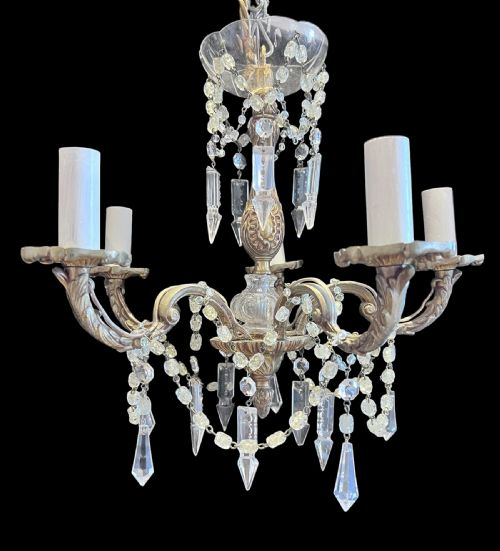
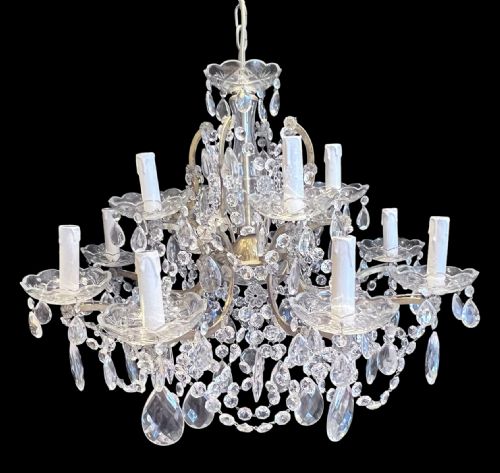
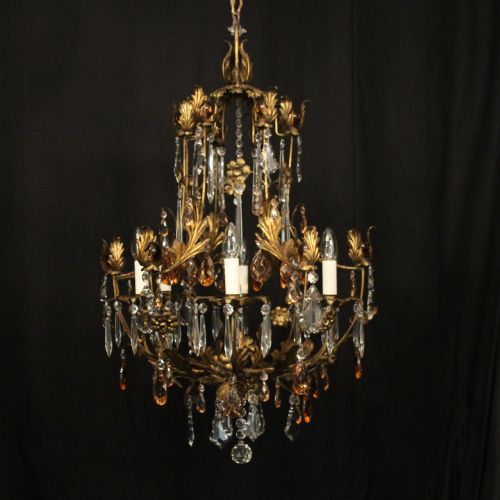
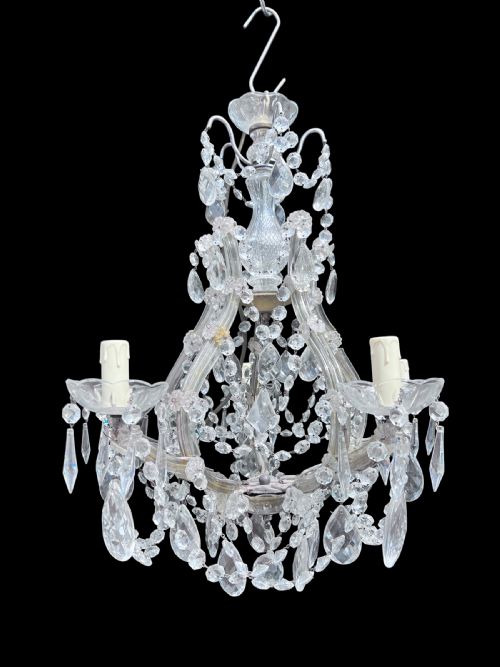
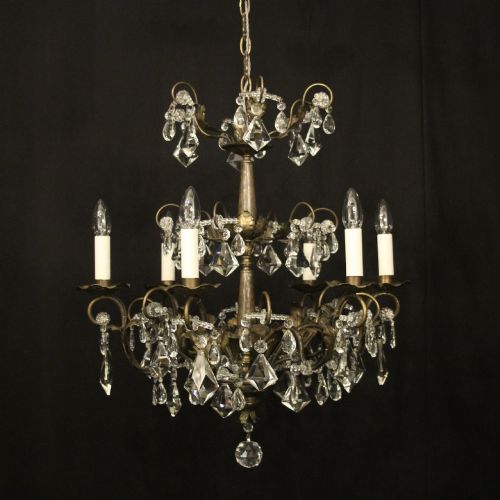
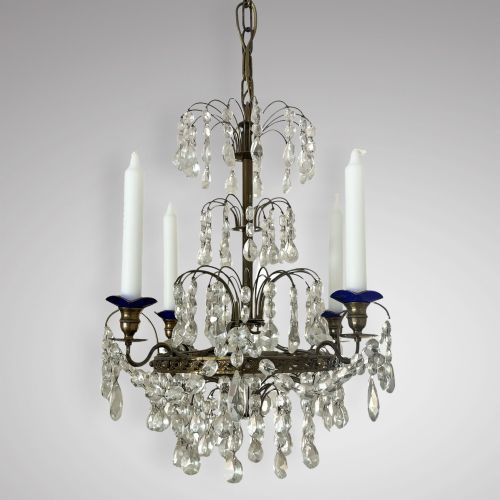
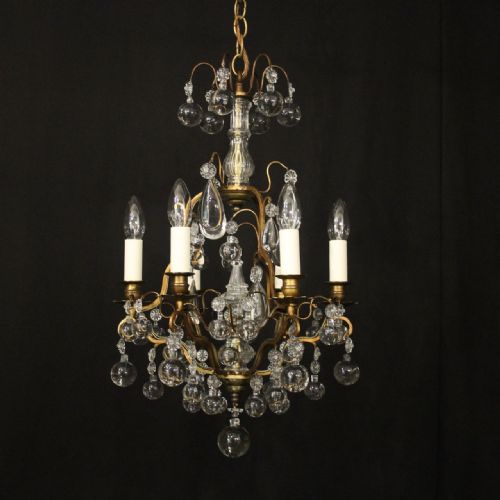
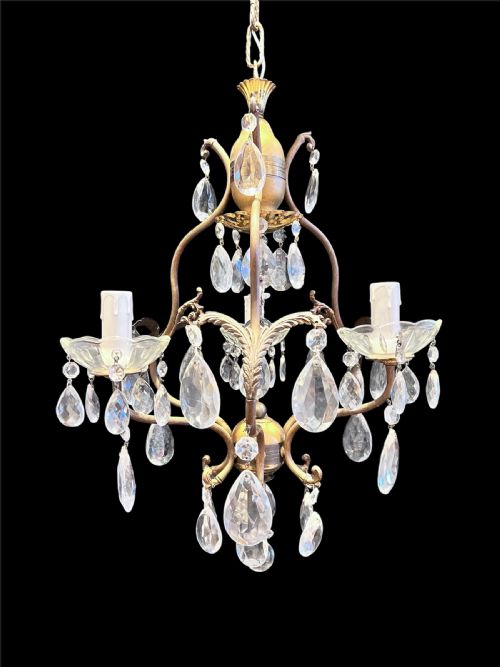
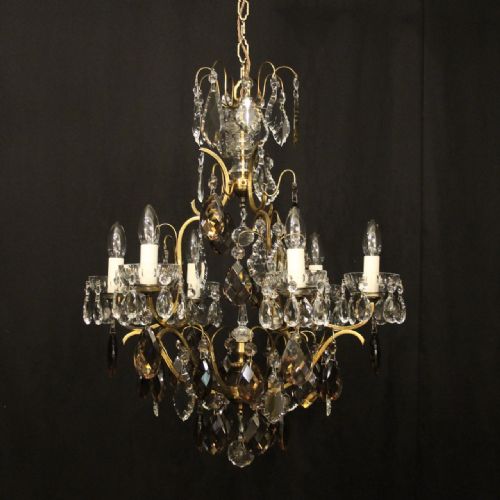
A classic crystal chandelier fixture comprises hanging ceiling lighting designed to refract light through cut glass and crystal components. These fixtures range from compact single light examples to multi tiered arrangements holding fifteen lights.
The pieces encountered on this page span the eighteenth century through to the nineteen thirties, encompassing Edwardian examples and twentieth century interpretations. Italian and French regional designs dominate the selection, including Maria Theresa, Empire, and Rococo styles.
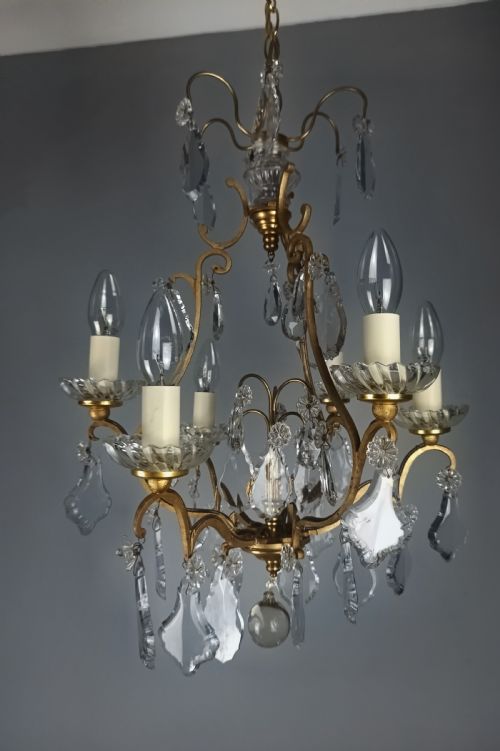
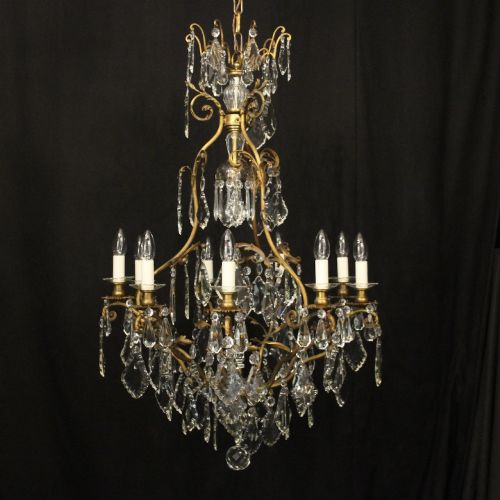
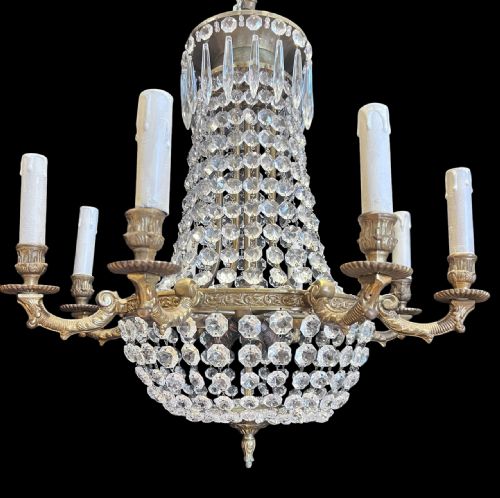
Common formats include birdcage frames, tent and waterfall configurations, and bag tent structures. Metal frames in brass, gilded brass, gilt metal, and bronze support the glass elements.
How they were made
Makers constructed the primary framework using cast and forged metals such as brass, gilt metal, and bronze, often applying a gilded finish to the metal surfaces. These structural arms and rings support the weight of the glass drops and the electrical or candle wiring.
Optical and structural components rely on cut glass and crystal glass, shaped into prisms, pendants, beads, and plates. Skilled artisans wired these individual glass elements to the metal frames using metal pins and wire loops.
One listed nineteenth century chandelier incorporates purple amethyst crystal alongside clear glass drops.
What varies in quality
The depth of metal casting and the quality of the gilding on the brass or bronze armature set examples apart. Heavier, more complex frames with detailed chasing contrast with simpler, lighter metal structures.
Clarity and precision in the cutting of the crystal and glass elements define the upper tier of pieces. Sharp facets and heavy lead content produce superior light refraction compared to plain pressed glass drops.
The Classic Crystal Chandelier Fixture Glossary
- Tent and waterfall
- A lighting configuration where strings of glass beads form an upper tent shape that drops down into a wider bowl or cascade of crystal pendants. It creates a layered silhouette.
- Birdcage
- A framework style resembling an avian enclosure, where curved metal straps form an open cage structure decorated with glass drops and central spires.
- Gilt bronze
- Bronze metal treated with a thin layer of gold or gold coloured alloy to produce a rich metallic surface finish. It resists tarnishing and provides a warm background for crystal pendants.
Classic Crystal Chandelier Fixture: Frequently Asked Questions
How do I hang a heavy chandelier?
Hanging a heavy brass and crystal fixture requires securing it directly to ceiling joists using a rated metal junction box and appropriate structural brackets. Professional installation by an electrician ensures the weight of the metal frame and glass is safely supported.
Height placement depends on room proportions and ceiling clearance, typically positioning the lowest point above head height in open spaces or centered over dining tables.
How do I clean crystal chandeliers?
Routine maintenance involves dusting the glass drops and metal arms with a soft brush or mitt while the fixture hangs in place. For deeper cleaning, specialised non drip glass cleaner can be sprayed onto the crystals while placing towels underneath to catch residue.
Power must be switched off completely before applying any liquid cleaning products to electrical components.
How do I date a crystal chandelier?
Dating relies on examining the metal casting techniques, wiring types, and construction methods used in the frame. Eighteenth and nineteenth century pieces often show hand cut glass, pegged metal joints, and forged iron or bronze components.
Later twentieth century examples transition to machine cut glass, standardised screw threads, and different electrical fittings that reflect modern manufacturing.
What is an Empire style chandelier?
An Empire style lighting fixture typically incorporates classical architectural motifs such as gilt metal wreaths, urns, and tent and waterfall crystal arrangements. This aesthetic draws inspiration from neoclassical design and French royal interiors.
These pieces use symmetrical geometry and cascading glass drops to create a formal vertical silhouette.