





Vintage French Engravings
These vintage french engravings bring historic European imagery to walls through framed prints, botanical plates, and classical maps.
Vintage French Engravings
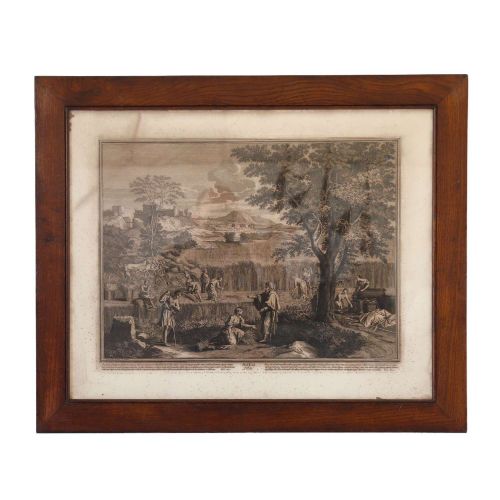
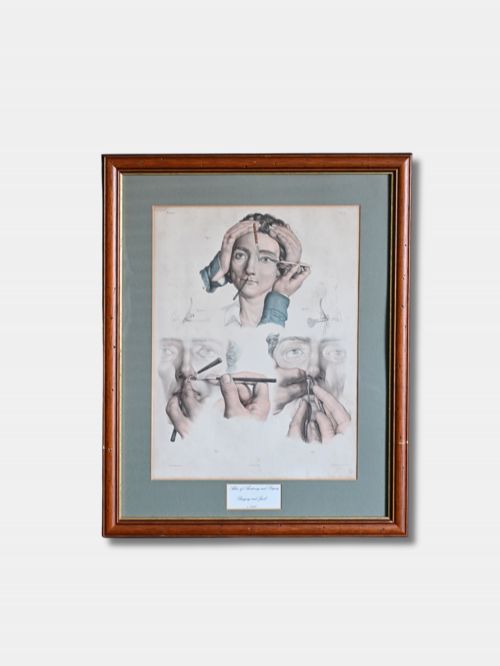
Vintage french engravings encompass a broad spectrum of framed paper works spanning from the seventeenth century through to the early twentieth century. When exploring this selection, buyers encounter everything from botanical studies and architectural plans to classical mythological scenes and detailed maps.
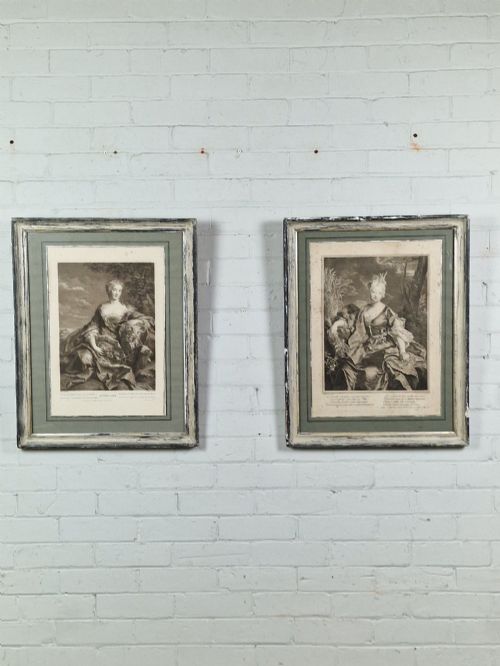
The objects frequently appear within wood or gilt wood frames, often protected beneath glass. Common formats include single framed prints, pairs, and larger sets depicting subjects such as natural history, portraiture, and topography.
How They Were Made
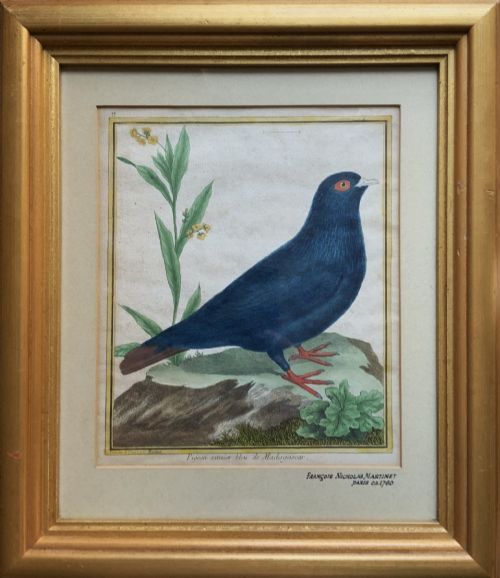
These works rely fundamentally on paper sheets inscribed with ink through traditional printing methods like engraving, lithography, and etching. Hand colouring occasionally enhances the printed lines with watercolour pigments.
Framing materials commonly include wood, burr wood, and gold leaf, providing structural support and decorative borders for the delicate paper sheets within.
Vintage French Engravings Retail Price Guide 2026
Typical asking prices for vintage french engravings among the pieces listed under this phrase on Sellingantiques today, from the lower quarter to the upper quarter. They describe what is for sale here now, not the wider market.
Listings feature works spanning the seventeenth, eighteenth, and nineteenth centuries, alongside pieces from the 1920s and 1930s.
What Varies in Quality
Quality differences emerge in the precision of the printed line and the nuance of any hand-applied watercolour. Impressions taken from plates in prime condition display sharper details than those produced from worn or later plates.
The supporting frames also influence the overall character of the piece, with period gilt wood and burr wood surrounds offering distinct craftsmanship compared to simpler modern mouldings.
François-Nicolas Martinet·Pancrace Bessa·Victor Adam·Louis Icart·Albert Terry
The Vintage French Engravings Glossary
- Engraving
- A printmaking technique where an artist carves an image directly into a metal plate with a burin. The resulting incisions hold the ink for transfer onto paper.
- Lithography
- A planographic printing process based on the repulsion of oil and water on a limestone slab or metal plate. It allows for fluid, painterly lines on the finished paper.
- Etching
- A method where acid bites lines into a metal plate protected by a wax ground. This process creates fine, varied marks characteristic of graphic art.
- Mezzotint
- A tonal printmaking method that achieves subtle gradations of light and shade rather than relying purely on line. It produces rich, velvety dark areas.
- Cartography
- The study and practice of making maps. Antique examples often feature hand-coloured borders and regional topography.
Vintage French Engravings: Frequently Asked Questions
What subjects do these prints cover?
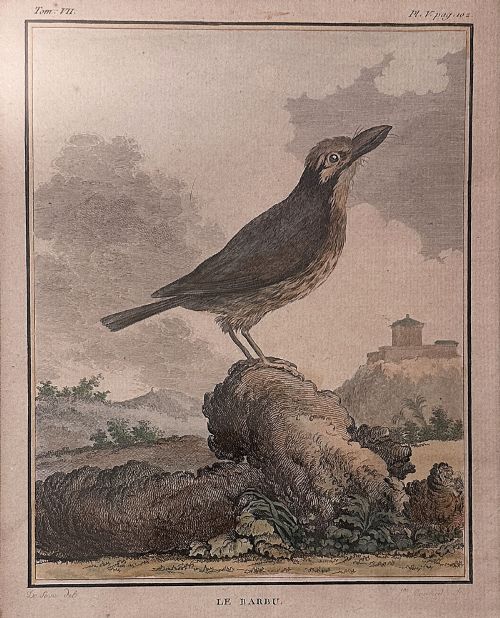
The selection includes botanical studies, anatomical figures, architectural plans, and historical maps.
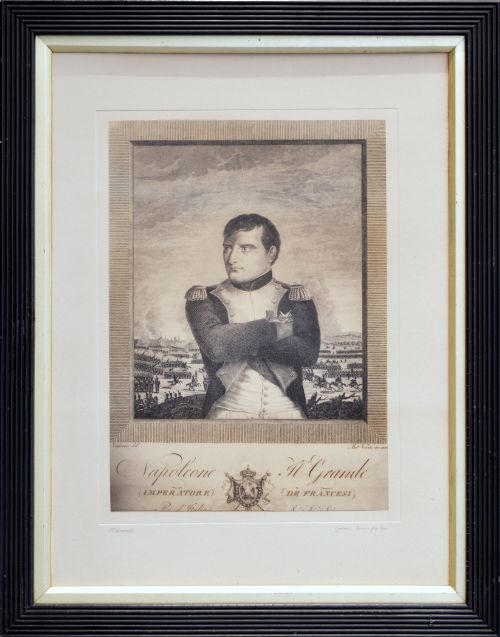
Buyers also encounter mythological scenes, animal portraits, and military figures such as Napoleon.
Are the prints coloured by hand?
Many examples feature delicate watercolour washes applied by hand over the printed ink lines.
This technique appears frequently on natural history plates and botanical illustrations from the eighteenth and nineteenth centuries.
How are these pieces usually framed?
Most works arrive ready to hang in traditional wood or gilt wood frames behind glass.
These surrounds range from ornate gold leaf moulding to simpler burr wood profiles suited to period interiors.
Do the pieces come in sets?
Listings regularly feature pairs and larger sets, including series of architectural plans and seasonal depictions.
These grouped works offer a cohesive look for hanging together on a wall.