

Antique Animal Print
An antique animal print captures the character of creatures through historical etchings, engravings and paintings that bring traditional charm to any room.
Antique Animal Print
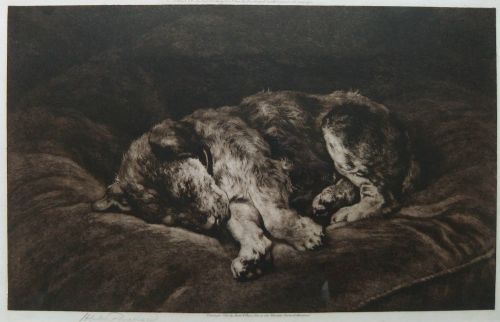
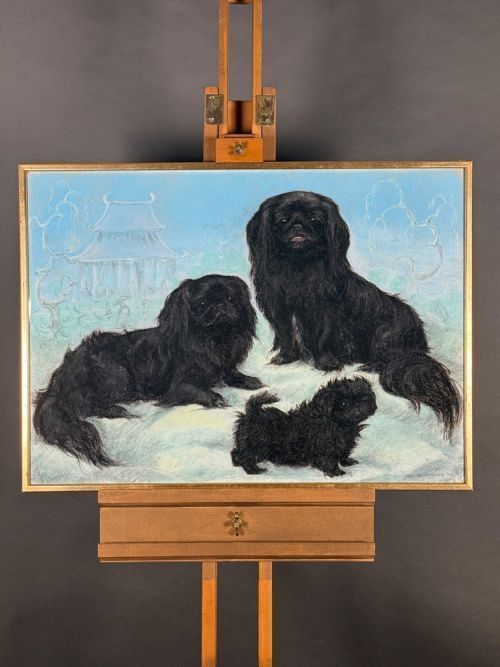
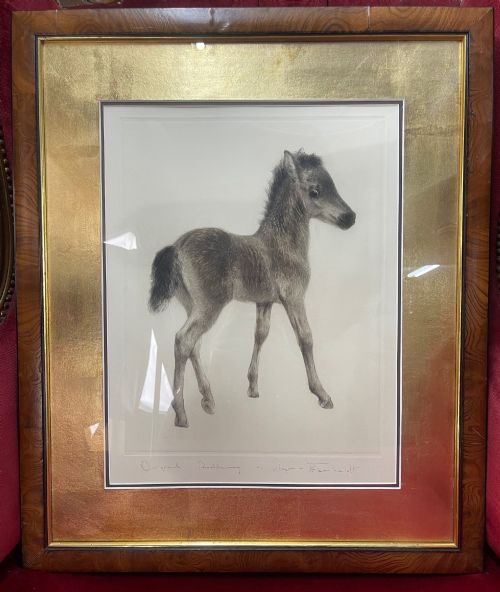
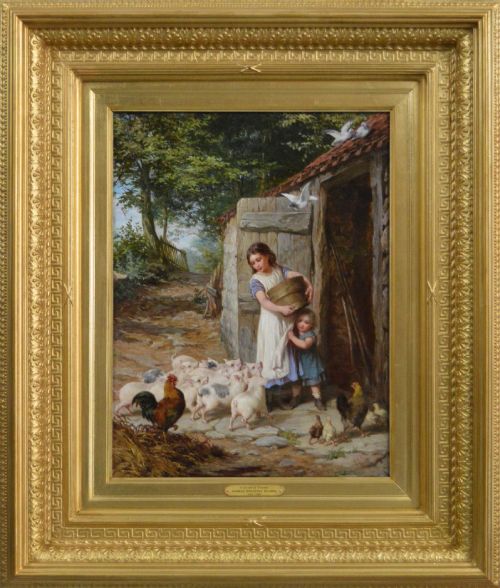
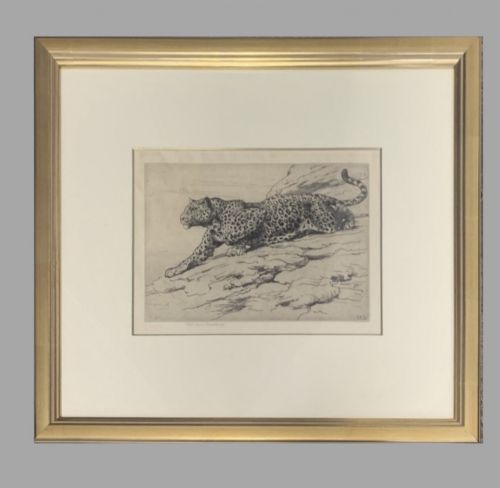
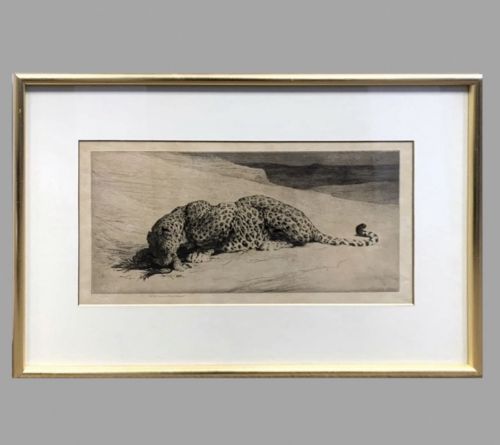
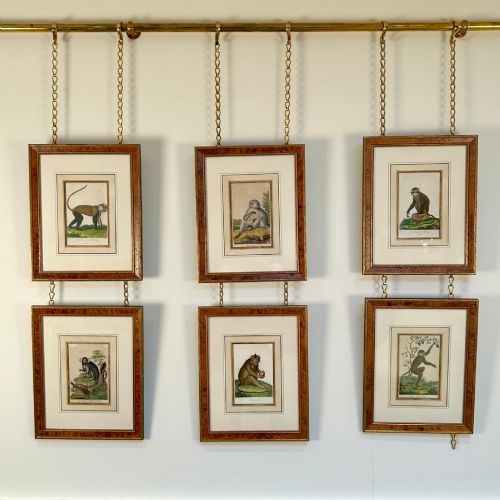
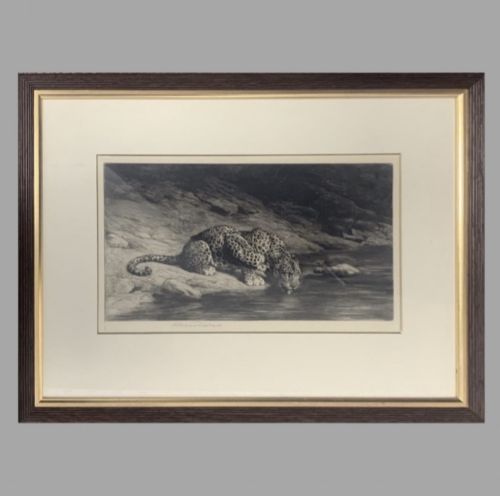
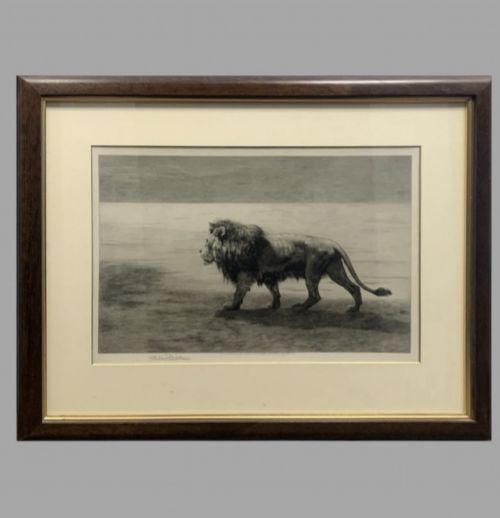
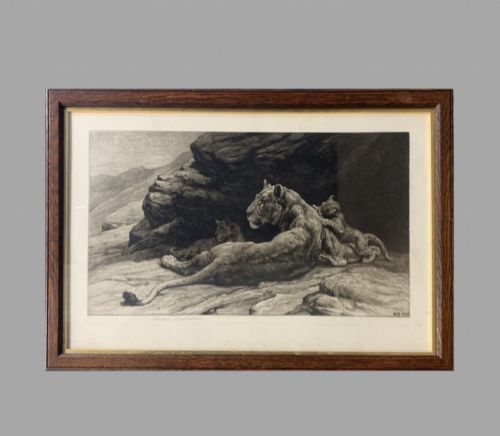
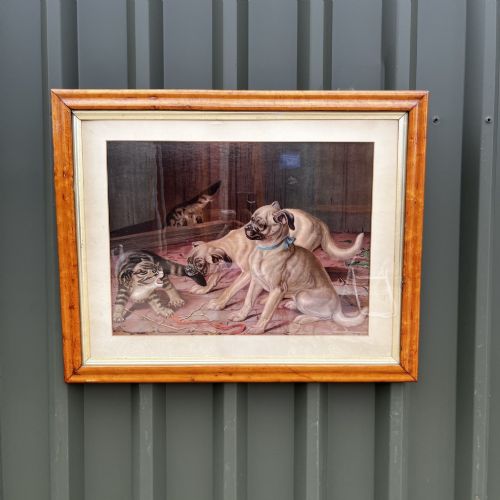
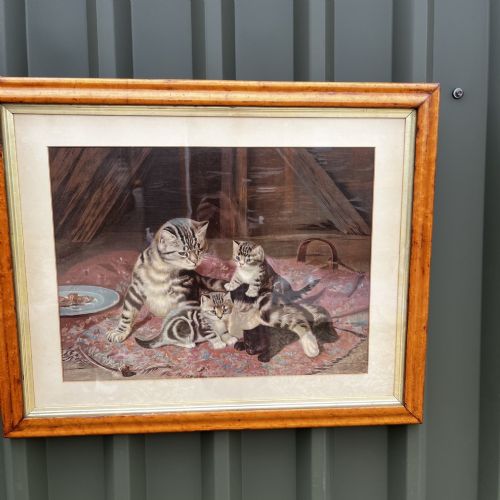
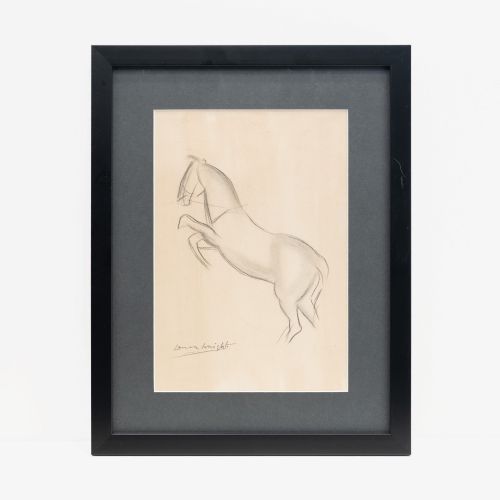
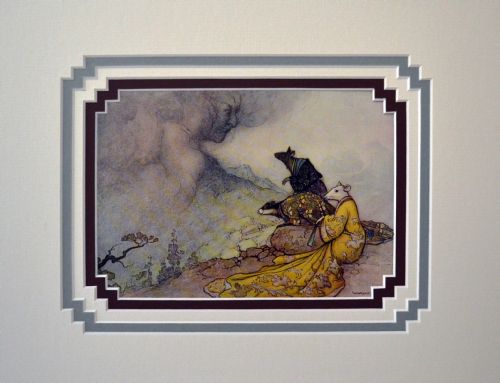
An antique animal print encompasses framed works depicting wildlife, domestic pets and farm animals across various historical periods. The selection includes etchings, engravings, chromolithographs and original paintings spanning the eighteenth, nineteenth and twentieth centuries.
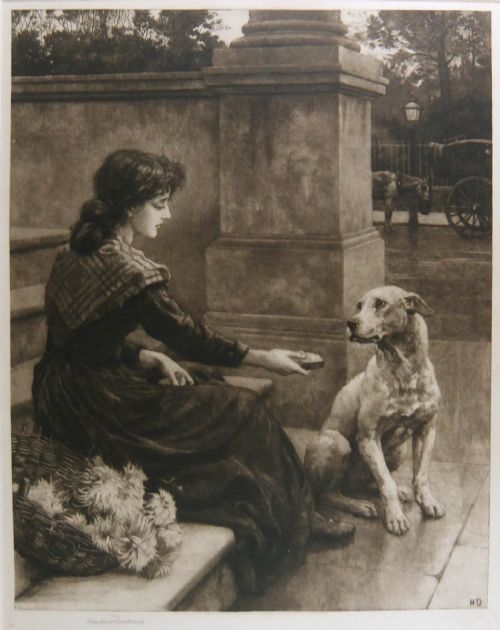
Buyers regularly encounter framed etchings and paper prints from the Victorian and Edwardian eras, alongside Georgian engravings and mid-twentieth-century watercolours. Subjects range from big cats and dogs to livestock and exotic creatures.
The objects appear primarily as framed wall art utilising paper, vellum and canvas, often preserving the hand-coloured details or artist signatures of their creation period.
How they were made
Makers utilised traditional printing and painting techniques, applying ink and oil onto paper, vellum and canvas. Many works combine etching and drypoint methods on paper substrates, occasionally enhanced with hand colouring.
Framing materials incorporate wood, glass and gold leaf, with certain pieces featuring specific embellishments on the surface or backing. Pigments applied via oil, pastel and watercolour define the painted portraits and studies.
Listings feature works across the eighteenth, nineteenth and twentieth centuries, utilising paper, glass, wood, ink, gold leaf, oil on canvas and giltwood.
What varies in quality
Quality rests upon the precision of the initial printing plate or brushwork, distinguishing sharp impressions and detailed hand-colouring from softer, less defined reproductions. The presence of original artist signatures and limited edition proofs elevates certain pieces within the range.
The condition of the paper, vellum or canvas and the preservation of the framing materials influence the integrity of the surviving work. Stronger tonal contrast and careful handling of ink or pigment separate finer examples from standard decorative prints.
Herbert Dicksee·Kurt Meyer Eberhardt·George Augustus Holmes·Horatio Henry Couldrey·Warwick Goble·Louis Wain·Florence Mabel Hollams
The Antique Animal Print Glossary
- Drypoint
- A printmaking technique where an image is scratched directly onto a metal plate with a sharp needle, producing soft, velvety lines. This method creates rich burrs on the plate that hold extra ink during printing.
- Chromolithography
- A planographic colour printing process utilising multiple limestone blocks to build up rich chromatic layers. Each colour requires a separate stone and precise alignment.
- Vellum
- A fine parchment prepared from calfskin, providing a smooth, durable surface for detailed etching and ink work. Artists often select this material for special edition proofs.
- Engraving
- A technique where an artisan cuts lines directly into a metal plate using a sharp tool called a burin. The resulting image yields crisp, precise lines upon the printed paper.
Antique Animal Print: Frequently Asked Questions
How do I care for antique paper prints?
Keep framed pieces away from direct sunlight to prevent the fading of inks and watercolours on paper. Maintain stable room humidity levels to protect both the paper substrate and the wooden frame.
Ensure backing boards and framing materials remain acid-free where possible to preserve the longevity of the artwork. Avoid hanging pieces in damp environments like kitchens or unventilated spaces.
What is a drypoint etching?
A drypoint etching involves drawing directly onto a metal plate using a sharp steel needle rather than biting the lines with acid. This process raises a metal ridge called a burr, which catches ink to create a characteristic velvety line.
Because the delicate burr wears down quickly during the printing process, early impressions from the plate show the richest texture and depth. Artists often reserve this technique for limited artist proofs.
How are different periods identified?
Periods are identified through a combination of paper types, printing techniques, framing styles and artist signatures. Eighteenth-century engravings often display distinct plate marks and hand-coloured accents typical of the period.
Victorian and Edwardian works frequently utilise specific chromolithographic processes or bear signatures from prominent animal artists of those decades. Examining the framing materials and any inscriptions on the reverse provides further chronological context.
Are these works original or reproductions?
The selection includes original hand-drawn paintings, unique drypoint etchings and period-specific prints created during the artist's lifetime. Each listing details the specific medium, whether an oil painting, watercolour or period engraving.
Many etchings are signed artist proofs from limited editions rather than modern mechanical reproductions. Close inspection reveals plate marks, ink texture and paper characteristics confirming their age.