


Antique Wildlife Art
These pieces of antique wildlife art capture natural history through paintings, etchings, and bronzes that bring the untamed world indoors.
Antique Wildlife Art
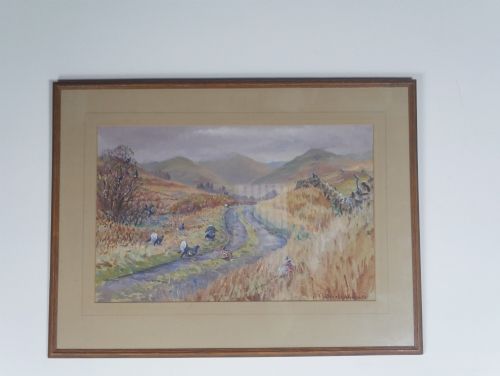
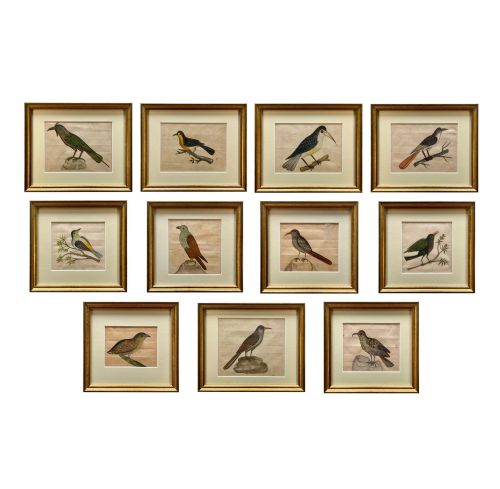
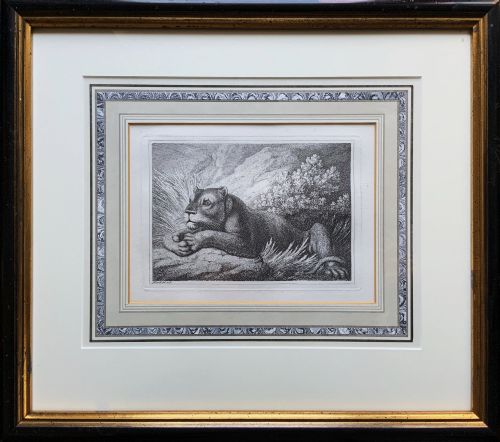
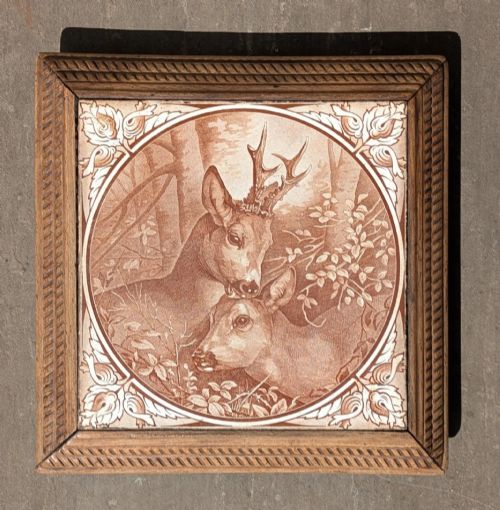
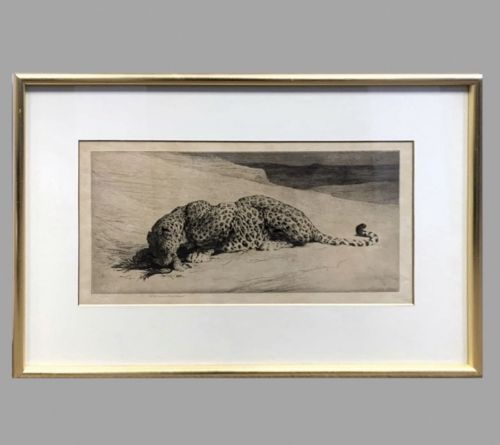
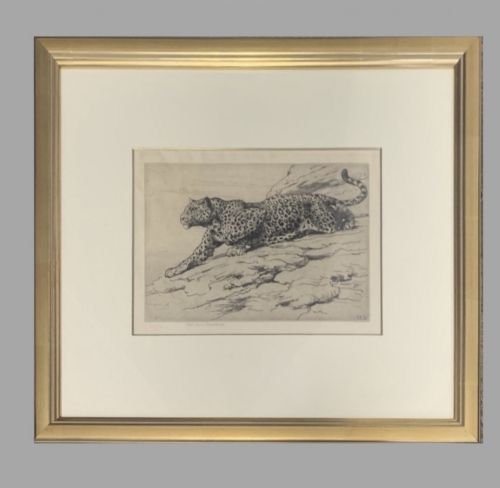
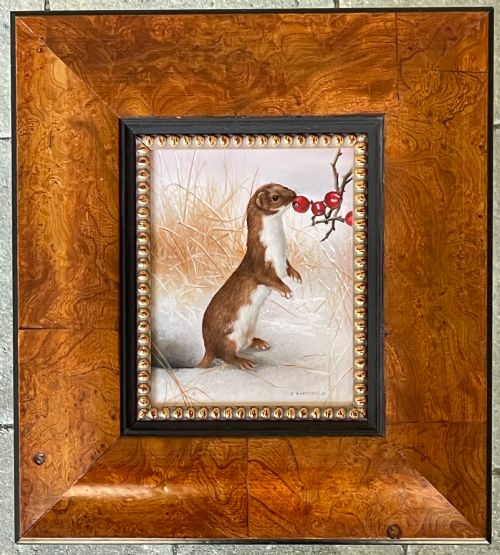
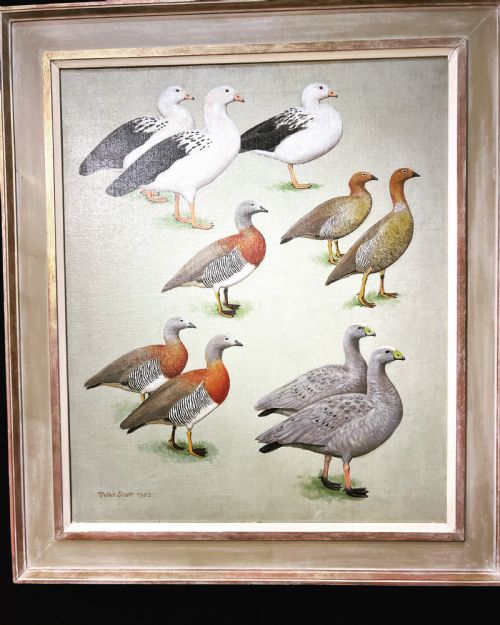
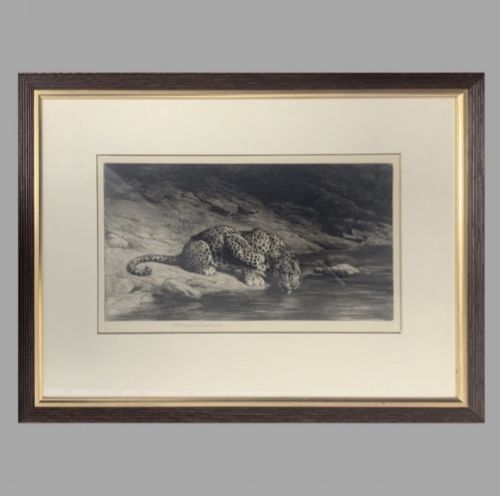
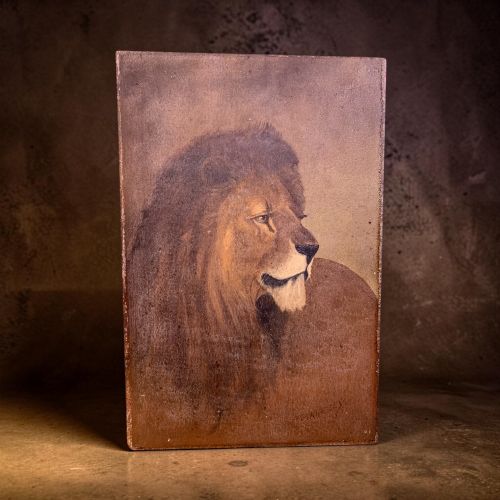
Antique wildlife art encompasses a diverse range of depictions focusing on animals in their natural habitats, spanning centuries of creative expression. Buyers pursuing antique wildlife art encounter everything from detailed avian watercolours to dramatic oil paintings of big cats and forest stags.
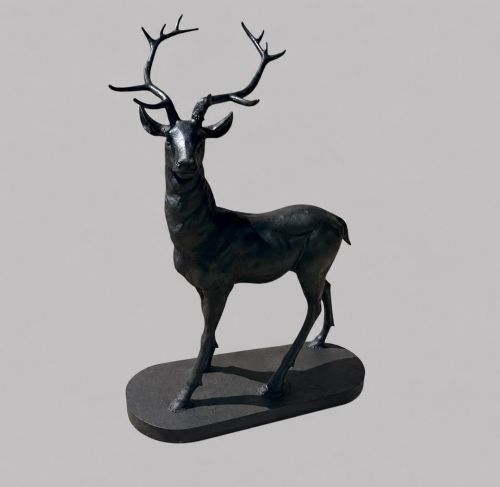
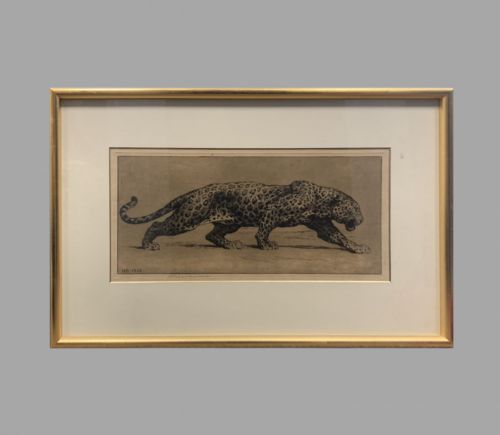
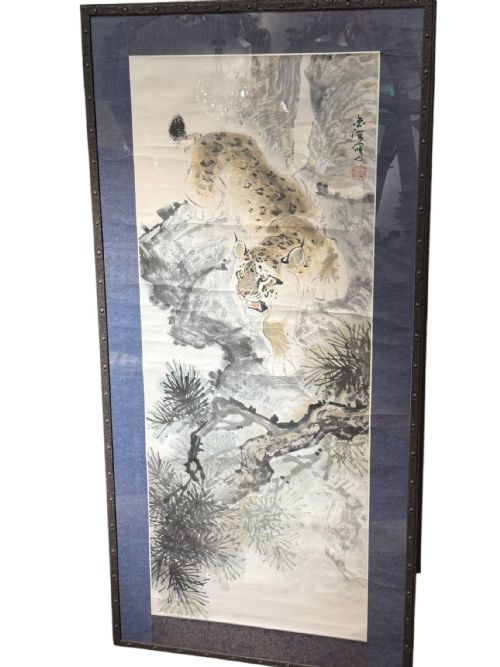
The selection on this page leans heavily toward nineteenth and early twentieth-century works, including framed etchings, bronze sculptures, and traditional oil paintings. These pieces reflect historical fascination with naturalism, sporting art, and exotic fauna across British, European, and Asian traditions.
How they were made
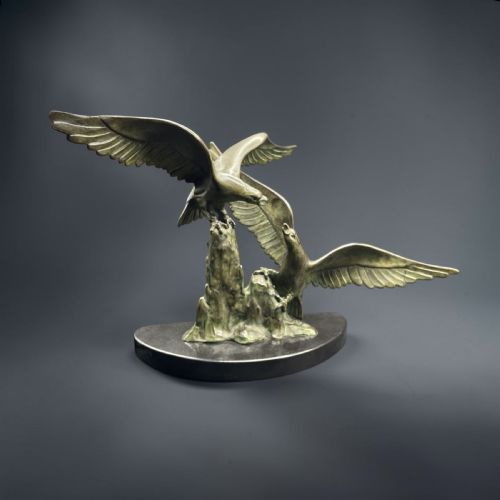
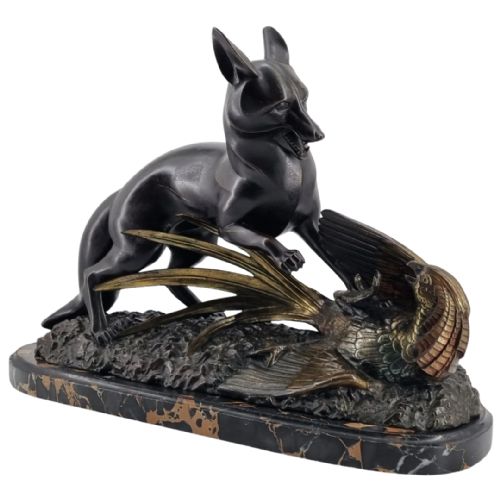
Makers utilised traditional mediums such as oil paint on canvas, watercolour and pastel on paper, and ink printed as etchings on vellum or paper. Sculptural pieces rely on cast bronze or hand-carved wood, often utilising specialised foundry marks or detailed chisel work.
Techniques range from meticulous botanical and zoological illustration to loose impressionistic brushwork and naive folk art carvings. Artists applied pigments and patinas designed to endure, capturing the muscular tension of wildlife through careful draughtsmanship.
Antique Wildlife Art Retail Price Guide 2026
Typical asking prices for wildlife art among the pieces listed under this phrase on Sellingantiques today, from the lower quarter to the upper quarter. They describe what is for sale here now, not the wider market.
The inventory records significant representation from British Naturalism, Victorian Sporting Art, and Art Deco movements.
What varies in quality
Quality rests upon the anatomical accuracy and expressive energy captured by the hand of the creator, distinguishing lifelike movement from stiff illustration. Superior works demonstrate a deep understanding of animal behaviour, musculature, and light within the natural landscape.
Materials and execution further define the upper tier, where signed artist proofs, nuanced bronze patination, or fine brushwork on canvas show exceptional preservation. Lesser examples may exhibit rigid composition or repetitive detailing lacking the vitality of observed life.
Herbert Dicksee·Cuthbert Edmund Swan·Georges Gardet·Philipp Ferdinand de Hamilton·George Armfield
The Antique Wildlife Art Glossary
- Etching
- A printmaking process where lines are bitten into a metal plate with acid before being inked and pressed onto paper or vellum. This technique allows for exceptionally fine detail in hair and feather textures.
- Artist proof
- A trial print pulled to check the quality of the plate before the main edition is printed. These carry particular weight among collectors due to their direct association with the creator.
- Animalier
- A nineteenth-century artistic genre specialising in the realistic representation of animals. Practitioners focused heavily on sculpture and painting, capturing creatures in motion or repose.
- Vellum
- A fine parchment prepared from calfskin, prized for its smooth surface that holds ink with exceptional clarity. Etchings pulled on vellum often display richer tonal depth than standard paper.
- Bronze casting
- The traditional method of pouring molten metal into a mould to create sculptural forms. The resulting metal figures are frequently treated with chemical patinas to achieve specific colourations.
Antique Wildlife Art: Frequently Asked Questions
What subjects appear most often?
The selections predominantly feature birds, big cats, deer, and domestic game depicted within wooded or open landscapes. Artists frequently studied both familiar garden species and exotic animals brought to public attention.
Paintings and prints capture these subjects resting, hunting, or moving through natural terrain. Sculptures frequently render stags, elephants, and panthers in dynamic poses.
How were these pieces displayed?
Paintings and etchings arrived framed behind glass to protect delicate paper surfaces from atmospheric moisture and dust. Larger oils hung in formal reception rooms as statements of sporting or natural history interest.
Bronze sculptures and carved wooden figures sat upon mantels, sideboards, or dedicated wooden stands. They functioned as tactile decorative objects intended for close inspection in domestic interiors.
How do I identify the period?
Stylistic cues such as Victorian naturalism, Art Deco abstraction, or Meiji period metalwork provide initial chronological anchors. Framing methods, paper types, and artist signatures further narrow down the date of creation.
Foundry stamps and inscribed dates on bronzes offer direct evidence of production eras. Comparing handling techniques against known historical movements confirms the likely decade.
How should I care for them?
Paper works require protection from direct sunlight to prevent fading of watercolours and coloured pigments. Acid-free backing materials help preserve antique sheets during framing.
Bronzes benefit from occasional dusting with a soft cloth to maintain their applied patinas without stripping historical surfaces. Wooden carvings should be kept away from sudden temperature shifts to avoid timber splitting.