



Framed Zoological Prints
These framed zoological prints bring scientific study and natural observation onto the wall through period engravings and watercolours.
Framed Zoological Prints
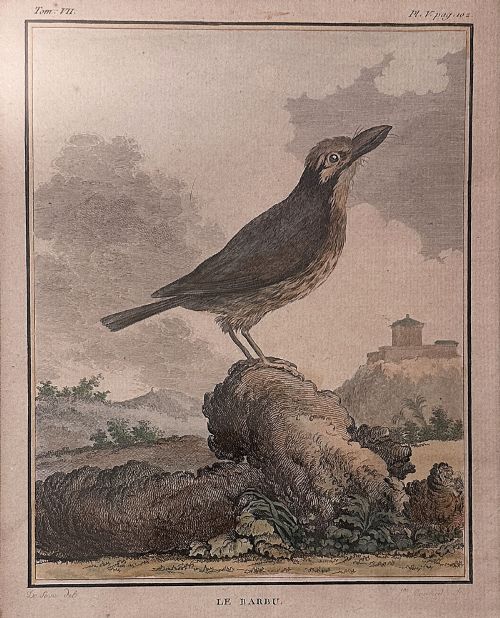
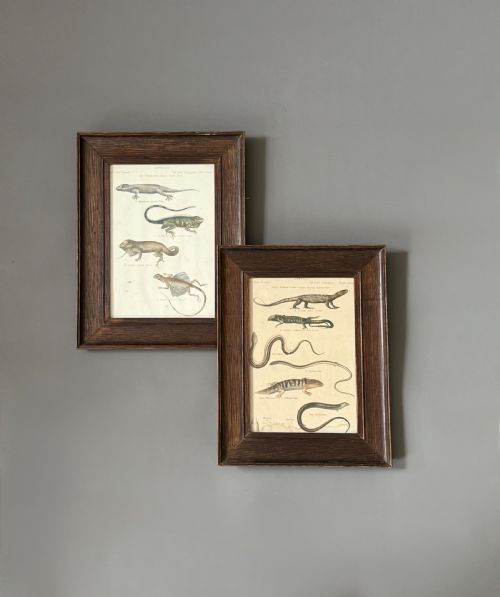
When you search for framed zoological prints, you encounter works that document animals, birds, reptiles, and anatomy from past centuries. The pieces on this page span the eighteenth and nineteenth centuries, including Georgian and Victorian periods, with works such as animal portraits and skeleton anatomy.
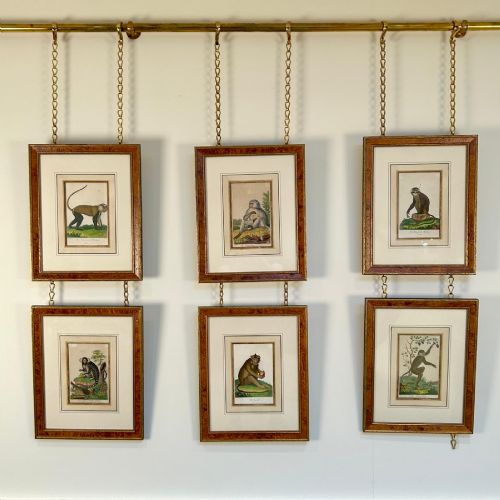
You meet various creature subjects represented in the listings, from monkeys and dogs to hippos, serpents, and rhinocerus plates. These items appear in formats like pairs, sets of three or four, and individual framed works.
The origin and age define these framed zoological prints, originating from British and European natural history documentation. Creators and publishers such as Buffon, William Bird MD FLS, William Swainson, and Audebert produced the underlying plates.
How they were made
The foundation of these pieces relies on paper bearing engraved or watercoloured illustrations. Many examples feature hand colouring applied directly to the printed lines to render natural hues.
Framing materials complete the construction, utilising wood, burr wood, giltwood, and gold leaf. Protective glass covers the paper face, while brass components sometimes appear on the hanging hardware.
Framed Zoological Prints Retail Price Guide 2026
Typical asking prices for framed zoological prints among the pieces listed under this phrase on Sellingantiques today, from the lower quarter to the upper quarter. They describe what is for sale here now, not the wider market.
Listings feature paper prints set behind glass within wood, burr wood, and gold leaf frames.
What varies in quality
The distinction between tiers of quality rests upon the precision of the original engraving and the finesse of any hand colouring. Finer plates show meticulous anatomical detail in subjects like reptile scales, skeletal structures, and fur textures.
Framing choice and material execution also separate the range, with select pieces utilising period mouldings, gold leaf, and burr wood. The completeness of sets, such as pairs or groups of three and four, influences how a group sits together on a wall.
William Bird MD FLS·Buffon·Bernhard Siegfried Albinus·William Swainson·Audebert
The Framed Zoological Prints Glossary
- Engraving
- A printmaking process where an artist cuts an image into a metal plate to hold ink. This technique allows for fine, sharp lines suited to scientific illustration.
- Hand coloured
- The application of watercolour or tint by hand onto a printed monochrome sheet. This method enhances the visual detail of natural history subjects.
- Georgian
- The architectural and artistic period spanning the reigns of the Hanoverian monarchs. Pieces from this era often display Neoclassical or symmetrical design elements.
- Victorian
- The period covering the reign of Queen Victoria during the nineteenth century. Natural history works from this time reflect a keen scientific interest in classification.
- Giltwood
- Wood that has been coated with a thin layer of gold leaf or gold paint. This finish creates a reflective, decorative border around the artwork.
Framed Zoological Prints: Frequently Asked Questions
What subjects appear in framed zoological prints?
The subjects cover a broad range of creatures documented by naturalists and artists in past centuries. You find reptiles, monkeys, dogs, hippos, serpents, birds, and anatomical studies of rhinoceros skeletons.
These illustrations served both scientific record and domestic decoration, capturing the natural world as understood during the eighteenth and nineteenth centuries.
How do I date a framed zoological print?
Dating relies on the paper characteristics, printing technique, and stylistic markers associated with periods like the Georgian and Victorian eras. Reference to known naturalists, publishers, and publication dates such as seventeen ninety-seven also helps establish age.
Frame construction, including the use of burr wood, gold leaf, and specific moulding profiles, often aligns with the period of the print.
Are these prints usually found in sets?
Many listings comprise pairs or matched sets of three or four related plates. Natural history works were frequently published in series to document different species or anatomical variations together.
Displaying them as pairs or groups preserves the historical context of their original publication formats.
How should I hang and light these pieces?
Hang these framed works away from direct sunlight to protect the paper and any hand-applied watercolour pigments. Stable indoor humidity levels help preserve both the paper support and the wooden or gilt frames.
Use gentle, indirect lighting that allows the fine engraved lines and hand-coloured details to be viewed clearly without causing fading.