

Vintage French End Tables
Vintage french end tables bring Continental character to a room, offering compact surfaces for lamps or bedside storage.
Vintage French End Tables
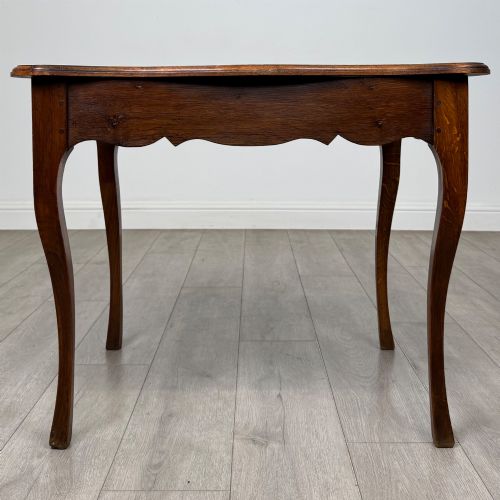
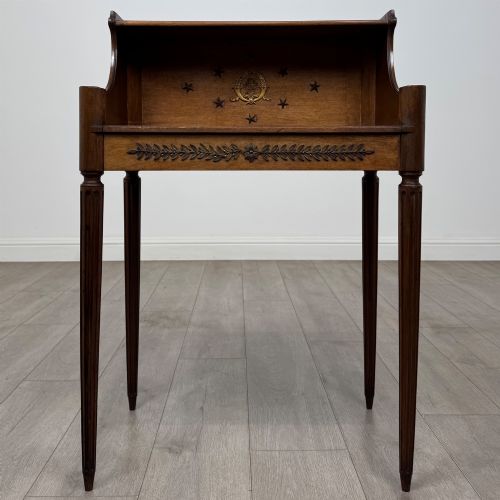
When you search for vintage french end tables, you encounter an array of smaller occasional pieces designed for parlours, bedrooms and salons. The selection spans the nineteenth century through to the art deco period of the nineteen-thirties.
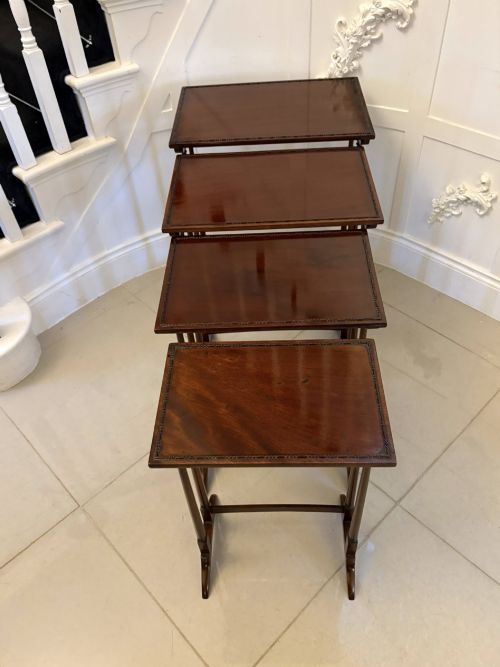
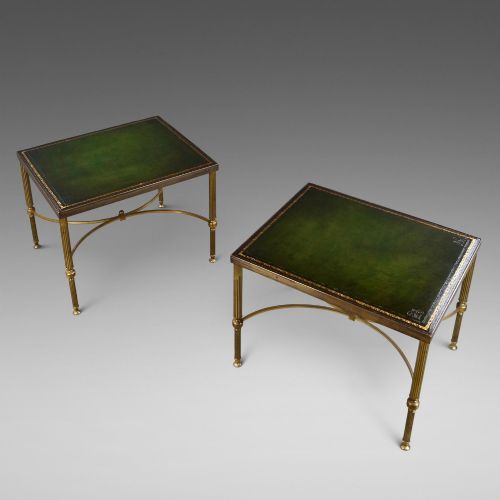
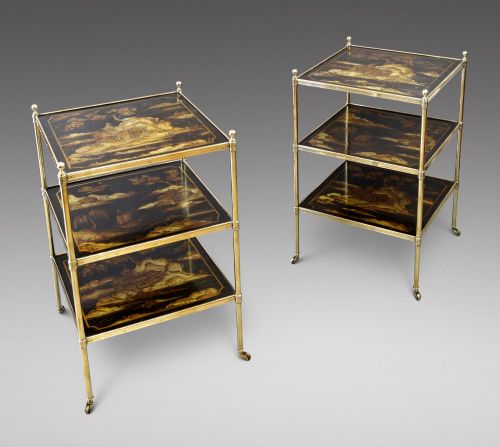
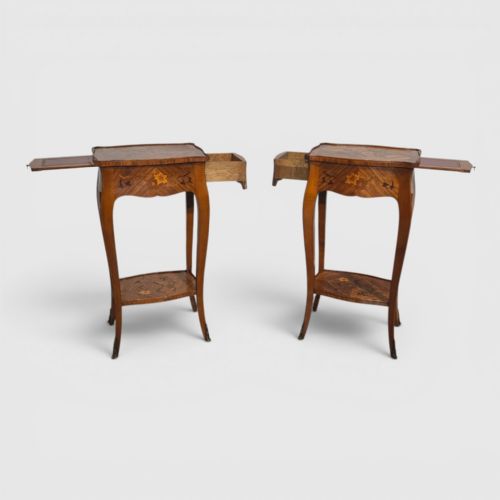
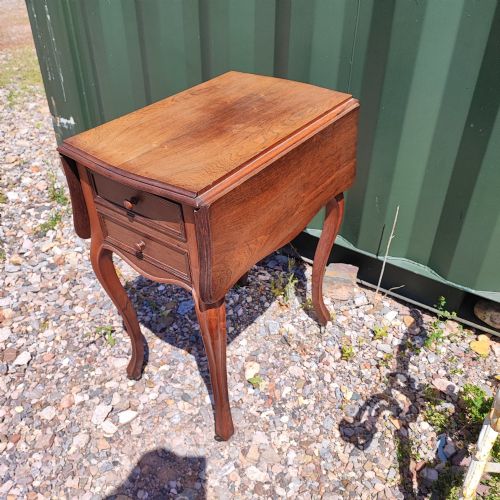
Side tables, bedside cabinets and lamp tables dominate the forms, frequently appearing in matched pairs. You also meet occasional tables, nests of tables and compact gueridon tables set on slender legs.
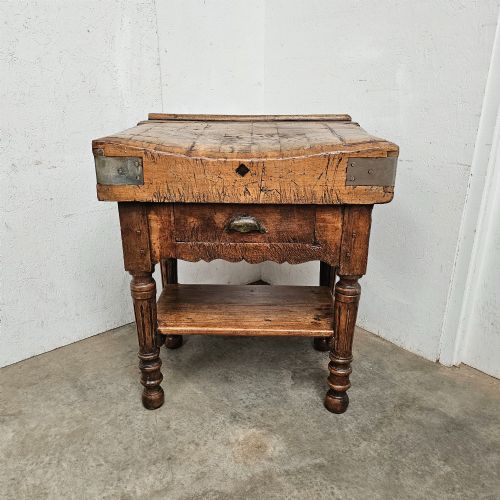
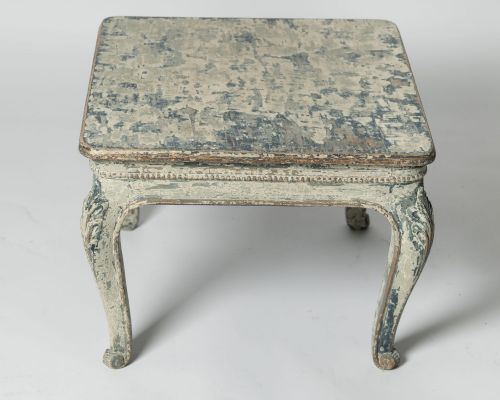
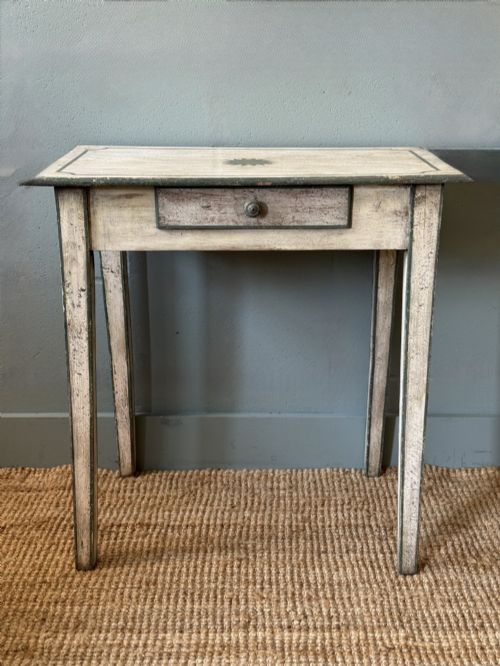
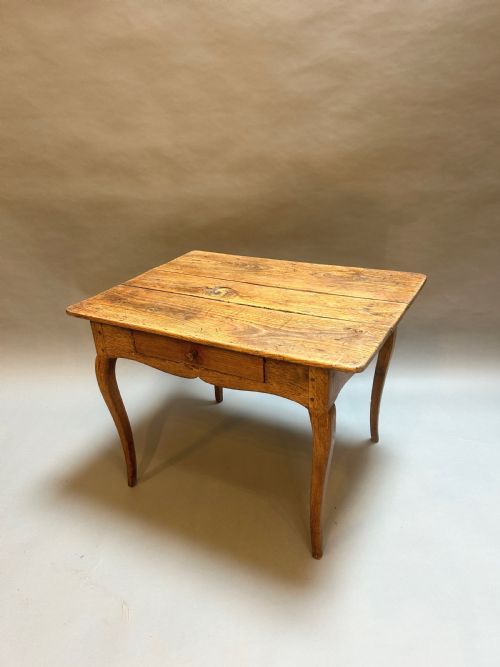
Design influences range from provincial farmhouse styles to ornate louis xv revivals and neoclassical interpretations. Woods vary from native oak and fruitwood to exotic rosewood, kingswood and mahogany.
Materials and construction
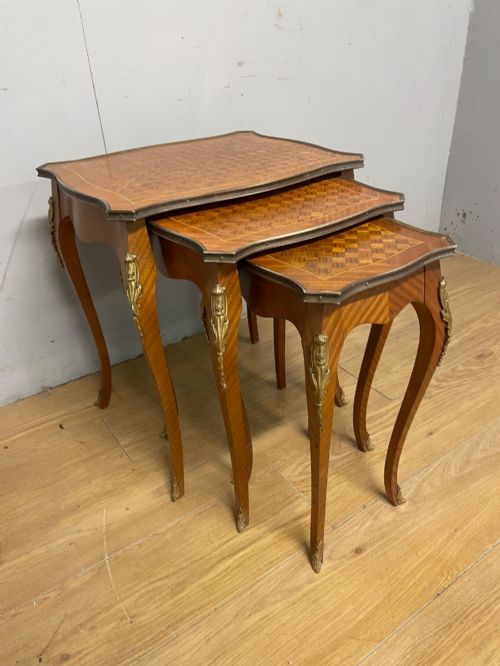
Cabinet makers utilised a combination of solid hardwoods such as walnut, mahogany, oak and fruitwood, often applying intricate marquetry, parquetry or inlaid veneers to table tops. Timber frames frequently incorporated hand-carved details appropriate to the prevailing period style.
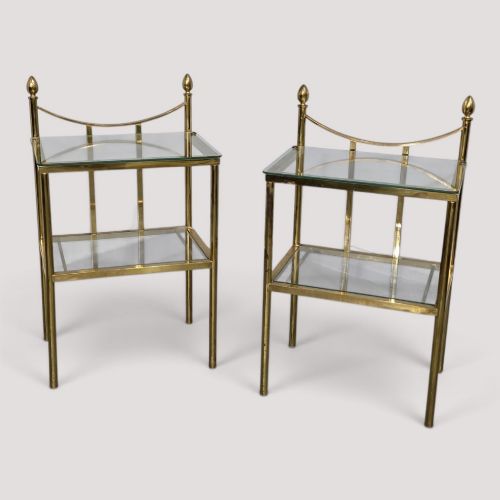
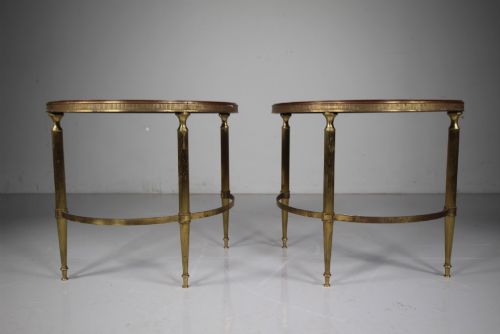
Many examples integrate contrasting materials, pairing marble tops with brass mounts, glass shelves or gilded bronze details. Surface treatments range from traditional French polish on fine decorative pieces to simple painted finishes on provincial furniture.
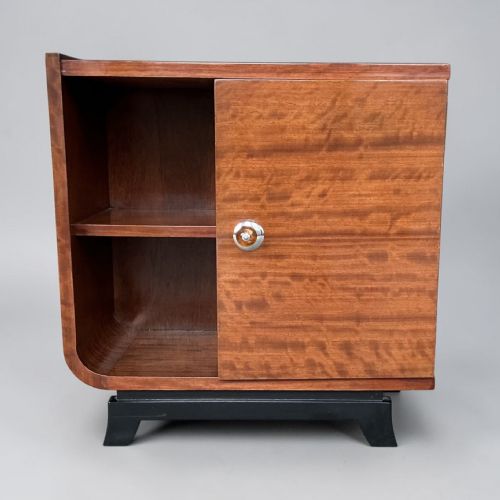
Some nineteenth-century tables served as discreet bedside nightstands designed to conceal chamber pots behind panelled wooden doors.
Assessing quality and craftsmanship
The distinction between standard items and high-end examples lies in the precision of the joinery and the selection of timber veneers. Master craftsmen employed complex parquetry patterns and delicate floral marquetry that required immense patience and skill.
Hardware and secondary materials further separate the tiers of production, seen in heavy cast brass mounts, thick white marble inserts and finely turned legs rather than stamped metal or plain timber.
The Vintage French End Tables Glossary
- Gueridon
- A small circular table, typically supported by a central pillar or three slender legs. These tables often feature inset marble tops and originated in France.
- Marquetry
- Decorative veneer work arranged in pictorial or geometric patterns using various coloured woods. Craftsmen cut contrasting pieces to form floral or abstract motifs.
- Parquetry
- Geometric wood mosaic work used for flooring or furniture surfaces. Triangles, squares and diamonds of timber create repeating patterns.
- Demi lune
- Half-moon shaped furniture designed to sit flat against a wall. These tables often function as compact side or console surfaces.
Vintage French End Tables: Frequently Asked Questions
Where do people use these small tables?
These compact tables function well beside seating in a sitting room or as bedside surfaces in a bedroom. Their modest proportions allow them to fit into alcoves and narrow hallways.
They provide a convenient surface for reading lamps, drinks or decorative objects without dominating the floor space of a room.
How do I identify the period of a table?
Dating relies on observing the combination of materials, construction methods and stylistic motifs present on the piece. Art deco examples from the nineteen-thirties favour streamlined walnut or symmetric veneers, while nineteenth-century pieces often display elaborate carving and gilt brass mounts.
Secondary woods inside drawers and the ageing of the timber provide further clues regarding the decades of manufacture.
Are pairs common in these tables?
Matching pairs frequently appear among lamp tables and bedside cabinets, originating from bedrooms and formal drawing rooms where symmetry was desired. Finding identical tables together simplifies interior arrangement.
Single tables also appear regularly, often functioning as standalone occasional pieces or accent stands.
What maintenance do marble tops require?
Marble surfaces need occasional cleaning with a damp cloth and mild soap to remove dust and prevent staining from acidic liquids. Avoiding harsh chemical cleaners preserves the natural polish of the stone.
Applying a specialist stone wax helps protect the surface from everyday wear while maintaining its lustre.