
Vintage French Dressing Table
A vintage french dressing table brings continental elegance to a bedroom, combining carved wood and glass mirrorwork for practical daily use.
Vintage French Dressing Table
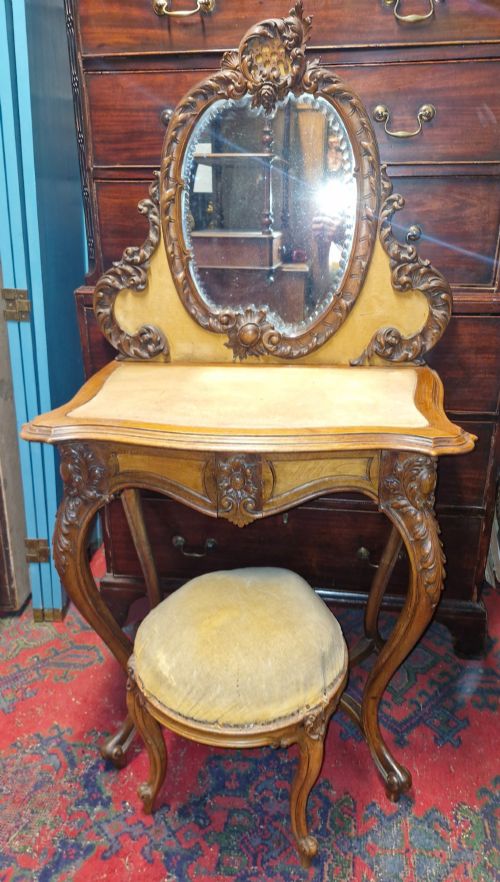
A vintage french dressing table provides a dedicated surface for grooming and cosmetics, often accompanied by matching seating or mirrors. These pieces embody classic continental aesthetics, ranging from provincial painted finishes to ornate revival styles.
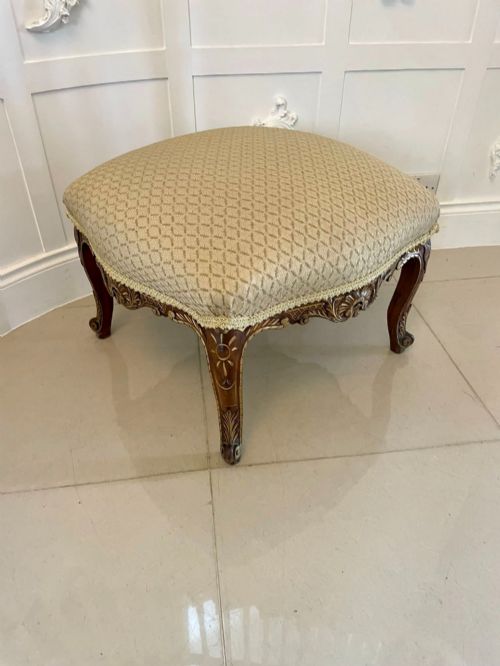
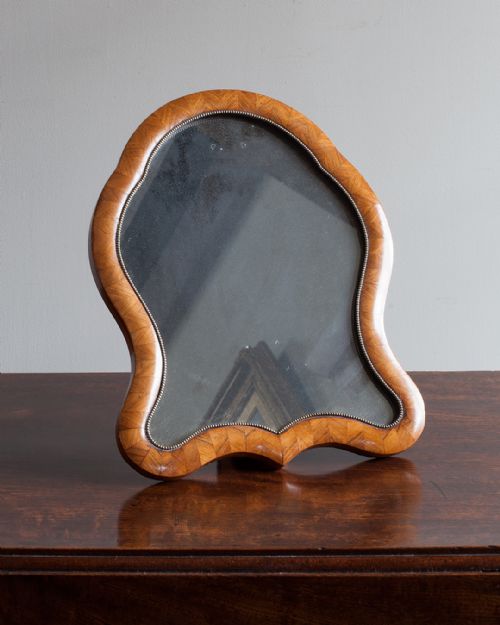
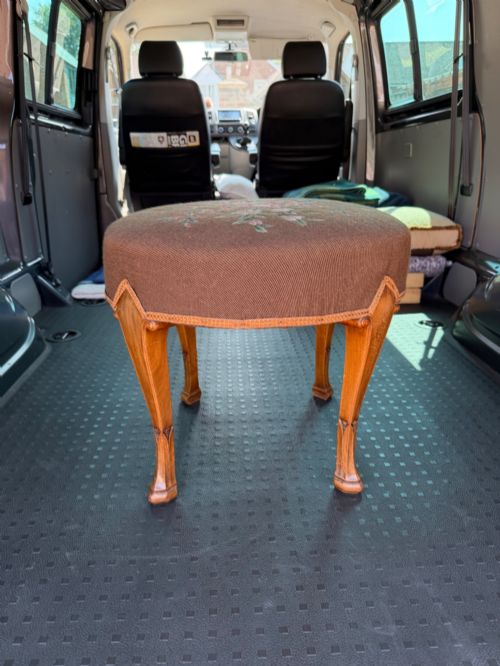
The selections available here span from the nineteenth century through the art deco era of the nineteen thirties. Buyers frequently encounter variations in walnut, mahogany, and painted wood, alongside associated items such as table mirrors and upholstered stools.
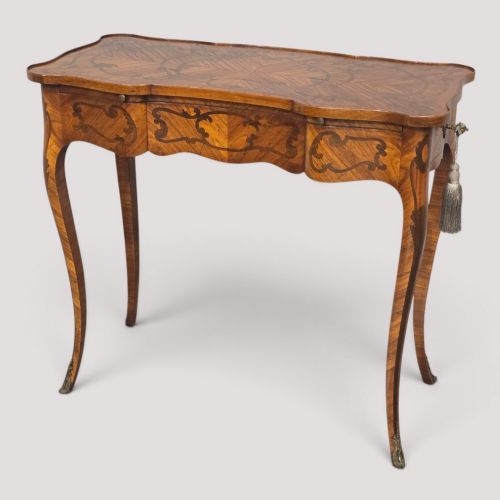
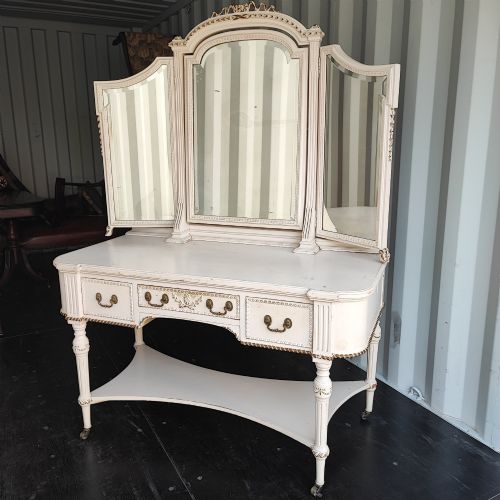
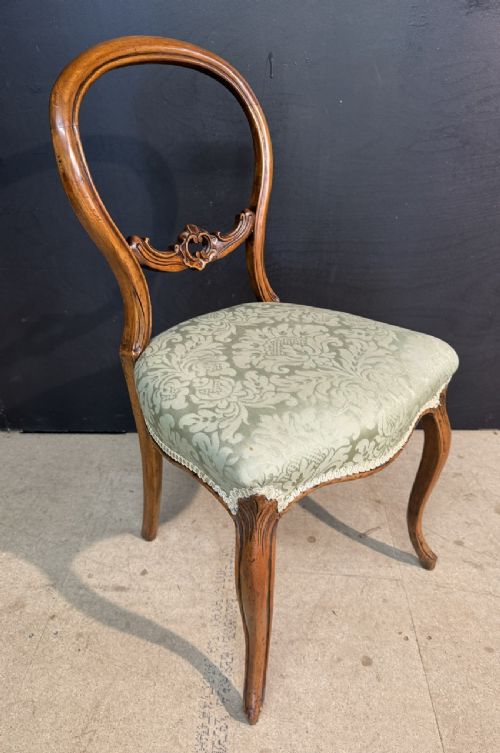
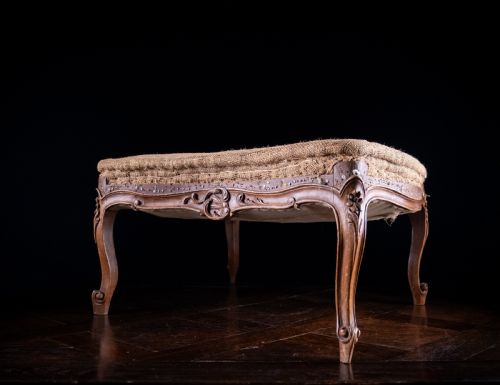
Forms include console tables with cabriole legs, kneehole desks, and sophisticated dressing tables featuring marble tops. Each piece reflects the decorative priorities of its period, from simple provincial utility to elaborate Louis revival carving.
Materials and construction methods
Cabinet makers utilised a range of timber including walnut, oak, mahogany, kingwood, and beech to construct the frames and carcasses. Decorative veneers such as satinwood and tulipwood frequently adorned the surfaces of finer writing and dressing tables.
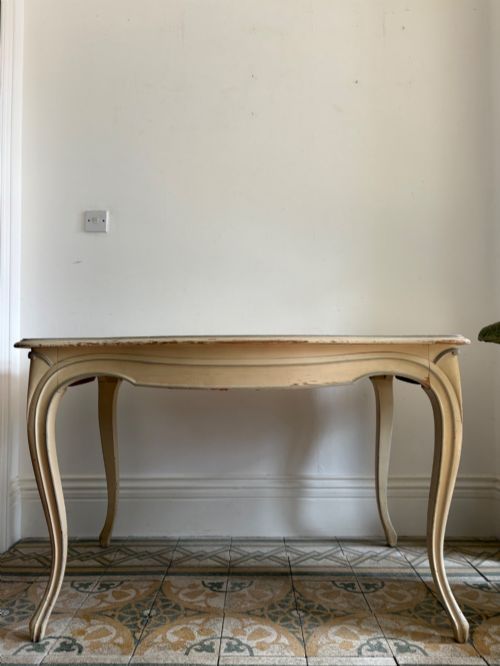
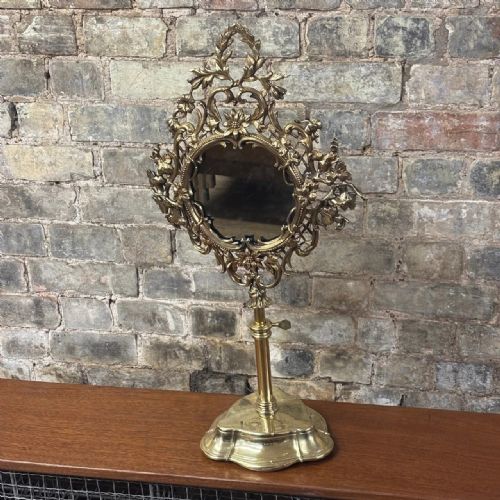
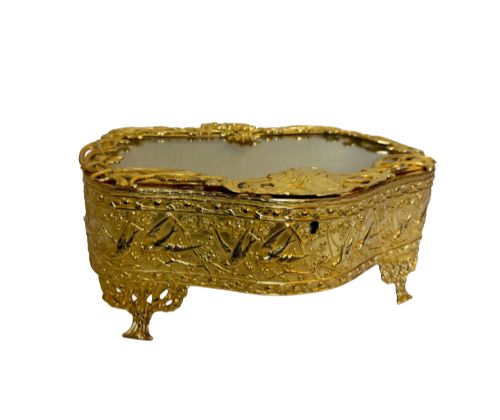
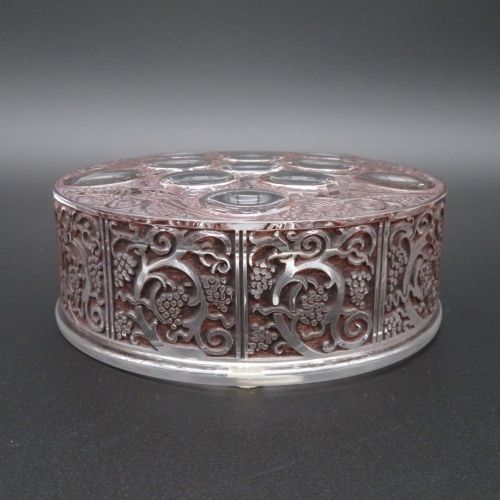
Gilt bronze, ormolu, brass, and silver gilt mounts provided structural and decorative highlights, particularly on mirrors and boxes. Painted wood finishes, sometimes applied over gesso or combined with inset suede, created the distinct continental aesthetic seen in provincial and chateau pieces.
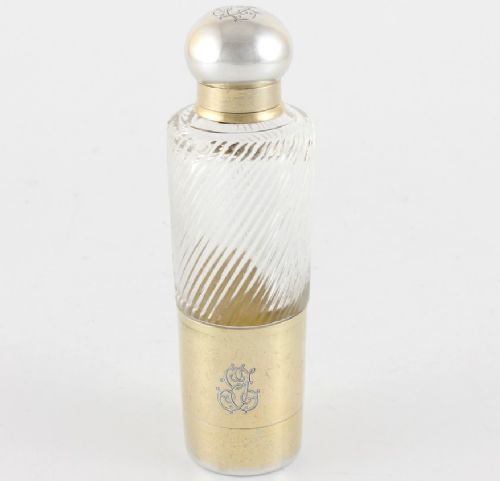
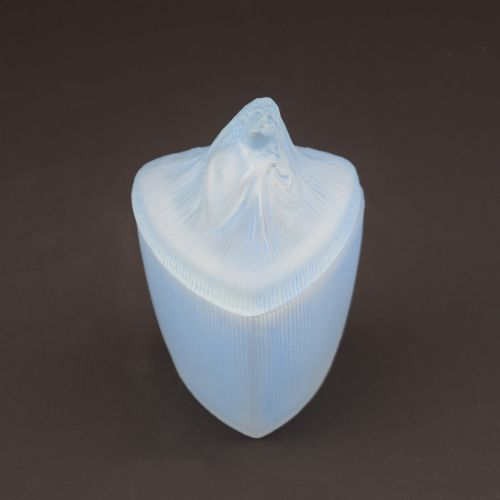
Glass formed an essential component, appearing in bevelled mirror plates, perfume bottles, and crystal powder boxes. Marble tops added durability and weight to specific dressing and side tables from the nineteenth and early twentieth centuries.
Several items retain their original tiny crystal perfume bottles and pill boxes, ready for clandestine midnight doses of eau de cologne.
Factors determining quality
Quality rests heavily on the crispness of hand carving in the wood or giltwood frames and the precision of ormolu mounts. Finer examples display fluid lines in cabriole legs and seamless integration of marquetry or veneers.
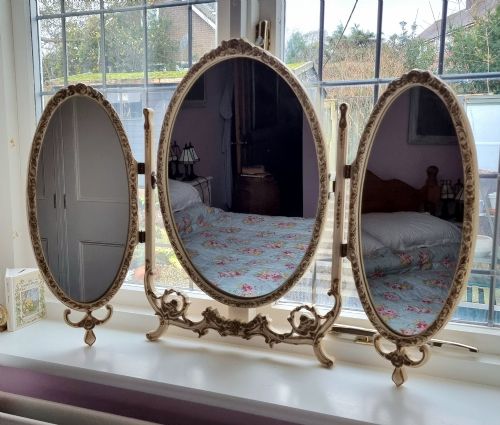
The integrity of the original glass, whether in the triple mirror plates or associated crystal bottles, influences the overall character. Superior pieces maintain their original painted surfaces, patination, and structural stability without excessive later intervention.
Maples of London and Paris·Rene Lalique·Tonnel Paris
The Vintage French Dressing Table Glossary
- Cabriole leg
- A furniture leg that curves outward and then tapers inward, mimicking an animal's leg. This design appears frequently on eighteenth-century revival dressing tables and chairs.
- Ormolu
- Gilded bronze or brass applied to furniture mounts and decorative objects. It provides a bright metallic contrast to dark timbers like kingwood and mahogany.
- Marquetry
- Inlaid wood veneers forming decorative patterns or pictures on a surface. Skilled artisans used various coloured woods to achieve detailed floral or geometric motifs.
- Champleve
- An enamelling technique where troughs are carved into metal and filled with vitreous enamel before firing. It appears on decorative frames and small table accessories.
- Kingwood
- A dense, richly grained exotic timber utilised for high-end cabinet making and veneering. It is prized for its dark purple-brown colouring and distinct figuring.
Vintage French Dressing Table: Frequently Asked Questions
How do I date a vintage dressing table?
Dating relies on identifying stylistic markers, construction techniques, and materials characteristic of specific decades or centuries. Victorian pieces often display heavier carved walnut, while nineteen-twenties examples lean toward streamlined painted finishes or art deco mirror designs.
Examining drawer joints, hardware types, and the composition of the mirror glass helps narrow down the period. Comparing the piece against documented revival styles, such as Louis XV or Louis XVI, provides further chronological clarity.
Are mirrors usually attached to the tables?
Many dressing tables feature fixed or adjustable triple mirrors, while others were designed to be paired with separate table mirrors. This modularity was common in nineteenth and early twentieth-century French bedroom furniture.
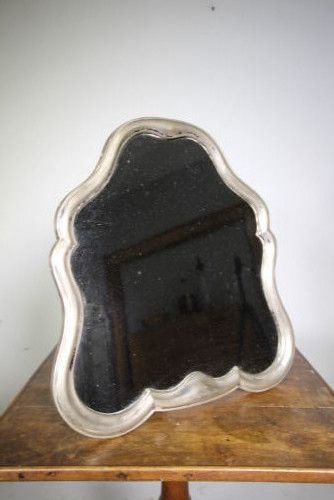
When mirrors are separate, they often utilise easel backs or heavy brass and gilt bronze stands. Buyers should check whether the mirror glass is original to the frame or a later replacement.
How should I care for a painted wood finish?
Painted wooden surfaces require gentle cleaning with a soft, dry cloth to prevent dust accumulation. Avoid abrasive cleaners, strong solvents, and excessive moisture that could damage the underlying gesso or paint.
Keeping the furniture away from direct sunlight and dramatic humidity changes protects the finish from cracking or fading. Occasional application of suitable specialist wax helps maintain the lustre of preserved painted wood.
Can I use a writing table for makeup?
Many compact writing desks and console tables from the era easily double as dressing tables when paired with a small stool. Their shallow drawers and flat surfaces accommodate daily grooming essentials without dominating a room.
Protecting the wood or leather insert with a glass top sheet prevents cosmetic spills from staining the historic material. This practical adaptation allows you to utilise antique forms in modern spaces.